Hello to all of you—friends, family, and benefactors.
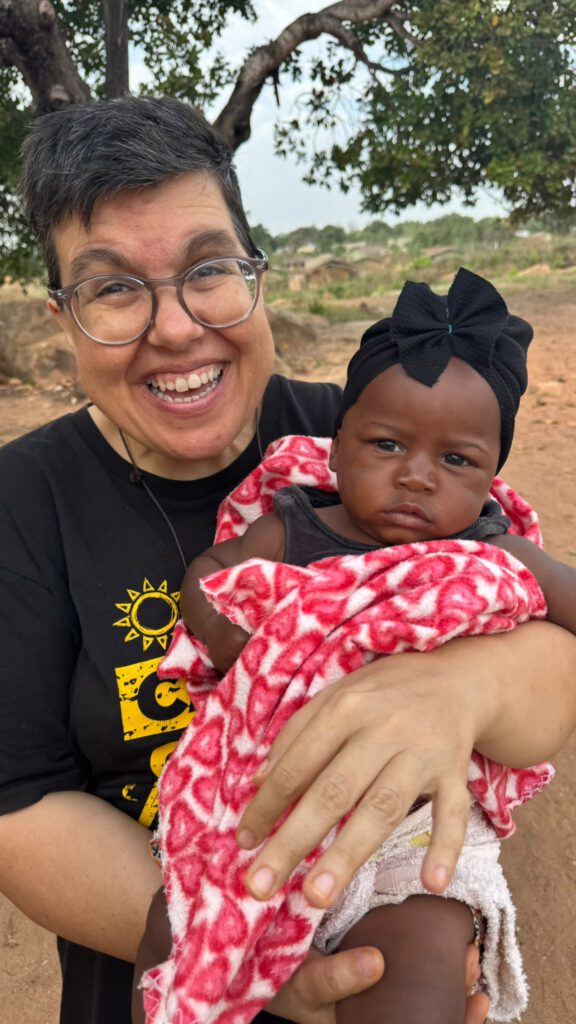
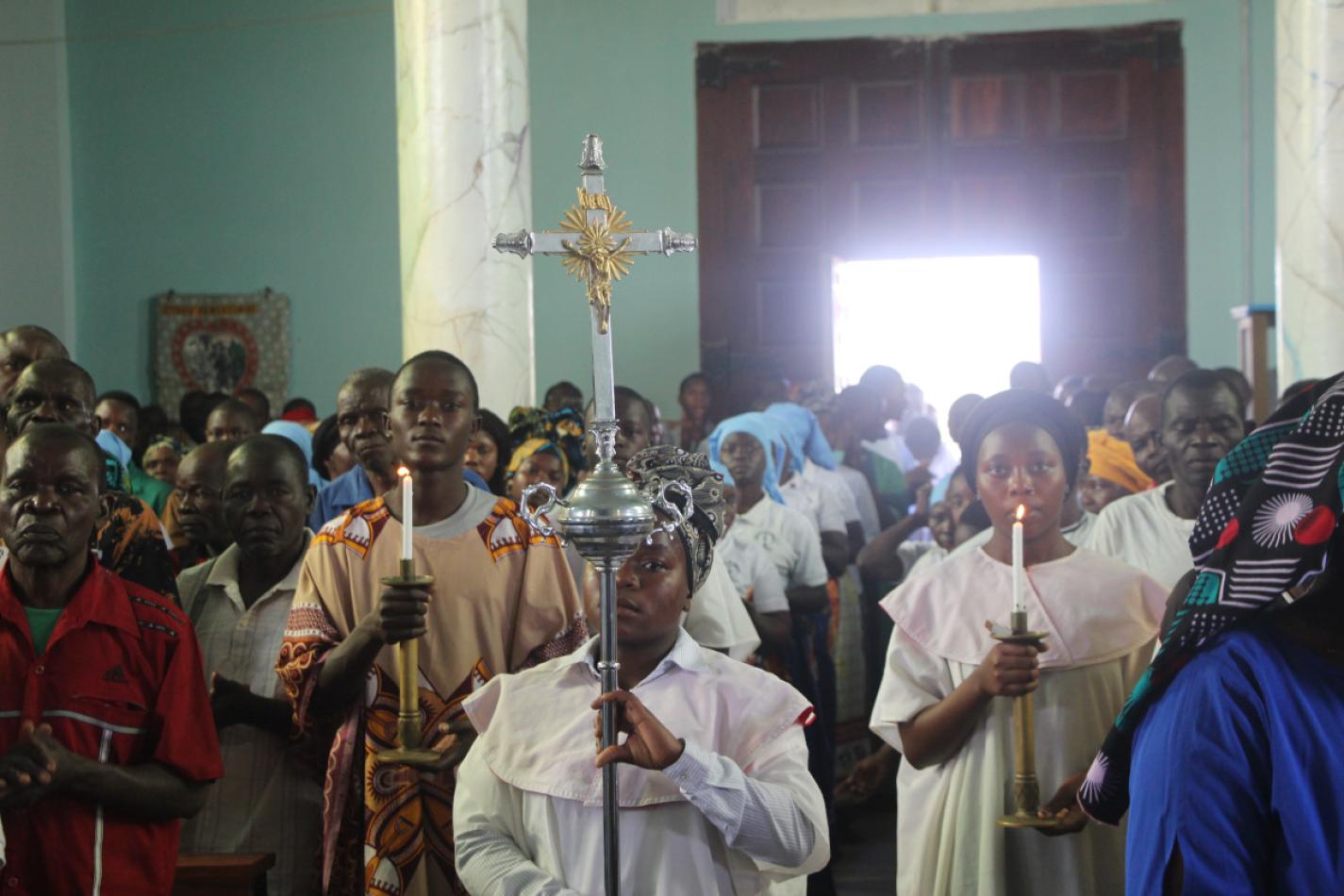
We’ve been back for almost two months now, after a very brief stop in Italy, and the mission has kept us busy with our usual activities as well as with an extraordinary event: the celebration of the 80th anniversary of the Comboni Missionaries’ presence here in Mozambique. We put a lot of effort into making this day happen and sharing it with so many people.
We’re continuing to contribute our efforts and your support in various pastoral and social areas, always striving to heed the promptings of the Holy Spirit so we can walk among the Macua people with purpose and love.
In the meantime, we send you a warm hug, and as soon as we can, we’ll send more detailed information. Have a blessed start to the Missionary Month, and thank you for continuing to remember us in your prayers. With respect and gratitude, a huge hug
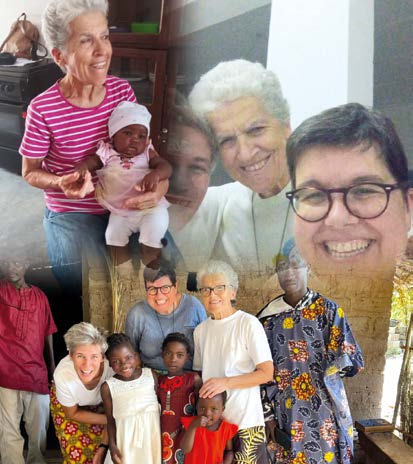
We are writing to you from northern Mozambique to share the joys and challenges of our missionary work, made possible by your prayers and your ongoing, invaluable support. We are focusing our efforts on development projects in various fields: literacy, training for mothers and young people, self-sufficiency, and economic development. Maria Augusta leads the work with elementary school students who have serious difficulties with reading and writing. Twice a day, she works primarily with young girls who, for a couple of hours, learn and reinforce what they cannot manage to do in three hours of school in a class of one hundred students. Ilaria focuses on economic education, an important aspect in a cultural context that does not know the concept of saving and where the tradition is to spend immediately what one earns; a work of patience, knowing that the hoped-for results cannot be achieved in the short term. Federica focuses on the education of young people because they are the future of this country. While until recently they were the ones setting fires in the savanna and blocking roads due to political dissatisfaction, today we work with them to instill values such as peace, environmental stewardship, and the ability to think creatively and plan for a better future.
The challenges we face are quite daunting: poverty and the destruction caused by a cyclone, as happened recently, cannot be wiped away with a quick sweep of a sponge, but we believe that building on people and with people can yield positive results. That is why we strive every day to work toward transforming people’s lives through practical training and education. At the Carapira secondary school, we also offer intensive formation in human and Gospel values; the curriculum includes both theoretical and hands-on components. Furthermore, we strive to ensure that these 250 students, who live far from their respective communities, do not miss out on catechetical formation.
We do this every Friday, walking with them on an annual journey enriched by retreats and outings that bring them into contact with real-life experiences. We are also happy to participate in the dynamic life of Carapira’s 99 communities; the parish includes, in addition to the center, five regions and 21 pastoral zones. Our goal is to help people become as self-reliant as possible in managing their own lives. We are firmly convinced that simply giving things or money does not solve problems. Of course, practical help is also needed, but if it is not supported by training and a journey of awareness, it makes people dependent. With all our hearts, we try not to create injustices in a country that has already seen so many, and to share our daily lives with them. The context is difficult: corruption and discrimination of every kind, and few job opportunities.
All this stands in contrast to the country’s abundant natural resources, which, instead of being a source of wealth for Mozambique, become the focus of interest for foreign countries, including Italy. In Nampula, an hour away from us, there are still refugee camps housing those who have fled the Islamist terrorism still ongoing in Cabo Delgado. This violence is driven not so much by religious motives as by the desire to control the territory. We engage in our local context based on communal discernment. And the resilience of our people encourages us to continue doing so. We are currently supporting a project to combat malnutrition by helping 40 mothers care for their young children, who would otherwise risk dying from lack of food. We have also planned to renovate the kitchen at the secondary school, which is in a state of great disrepair, largely due to years of smoke damage. This deterioration has an impact on the health of the students and school staff. We are grateful to all those who contribute to our work, both morally and materially. In this way, you share in the work of witness and love that helps us transform our lives and those of the people who have welcomed us. Muito obrigada (thank you in Portuguese)!
Koxukhuru vanjene (thank you very much, in the Macua language)!
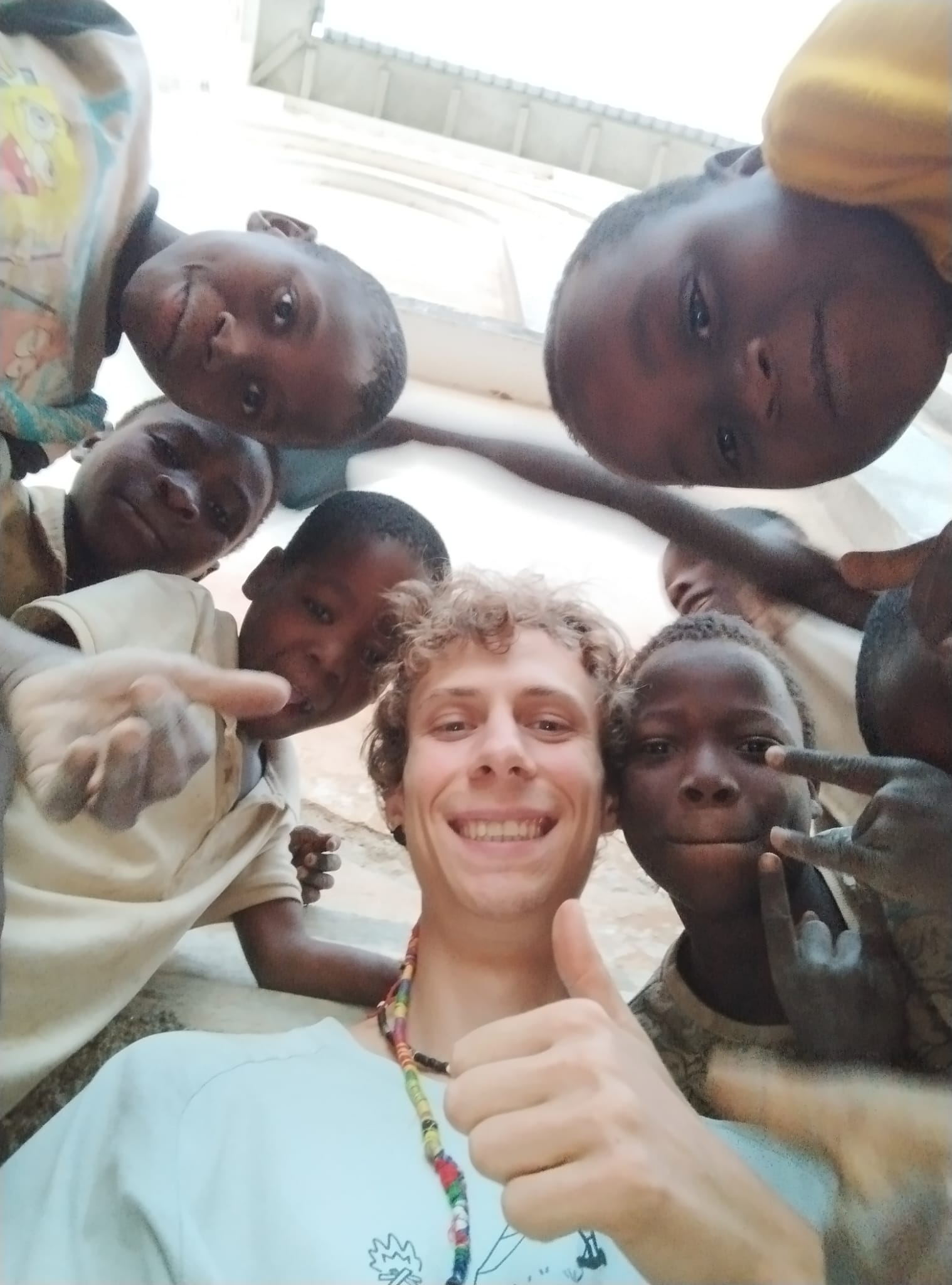
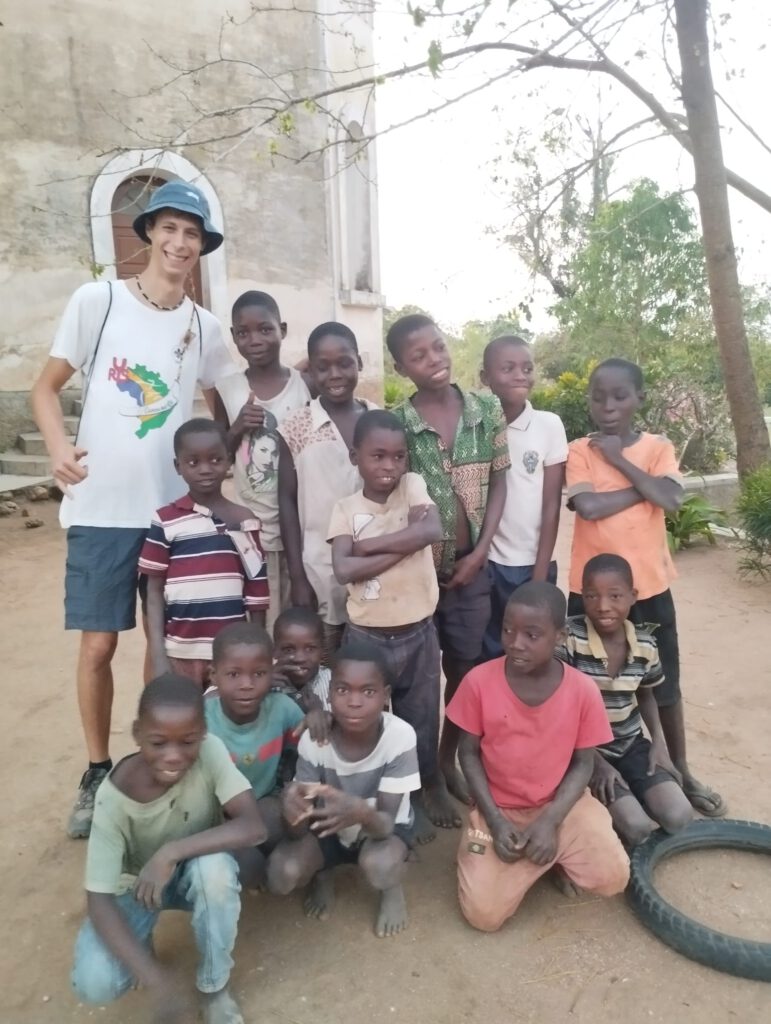
My name is Luca, I am 24 years old and, a couple of months ago, I was lucky enough to have an intense missionary experience in Mozambique, more precisely in Carapira, where, thanks to the welcome of the Comboni fathers and Comboni Lay Missionaries, I had the opportunity to meet and get to know the Macua people.
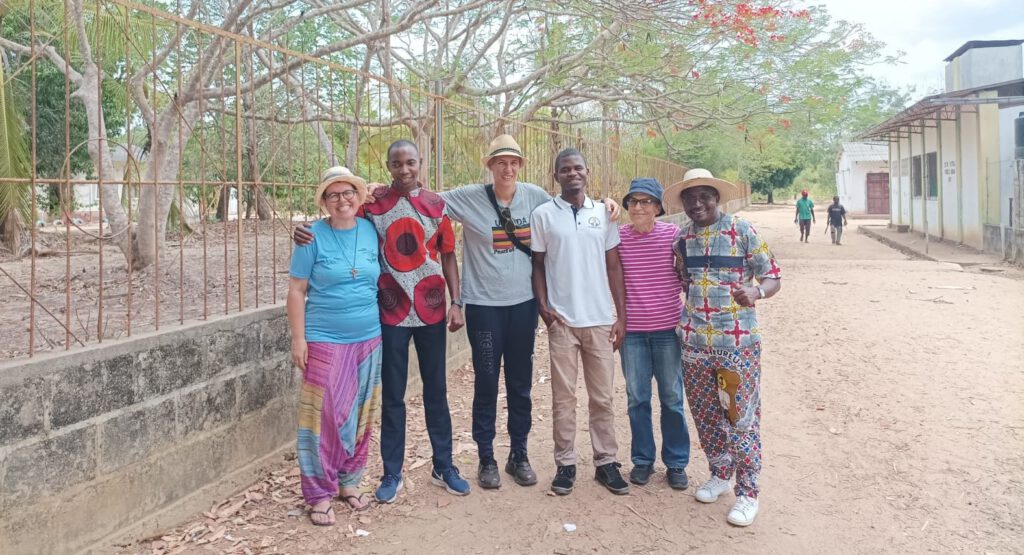
I left for this experience on August 18, together with Ilaria and Federica, two missionaries who have been dedicating their service for almost two years to what has now become their home: Carapira. I was fortunate enough to meet them two years ago in Modica, Sicily, shortly before their departure.
That encounter had a profound effect on me and, right from the start, I began to feel the desire to join them in the mission field, certainly to put myself at their service, but above all to meet, get to know, and let myself be touched by the beauty and humanity that characterize these places. So, this summer, after a short period in Italy, Federica and Ilaria welcomed my request to accompany them with joy and enthusiasm.
And so, after a flight marked by a thousand vicissitudes, including missed and canceled flights, we finally arrived in Mozambique, in Carapira.
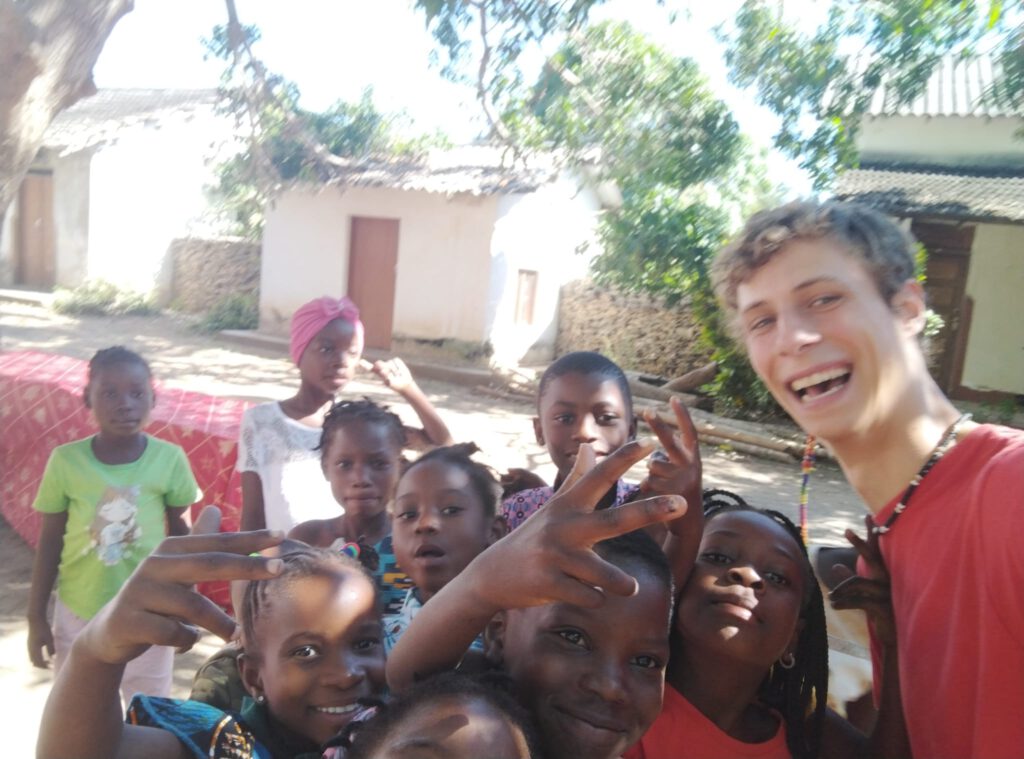
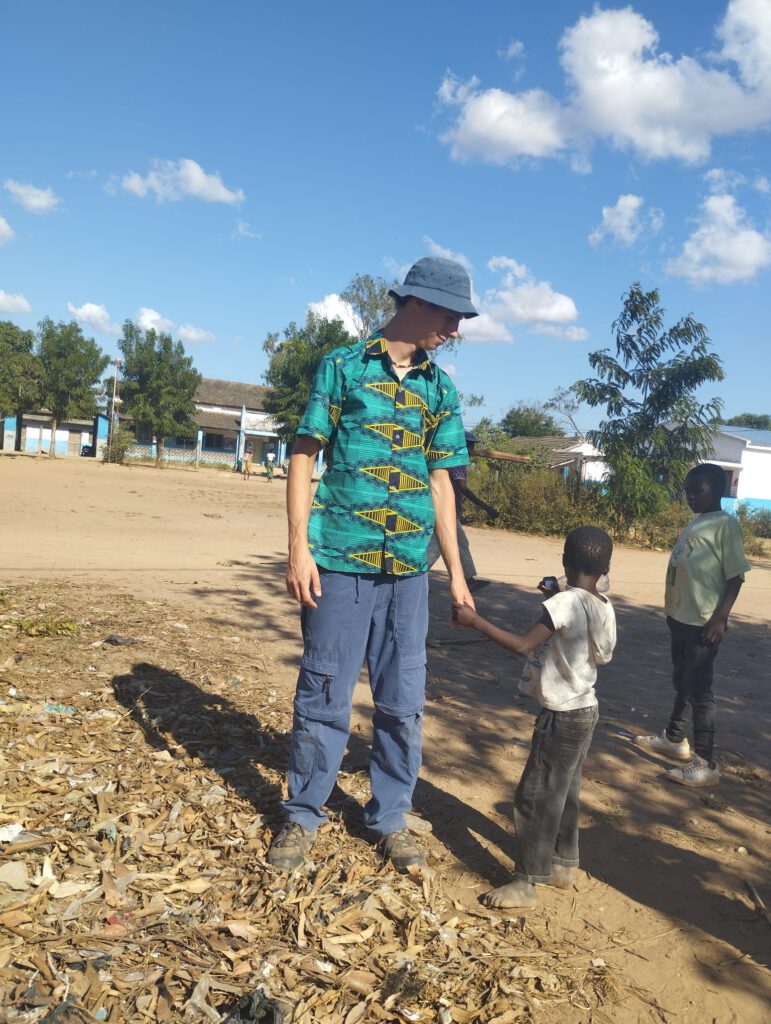
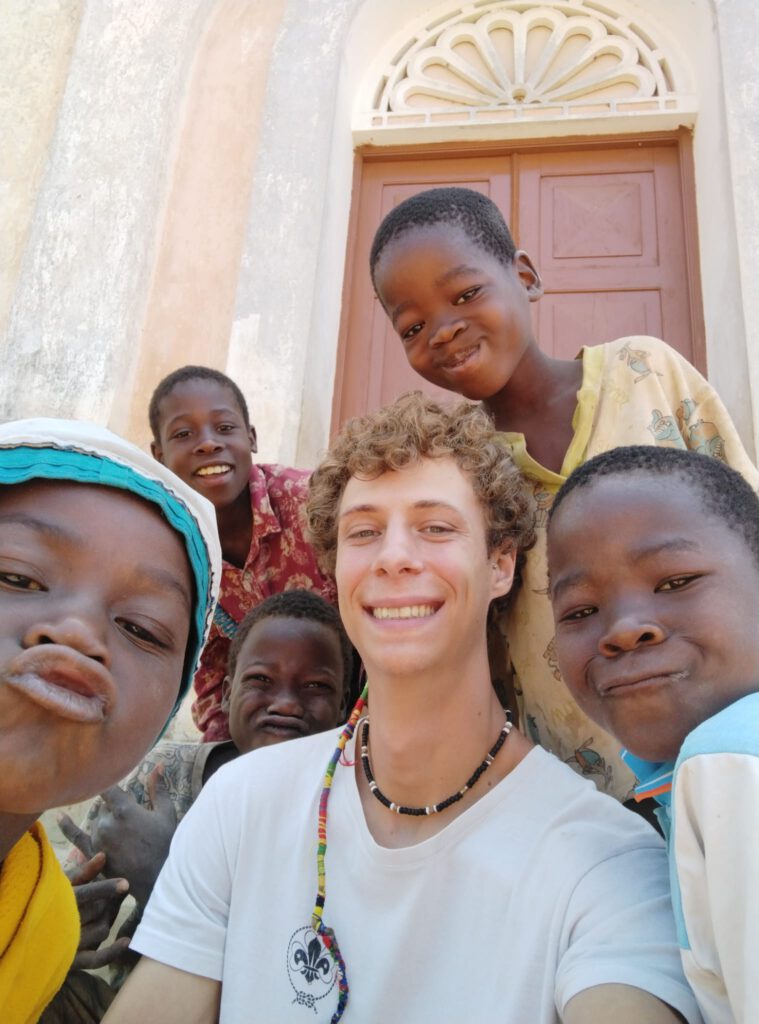
Right from the start, I was deeply impressed by the welcome of the local community. After introducing myself during the first Mass I attended, stumbling over my Portuguese, I became “Mano Lucas,” or “Brother Luca,” to everyone. Soon I too began to call everyone I met ‘mano’ and ‘mana’; I even learned to call people older than me ‘mamà’ and ‘papà’, thus entering into a dimension of familiarity and community, perhaps never experienced before, which made me feel welcome and made me feel good.
The incredible welcome I received made me feel at ease from the very first moment and also helped me a lot to fit in, while always remaining on tiptoe, into the daily life and reality of Carapira. I spent the first few weeks mainly observing, getting to know and trying to better understand the context I found myself in, to understand how I could offer my contribution in the little time I had available. I soon realized that in order to do so, I had to stop thinking only with my head and learn instead to open my heart, entrusting myself to God’s love.
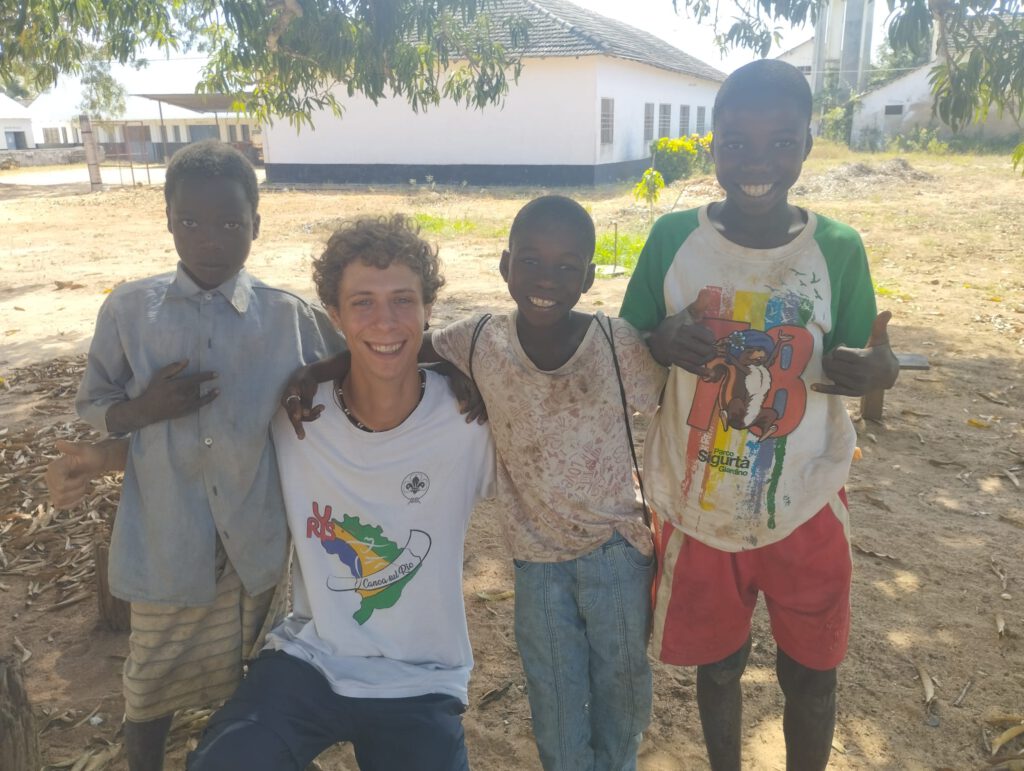
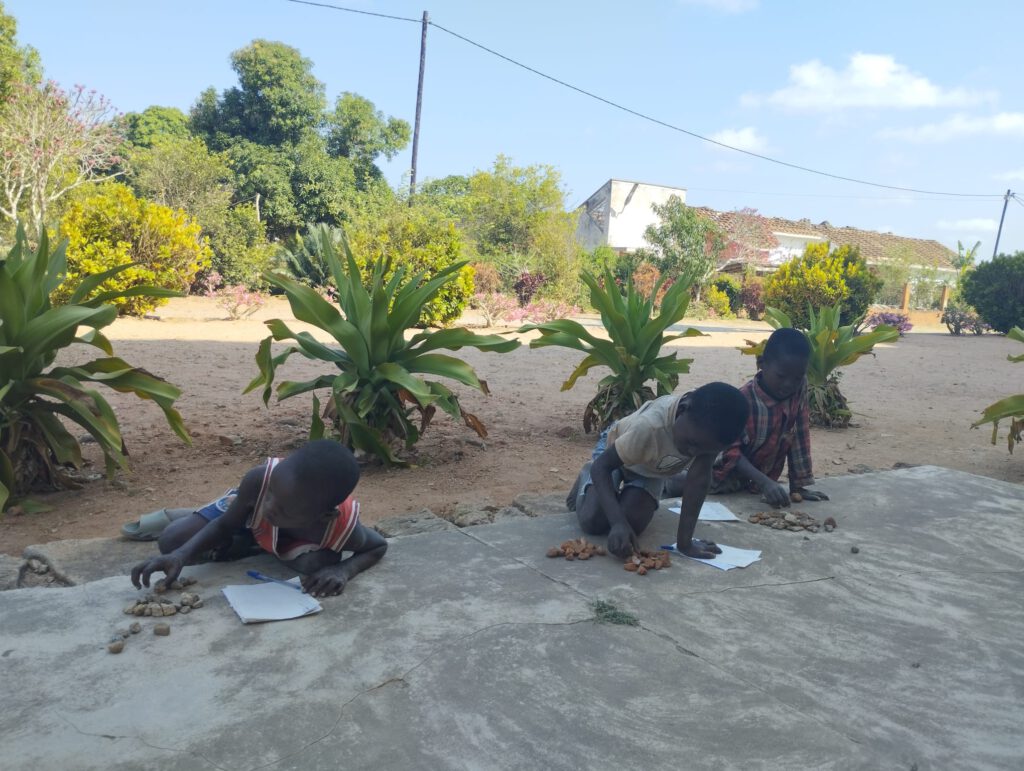
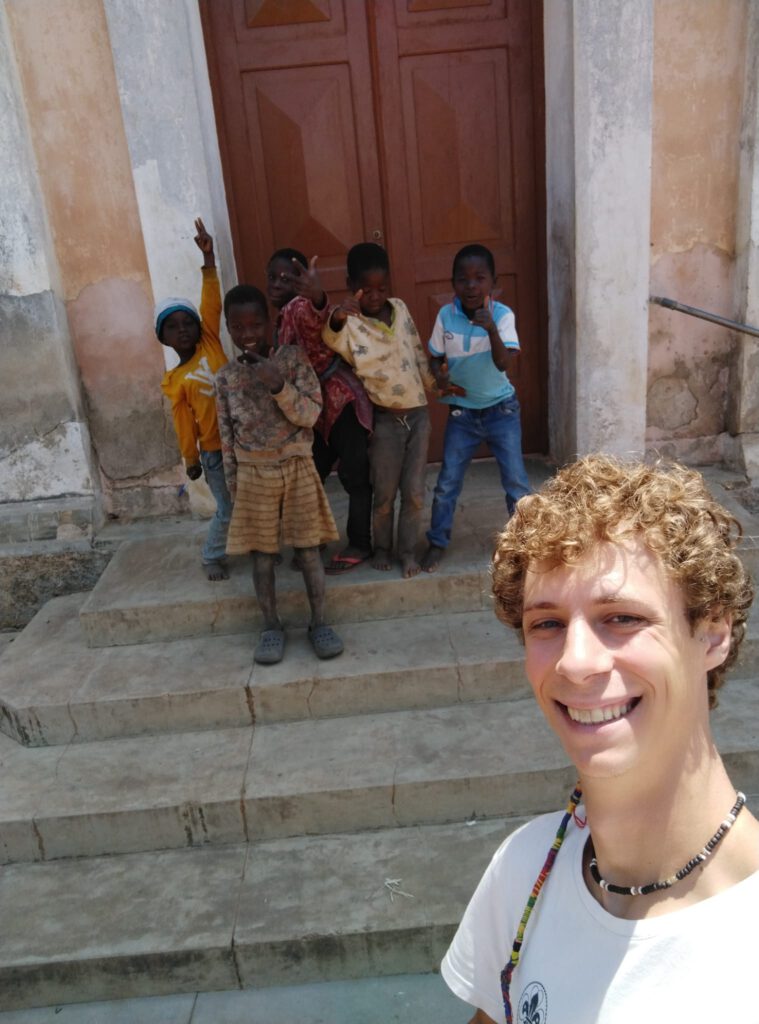
So it was that one morning, while I was still recovering from two days of fever, some children from the bairro (village) came to visit me. They had heard that I was not feeling very well and, without hesitation, they had rushed to bring me some cheer and lift my spirits. In addition to keeping me company, they were the ones who entrusted me with what would later become my mission: they asked me to help them study mathematics.
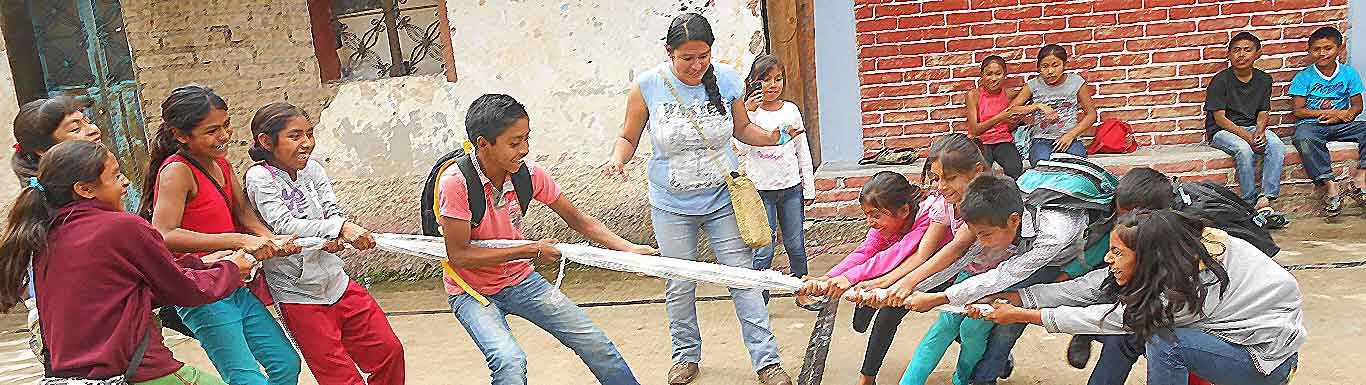
Unfortunately, in Carapira, many children struggle to really learn anything at school. And how can we blame them? All the conditions are in place to make this journey extremely difficult: only three hours of lessons per day, classes of about ninety children with only one teacher, classrooms that are too small, a lack of desks and chairs, suffocating heat and, in some cases, even a lack of pens and notebooks. The result is that many fall behind, unable to do simple addition or even illiterate, despite having attended school for years.
Yet the desire to escape this situation and the desire to learn are strong.
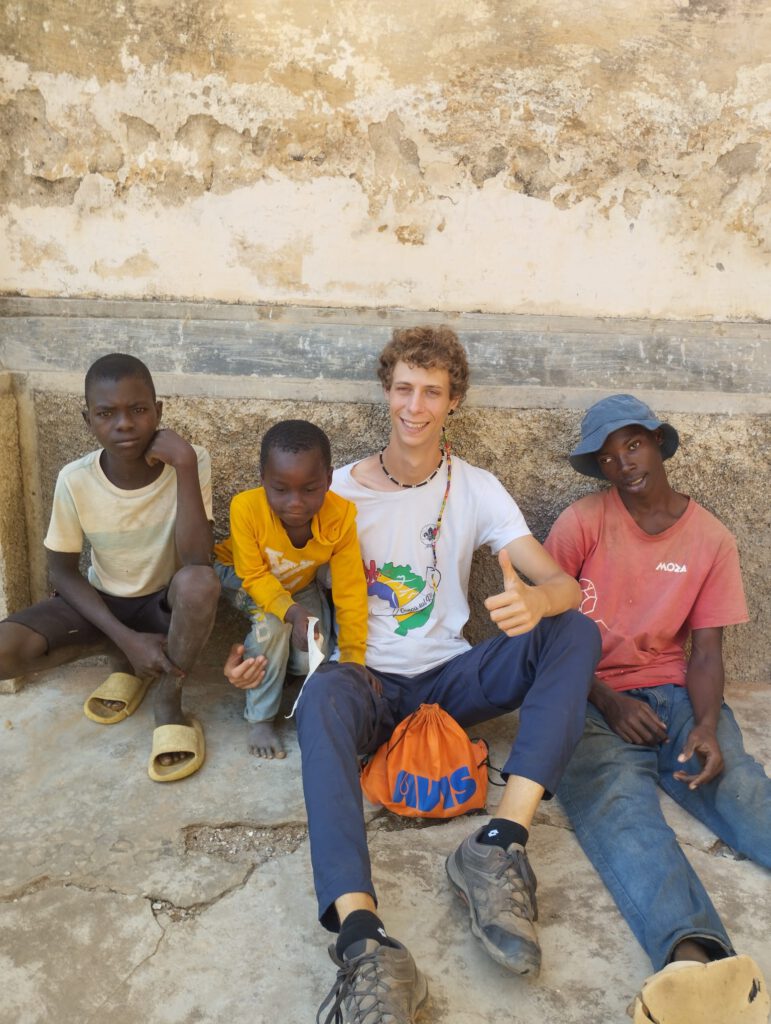
As soon as I had fully recovered, we began this adventure. We had few resources at our disposal—a few sheets of paper and some pens—and the space was what it was. So we began to meet near the large church in Carapira, sitting on the ground and using the walls of the church as a backrest. We settled where there was shade: on one side in the morning, on the other in the afternoon, moving from hour to hour to escape the direct rays of the sun.
In the blink of an eye, word spread and many preferred to ‘abandon’ soccer for a few hours of the day to come and study some math in company.
As I always say, not out of modesty but because it is the truth, what these children taught me during the days we spent together was much more than what I was able to teach them. Being able to observe them, get to know them, be their friend—or, as they would say, their “brother”—was a great fortune that I will always cherish in my heart and that has deeply enriched me. Encountering diversity always leads to new discoveries that nourish the spirit; it leads to an awareness of aspects of oneself that would otherwise be difficult to emerge and, above all, it helps us understand that, despite our many differences, we are all much more similar than we think. Only when we reach this awareness does it become truly possible to speak of “global fraternity.” If only those who govern this crazy world could understand this…
Returning to my experience, I could recount many other significant moments I experienced during those two months: from the beauty of community life with the Comboni missionaries, to whom I will always be grateful, to the intensity of the joyful and authentic faith of the Mozambican people, to the many encounters in small communities scattered throughout the countryside, and much more.
But I will not dwell on this any further, not least because I would need pages and pages to recount it all.
However, in closing, I would like to share a reflection that, during my days in Mozambique, I developed first and foremost about myself and, perhaps, more generally, about the “white tribe,” as Father Alex Zanotelli defines it.
This reflection arose when, shortly after the start of the mission, I began to realize that I was the one receiving the most help. Paradoxically, the person who was helped the most was the one who had set out to help and who, perhaps sinning a little with presumption, did not even feel so needy. This discovery shattered many of my beliefs and, without a doubt, allowed me to start again with a new spirit. It was the spirit of someone who, aware of their own limitations, desires to receive help, desires to feel welcomed and touched by God’s love, in order to cherish it and then give it back, in a new form, to those around them. After all, it is only after being helped that, following the example, we can help others, giving back the love we have received and creating a self-perpetuating spiral of good.
I therefore believe that recognizing ourselves as “needy,” despite all our comforts and all that we possess, is the way to truly welcome God’s love and the first step to take in order to truly serve others.
This, then, is what the mission has taught me most, and consequently, my wish for anyone who reads this article: try to abandon your presumptions and learn to recognize yourself as needy, in order to truly encounter the Other, who is God.
Hello brothers, I am Tito, a Comboni Lay Missionary from Brazil, currently on mission in Mozambique, Africa, more precisely in the mission of Anchilo, province of Nampula.
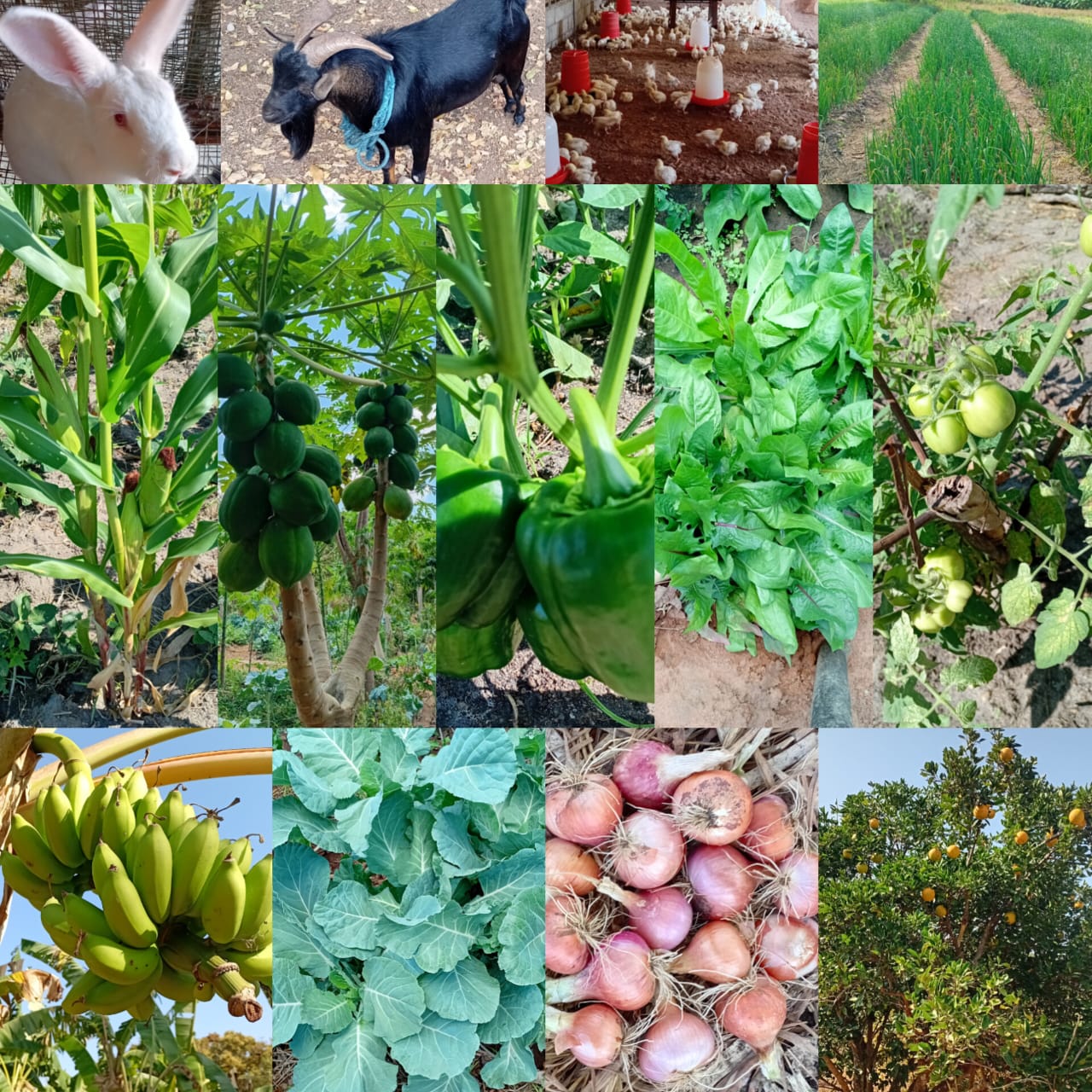
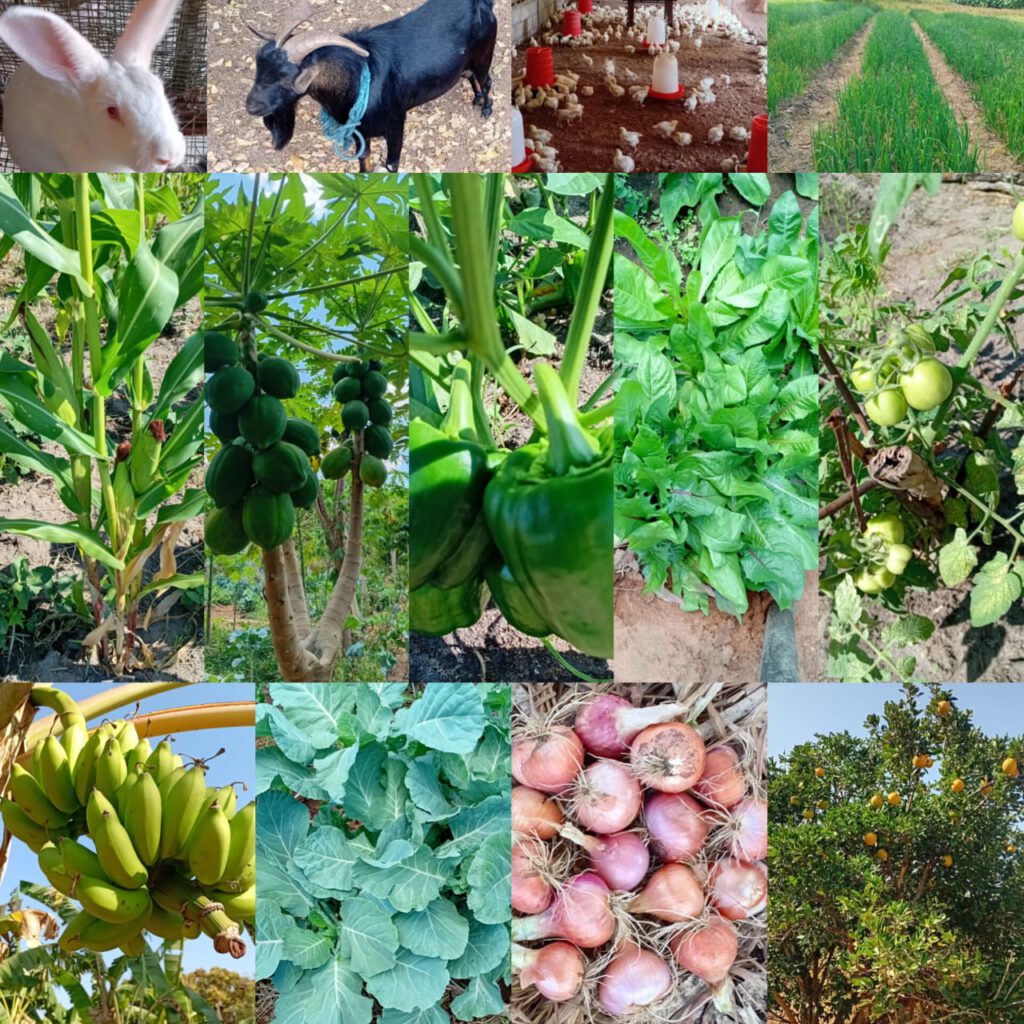
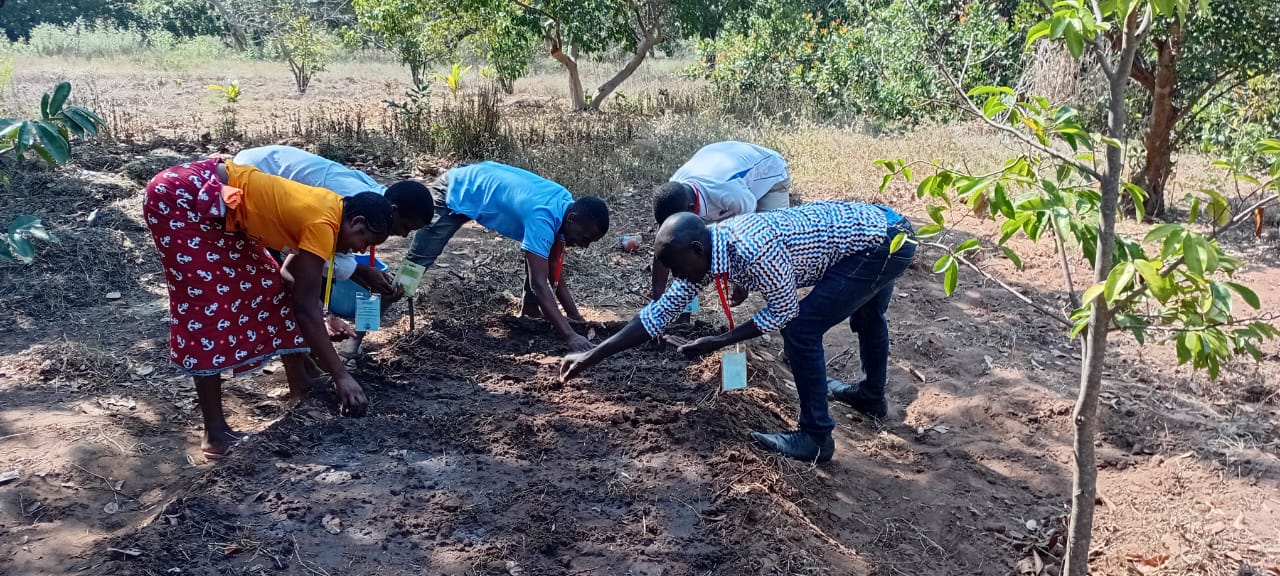
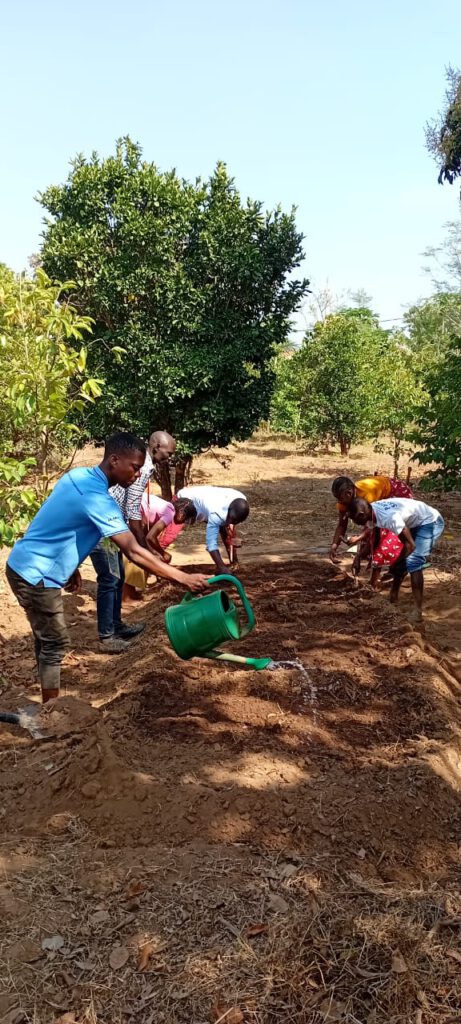
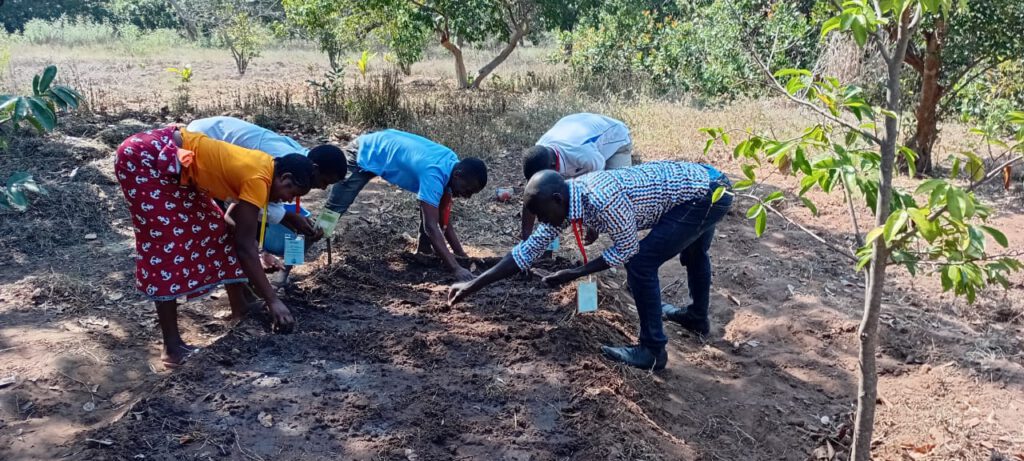
My job here is to coordinate and guide a group of workers in agricultural, horticultural, and animal production so that they can work the land and earn a living for their families.
Here in Anchilo, at the Paulo VI Catechetical Center, production is intended to help feed the leaders who participate in training meetings, as we have two to three, and sometimes even four, training meetings every month (Catechists, Elders, Justice and Peace, Family, Youth, IAM, Mothers, among other ministries).
I am happy to be able to help in this way in the formation of leaders.
When God created the world and gave it to humankind,
He thought of their well-being, not the chaos that man would cause.
He devoted himself with great love to a full life for all.
The earth is a divine gift; without it, there is no life.
We need to change our destiny and transform reality.
We must know that we are responsible for life to continue.
Preserve what God created, reforest the place
Clean rivers and lakes, respect the ocean
Take care of animals and plants and preserve life.
Change our lifestyle, recycle and reuse
Use organic fertilizer and plant our vegetables
Change our agriculture and prevent diseases.
Demand from our authorities public policies to improve
The life of citizens and the place where they live
Have the courage to assume that politics is for working
To improve the lives of people and respect the planet.
This is the awareness that every human being should have
That we are not alone, we were made to live together
Respecting each one, because, no matter how small they may be
They have their usefulness, they have the right to live.
Laudato Si teaches us that it is possible to transform
Pope Francis shows us practices to use
The Encyclical is the path where Christians should find inspiration.
Regimar Costa – LMC Brazil in Mozambique
Este sitio web utiliza cookies para mejorar su experiencia. Si continúa navegando consideramos que acepta el uso de cookies, pero puede optar por lo contrario si lo desea.
This website uses cookies to improve your experience. If you continue to browse we consider you accept the use of cookies, but you can opt-out if you wish. Acepto Puede obtener más información - You may have more information here
Politica y privacidad de Cookies - Privacy & Cookies Policy
Privacy Overview
This website uses cookies to improve your experience while you navigate through the website. Out of these, the cookies that are categorized as necessary are stored on your browser as they are essential for the working of basic functionalities of the website. We also use third-party cookies that help us analyze and understand how you use this website. These cookies will be stored in your browser only with your consent. You also have the option to opt-out of these cookies. But opting out of some of these cookies may affect your browsing experience.
Necessary cookies are absolutely essential for the website to function properly. This category only includes cookies that ensures basic functionalities and security features of the website. These cookies do not store any personal information.
Any cookies that may not be particularly necessary for the website to function and is used specifically to collect user personal data via analytics, ads, other embedded contents are termed as non-necessary cookies. It is mandatory to procure user consent prior to running these cookies on your website.