Comboni Lay Missionaries

One in Christ, United in Mission

LMC Mexico

The spiritual retreat for the CLM is very important; it helps us recognize what God is asking of each of us, it renews us when we need to make corrections in our lives, and it prepares us when we need to make decisions. Our spiritual director, Fr. Filomeno Ceja MCCJ, led the opening and closing of the retreat. He accompanied us through personal conversations; his advice is always spot-on and helps us make decisions both personally and as a group.

Mariana joined us virtually from the mission in Metlatónoc, Guerrero, to greet us; we continue to invite people to join the missionary project. She is very happy; it always brings us joy to see her so happy and increasingly integrated into the service she performs, following the work plan with the parish.
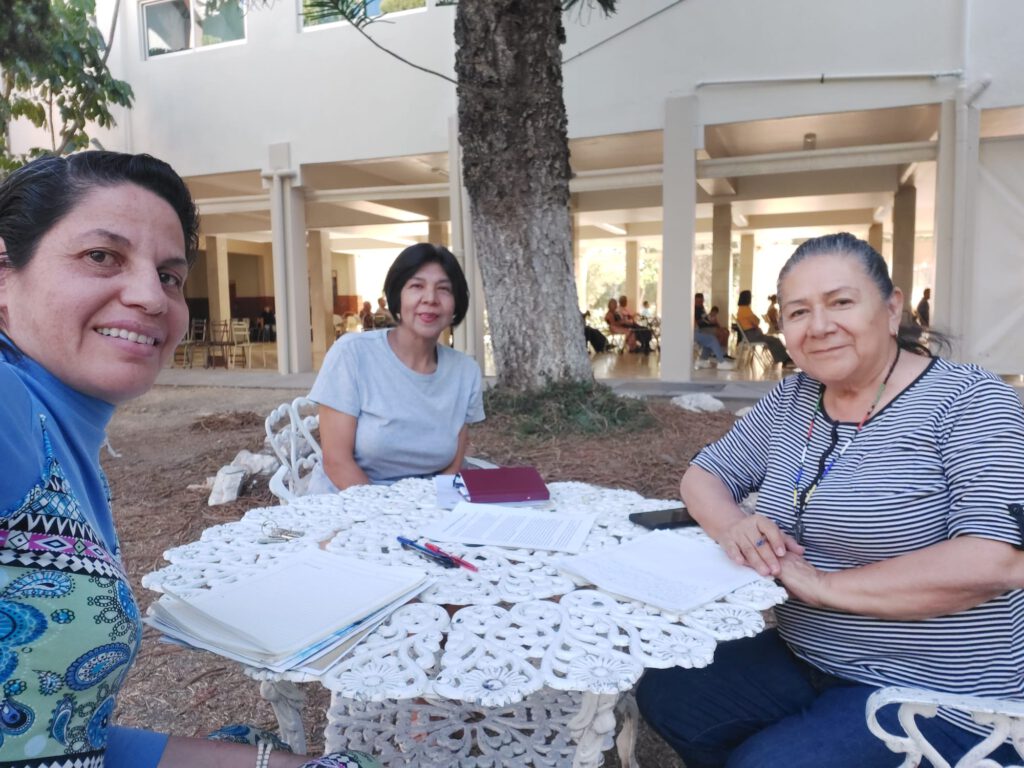
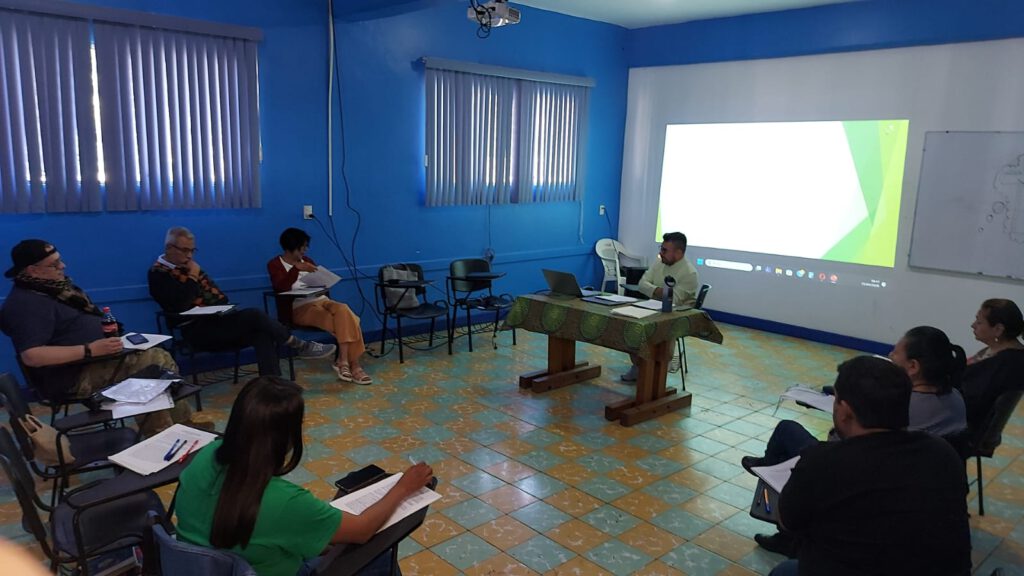
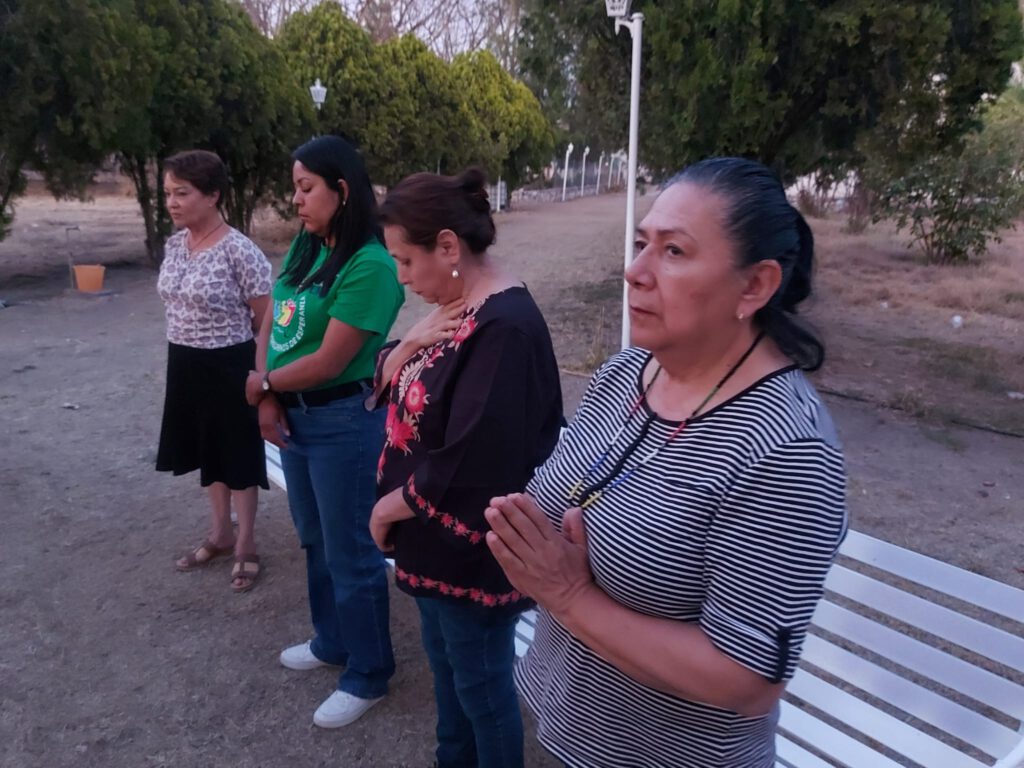
The monthly half-day retreat that we CLM hold in Mexico is very important; it prepares us and helps us better experience our annual three-day retreat, giving us time to be at the source and find God’s grace for ourselves. on this occasion our central theme was Pope Leo XIV’s message for DOMUND 2026, “One in Christ, United in Mission.” Fr. Héctor Manuel Peña MCCJ was the preacher; we had moments of prayer, reflection on the theme, personal reflection, lectio divina, sharing, adoration of the Blessed Sacrament, and the Eucharist, all of which helped us have a personal encounter with God.
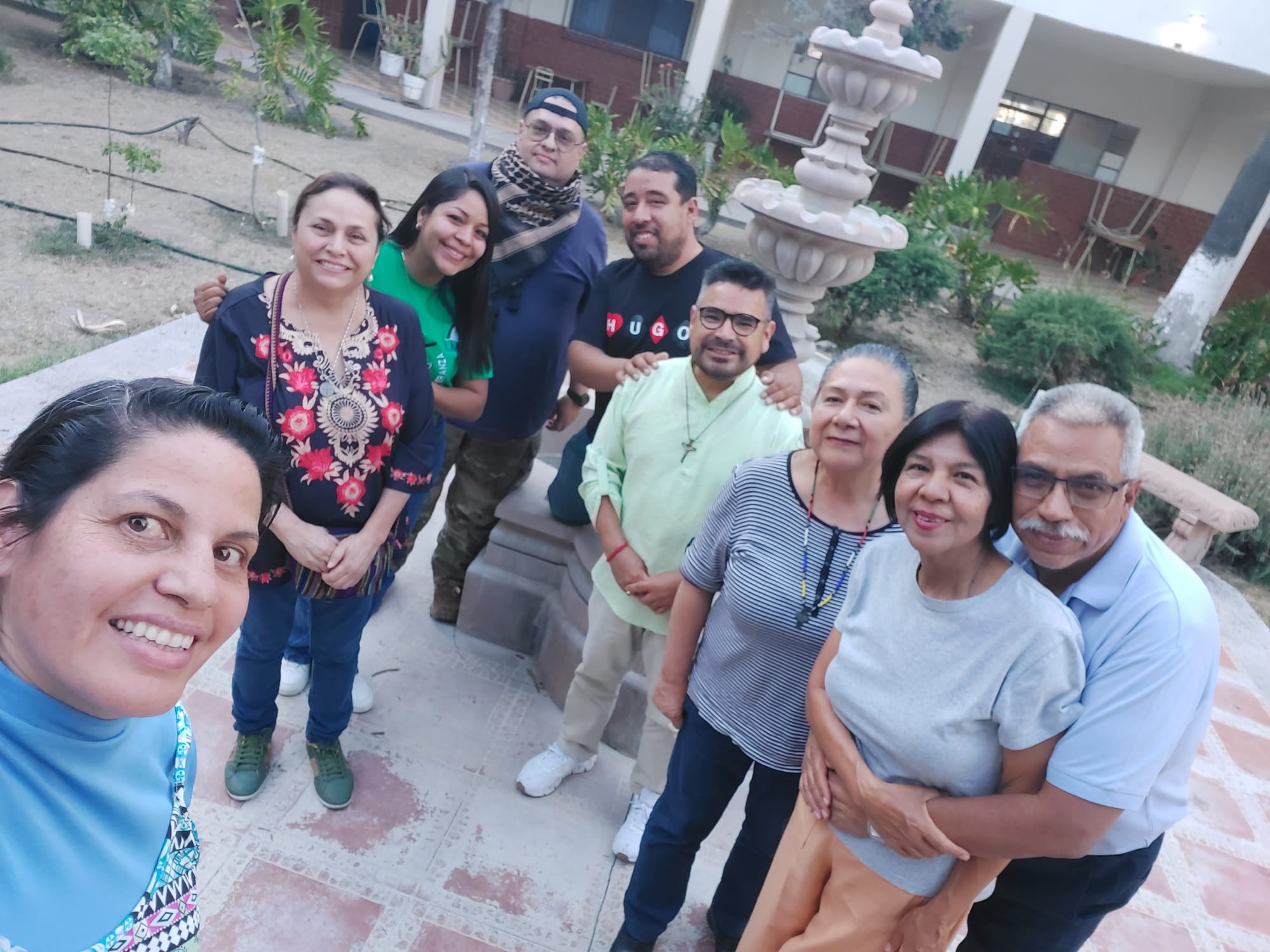
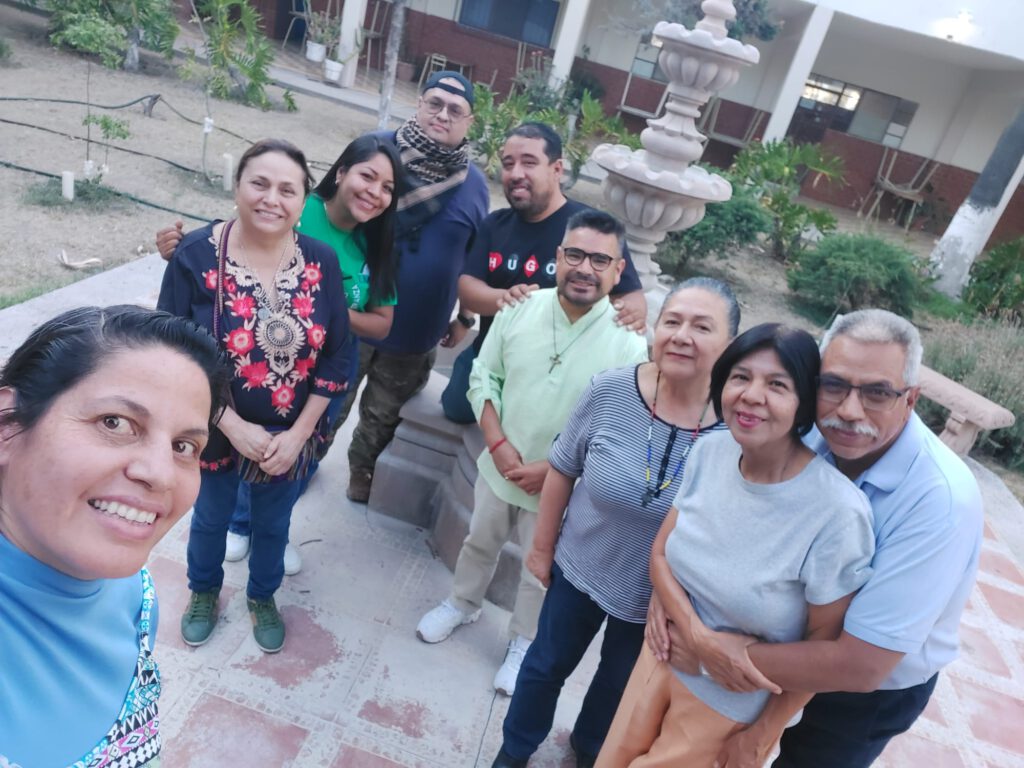
Eight of us were able to attend: Daniel, Alejandra (widow), Cesar, Ana and Florencio (married couple), Hortensia, Adriana, and Beatriz. It has been very interesting to see how each of us is walking this path, the challenges to overcome, and the goal to reach. We regret that some of our companions could not be present due to work and study commitments; we kept them in our prayers, which always unite us.
Florencio and Ana made a one-year commitment to follow the CLM path during Sunday Mass at the San Francisco del Rincón community in Guanajuato; they have pledged to continue doing monthly missionary animation and to support formation. Daniel took on a personal task and will continue his growth within the group; Alejandra will be accompanied as she works through her personal situation; Cesar decided to leave the group; Adriana, Hortensia, and Beatriz will remain on the coordination team.

God continues to challenge us through our lay reality; returning to daily life and making our missionary commitment a living reality is not easy, but we know that “All things are possible for those who strengthen us,” convinced that we will continue moving forward together in our missionary commitment to evangelization.
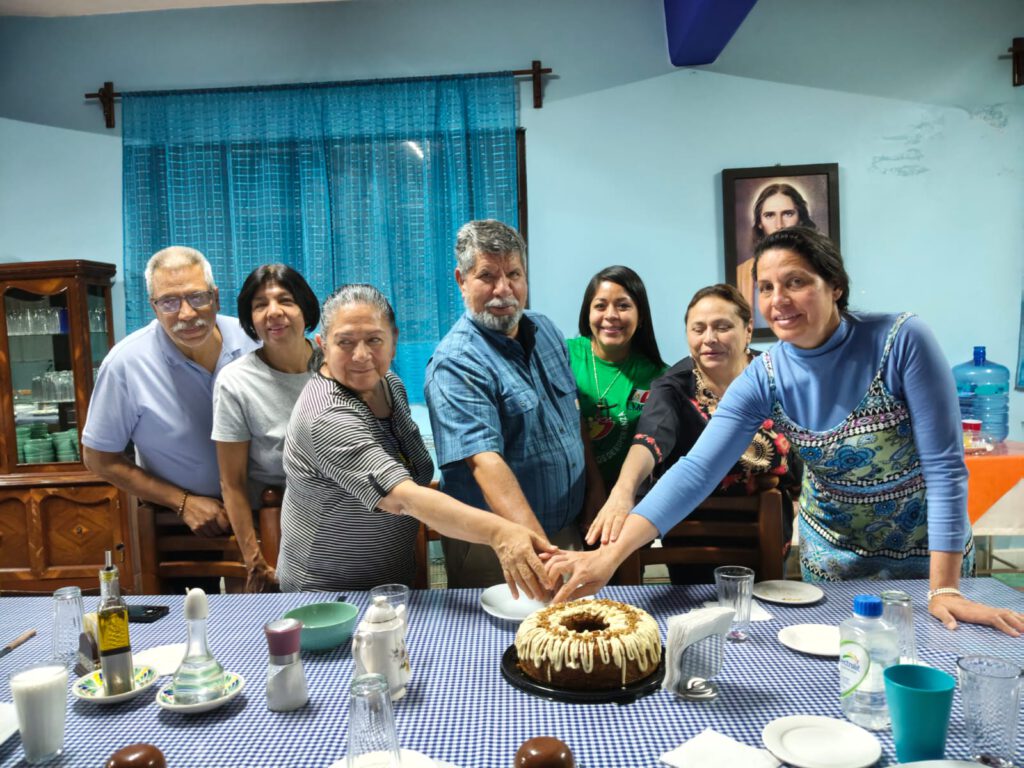
CLM Mexico
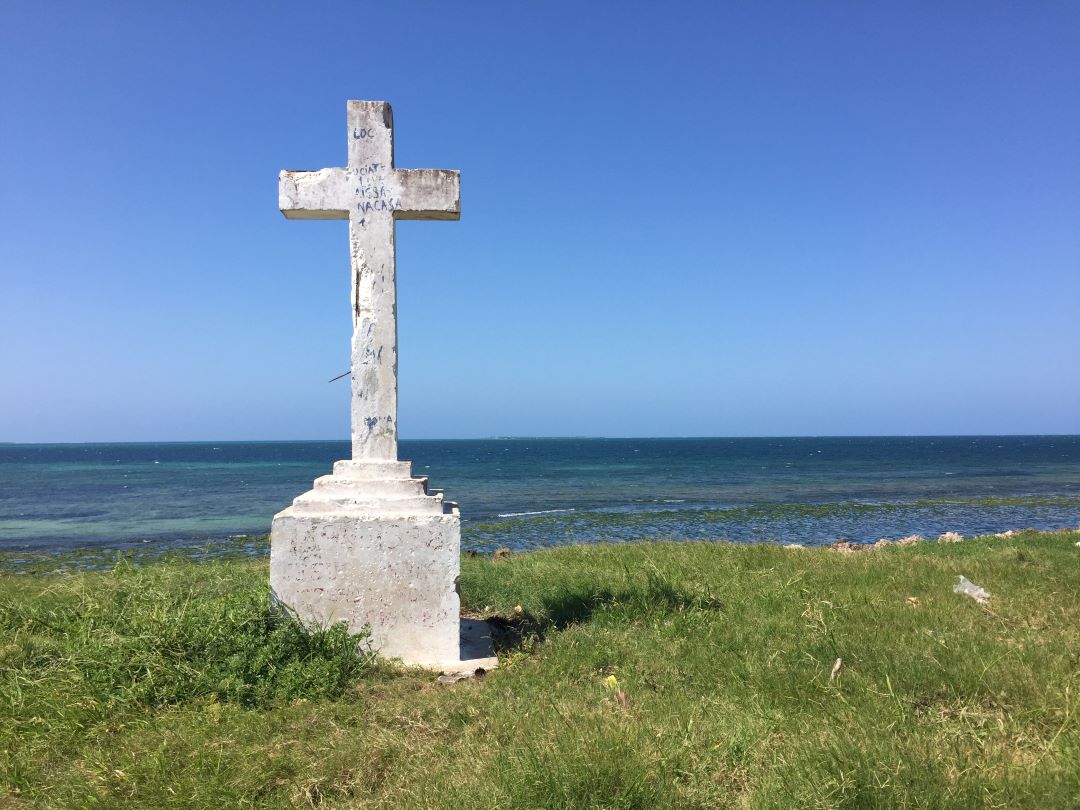
Continuing along the CLM itinerary, reflecting on Integral Ecology

LMC Brasil

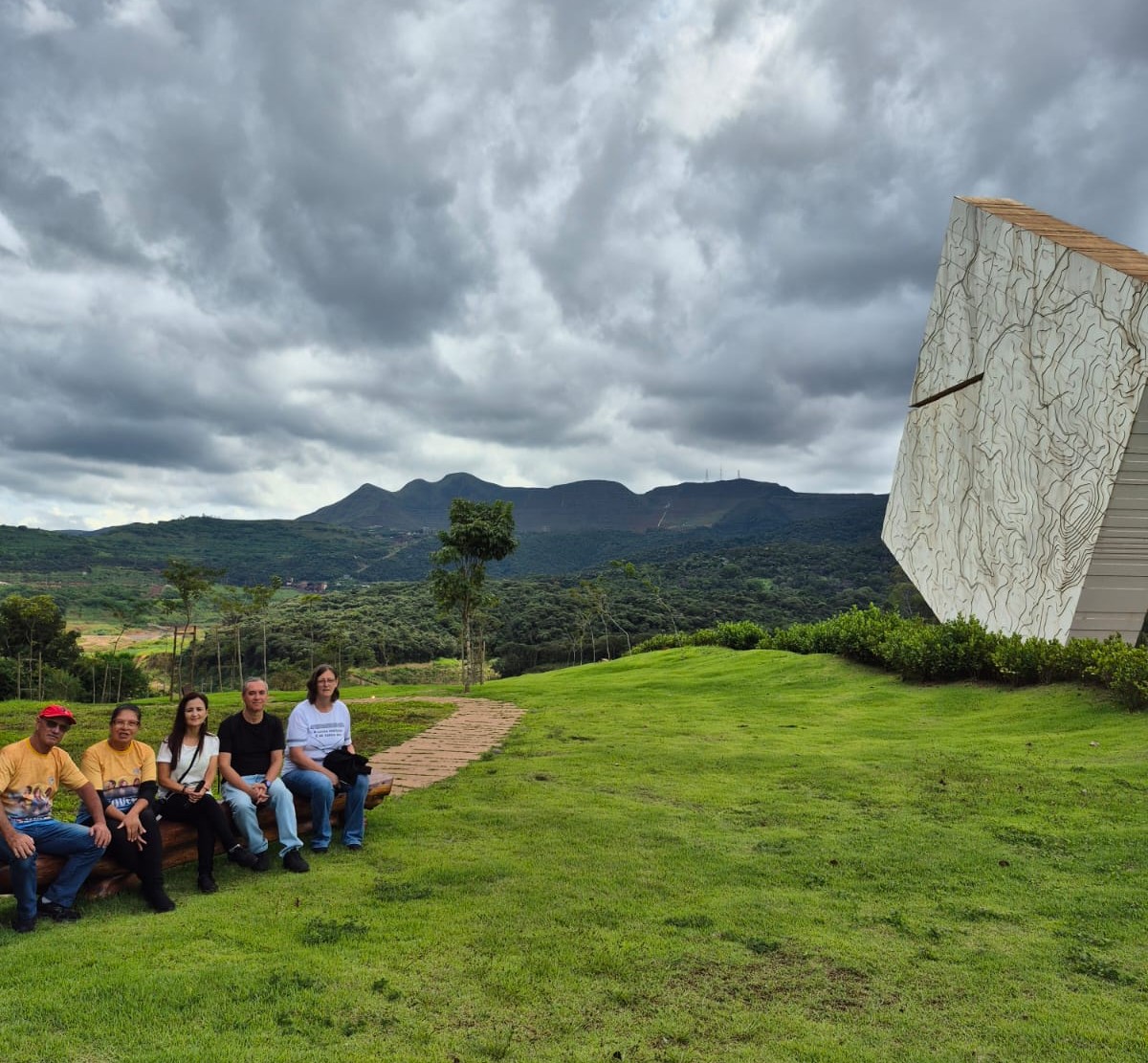
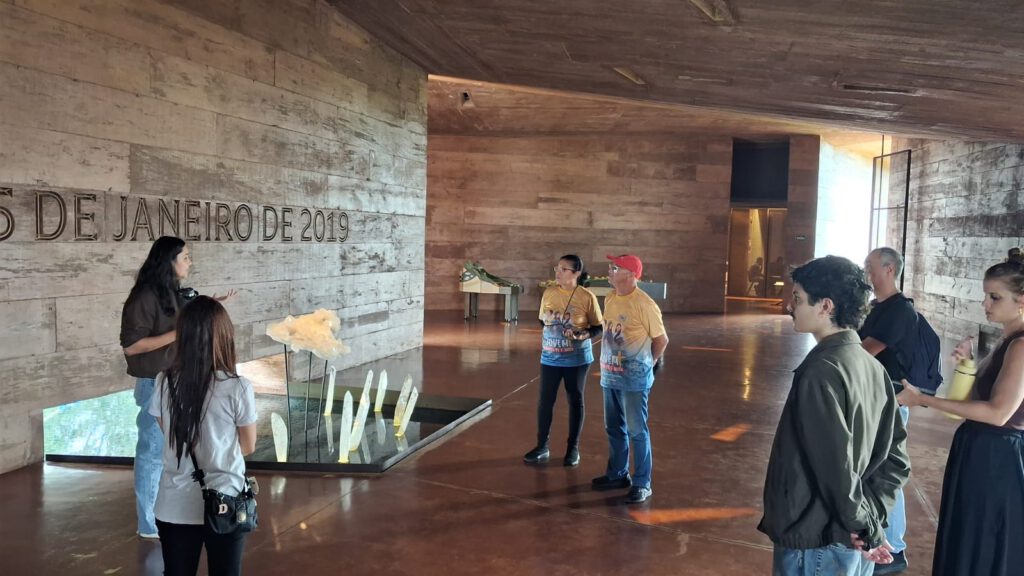
On the Wednesday of Holy Week, we visited the Brumadinho Memorial, a place of remembrance and “a victory for the families of the 272 victims of the Córrego do Feijão mine dam collapse, which occurred on 25 January 2019 in Brumadinho, Minas Gerais”.

This was a visit that made us stop and ask ourselves: “What are we doing to our planet?” We left deeply affected by the history of the place, the trail of destruction left by mining, and the feeling that whilst places may change, the destructive practice of the current model of exploitation remains the same in many places. Affected communities, the loss of lives, the destruction of rivers and entire ecosystems, and a deep sense of impunity.

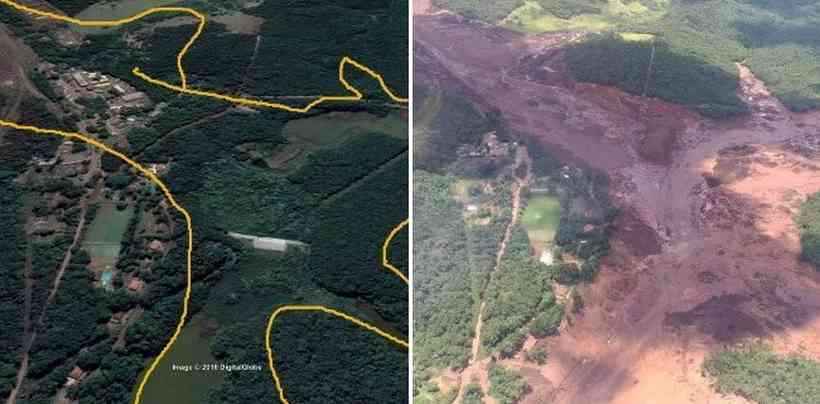
Before and After the Breakup – Source – Correio Braziliense

Everything we saw, heard and felt made us reflect on the need to deepen our understanding of the Spirituality of Integral Ecology, which reconnects us with our common home, with our brothers and sisters, and reminds us that everything is interconnected.

CLM Brazil

The Mission Born of the Incarnation

LMC Brasil
LMC Brasil

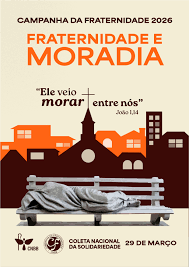
The 2026 Fraternity Campaign invites us to reflect on one of the most profound truths of the Christian faith: “He came to dwell among us” (John 1:14). The prologue of John’s Gospel reveals the heart of the mystery of the Incarnation. God did not remain distant from human reality. The Word became flesh, took on our condition, entered history, and chose to dwell in the midst of humanity. He did not come as a passing visitor, but as one who decided to share the life, the sufferings, and the hopes of his people.

The Incarnation is, therefore, God’s great gesture of closeness. In Jesus, God draws near to wounded humanity, especially to those living on the margins: the poor, the excluded, and those forgotten by society. Christ is born into a simple reality, grows up among the little ones, walks with those who suffer, and proclaims a Kingdom where the least are placed at the center. This logic of the Gospel breaks with the mentality of power and indifference, and reveals a God who chooses closeness, compassion, and service.

This perspective deeply illuminates Comboni missionary spirituality. Inspired by St. Daniel Comboni, the missionaries are called to make the same movement as Jesus: to go out to meet, to live among, and to walk alongside the poorest. Comboni understood that mission does not take place from a position of superiority or distance, but through the concrete sharing of life with those most in need. His missionary dream was clear: to save Africa with Africa itself, valuing the peoples, their cultures, and their dignity.

Within this logic, Comboni lay missionaries play an essential role. They bear witness that mission is not exclusive to religious or priests, but is a vocation of the entire People of God. The lay missionary is one who, immersed in daily life—at work, in the family, in the community—becomes a living presence of the Gospel. He embraces mission as a way of life, bringing the presence of Christ to places where the institutional Church often cannot reach.

The Incarnation teaches us that God does not transform the world from a distance. He commits himself to human reality. In the same way, Comboni lay missionaries are called to dwell in the existential peripheries, to draw near to the sufferings of humanity, and to build concrete signs of hope. Being with the poor is not merely an act of social solidarity, but a profound dimension of the Christian faith. In the faces of the poor and vulnerable, we encounter Christ himself, who continues to challenge us.

In this sense, the theme of the 2026 Fraternity Campaign, “He came to dwell among us,” also becomes an invitation to every Christian: to allow Christ to continue dwelling in the world through our actions. When we draw near to those who suffer, when we share life with the forgotten, when we fight so that all may have dignity, we are extending God’s presence in the midst of humanity.

For where life is defended, where dignity is restored, and where the poor are welcomed, there God continues to dwell among us.

Valdeci Antônio Ferreira – CLM Brazil

Called to Be a Cenacle of Apostles

LMC Brasil

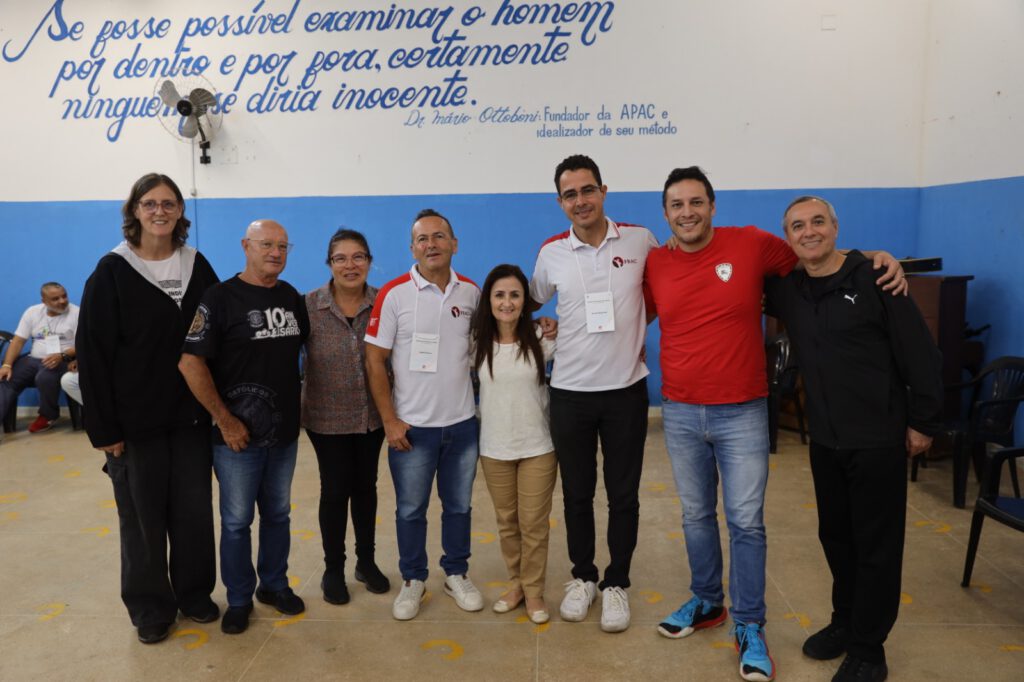
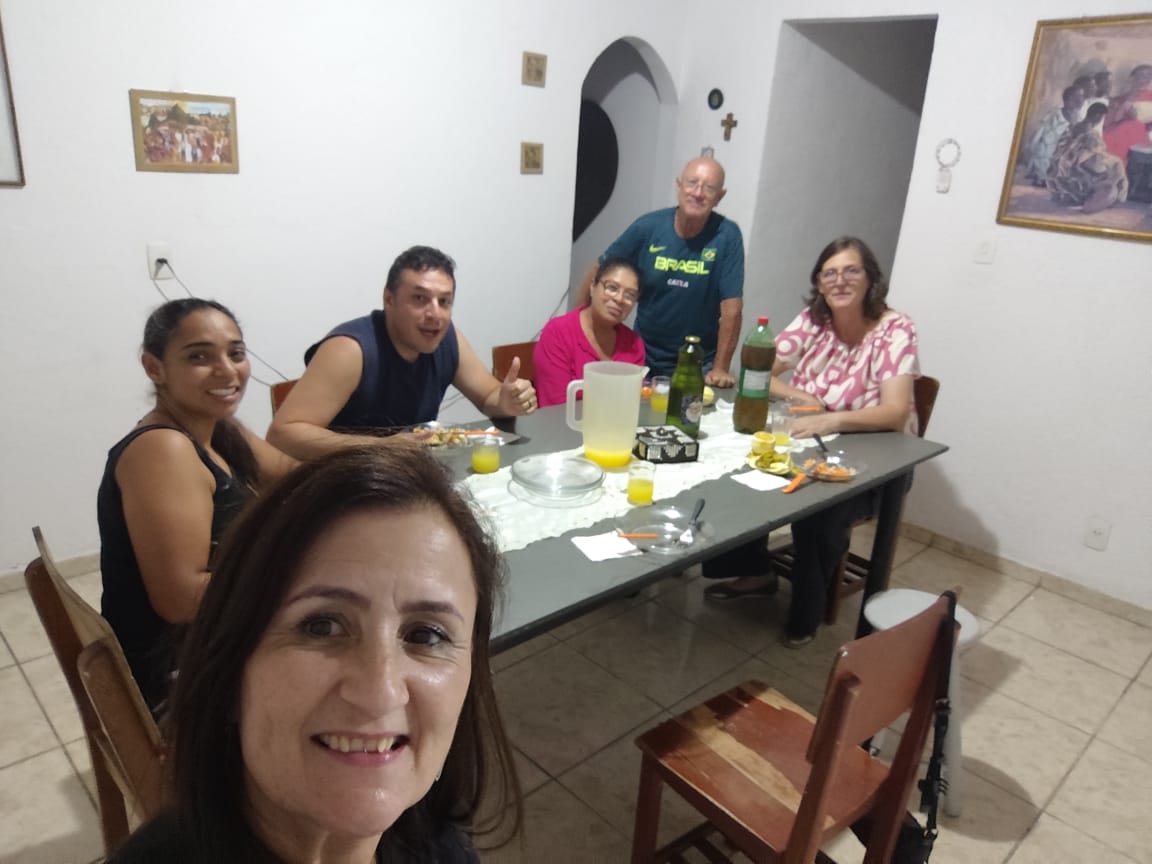
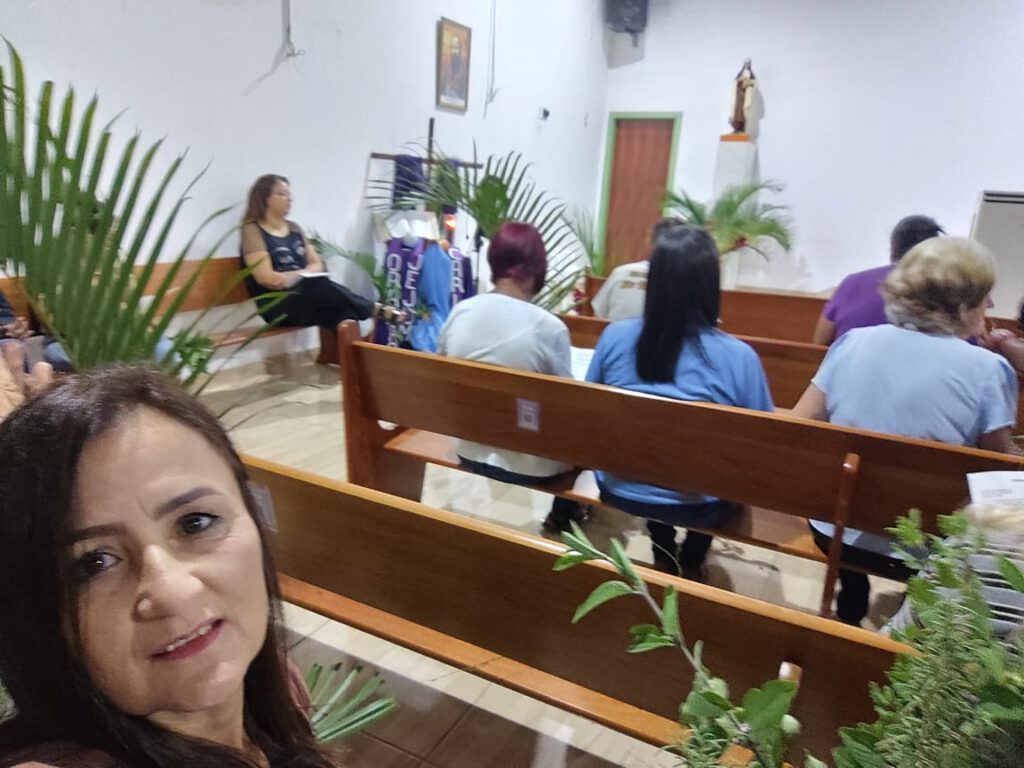
On the Saturday before Palm Sunday, we arrived at the Santa Terezinha Mission House of the Comboni Lay Missionaries, a missionary presence in the Ipê Amarelo neighborhood of Contagem, in the state of Minas Gerais, where we were welcomed by Ana Cris, Alejandro, and their family, Comboni Lay Missionaries from Guatemala.

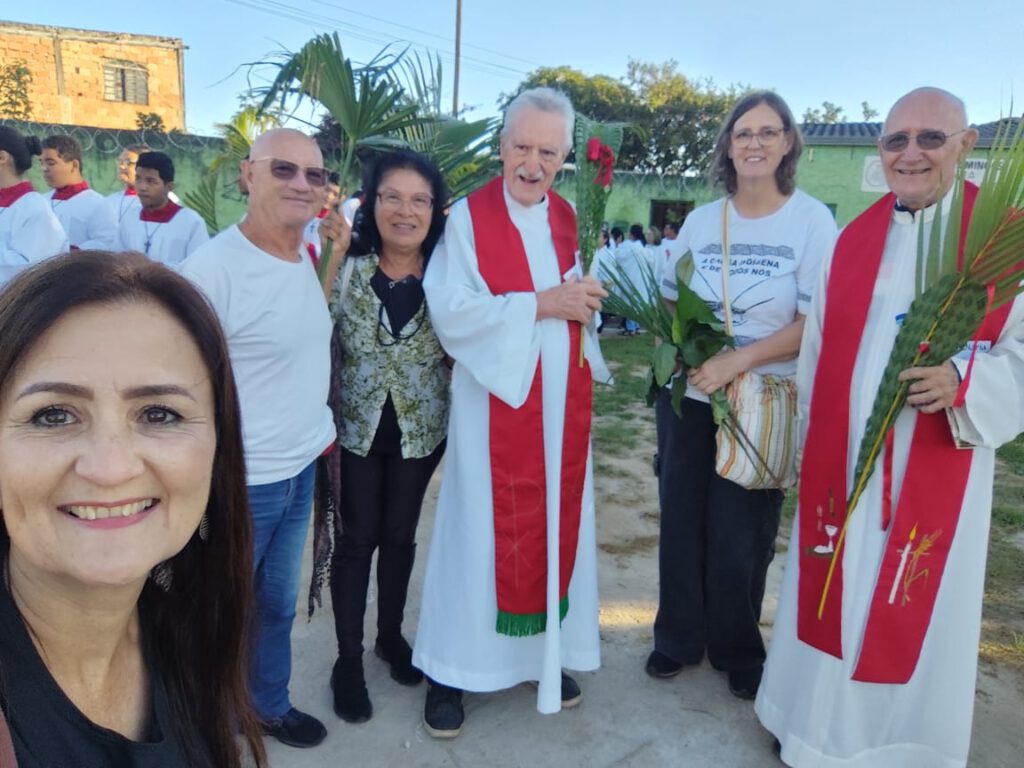
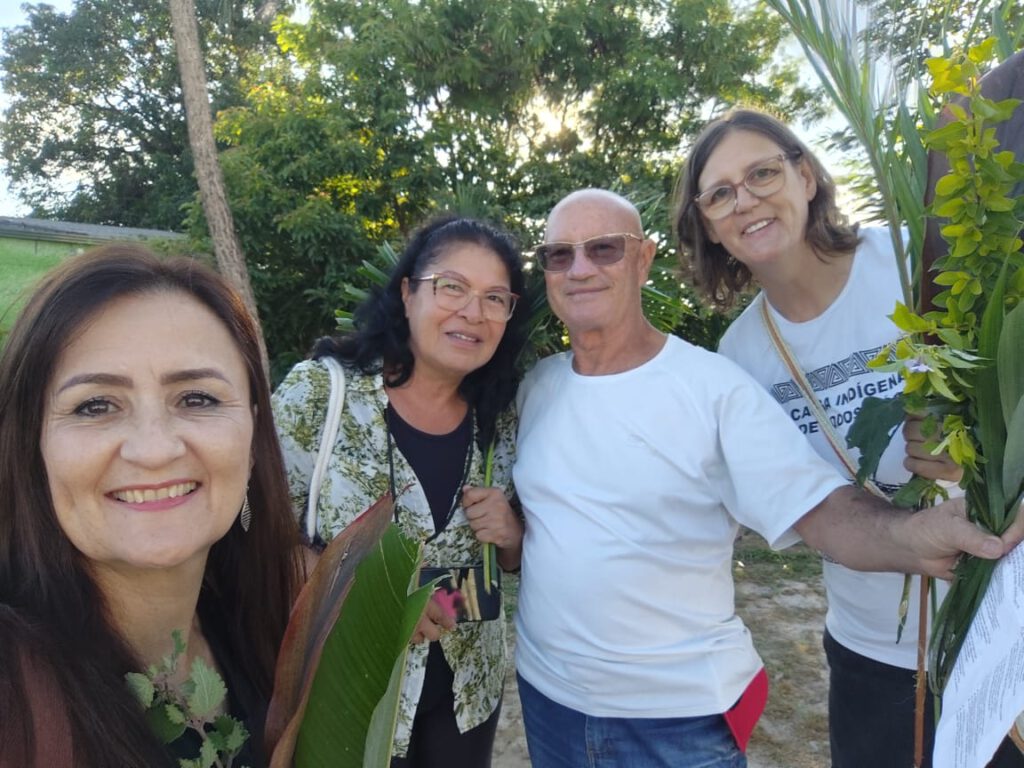
The following day, we began our in-person formation session with the Palm Sunday procession, starting from the Nossa Senhora Aparecida community in Ipê Amarelo and proceeding to the São Judas community (about 2.5 km away), where Mass was celebrated, bringing together all 10 communities of the São Domingos de Gusmão Parish.

We gathered as Comboni Family, welcomed by the Mccj community present in the region, learning a bit more about the region’s history and the Comboni presence, and renewing old friendships.

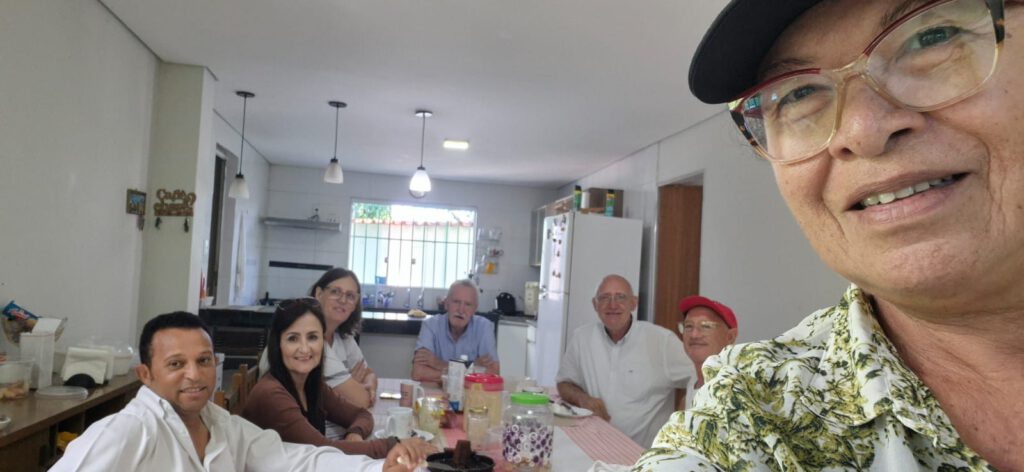
Another memorable moment was gathering at the Comboni Justice and Peace House to meet with the Comboni Spirituality Group (GEC), and following a prayer session beautifully led by members of the GEC Contagem, we shared our lives and missionary experiences, both here and beyond borders, for, from the moment of our baptism, we are all missionaries and called to act at the frontiers where we are.

Fr. Rafael reminded us that “from the dimension of mission rooted in the Comboni charism, we rediscover the need to be true communities”—to work together in the spirit of the Cenacle of the Apostles, the Comboni identity of serving in a mission.

Because we love one another

Comboni had Christ in his heart and saw Christ in other countries.

May we love the mission, the poorest, and be steadfast in the call God has for each of us: to live united and happy.

CLM 2026/2027 Itinerary Group