Comboni Lay Missionaries

We continue the mission

Mozambique

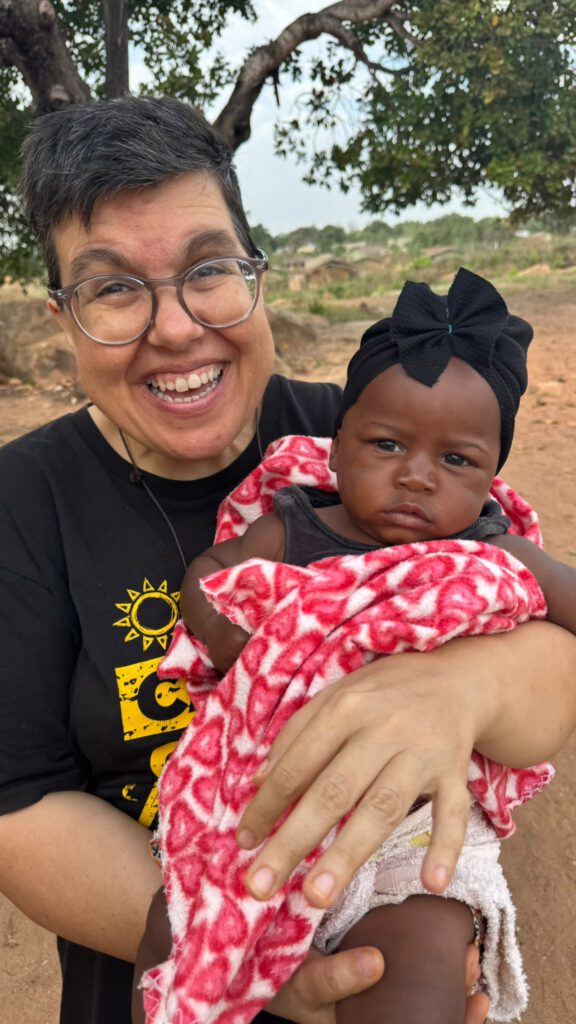
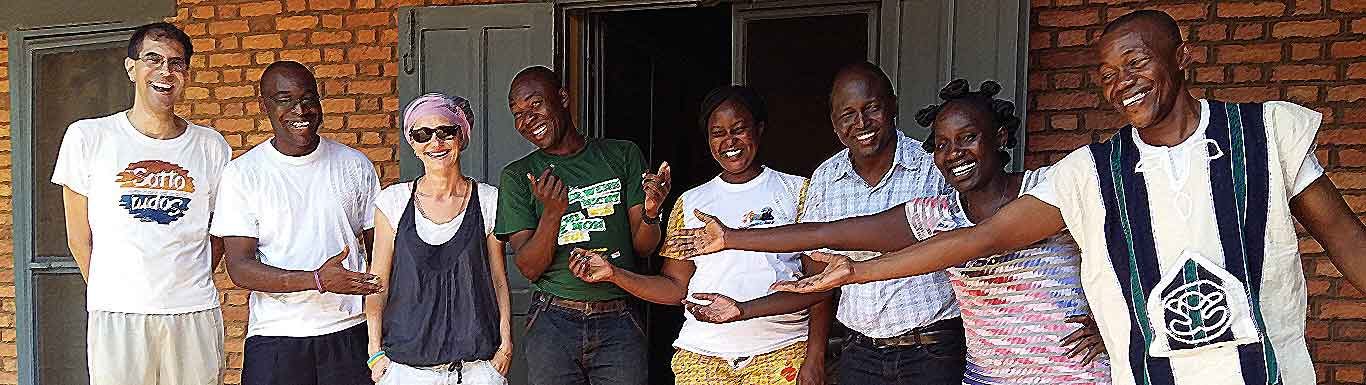
Hello to all of you—friends, family, and benefactors.

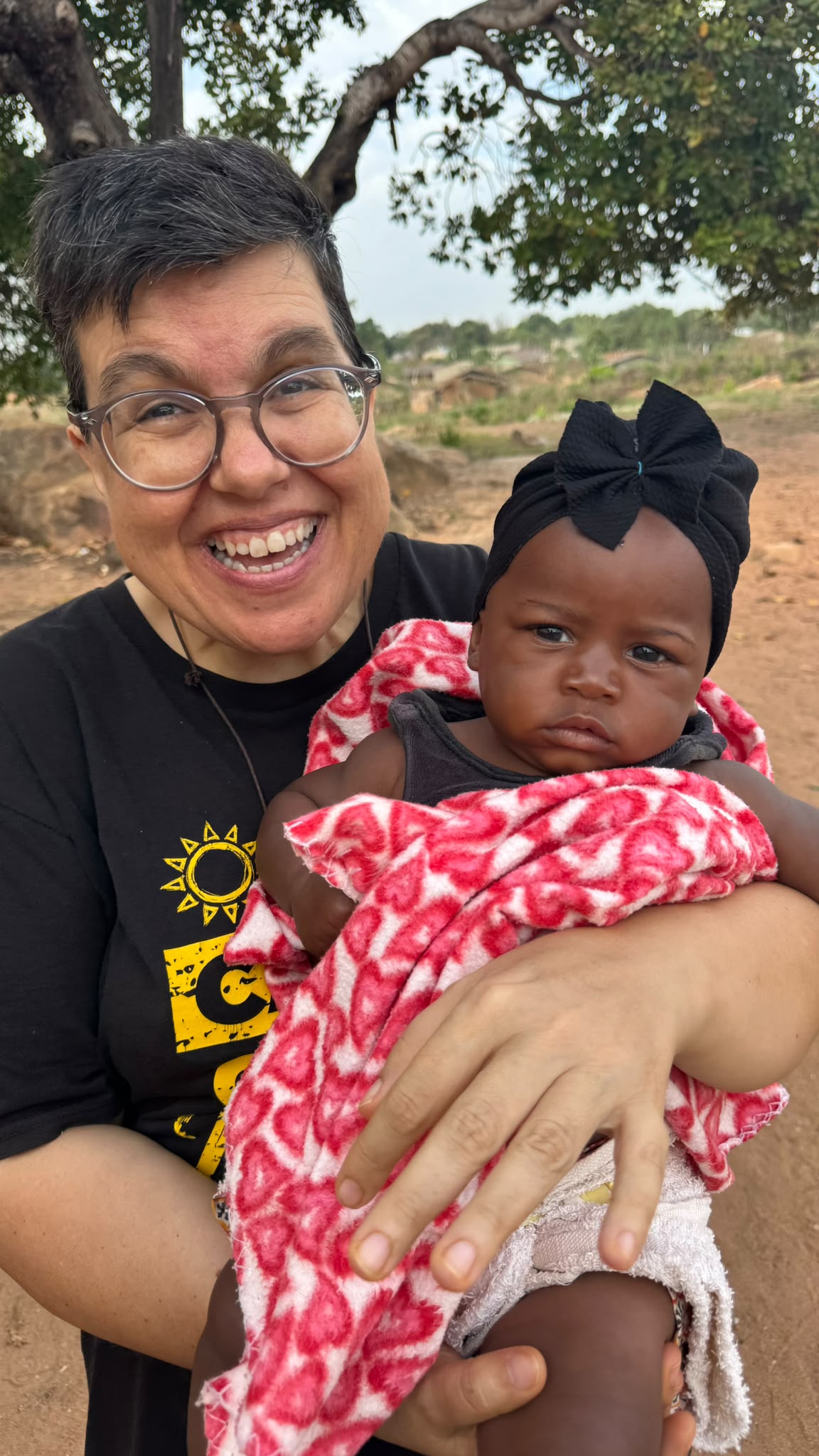
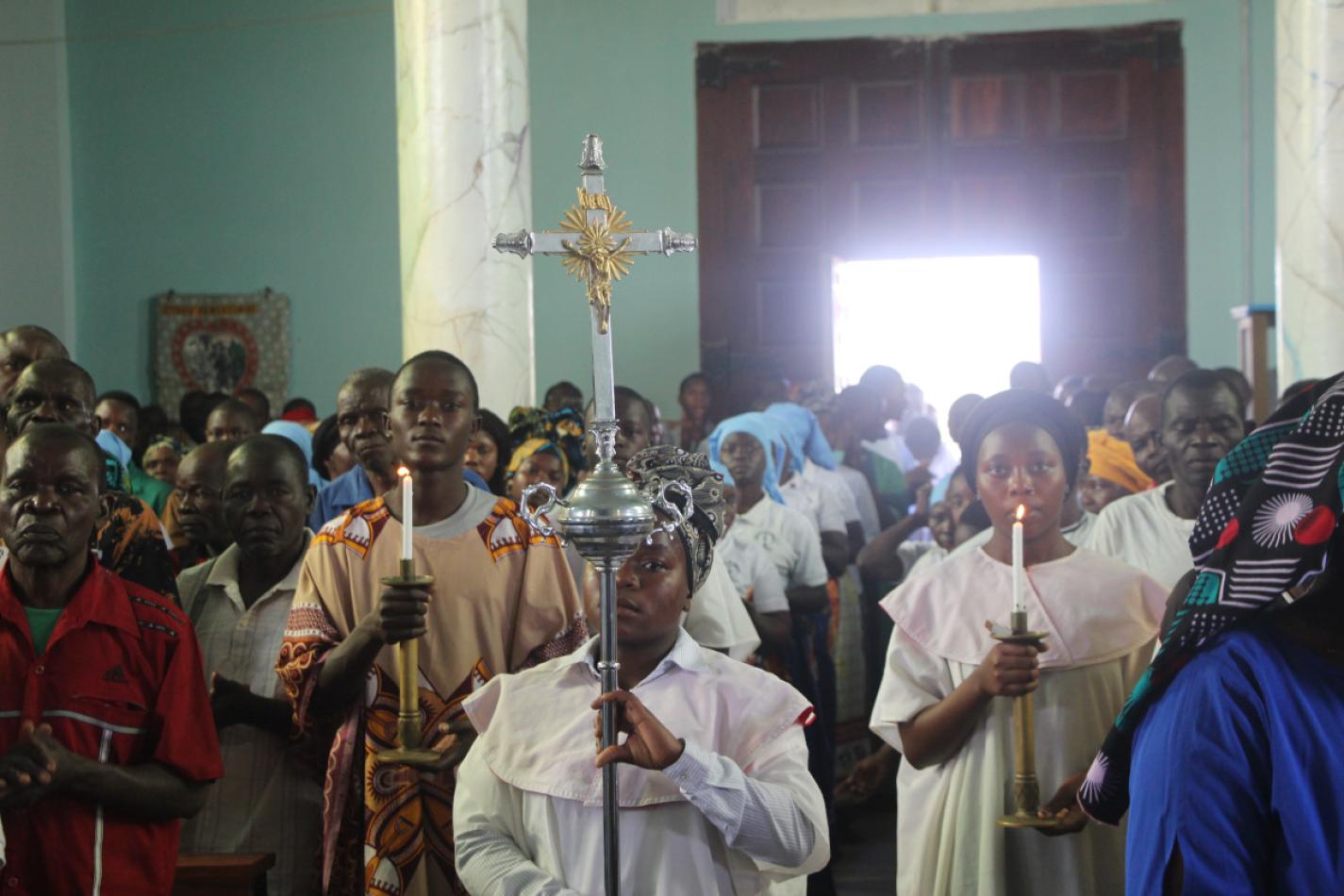
We’ve been back for almost two months now, after a very brief stop in Italy, and the mission has kept us busy with our usual activities as well as with an extraordinary event: the celebration of the 80th anniversary of the Comboni Missionaries’ presence here in Mozambique. We put a lot of effort into making this day happen and sharing it with so many people.

We’re continuing to contribute our efforts and your support in various pastoral and social areas, always striving to heed the promptings of the Holy Spirit so we can walk among the Macua people with purpose and love.

In the meantime, we send you a warm hug, and as soon as we can, we’ll send more detailed information. Have a blessed start to the Missionary Month, and thank you for continuing to remember us in your prayers. With respect and gratitude, a huge hug

Ilaria and Federica from Mozambique

The mission is carried out through walking

CFR Brasil

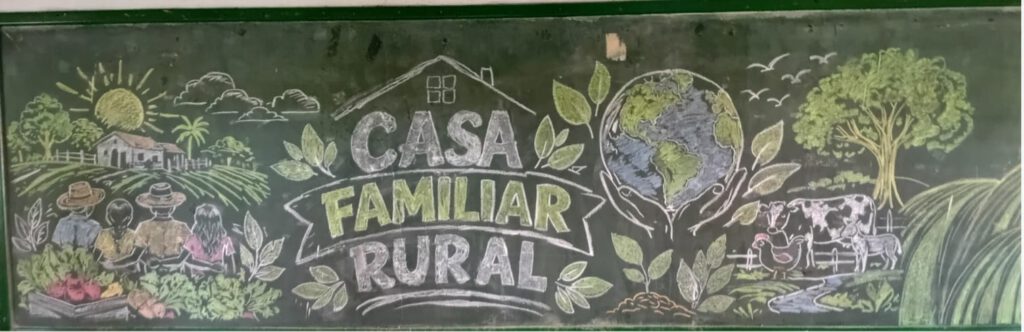
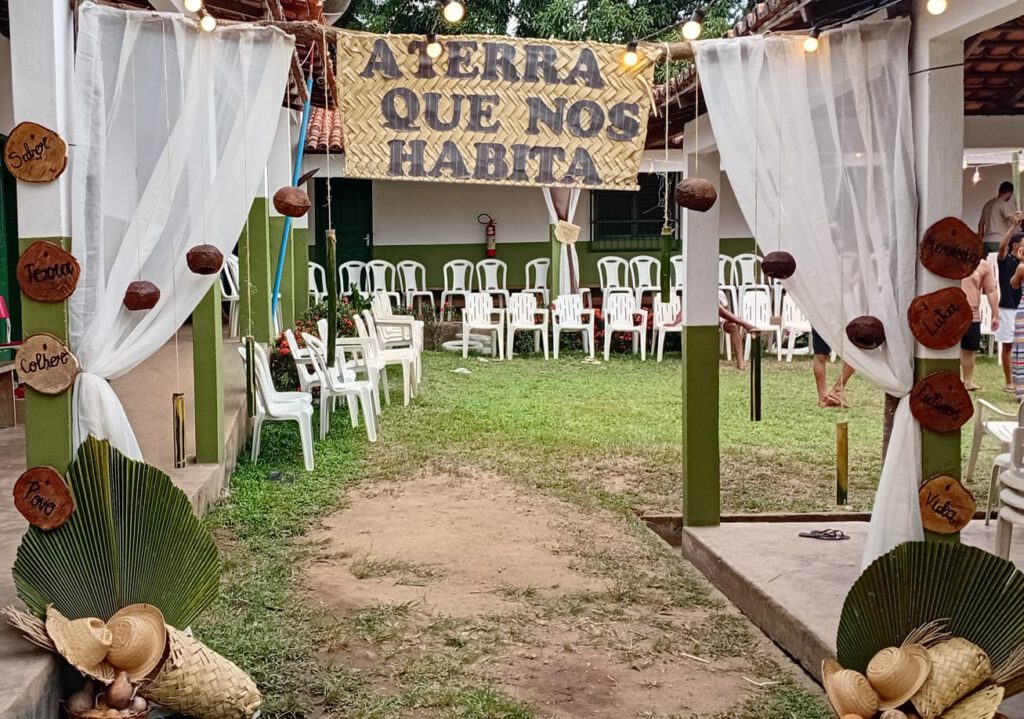
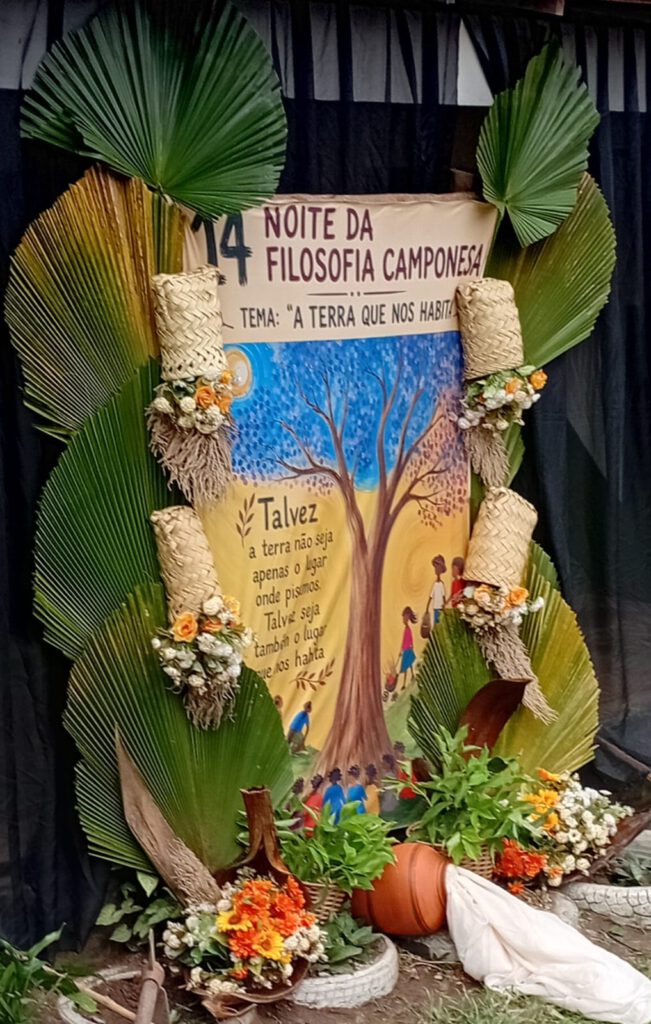
Evening of Peasant Philosophy

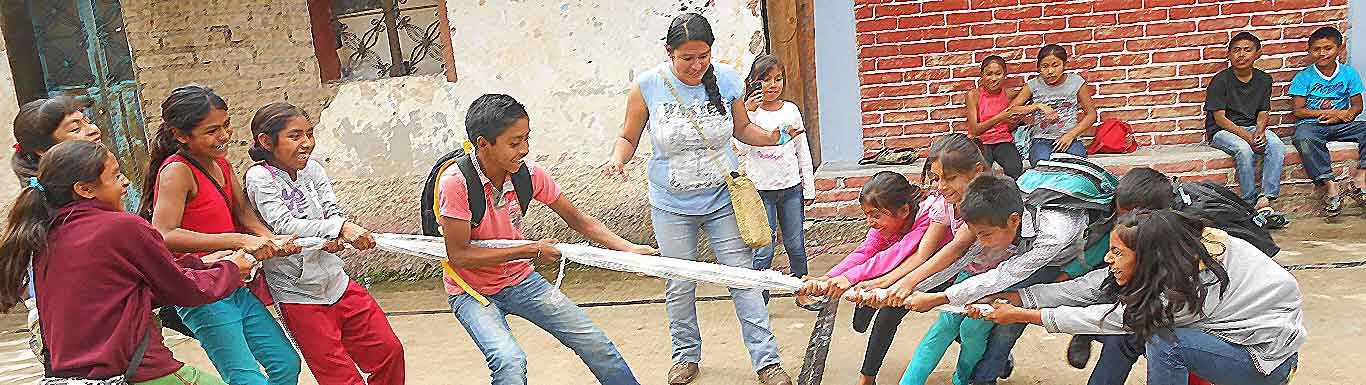
It took place on September 25, 2026, at the Rural Family School (CFR) in Piquiá, Açailândia, Maranhão. Coordinated by the Comboni Lay Missionaries, the Evening of Peasant Philosophy had the theme: THE EARTH THAT HABITS US.

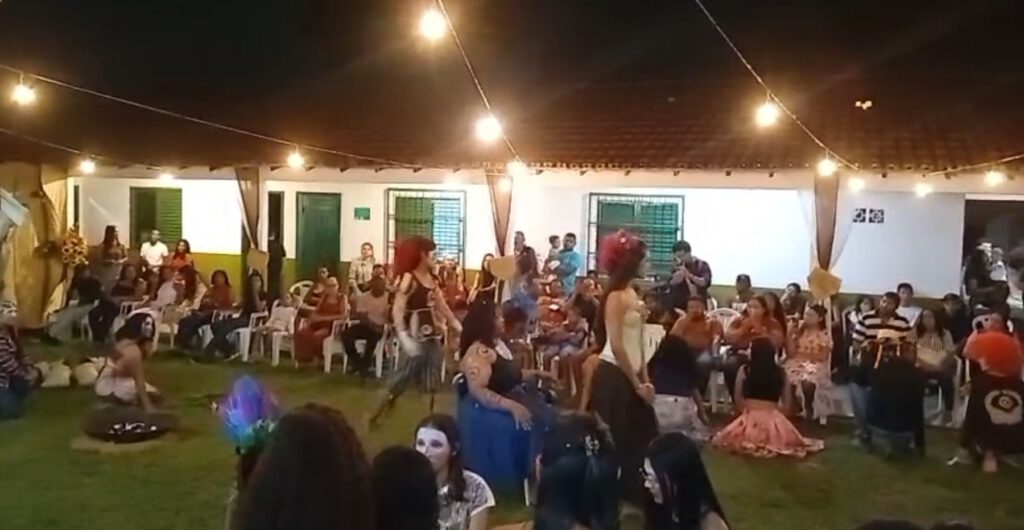
All students, family members, settlement groups from the region, and guests were in attendance.

There was a profound reflection on the theme, featuring speeches, poetry, and outstanding performances by the students and groups present at the event.

Certificates were also awarded to the graduating class who completed their studies in 2025 and are now part of the workforce.

To conclude the evening, there was a lively gathering among the coordinators, students, family members, and everyone present for this great moment of reflection on Mother Earth.

The CLM Community of Piquiá consists of two couples: Xoancar and Dida, and Tito and Regimar.

Comboni Bishops: “It is from the heart that mission is born”

Obispos combonianos

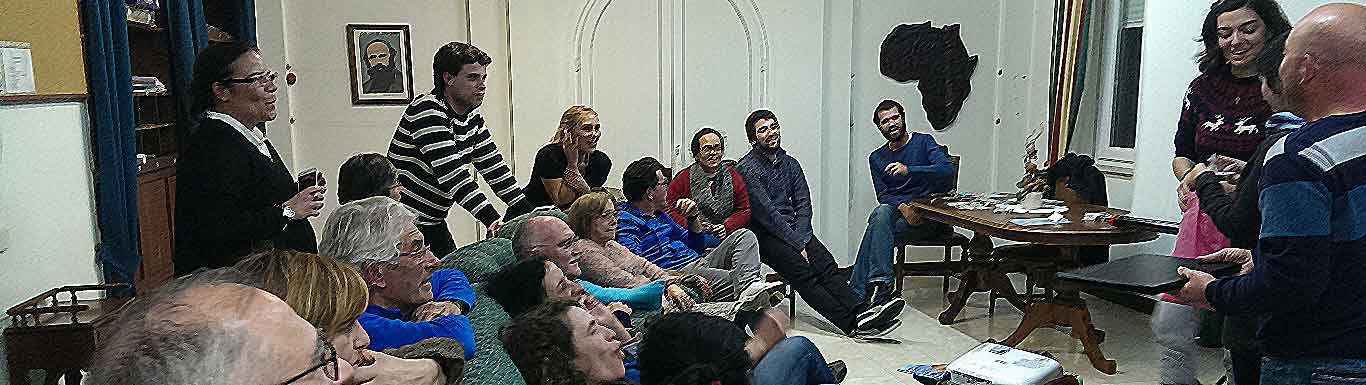
Sixteen of the 23 Comboni bishops serving the local Churches in Africa and Latin America met in Rome from September 16 to 21 for a meeting of formation and sharing, also leaving a message for the Comboni Family at this time of reconfiguration.

MESSAGE OF THE COMBONIAN BISHOPS TO THE COMBONIAN FAMILY

“When he saw the crowds, he felt compassion for them” Mt 9:36

Dear brothers and sisters,

we, the Comboni bishops, met at the General House of the Comboni Missionaries of the Heart of Jesus for a moment of ongoing formation and sharing. With this letter, we wish first of all to express our deep gratitude for this opportunity to meet and for the welcome we received at the General House. Being here, in the house that preserves the memory and journey of the Institute, allows us to share not only an institutional moment, but above all a Comboni fraternity that springs from the same missionary calling.

We wish to give thanks for the gift of missionary vocation in our Institutes, for the service that so many brothers and sisters offer to the Church on the different continents and, above all, for the witness of so many missionaries who, often in silence and in difficult situations, continue to live the charisma of Comboni faithfully, participating in the mission of Christ wherever the Church is called to be a presence, listening, reconciliation and hope.

We would like to share with you a word that seems particularly important to us at this moment in the life of our Institutes and the mission: the heart. Pope Francis, in Dilexit nos, invited us to return to the heart. Not as an inward-looking refuge, but as the place where the person rediscovers his or her unity, recognizes what truly matters and opens himself or herself to the encounter with God and with others. Pope Leo, with Dilexi te, has deepened this theme by speaking of the need to love the poor. Today, as always, the world needs a Church that sets no limits to love, that knows no enemies to fight but only men and women to love (DT 120). Love for the poor is the evangelical hallmark of a Church faithful to the heart of God (DT 103).

It is from the heart that mission is born. And perhaps precisely here lies one of the deepest challenges we face today: renewing mission means, first of all, allowing our hearts to be renewed. In a time of epochal change, our Institutes too are undergoing profound transformations and feel the need to rethink structures and ways of operating. Mission calls us to make courageous choices. But every reorganization acquires its true meaning when it arises from listening to God’s call and remains oriented towards the good of the mission, without ever losing sight of the good of each person.

For this reason, we must not simply ask ourselves: how can we continue to do what we have always done with fewer people and fewer resources? The deeper question is: what is the Holy Spirit asking of the Comboni charism today? What new form of mission? What renewed understanding of our way of being Church? Which structures are truly at the service of the Gospel and which, instead, risk becoming ends in themselves? The reorganization of our Institutes is therefore a necessary journey to be undertaken without fear and can also become a grace: an opportunity to return to what is essential and to allow the charism received from Comboni to find new forms, suited to the realities in which we are called to live today. We hope that this journey will take place in a spirit of synodality, through a renewed relationship between the local Churches and the Institutes of consecrated life, between priests and lay people, women and men, the elderly and the young.

Mission is participation in the mission of Christ. And a missionary Church is a Church that does not live for itself, but for others. For this reason, we need a renewed understanding of our way of being Church. We cannot proclaim reconciliation if our communities do not become places of reconciliation. We cannot speak of peace if we do not learn to preserve peace in our relationships. We cannot proclaim fraternity to a divided world if we ourselves do not become brothers capable of listening to one another, forgiving one another and supporting one another.

For this reason, we would also like to renew together an appeal for peace, disarmament and reconciliation. We live in a world marked by wars, violence, rearmament, polarisation and fear. In many of the places where missionaries are present, populations carry in their bodies and memories the wounds of conflicts. As a Church, we cannot resign ourselves to the logic of violence. And we missionaries are called to be artisans of peace. Disarmament concerns not only political and international decisions: it also calls for conversion of the heart and fosters a non-violent and peaceful disposition in relationships. It means disarming our hands, but also our words, judgments, fears and mistrust. A reconciled mission can become a seed of reconciliation.

During our meeting, we encountered another word that seems decisive to us: care. Care for ourselves, for our brother, for the ecclesial communities to which we are sent, together with care for our common home. Care is neither weakness nor withdrawal into ourselves, but loving attention to life. We are aware that care is an essential part of the ministry of a bishop; therefore, we ask the Lord for the wisdom and sensitivity necessary to be welcoming fathers and companions on the journey of our communities. The Church also needs missionaries who know how to care for their spiritual life, their humanity, their formation, the deepening of Comboni spirituality, their health, their relationships and their vocation. A missionary who does not care for himself risks, over time, losing the ability to care for others. We need to build communities in which everyone can feel welcomed, listened to and accompanied. We need to learn once again that our brother is not an obstacle to mission: he is part of the mission itself. And we need to care for creation, because in the beauty of the earth we can still recognise something of the beauty of God’s love.

Dear brothers and sisters, looking at the world with the heart of Christ, we no longer see merely problems to be solved, but people to love, communities to accompany in faith, wounds to bind up, and beauty to preserve. The times in which we live are not easy, but if our heart remains aflame with the love of Christ, then, even in our poverty, we will be hope for the world. Let us therefore ask the Lord to renew in us the missionary heart of Comboni. A heart capable of seeing, listening, making common cause with those who suffer and with those who rejoice, sharing their wounds and their hopes.

We assure you of our prayers and ask you to pray for us too, so that together we may serve the People of God with humility and courage.

The Comboni Bishops

CLM: From collaboration to co-responsibility in mission

Asamblea Italia 2026

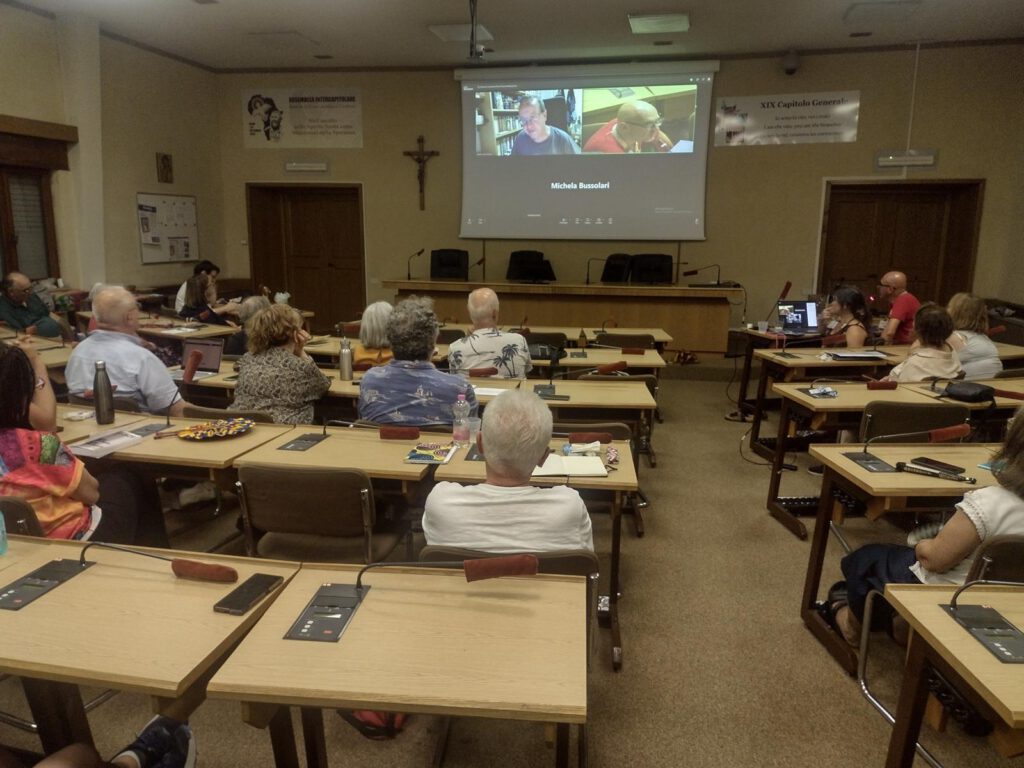
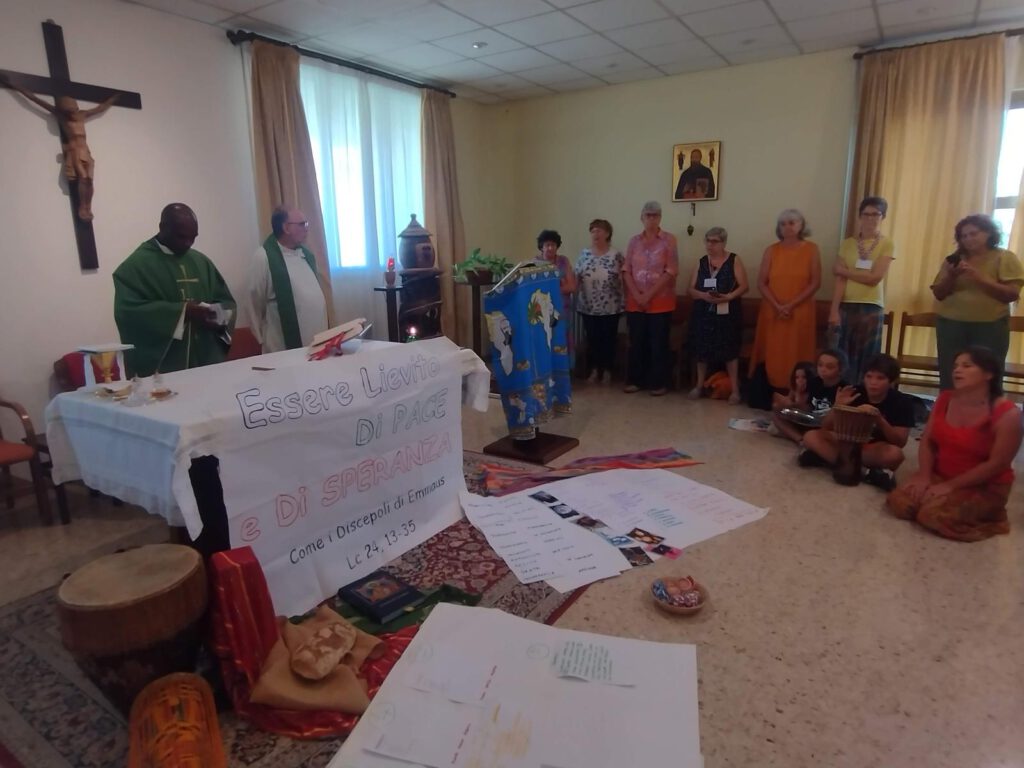
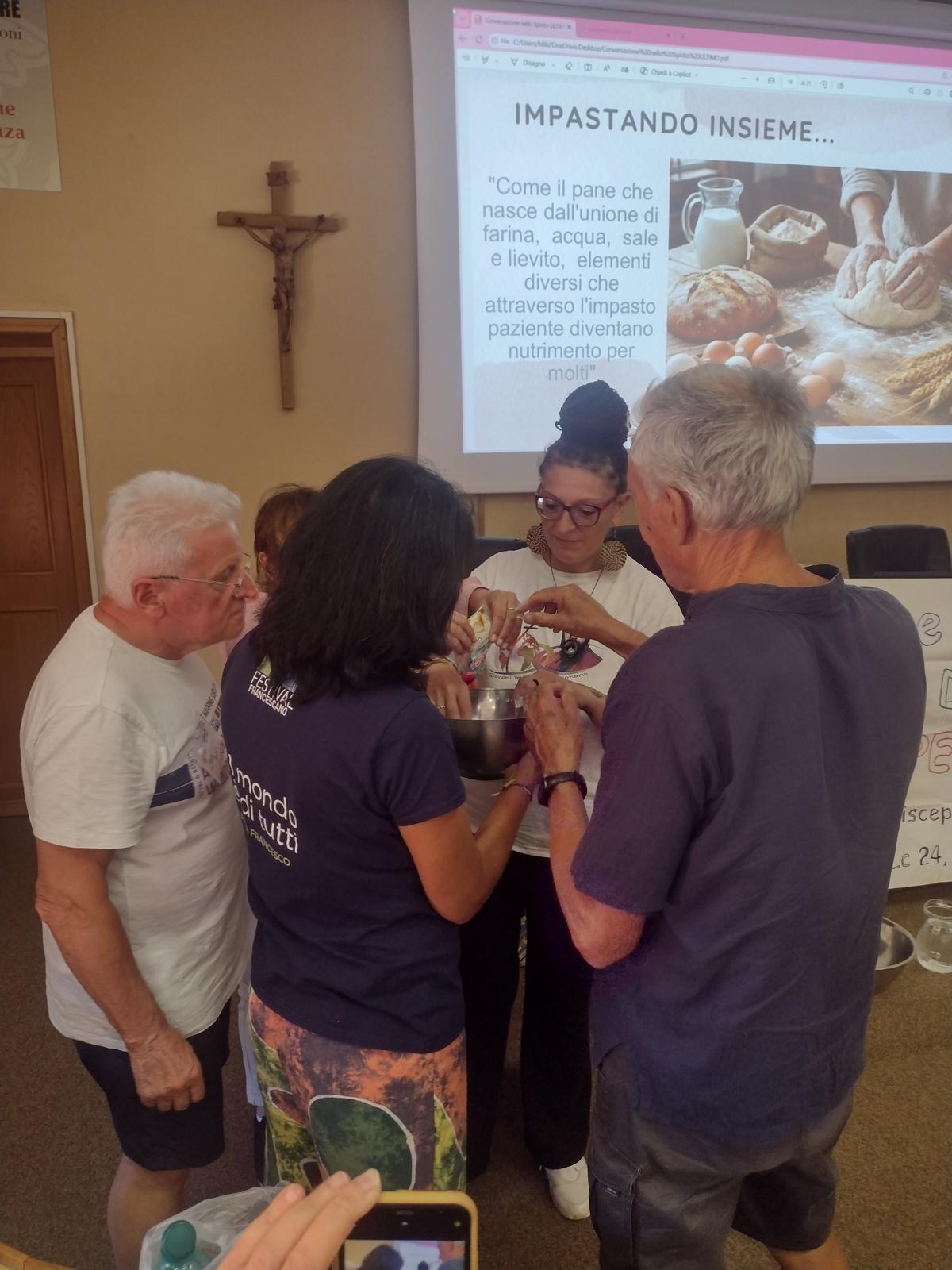
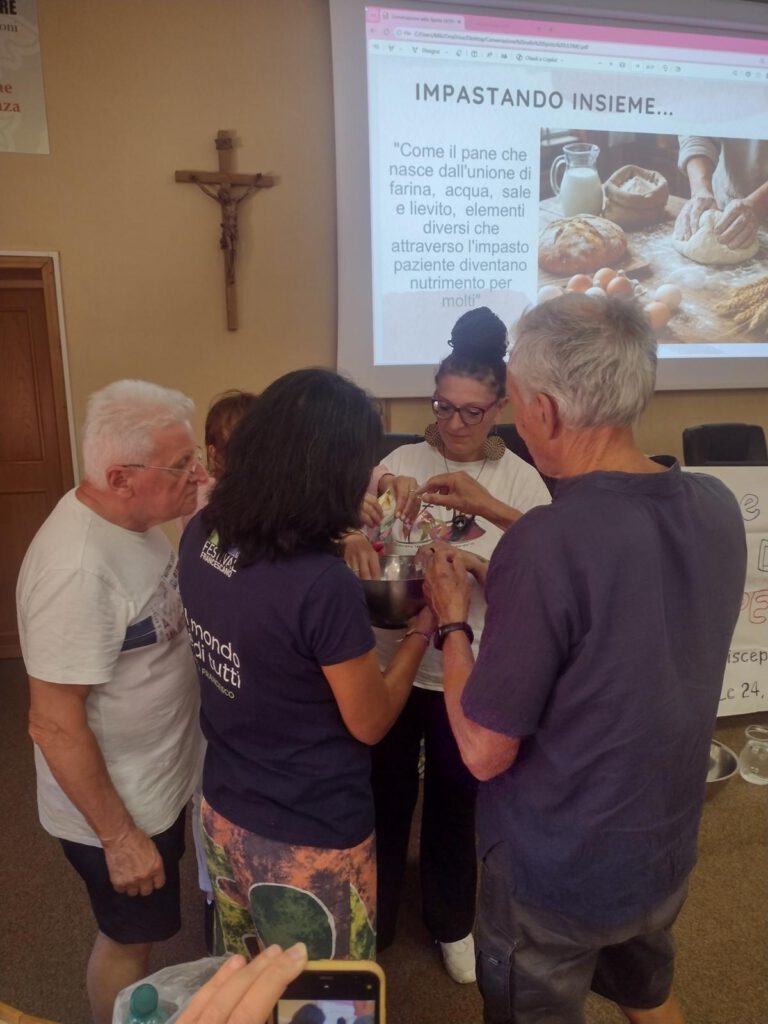
Around forty Italian Comboni Lay Missionaries spent the weekend of September 5–6 at the Comboni Generalate in Rome for their annual assembly. The Superior General, Father Luigi Codianni, left them a message of gratitude and encouragement to walk together, both at the national and international levels.

Dear friends,

It is a great joy for me to meet you here, in our house in Rome, on the occasion of your gathering. First of all, I would like to express my gratitude for your presence, for the journey you are undertaking, and above all for your commitment to mission.

I would like to begin precisely with a thank you. Thank you for who you are and for what you do; thank you for your availability, for the time you place at the service of mission, for your energy, your skills, your passion, and also for your families, who often share and support your missionary choices.

Today, mission can no longer be thought of solely as the task of consecrated persons. Mission belongs to the Church and, within the Church, it belongs to all the baptized. For this reason, your presence as Comboni Lay Missionaries (CLM) is not something marginal or merely complementary to the mission of the Comboni Missionaries. It is a presence that enriches the mission and helps us to understand ever better what it means to be a missionary Church.

A history to cherish and renew

I would also like to recognize in you a great resource and a great potential for Comboni lay missionary work.

The CLM in Italy have an important history, built over the years through many people, many experiences, many departures and returns, many moments of enthusiasm, but also, certainly, moments of struggle and difficulty.

It is a history that must not be forgotten. A history to be cherished, but not simply preserved.

A living history is, in fact, a history capable of renewing itself.

The charism of Saint Daniel Comboni is not a heritage to be placed in a display case and looked at nostalgically. It is a gift of the Spirit entrusted to the Church, which every generation is called to embody in its own time.

For this reason, I encourage you to keep your Comboni missionary identity alive, continually seeking to understand how Comboni’s charism can be lived today, in the concrete circumstances of our world.

Being faithful to the charism does not simply mean repeating what was done in the past. It means having the same missionary heart as Comboni and, with that heart, knowing how to read the present and face new challenges.

Allowing ourselves to be renewed by mission

For this reason, I would like to urge you to remain open, available, and capable of allowing yourselves to be continually renewed by mission.

We live in a world that is changing rapidly. Societies are changing, Churches are changing, political and economic situations are changing, means of communication are changing, as is the way people live their faith.

Therefore, mission also calls us to change.

We cannot simply limit ourselves to repeating familiar patterns. We are called to discern the signs of the times and continually ask ourselves: Where is the Lord calling us today? What does the mission need? Where can we place at its service what we are and what we have received?

In this sense, your international missionary experience is a great treasure.

Italian CLM have taken on important responsibilities in different parts of the world: Brazil, Peru, Mexico, Kenya, Mozambique, and the Central African Republic. These presences should not be regarded simply as individual personal experiences. They are part of a larger journey and represent a responsibility for the entire Comboni family.

Mission, in fact, asks us to go beyond ourselves and our securities. It calls us to be ready to leave, but also ready to change, to listen, to learn from local Churches and from the people with whom we share our lives.

The missionary does not arrive with everything already decided. He or she arrives to meet, listen, share, and build together.

A missionary family called to grow in communion

I would then like to invite you to take a further step in strengthening your communion.

You have a national dimension, but you are part of a reality that is now clearly international. This international dimension is a great richness, but it also entails responsibility.

We must avoid the risk that every group, every country, or every reality simply proceeds on its own.

Being CLM means feeling part of something greater. It means being able to say: this is my community, this is my group, but this is also my international missionary family.

For this reason, it is important to work more intensively on cohesion among the different groups, fostering mutual knowledge, communication, the sharing of experiences, and greater co-responsibility.

And co-responsibility cannot be merely pastoral. It is also economic.

When we say that we are a family, we must also be willing to share in the difficulties of others. We cannot think only of the needs of our own local reality. We must have a broader vision and ask ourselves how we can support CLM who live in situations of greater vulnerability in other parts of the world.

This concrete solidarity is one of the most beautiful expressions of missionary fraternity.

Walking together at national and international level

I would also like to encourage you to maintain good harmony between the decisions you make at the national level and the journey that the CLM are undertaking internationally.

I am thinking in particular of the decisions and guidelines that emerged from the most recent Assembly in Maia, Portugal.

The international journey should not be perceived as something distant from the Italian reality. On the contrary, it should become a point of reference for everyone.

We are called to walk together, recognizing that the various national realities certainly have their own characteristics, but belong to one family and share the same missionary vocation.

This is particularly important at this time, as the process is underway for the recognition of the CLM as an International Association of the Faithful by the Dicastery for Laity, Family and Life.

This is an important step that requires maturity, an ecclesial spirit, and the ability to take responsibility.

For this reason, it is important that national realities know how to engage with one another, dialogue, and harmonize their journey with the international one.

Strengthening the sense of belonging

I would also like to remind you of an aspect that I consider fundamental: the sense of belonging.

It is not enough to be CLM simply because one participates in some missionary activity or has had an experience in mission.

Being CLM means belonging to a community, sharing a journey, recognizing oneself in a vocation, and feeling responsible for one another.

A sense of belonging does not arise automatically. It must be cultivated.

For this reason, constant work in animation, accompaniment, and formation is important. We need to help people understand ever more deeply what it means to be Comboni Lay Missionaries and accompany them through the different stages of their lives and journeys.

This is especially true for young people and for those who are approaching the CLM reality.

We need genuine lay missionary vocational promotion. We cannot simply wait for people to come to us. We must go out to meet them, tell them about the beauty of mission, bear witness to what it means to live the Gospel in everyday life, and show that, even today, there is a missionary calling for lay people.

Mission needs vocations. And it needs mature, generous, available vocations, capable of living mission not as an individual experience, but as an ecclesial journey.

Mission needs lay people

Finally, I would like to emphasize a conviction that I consider particularly important: today, perhaps more than in the past, mission needs lay men and women.

It needs their professional skills, their experience, their creativity, their ability to live within society and to enter into relationships with environments where we religious often find it more difficult to enter.

But above all, mission needs their witness.

The world does not need only people who speak about mission. It needs men and women who know how to live the Gospel in everyday life: at work, in the family, in society, in relationships, and in the concrete situations in which they find themselves.

For this reason, your vocation is not simply a form of collaboration with us, the Comboni Missionaries. It is a missionary vocation in its own right.

We are called to recognize it, accompany it, value it, and help it grow.

A collaboration that enriches us all

For our part, I would like to assure you that the Comboni Missionaries will continue to be open and available to your presence and collaboration.

But I would also like to say something more: we do not consider your presence merely as help that you offer to us.

We also receive a great deal from you.

Your presence challenges us. It helps us to look at mission from different perspectives. It reminds us that the Gospel must enter into the concrete lives of people and families. It helps us understand that the Comboni charism can be lived in different and complementary ways.

For this reason, we must increasingly learn to walk together, not alongside one another, but with one another.

This, in my view, is the challenge before us: to move from simple collaboration to true co-responsibility in mission.

Looking to the future with hope

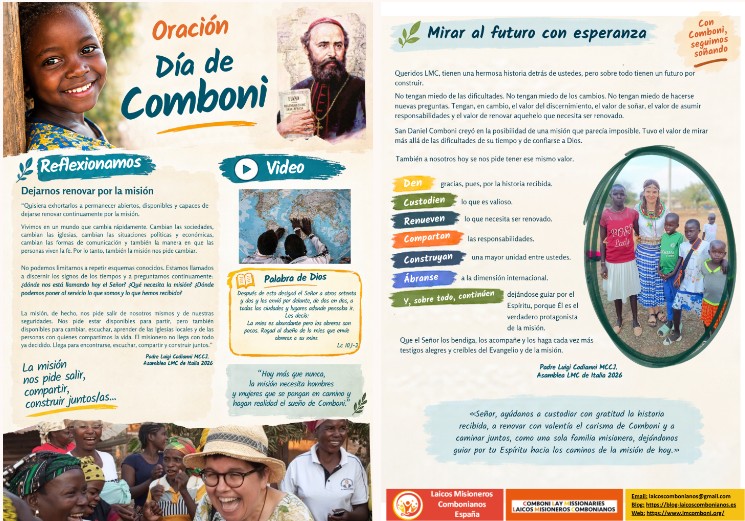
Dear CLM, you have a beautiful history behind you, but above all you have a future to build.

Do not be afraid of difficulties. Do not be afraid of change. Do not be afraid to ask new questions.

Instead, have the courage to discern, the courage to dream, the courage to take responsibility, and the courage to renew what needs to be renewed.

Saint Daniel Comboni believed in the possibility of a mission that seemed impossible. He had the courage to look beyond the difficulties of his time and to place his trust in God.

Today, we too are called to have that same courage.

Give thanks, then, for the history you have received.

Cherish what is precious.

Renew what needs to be renewed.

Share responsibilities.

Build greater unity among yourselves.

Open yourselves to the international dimension.

And above all, continue to allow yourselves to be guided by the Spirit, because He is the true protagonist of mission.

For our part, as Comboni Missionaries, we wish to continue walking with you, sharing what we are, what we have, and what the Lord has entrusted to us.

Let us entrust this journey of yours to Saint Daniel Comboni, that he may continue to inspire and accompany you in the choices you are called to make.

And let us also entrust ourselves to the Mother of God, our Mother, that she may intercede for each and every one of you, for your families, your communities, and for all CLM throughout the world.

May the Lord bless you, accompany you, and make you ever more joyful and credible witnesses of the Gospel and of mission.

Father Luigi Codianni, MCCJ