Comboni Lay Missionaries

My Vocation as a Comboni Lay Missionary

By Beatriz Maldonado Sánchez, CLM

Today, we can find countless options in the world. No matter how difficult our situation may seem, we have the opportunity to choose and follow a path and commit to a dream—a mission that allows us to break free from the social norms in which we were raised, educated, or forced to follow out of fear of what others might say. According to the options presented by my family, I had two choices for my vocation: “You get married or you go to a convent.”

Faced with this choice, I went through a vocational discernment process with the consecrated sisters, but I realized I didn’t feel called to religious life and thought I would get married—until I had the opportunity to learn about the vocation of the Comboni Lay Missionary (CLM) where, whether single or married, we could serve God by helping to build a world where His love reigns.
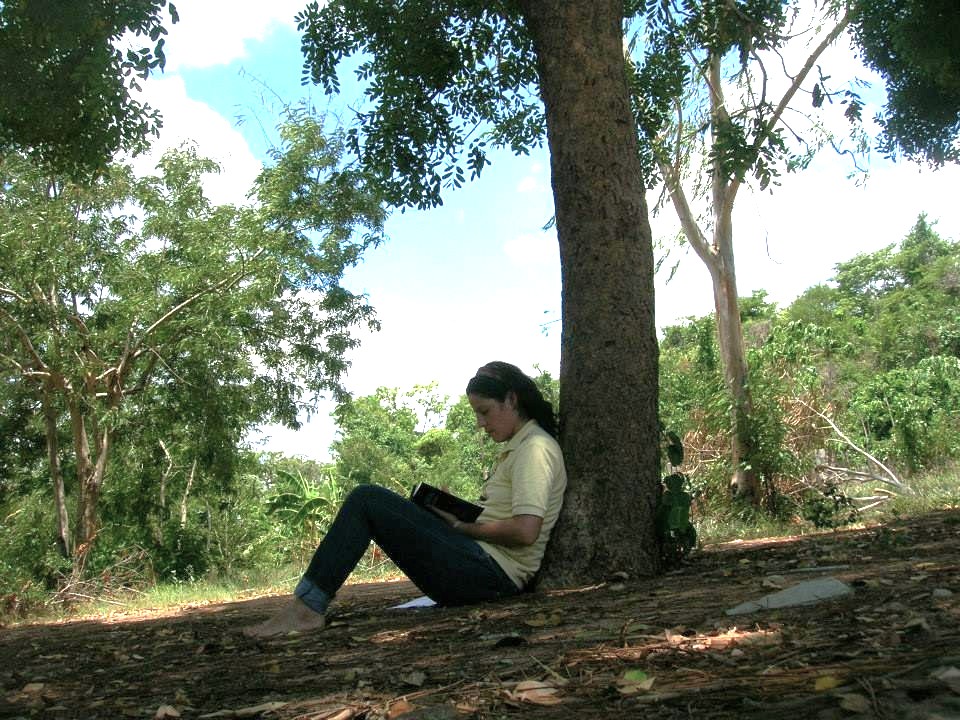
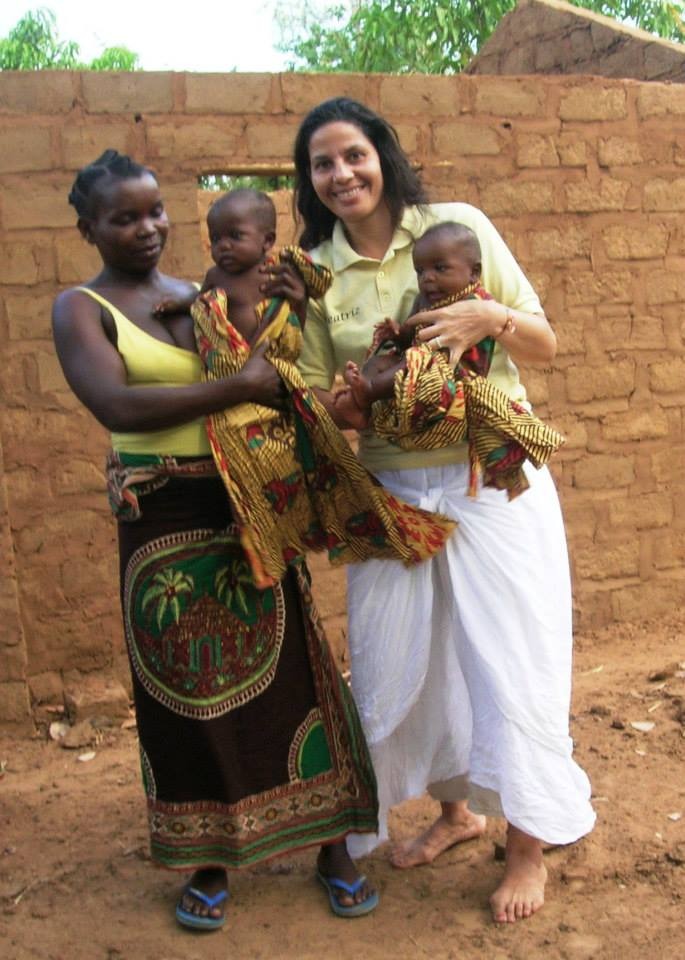
My name is Beatriz, and I’ll tell you a little about how my story changed when I met the CLM. I come from a Catholic family in Sahuayo; I grew up living my faith within my family, we actively participated in the apostolates held at the parish, and I was studying at the university. Everything was normal, until something changed in me when I was invited to participate in a Holy Week mission camp; it was the year 2000. I never imagined everything I would experience by saying “yes” to God. That week changed my story and my idea of starting a family. Thus, one of my childhood dreams—one that had been buried in my memory—was fulfilled: to go to Africa to help the children. God, who knows the innermost depths of our hearts, had rescued that desire. It had first emerged when I read the stories of the Comboni Missionaries in the magazine *Aguiluchos*, which we read with our catechist, Lolita.

I had always wanted to go on a mission trip during Holy Week; a friend invited me, and honestly, it brought me so much joy that, without hesitation, I committed to participating. Leaving my family wasn’t easy. Stepping out of my comfort zone was a step toward experiencing beautiful moments. Being in a place with people I didn’t know, doing things I’d never imagined and wasn’t used to, was a huge challenge that helped me develop the ability to adapt, recognizing God’s presence in others. Being with them as a layperson to share my experience of God—knowing that the values of the Gospel are universal—was what gave identity to my lay vocation within an indigenous community.
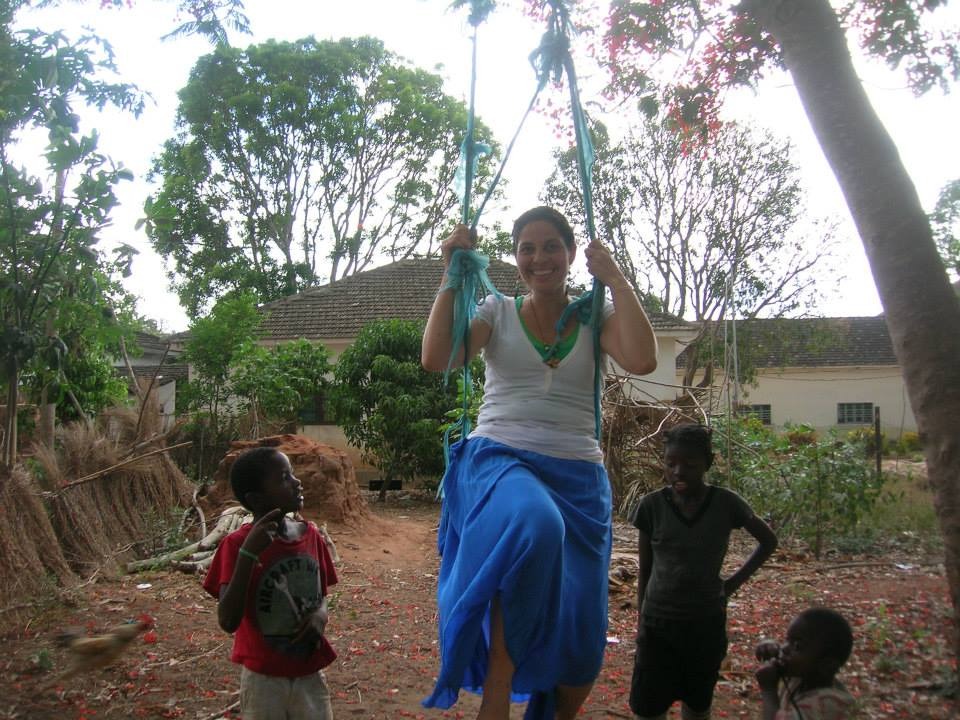
From that year on, it was impossible to stop living the mission. The experiences at different times of the year and for longer periods increased, a situation that brought me closer to the people and to living their day-to-day lives, sharing everything, enriching one another.

I received the proposal to go on mission outside the country, and upon saying “yes,” I began my formation in community; it was a period in which I refined my decision. So, after a long wait, I received a letter that said: “You will go on mission to Mozambique”; the letter arrived after my father’s death, an event that shook my life. Trusting in God, I set out on the mission; prayer and the support of my family strengthened me as I took the step I had to take.

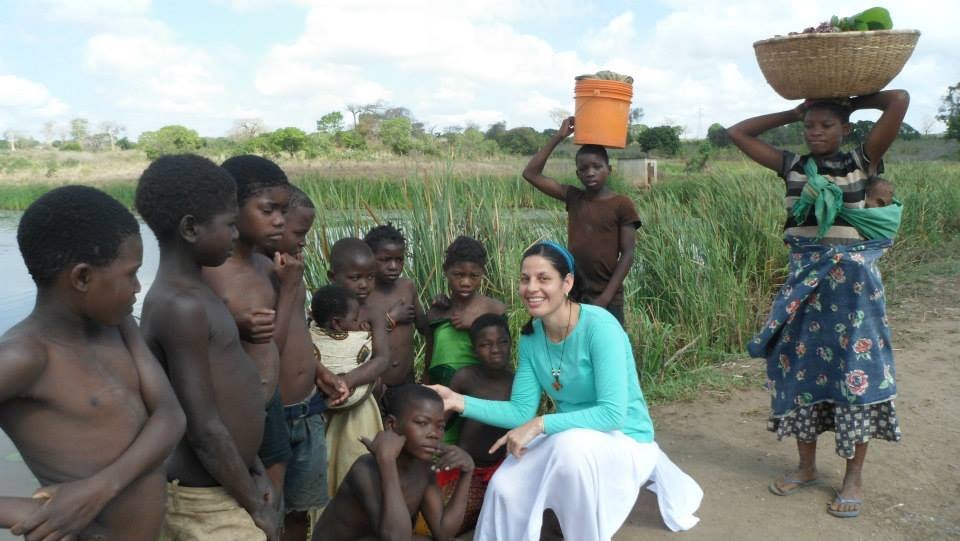
Arriving in Africa was a dream come true. The people of Mozambique welcomed me with their warm hospitality and joy. I spent two days in Maputo, the country’s capital, waiting for the priest who would take me to Nampula. The CLM members who would be my companions picked me up and drove me to Carapira.
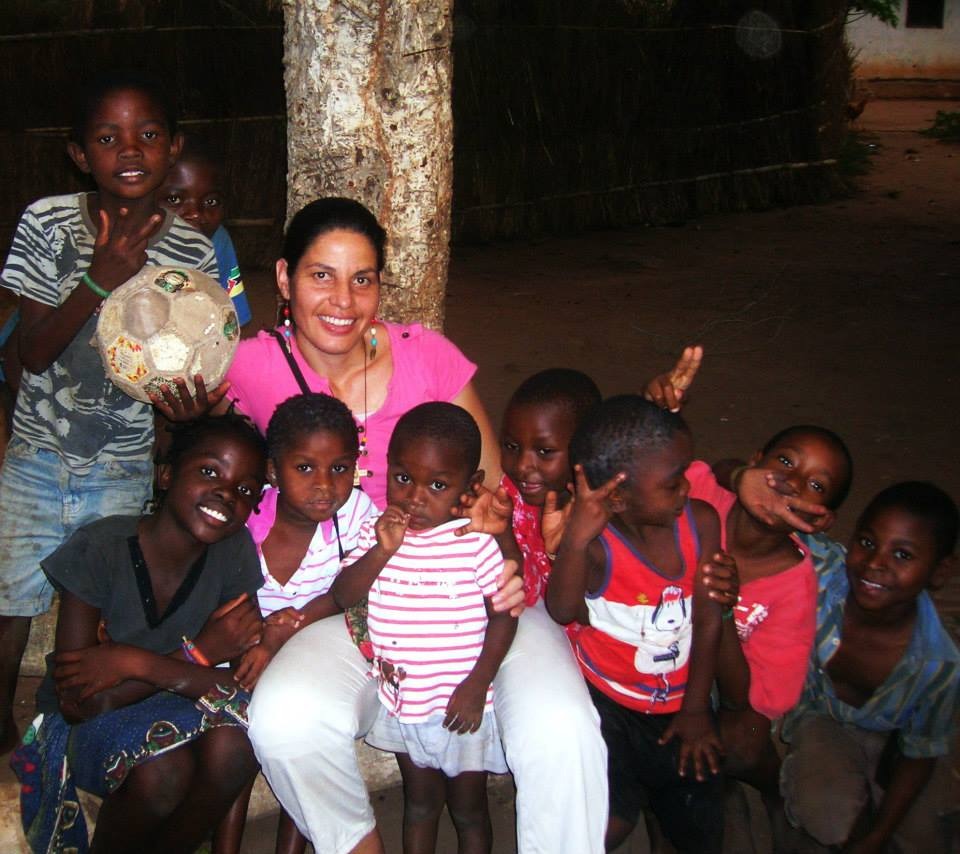
Thus began my missionary journey with people I came to know and with whom I formed bonds of friendship and family. This was very important to me because every day I became more convinced that I was not alone; first were my community and group companions, such as Martinho and Margarida, a CLM couple from Mozambique, who were great mentors to me and helped me correct my mistakes in the mission field.

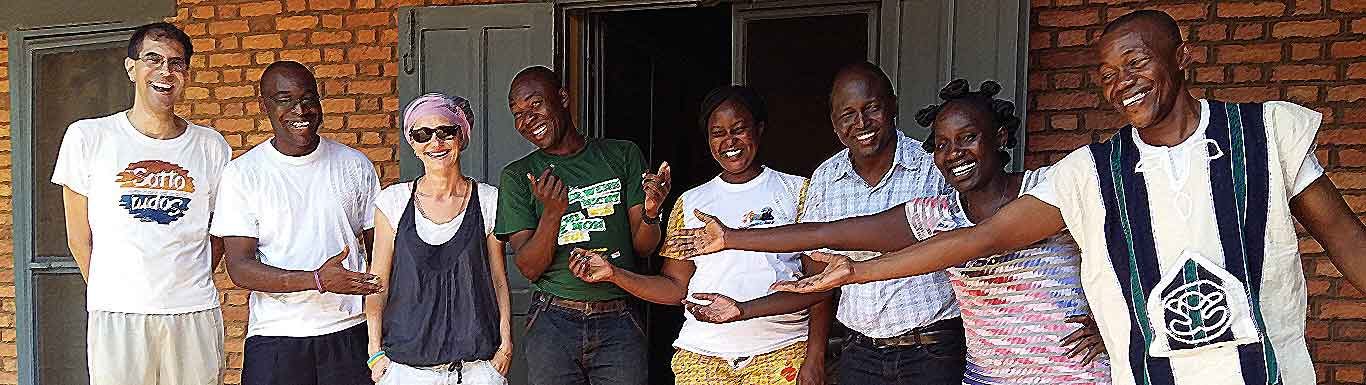
Fortunately, there was also a community of Comboni priests and brothers who served the parish and the school, as well as the Comboni Sisters who cared for the girls at the boarding school. Together we formed the missionary team for the parish of Carapira. Each of us had our own activities, but we were united by prayer, the work plan, our time together, and even outings, which allowed us to get to know one another better.
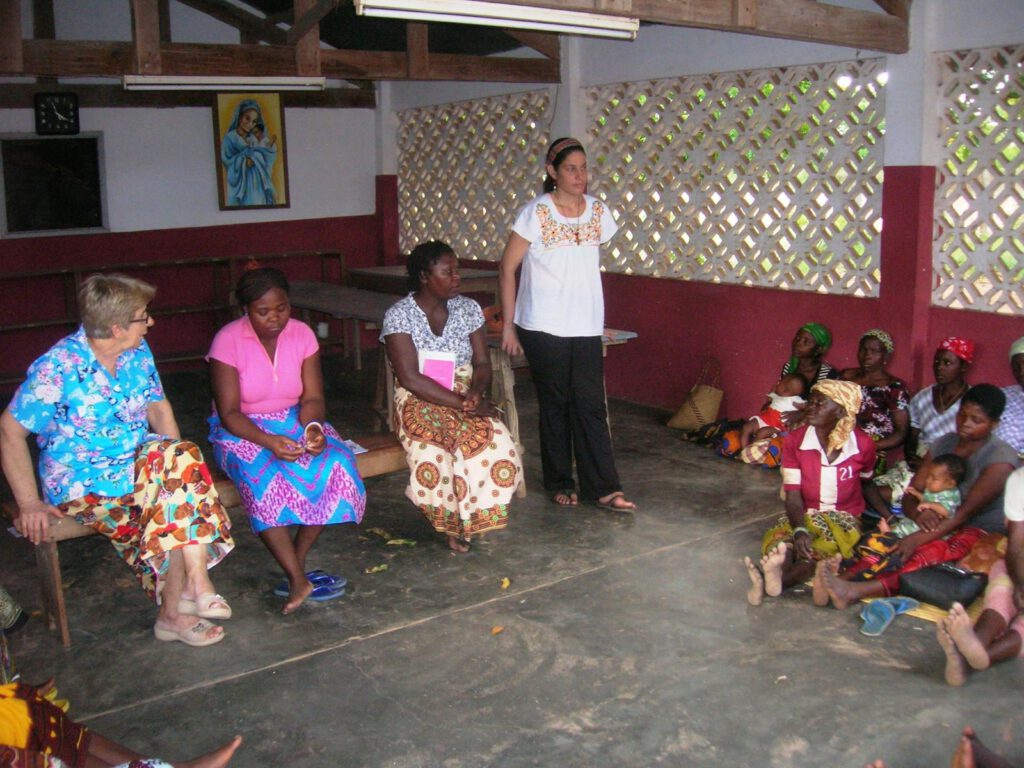
I lived at the Carapira Industrial Technology Institute (ITIC), which is amazing—the welcome message really made you feel at home: “Making the school one big family.” That’s exactly what it was—we all managed to center our lives around what was happening at ITIC; it provided us with amazing experiences 24 hours a day, from preparing breakfast, cleaning all the areas, helping with administration and teaching classes, to evening study sessions and caring for the sick—it was a true team effort.

When it came to religion, there was a lot of respect and a variety of faiths. Once, the Muslim students invited me to join them for their prayer time. We Catholics had Mass twice a week, and every eight days we met with the youth group. Some participated in the vocational meetings we organized at the parish, retreats that have borne fruit for missionary and diocesan life; some are now priests, and others continue their formation process, as is the case with two Comboni scholastics, who are now studying in the Americas: Doler in Brazil and Felizardo in Peru.
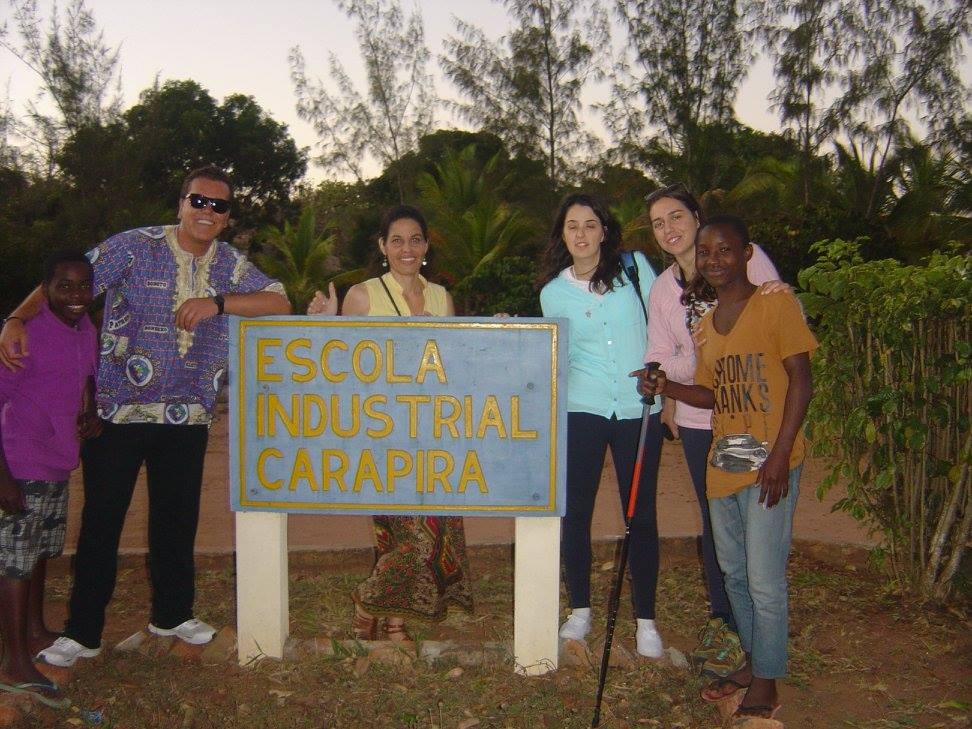
The biblical passage that solidified my missionary path is “You will receive power when the Holy Spirit comes upon you, and you will be my witnesses to the ends of the earth” (Acts 1:8). It remains present in my prayer life, especially during this Jubilee Year, which coincides with my 25th anniversary as a CLM. This power remains alive, and I had the opportunity to celebrate it in various ways:

1. In the lay group, I was tasked with coordinating the opening of our CLM movement’s permanent mission in the parish of San Miguel Arcangel in the community of Metlatónoc, Gro—a project we had already been planning for three years.

2. I joined the coordinating team of Misioneros Laicos Ad-gentes (MILAG), a challenge for me personally given the many tasks I already have as a lay missionary.

3. I joined the Comboni family to participate in the Youth Jubilee in Rome, accompanying a group of eight young Mexicans, including four of my nephews. Prior to that, we had a week of formation where we shared reflections on the encyclical Laudato Si’.
4. I helped organize the Diocesan Animators’ workshop in San Juan de los Lagos with the MILAG team.

5. Mission ad gentes experience with my niece in Lokichar, a community in Kenya—a time of great learning and vital growth for us.

6. Celebrating my vocation as a CLM with my parish community and family, and encouraging others to discover this missionary path.

I can tell you that April 23, 2000, was the Easter that brought about a very significant change in my life, allowing me to begin a process of continuous learning and growth where doing what I love with love allows me to be happy.
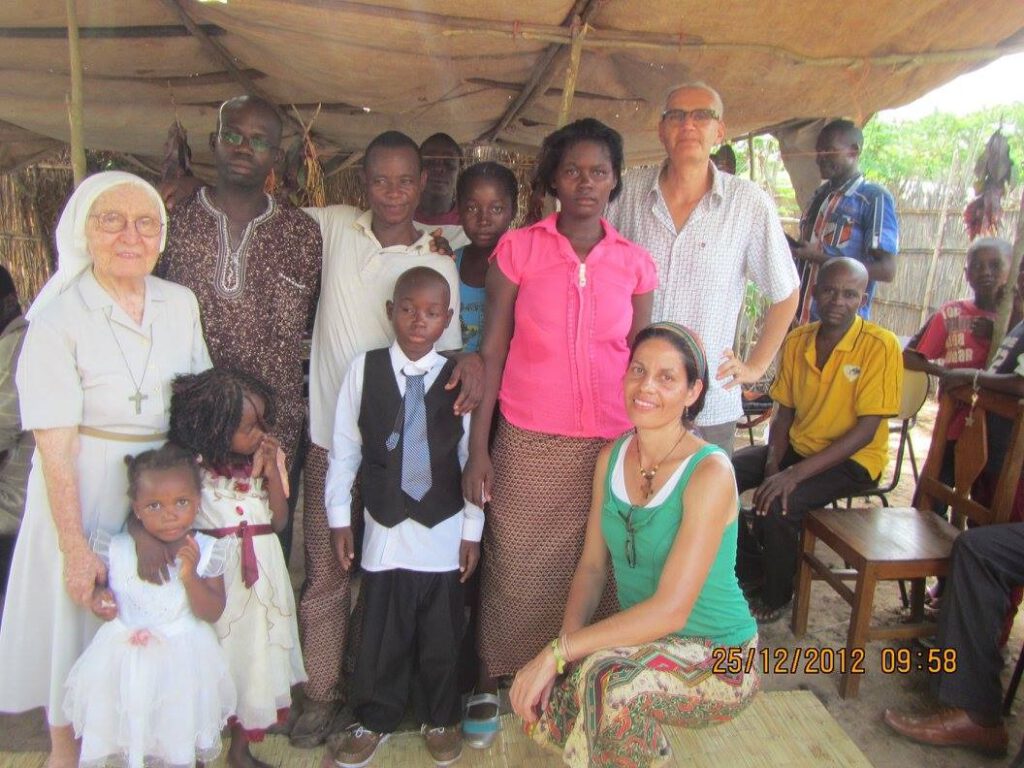
Every day brings new challenges; prayer and ongoing formation are the great pillars that strengthen me to move forward wherever God wills, with the certainty that every day is an opportunity to serve. I entrust myself to your prayers.

If you have questions about the missionary life ad gentes, respond to your call and you will find happiness in proclaiming the Gospel.

Beatriz Maldonado Sánchez, CLM
One in Christ, United in Mission

LMC Mexico

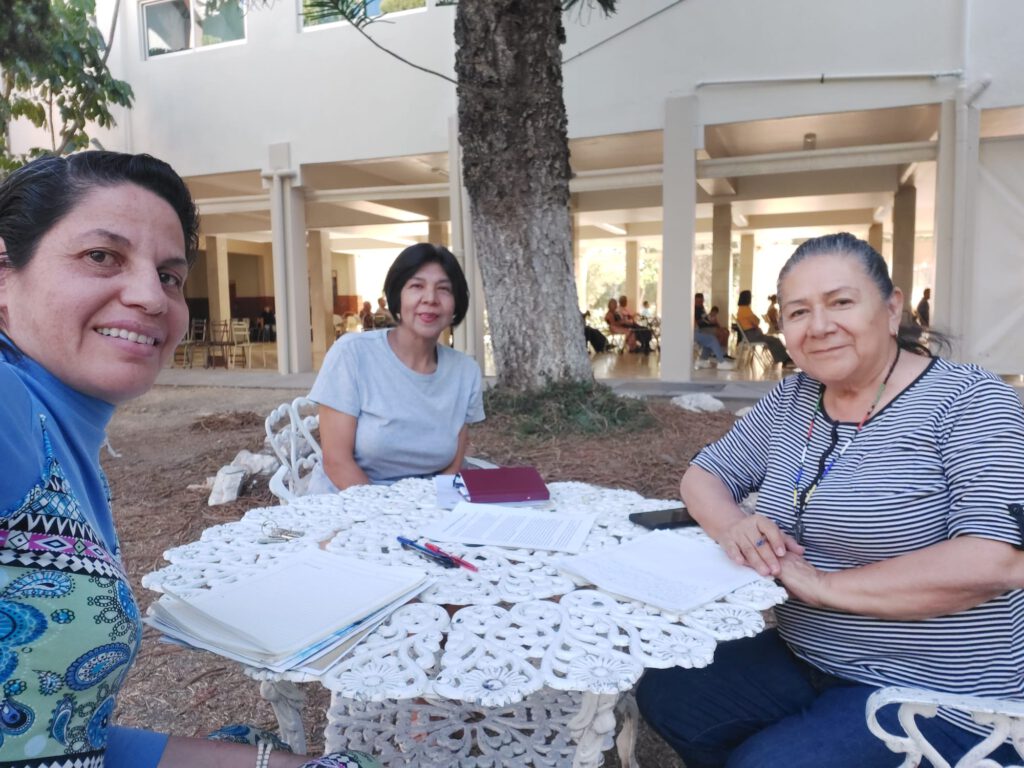
The spiritual retreat for the CLM is very important; it helps us recognize what God is asking of each of us, it renews us when we need to make corrections in our lives, and it prepares us when we need to make decisions. Our spiritual director, Fr. Filomeno Ceja MCCJ, led the opening and closing of the retreat. He accompanied us through personal conversations; his advice is always spot-on and helps us make decisions both personally and as a group.

Mariana joined us virtually from the mission in Metlatónoc, Guerrero, to greet us; we continue to invite people to join the missionary project. She is very happy; it always brings us joy to see her so happy and increasingly integrated into the service she performs, following the work plan with the parish.

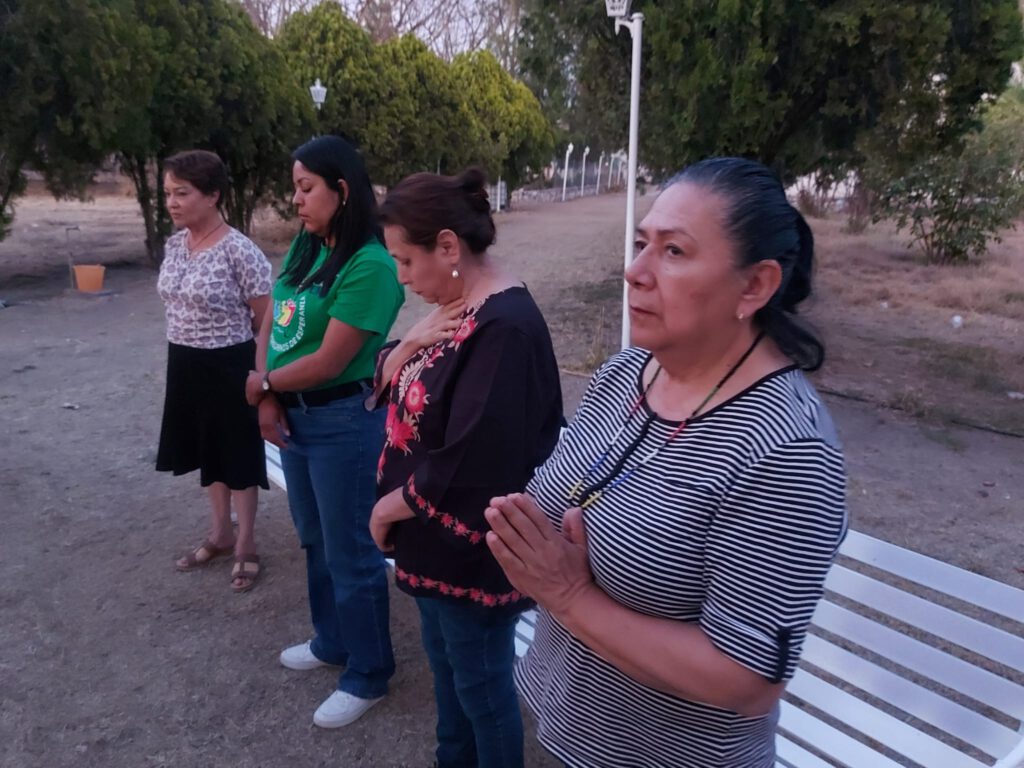
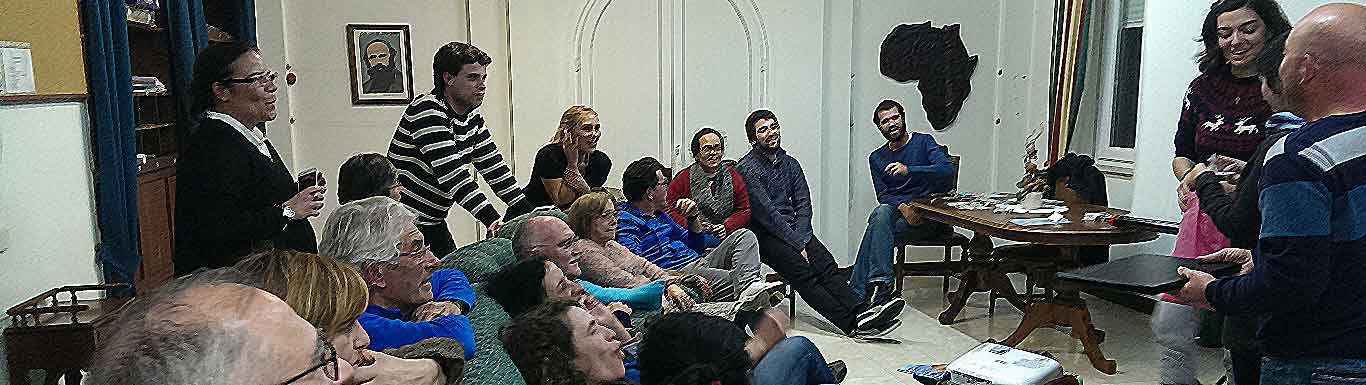
The monthly half-day retreat that we CLM hold in Mexico is very important; it prepares us and helps us better experience our annual three-day retreat, giving us time to be at the source and find God’s grace for ourselves. on this occasion our central theme was Pope Leo XIV’s message for DOMUND 2026, “One in Christ, United in Mission.” Fr. Héctor Manuel Peña MCCJ was the preacher; we had moments of prayer, reflection on the theme, personal reflection, lectio divina, sharing, adoration of the Blessed Sacrament, and the Eucharist, all of which helped us have a personal encounter with God.

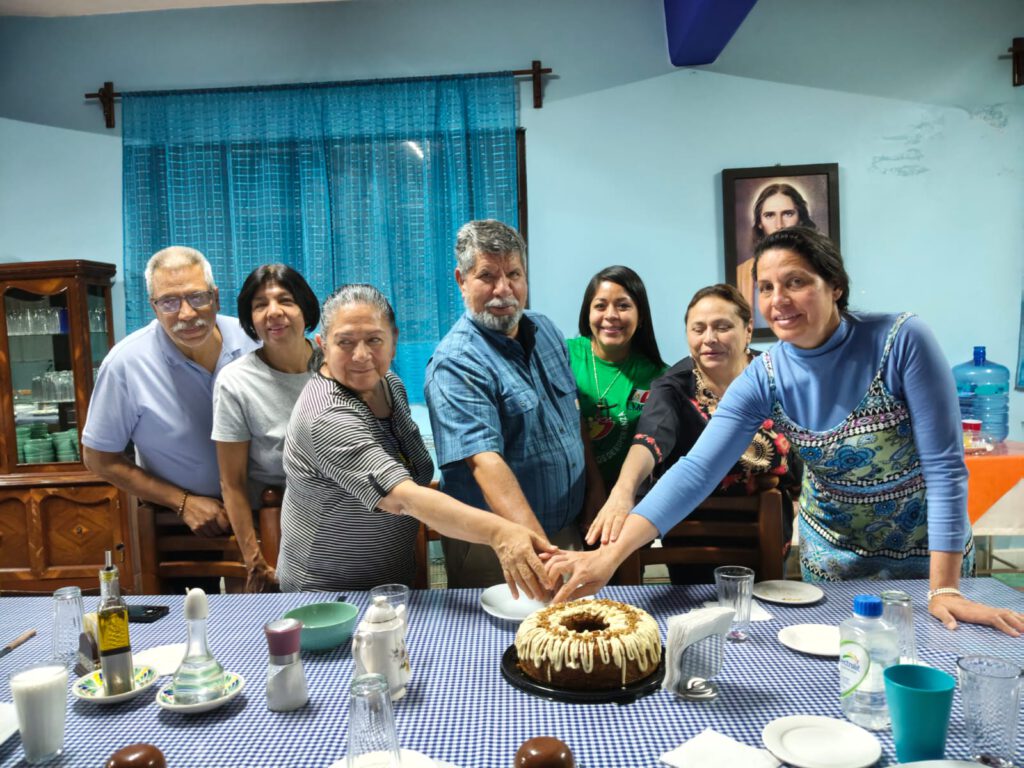
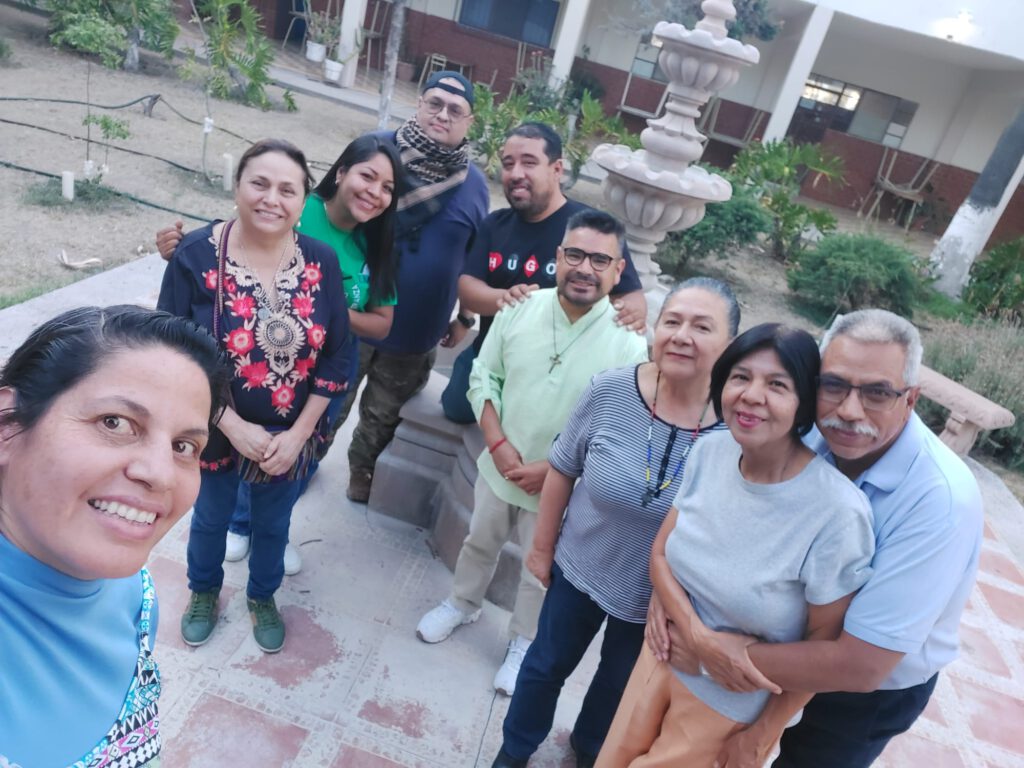
Eight of us were able to attend: Daniel, Alejandra (widow), Cesar, Ana and Florencio (married couple), Hortensia, Adriana, and Beatriz. It has been very interesting to see how each of us is walking this path, the challenges to overcome, and the goal to reach. We regret that some of our companions could not be present due to work and study commitments; we kept them in our prayers, which always unite us.

Florencio and Ana made a one-year commitment to follow the CLM path during Sunday Mass at the San Francisco del Rincón community in Guanajuato; they have pledged to continue doing monthly missionary animation and to support formation. Daniel took on a personal task and will continue his growth within the group; Alejandra will be accompanied as she works through her personal situation; Cesar decided to leave the group; Adriana, Hortensia, and Beatriz will remain on the coordination team.

God continues to challenge us through our lay reality; returning to daily life and making our missionary commitment a living reality is not easy, but we know that “All things are possible for those who strengthen us,” convinced that we will continue moving forward together in our missionary commitment to evangelization.

CLM Mexico

Holistic formation is mirrored in the mission

Metlatónoc LMC

I had the opportunity to meet Mariana and Adelaida years ago, back when they were forging their own path to respond to the calling God was presenting to them; it has been a journey of constant growth in which both have had to overcome the obstacles they encountered.

Adelaida was the first one I met from March to May 2011, when I was doing my three-month missionary internship in the community of Vicente Guerrero. She was part of the catechism group preparing for her First Communion; the formation included leadership training so that upon completing the course, she could become a catechist. It is important to mention that, as missionaries, people saw us as nuns because they often called us “Mother.” Understanding the reality of her culture, she made me realize that it was necessary to speak with the community leaders so that the role she could fulfill would be recognized. A meeting was called in which I participated; the community leaders, the authorities, and those in charge of the church were present (only men could hold these positions); after a three-hour discussion, it was agreed that, as a woman, she could be responsible for catechetical formation in the community. She has now held that position in her town for 15 years; today she participates in the parish council, the diocesan assembly, and missionary congresses; her community supports her because she represents her people.

Mariana’s experience was different; she was part of the youth missionary group at the seminary and engaged in vocational discernment with the América Misionera group. When I served in formation in 2017, I recall that she participated in the CLM informational retreat and began her journey with the Comboni Lay Missionaries group, having to overcome her own personal, family, group, and social obstacles. She participated monthly in the retreats and in the group’s weekly activities. Her perseverance led her to take firm steps, and today she is serving as CLM in the parish of San Miguel Arcángel in Metlatónoc, where she will serve for three years.

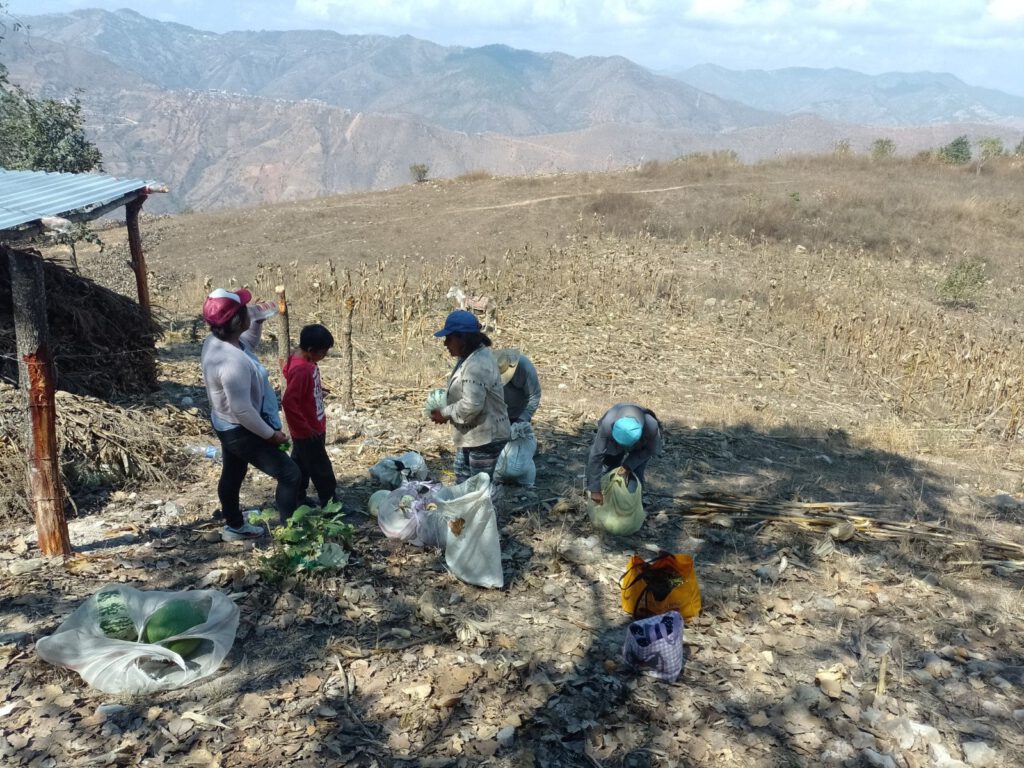
They already knew each other from attending the same meetings where both participate in the parish. This week, something different emerged during this Lenten season: they carried out a team service for 7 days, offering formation sessions in the communities of Vicente Guerrero and Linda Vista in preparation for Holy Week—these are spaces where teamwork strengthens the individual. During the day, they engaged in various activities, including the following:

+ Sharing the themes of the Holy Days of Holy Week.

+ Training the catechists of Buen Vista to lead their own celebrations.

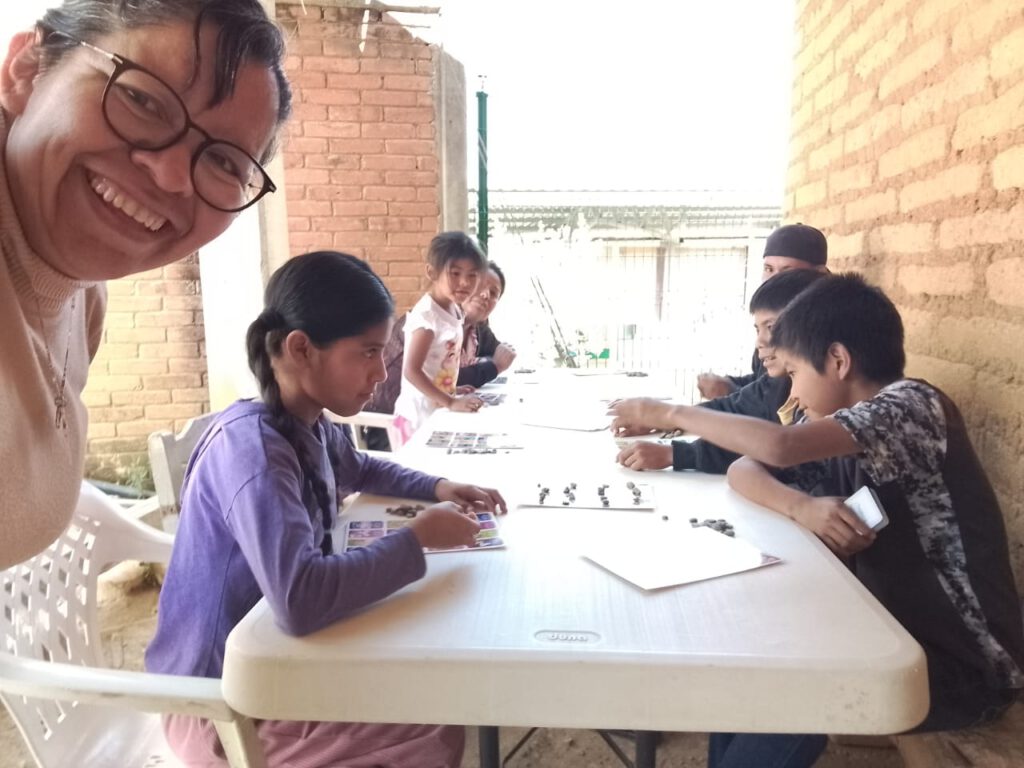
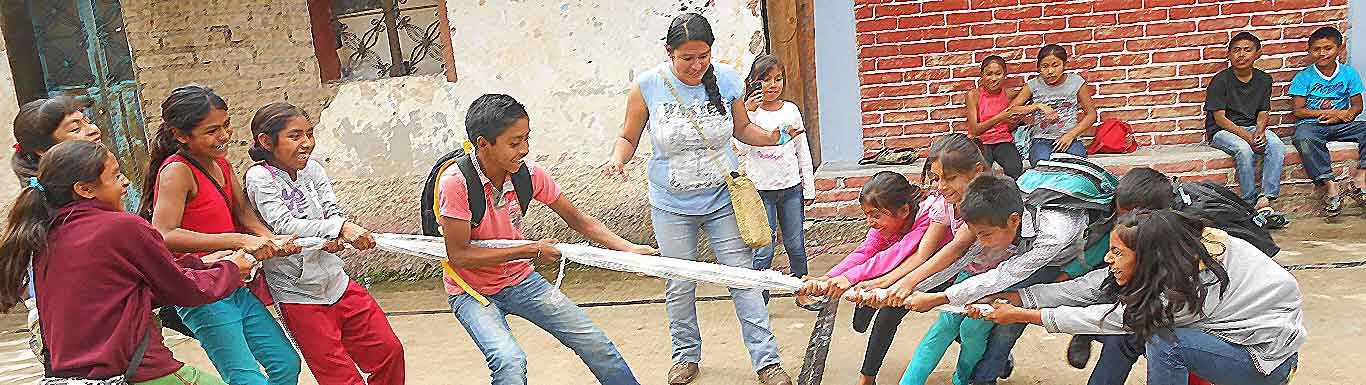
+ Games with the children, such as a Bible verse lottery.

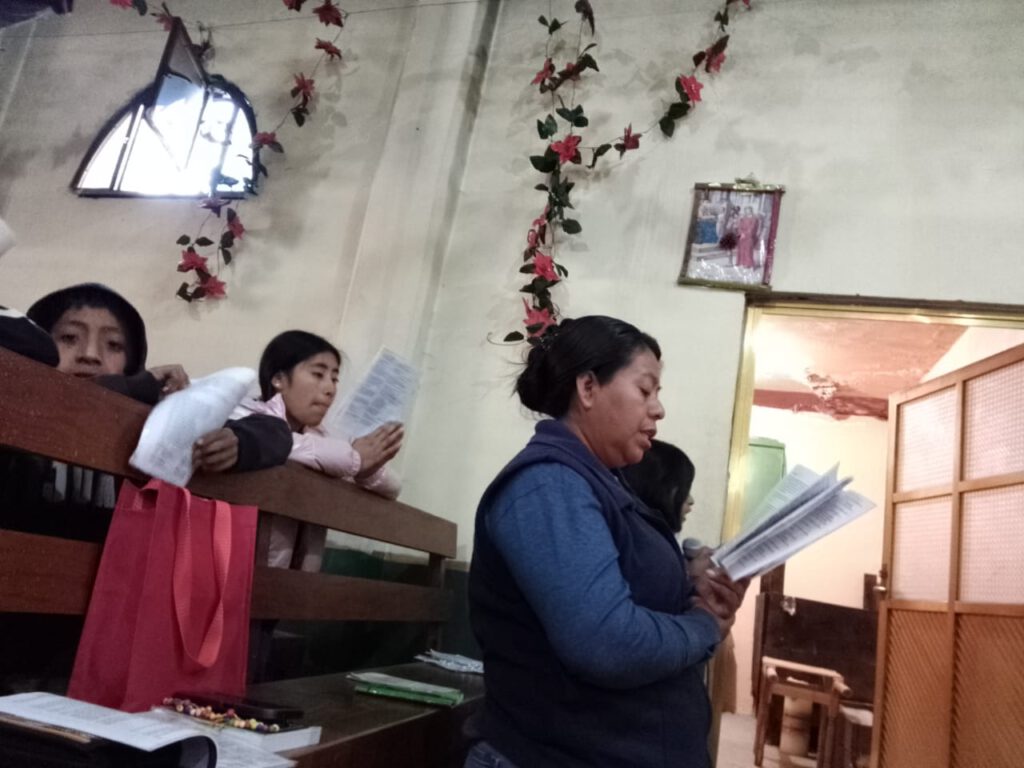
+ Praying the Dawn Rosary (in Mixtec) at 6 a.m. in Vicente.

+ Harvesting chilacayote.

The importance of continuing to share the Gospel wherever God sends us allows us to meet people who are open-hearted and helpful. You, too, can join this great project. TAKE THE PLUNGE.

Beatriz Maldonado Sánchez, LMC Mexico

Posadas: a tradition in Mexico

Posadas Mexico

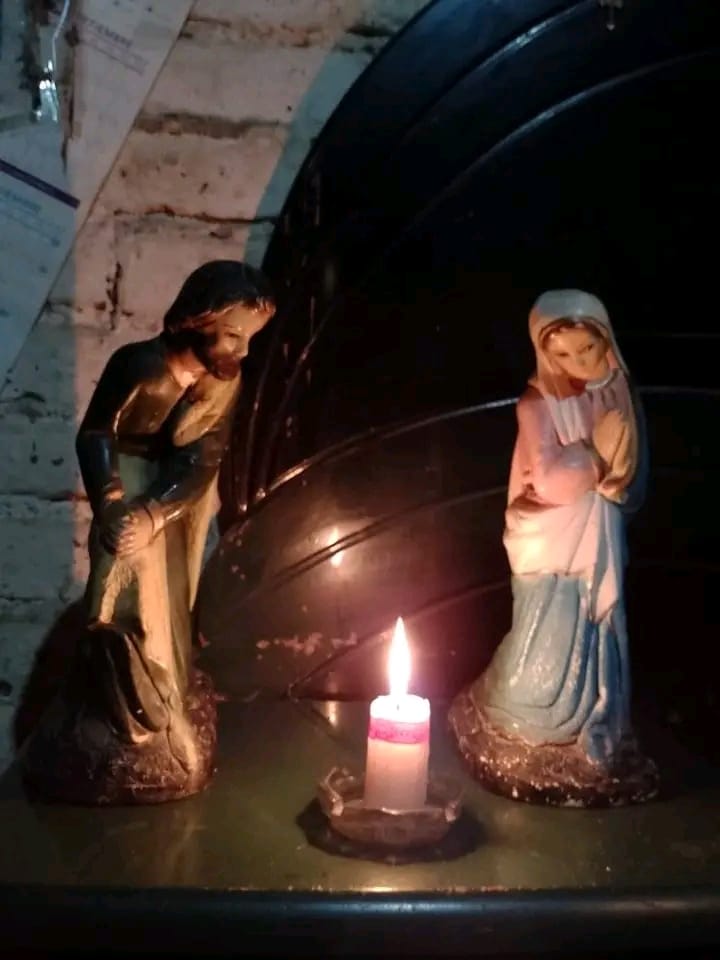
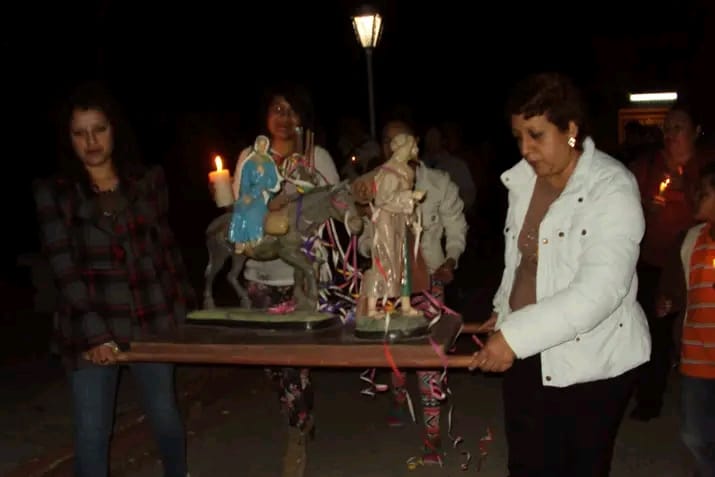
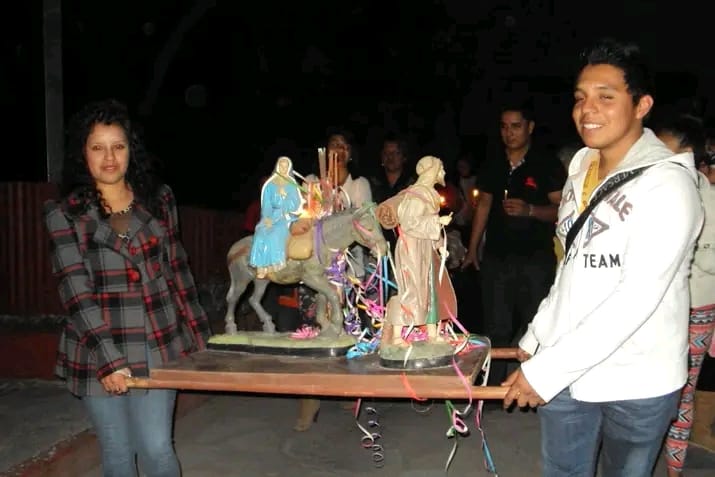
In my experience as a Mexican, there are many traditions in this country, some of which date back a long time and have been passed down from generation to generation, such as the posadas. Beyond just attending for the sweets that are given to us at the end of each one, we remember the journey that Joseph and Mary had to take to find a place for Jesus to be born. Since they couldn’t find a posada, as they were called back then (nowadays it would be like a hotel room), all they could offer them was a stable, which they accepted with great love.

This tradition of posadas is organized and sung in different parts of the country, each place with its own customs, but with that special touch of what is really being commemorated and what it means.

In my family, we organize it this way: nine of the members take one posada per day, and it is their turn to give aguinaldos or some snacks such as a hot drink, better known as ponche, if they can afford it, since it is cold and this is one of the signs that reminds us that Christmas is coming. The rosary is prayed at the end of each mystery, and verses are sung while walking with the pilgrims.

Example:

  • Walk joyfully, dear angels of heaven, covering the roads.
  • The white snow that has worn away the lilies turns them snowy white.
  • Through those mountains goes the omnipotence, and the leopards also bow down to him.
  • Through those mountains walks Mary with her beloved husband, night and day.
  • Etc.

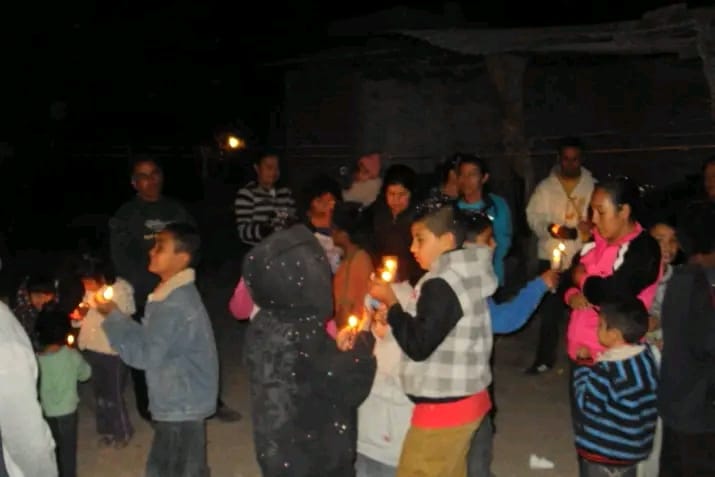
After several verses, they arrive at a house to ask for lodging. This is done three times during the rosary until it is finished. After making the three requests, they sing the entrance of the pilgrims into the house where they will stay that day, which is the family’s turn to provide lodging. The next day, they begin to go to the next house, and so on for nine days.

Even though we are in the same country, each state, diocese, parish, neighborhood, and family has a different way of organizing and carrying out this tradition, and the same applies to the songs, the melody, and the rhythm.

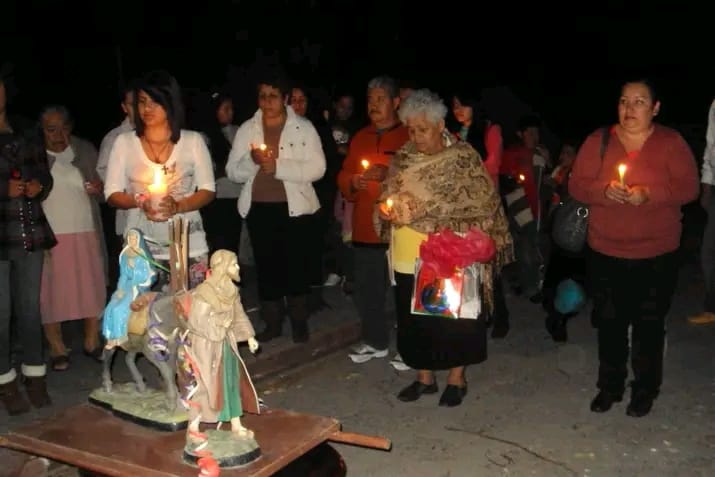
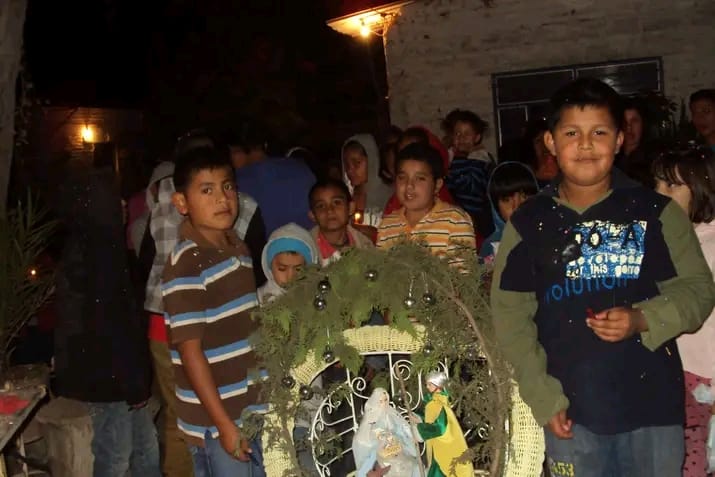
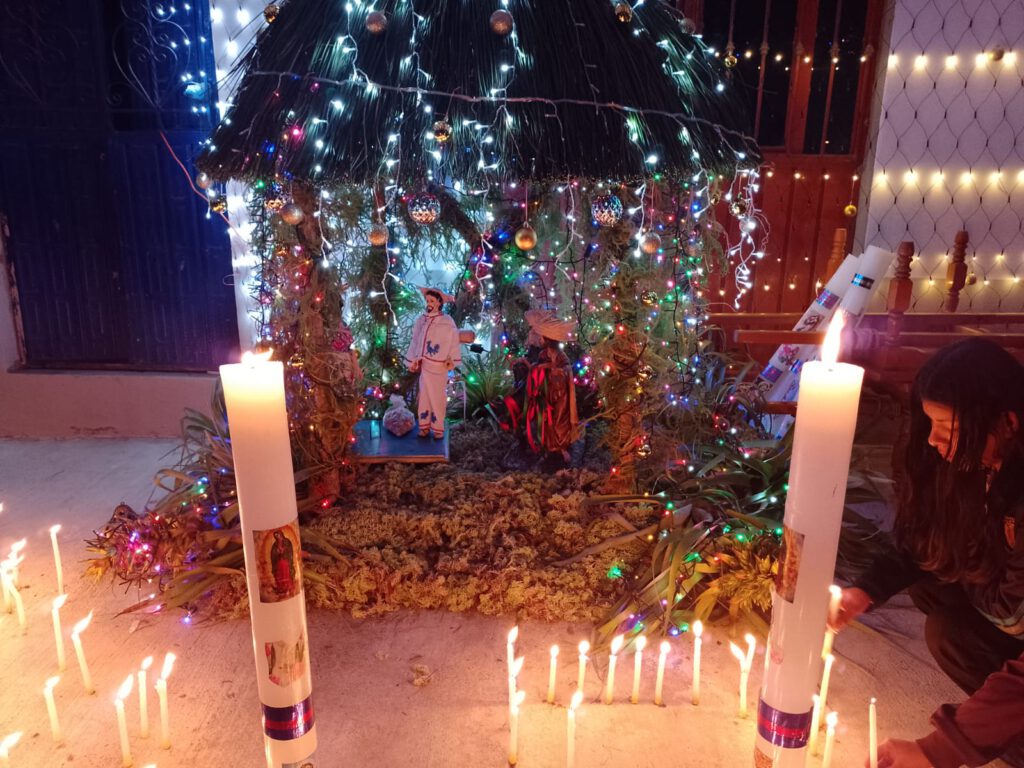
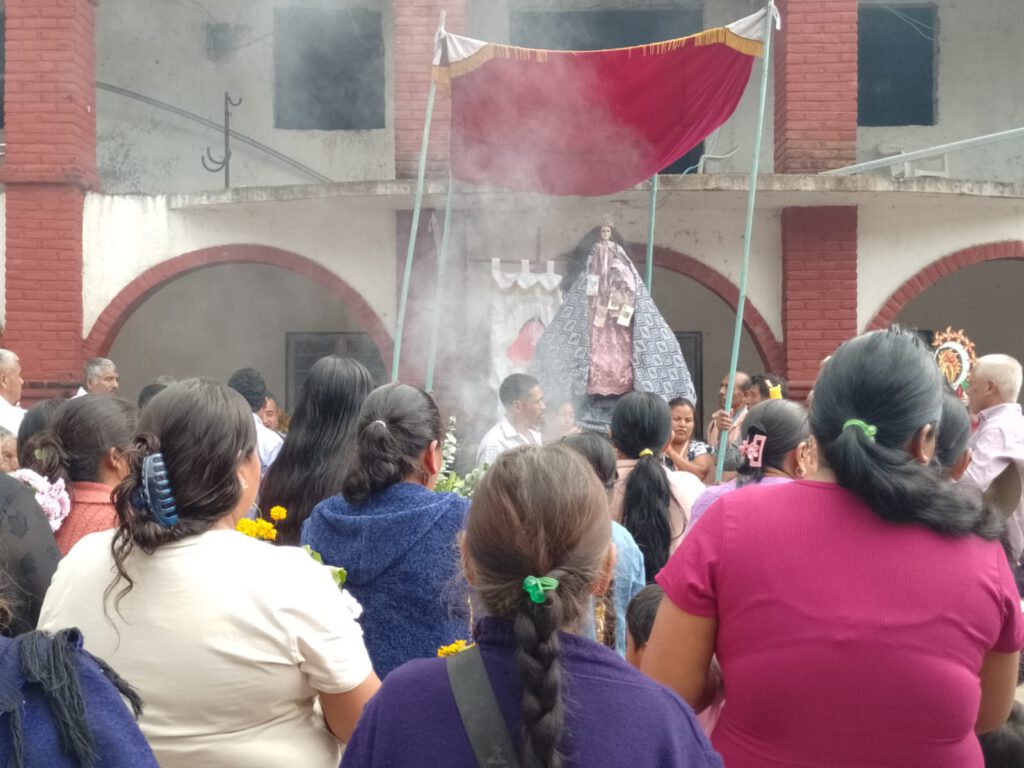
Here in Metlatonoc, where I am on mission, they are organized very differently, according to their customs. It has been a very pleasant experience because I have learned a lot from the people by observing them. The organizers of the posadas here are the stewards. Only they move the images, decide which children will carry them, and ring the bell while the images are being moved. Something curious that I noticed here is that they have the pilgrims dressed like them, in traditional regional clothing.

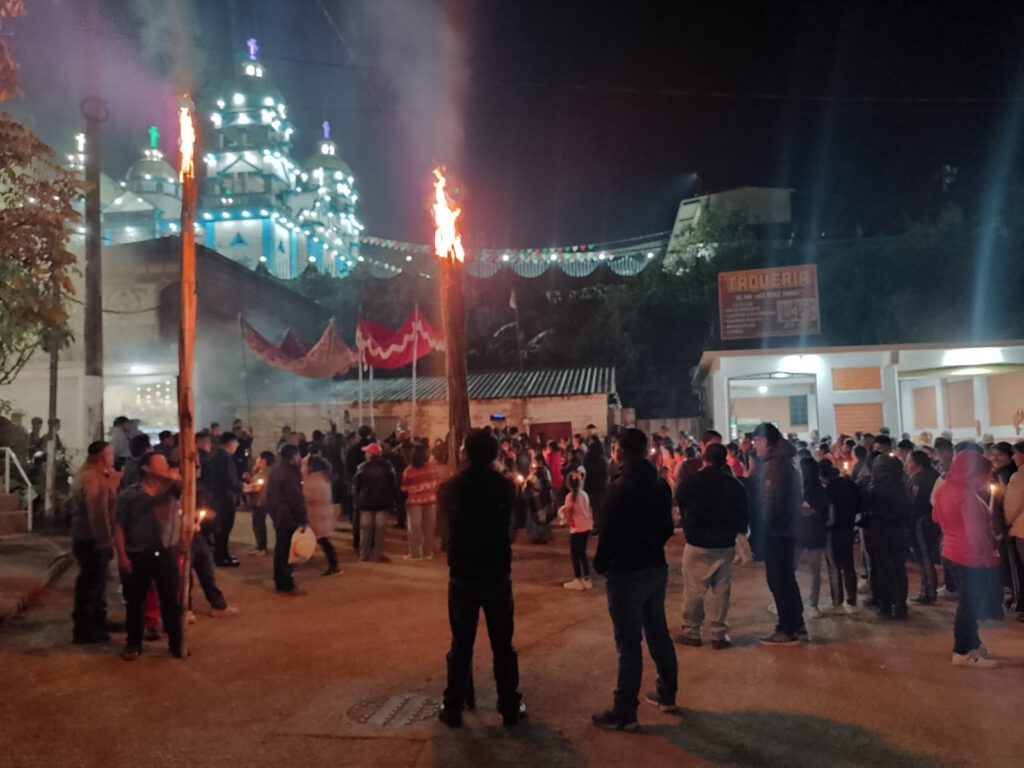
The singer recites part of the rosary before leaving with the pilgrims. When the litany begins, it is time to start walking. He sings in Latin and responds to himself. When he arrives at the house where he will ask for lodging, he stops singing the litany. The Guadalupana and Juquila groups read the readings and sing the petition, both the verses from outside and inside, dividing themselves to do so. In these posadas, they bring a band, give whistles to everyone, make a lot of noise, and set off fireworks. When they arrive at the house where the pilgrims will stay, it is recognizable because it is very decorated and has the portal they prepared.

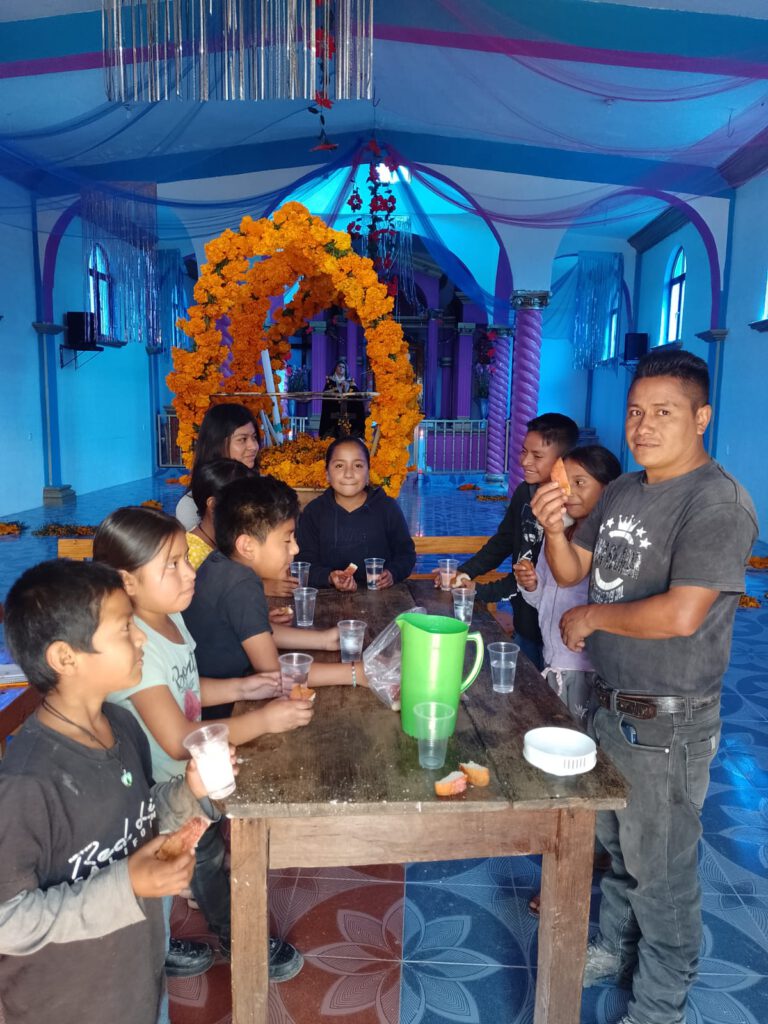
The singer finishes praying the rosary there, the groups mentioned above gather and sing some Christmas carols, and then the whole parish community continues to socialize. It is customary to serve pozole and coffee, the band plays, and people are encouraged to dance. Everything ends around 11 or 12 at night. There are three groups of singers: two from Guadalupe and one from Juquila. They divide up the days on which they will sing and participate.

It has been a different experience to celebrate these holidays away from my family. As my brothers told me, now you will spend time with other people, and when you come home for vacation, it will be time to spend time with us. What keeps me going is the prayer and encouragement that my whole family, friends, and acquaintances give me. I am trying to take care of God’s things because I know that He is taking care of mine, which are mainly here on earth, me and my family.

Mariana, CLM in Metlatonoc (Mexico).

CLM in the Metlatonoc mission

LMC Mexico

We began this mission in Metlatónoc Guerrero on July 1, 2025, Mariana Meléndez and Leticia Orduñez, Lay Comboni Missionaries (CLM). We started from scratch, as the house where we would live was unfurnished and needed some plumbing work. We lived in the parish house until the 17th of the same month, when we moved into our new home, which was still undergoing repairs but was already livable. It is well located. From the roof, you can see the different neighborhoods, the mountains, and a beautiful landscape where you can appreciate the natural freshness of the place. The second floor has four rooms, one of which has been converted into a kitchen, and the others are bedrooms, so we can receive missionary visitors. Going down the stairs to the first floor on the left side, there is a large room that we plan to use for human growth meetings for people who are interested in learning crafts, tutoring, or whatever people have asked us for, such as praying the rosary.

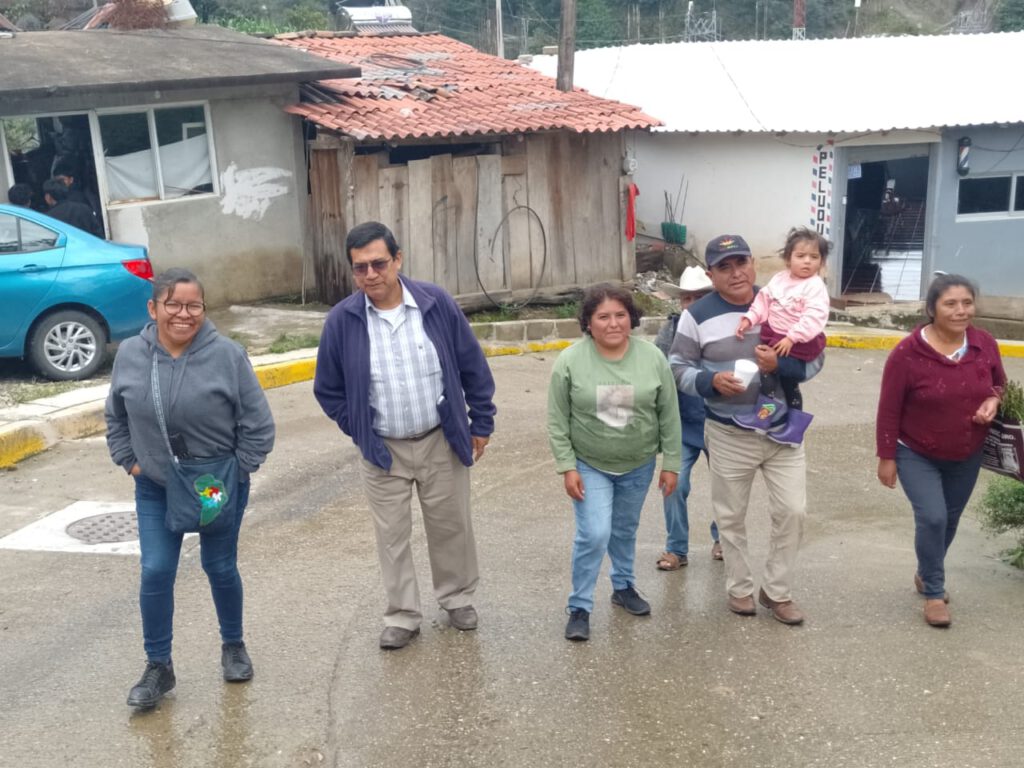
The Parish of St. Michael the Archangel, where Father Miguel Navarrete, MCCJ, is the pastor and Father Wojcech, MCCJ, is the vicar, has 39 communities. They are served by the notary’s office, which is open early in the morning. People from all the communities come there to request Mass, describing the needs of their families or requesting a sacrament. The local officials also invite the priest to celebrate Mass at their community’s festival. Little by little, we are making ourselves known at Masses, gatherings, and celebrations to which we have been invited. Father Miguel introduces us as missionaries who will be spending some time in Metlatónoc supporting the Church’s pastoral ministry.

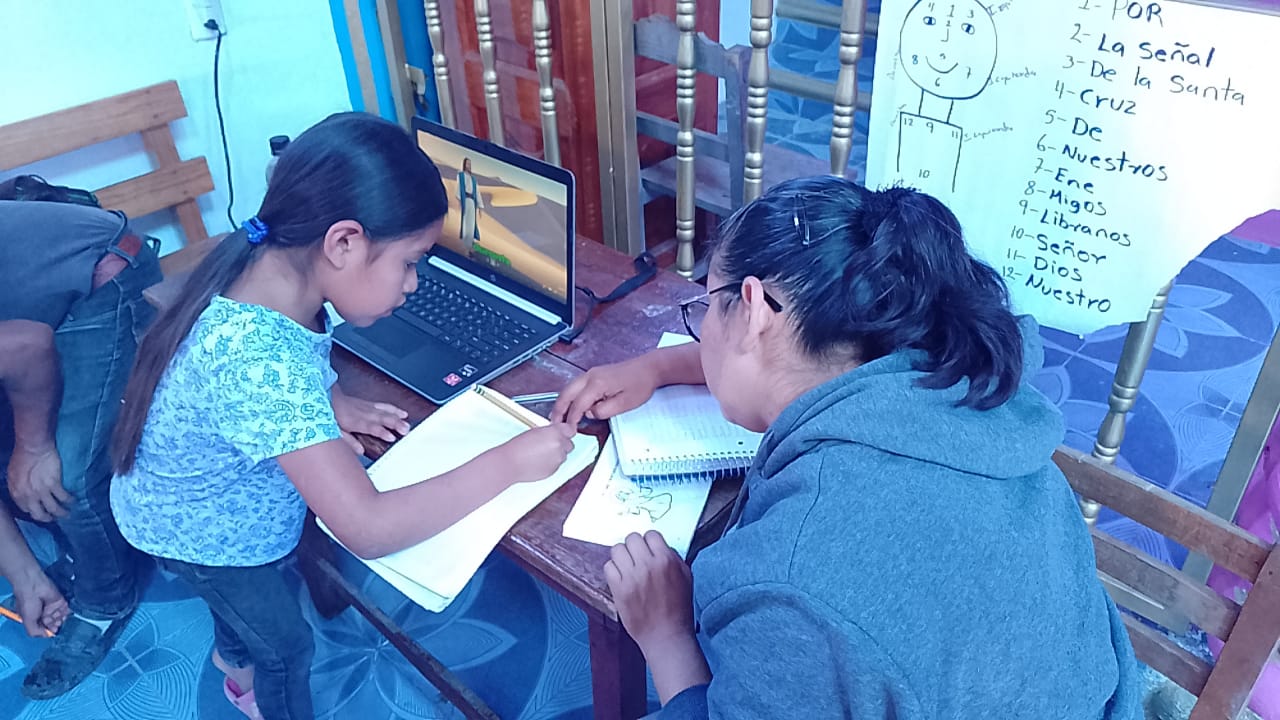
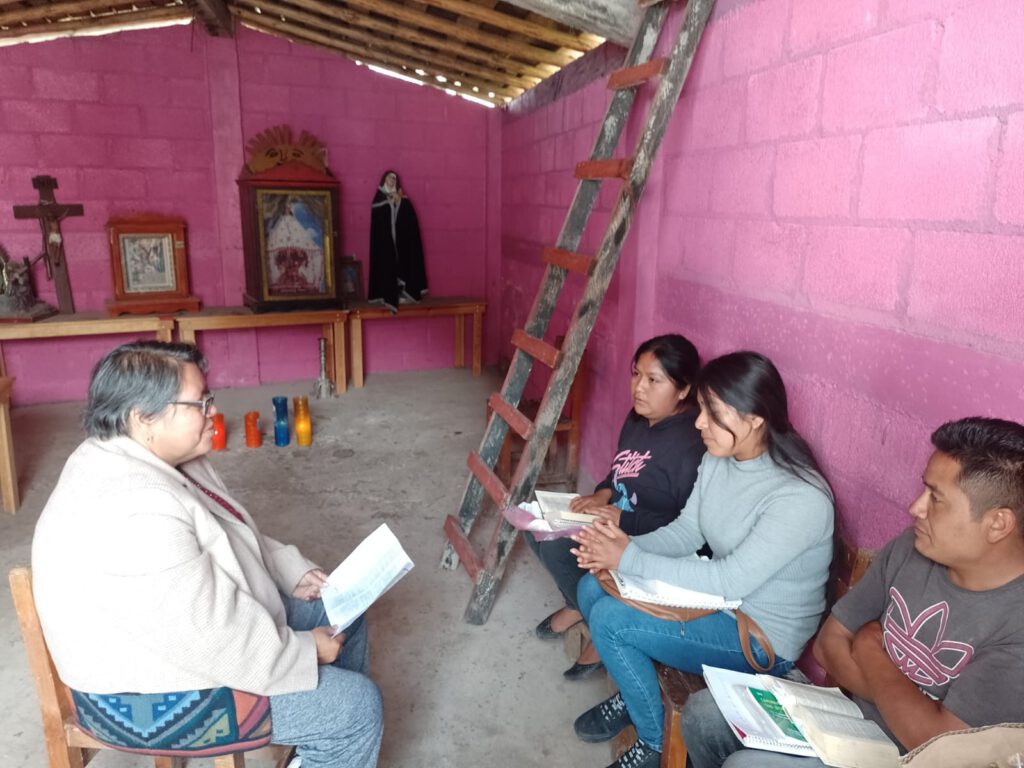
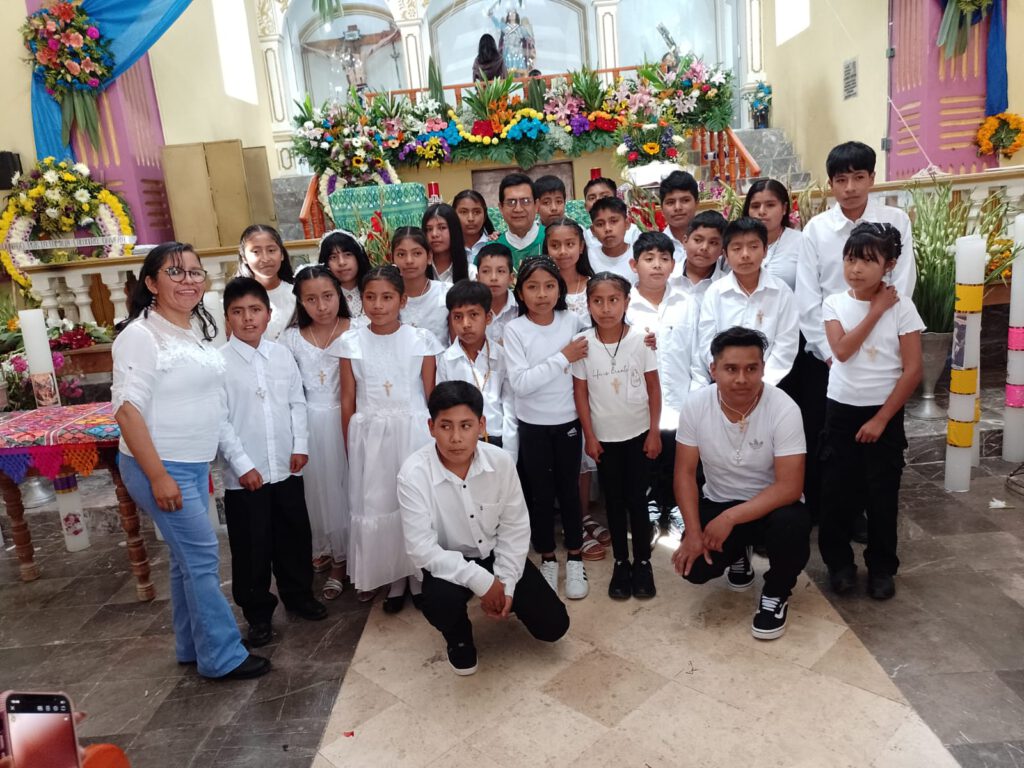
Catechesis is the door that has been opened for us to serve. We have begun in the parish area and in a community called Yuvinani. We have a group to train pastoral agents, with whom we meet twice a week for six months with a program proposed by the parish. Mr. Billano, Cristina, Elvia, Florina, Marcelina, and Adelma participate in this program; they are people who have made themselves available to help in the church. There are two groups receiving the sacraments: one is made up of 33 children and young people aged 9 to 24 who are preparing to receive their first communion, and the other is made up of seven teenagers aged 13 to 16 who are preparing for their confirmation. We are learning basic prayers and the commandments, and we share with them topics such as creation, the prophets, and the life of Jesus. We use videos to facilitate their understanding, giving examples from their community experiences and teaching them to differentiate between good and evil. The challenge we have encountered is language. Not everyone speaks Spanish, and we do not know Mixtec, so I am always checking with Mr. Billano, who helps me translate.

During these vacations, we had the opportunity to participate in the intensive catechesis and school support course organized by the parish priest, where we joined the service team and collaborated with Cesar, Consuelo, and Sonia, young people who are on vacation because they are studying abroad. Cesar taught mathematics and English in the school support program, while we women were involved in catechesis. There was good participation, even though it was raining, the children did not stop attending. They arrived at 3:30 p.m., we started with integration games, then the topic, and at 5:00 p.m. we participated in Mass. After that, we just gave instructions, they gathered their things to finish at 6:00 p.m. and leave early for home.

Due to the rains at this time of year, it is not possible to travel to the more distant communities because the roads are dirt roads, there are landslides, the hills are crumbling, and rocks of all sizes can fall, blocking the roads. It is also dangerous because accidents can happen and vehicles can fall into the ravine. The recommendation is that we visit these communities during the dry season. We already know some of them from visits we have made during Holy Week or Christmas.

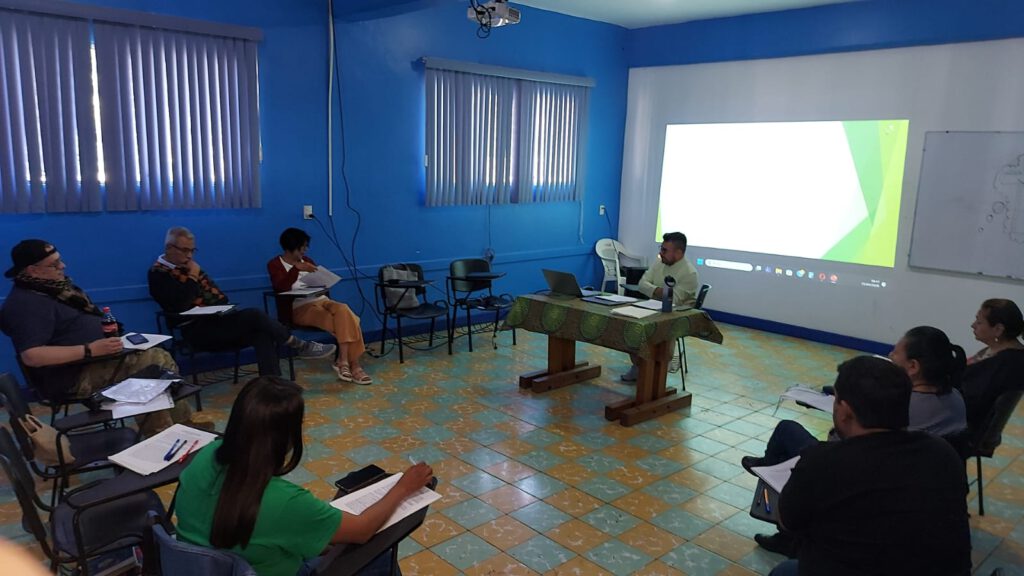
We participated in the Diocesan Assembly in Tlapa, representing the parish with Fr. Miguel, Cesar, Gabriel, Adelaida, Leticia, and myself. We met for a week and discussed topics that helped us gain a general overview of the indigenous communities. We realized that there are different indigenous groups in the diocese, as they speak Tlapaneco, Nahual, and Mixtec, and there may be other language variants. Work teams were formed according to the area of service. Fr. Miguel and Gabriel were in the catechesis area coordinated by Fr. Nacho; Leticia and Cesar worked in the mission area coordinated by Fr. Damián; Adelaida and I were in the education area coordinated by Fr. Juan. It was something new for me, but it involved a lot of learning and commitment. The work was intensive and very helpful for us who are just arriving. Little by little, we are doing our part to walk in our Church where all the baptized can contribute something. I am grateful to those who keep me in their prayers, which give me the strength to continue even though I am far from my family. Thank you for your financial support, which makes it easier to continue maintaining the community. I would like to share with you that here the basic food basket is more expensive than in my community because it is not sold by the kilo but by the piece, and fruit and vegetables are really expensive. You can also join this project so that there are more of us in this CLM mission that we are starting on a permanent basis.

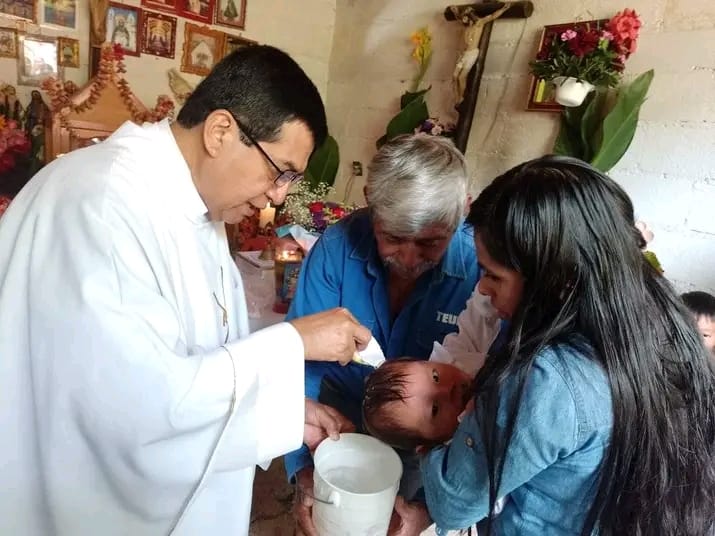
It has been a very beautiful experience to be sharing with the Mixtec people: the catechism course, school graduations at different levels, baptisms, quinceañeras, parish activities, and sharing with people in the traditions and customs they have here, as well as in celebrations in other communities. Everything has been very enriching for me as a person, but without forgetting who I am and where I come from.

Mariana Melendez Candido, CLM Mexico.