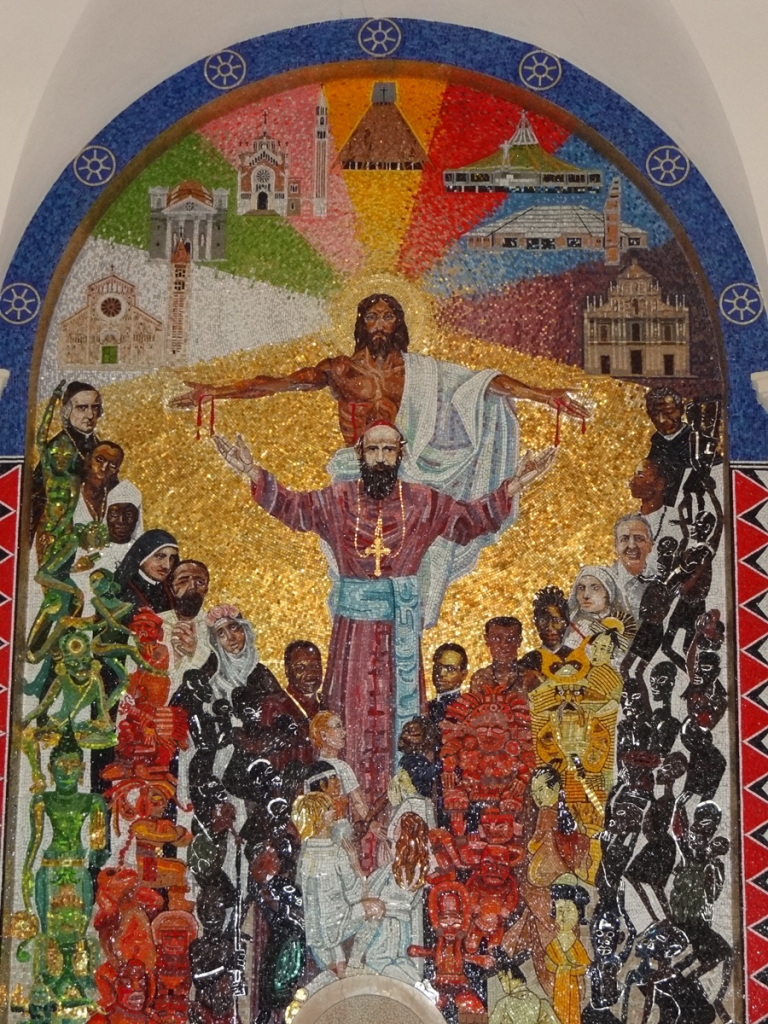
 «Not for an instant did this adorable Heart…not beat with purest and most merciful love for men. From the sacred manger in Bethlehem he hastens to proclaim peace to the world for the first time: as a little boy in Egypt, alone in Nazareth, a preacher of the Good News in Palestine, he shares his lot with the poor, invites little ones to come to him, comforts the mournful, heals the sick and raises the dead to life; he calls the burdened and forgives the repentant; dying on the Cross he prays with great docility for his own torturers; risen in glory he sends out the Apostles to preach salvation to the whole world»
(W 3323).
Dearest Sisters and Brothers of the Comboni Family,
With this letter, fruit of a period of prayer, reflection and sharing that we lived together at the closing of the Year for Consecrated Life and the commencement of Jubilee Year of Mercy, we wish to offer all the members of the Comboni Family some of our reflections and we want especially to invite each one of you to live in depth the challenges and opportunities that the Jubilee Year offers us personally and as a Family. To this end we desire to propose to you a day of prayer in common, remembering what Comboni told us: “The omnipotence of prayer is our strength” (W 1969).
“Miserando atque eligendo”: loved and pardoned / called and pardoned
Called by the grace of God to follow Christ in the footsteps of St. Daniel Comboni “Before the world was made he chose, chose us in Christ to be holy and spotless, and to live through love in his presence” (Eph 1:4), we have also received, as an integral part of our charismatic DNA, the call to contemplate the Pierced Heart of Christ on the Cross, the most eloquent expression of the infinite mercy of God for the whole of humanity, and to allow ourselves to be transformed, so that we, too, may become an embrace of love and mercy for all “to make us praise the glory of his grace, his free gift to us in the Beloved, in whom, through his blood, we gain our freedom, the forgiveness of our sins. Such is the richness of his grace”. (Eph 1:6-7)
Like all men and women disciples of Christ, we are aware that the Gospel we wish to proclaim is greater than us. We well know that the sequela Christi, which calls us to witness to Him with our lives and our words, is demanding but we are not always equal to the task of proclaiming the message He entrusts to us: at times we lack the necessary depth to live according to our calling.
In our personal prayer, sacramental life, spiritual direction and in the encounter with our brothers and sisters we experience the mercy of God. We are grateful to the Holy Spirit who works in our hearts, granting us the spirit of repentance and purification. We thank God for the gift of joy in being pardoned that renews us and makes us ready to start afresh every day.
Misericordes sicut Pater: within our communities and families
God loves us and forgives us, and makes us experience this mystery through the personal encounter with Him and expresses his mercy through our brothers and sisters. In our communities and families, we are called, consequently, to accept one another, thanks to the Holy Spirit who unites us around Jesus and makes us ever more a cenacle of apostles.
In daily life, in the moments of fraternal correction and in our meetings and gatherings, we come to know how much we live in mutual mercy. If we all commit ourselves to living the Good News of the merciful love of God, we help one another to grow, to be purified and reconciled.
Our brothers and sisters, family members, make us understand that they forgive us when they wait patiently and move in step with us; they bring us into contact with love when they have confidence in us, despite our limits. When the communities and the family live in mercy, they become a place of grace, of healing and reconciliation in which communion and life are built up, without denying one’s own difficulties, weaknesses and limits, or those of others.
All of this qualifies the experience of mercy that we live among ourselves. “Mercy is not opposed to justice but rather expresses God’s way of reaching out to the sinner, offering him a new chance to look at himself, convert, and believe.” (MV 21)
Misericordes sicut Pater: in the apostolic community
God our Father has called us to serve and work together as an apostolic community; in this place of collaboration, we are challenged to grow in our journey of going out of ourselves and configuring ourselves to Christ, the obedient servant. To us, who are called to live the new commandment of love, “Love one another; just as I have loved you, you also must love one another” (Jn 13:34-35), the Lord gives all the graces necessary to share his mercy and makes us able to forgive one another.
The gift of mercy makes us able to go out of ourselves, to live gestures of tenderness and to be charitable among ourselves: that is, to accomplish works of spiritual and corporal charity in our midst.
It is often hard for us to ‘live in mercy’, assuming the sentiments of the Heart of Jesus. At times, we are more drawn to be charitable towards those outside our community and our family, forgetting those with whom we live daily as an evangelising community. God, who wants us to be merciful, desires that we practise mercy first of all among ourselves and those closest to us.
Misericordes sicut Pater: with the people of God
Our service invites us to entrust ourselves to the people of God who welcomes us in his name. Experience teaches us that, if we are humble and open, our brothers and sisters will be merciful to us. Attitudes of arrogance and superiority on our part evoke a different sort of response. The call to live in mercy, as Comboni did, obliges us to undertake a journey of conversion and healing in order to live our relationships in simplicity, humility and humanity.
Misericordes sicut Pater: towards our institutions
During our journey of belonging to our Institutes/groups/Comboni Family, our sentiments of love, healthy pride and gratitude ought to grow with the passing of years. However, at times we find sentiments of bitterness, destructive criticism and the ‘terrorism of gossip’, as Pope Francis calls it. We may say that this is part of our human condition, marked by sin and still in transformation. Our weaknesses should neither surprise nor scandalise us. They ought not diminish our sense of belonging, our happiness in being Combonians, or our desire and commitment to live, in a worthy fashion, the call to be Holy and Capable, in the footsteps of St. Daniel Comboni.
During this Year of Mercy, let us be reconciled with our discomforts and wounds and let us really “…be clothed in sincere compassion, in kindness and humility, gentleness and patience…” (Col 3:12) and so give new life to our love for our great Comboni Family.
Misericordes sicut Pater: instruments of mercy
The experience of mercy fills us with joy and the desire to proclaim that his mercy is without end (Ps 25:6).
Following the example of St. Daniel Comboni, the experience of divine mercy makes us widen our hearts and open our arms towards suffering humanity so that “... we can offer others, in their sorrow, the consolation that we have received from God ourselves” (2 Cor 1:4). Through our witness, service and presence among the people of God, by means of our being mission, we are called to participate in the saving work of the merciful God revealed in Jesus.
And so … Let us celebrate Mercy
In this Jubilee Year, through the intercession of Mary, Mother of Mercy, we ask God the Father for the gift of acknowledging our need of His mercy and our desire to be reconciled: with ourselves, our brothers and sisters in our communities, our family members, our collaborators, the People we serve and our Comboni Institutes and groups.
We therefore invite all the members of the Comboni Family – SMC, ISMC, MCCJ, LMC – and other Groups/movements that take their inspiration from the Comboni charism, to celebrate, on 17 March, 2016, the XX anniversary of the beatification of St. Daniel with a day of prayer-contemplation on the Mercy of God in Comboni. This is an invitation to all of us, as his children, to let ourselves be transformed by the Mercy of the Heart of Jesus and to revive our compassion and commitment to proclaim, in word and in deed, the God of Mercy to our most abandoned and suffering brothers and sisters.
We greet you with deep affection.
The General Councils and Coordinator of the LMC Central Commission:
SMC – Comboni Missionary Sisters
ISMC – Secular Institute of Comboni Missionary Women,
MCCJ – Comboni Missionaries of the Heart of Jesus,
LMC – Comboni Lay Missionaries.
Rome, 28 February, 2016.

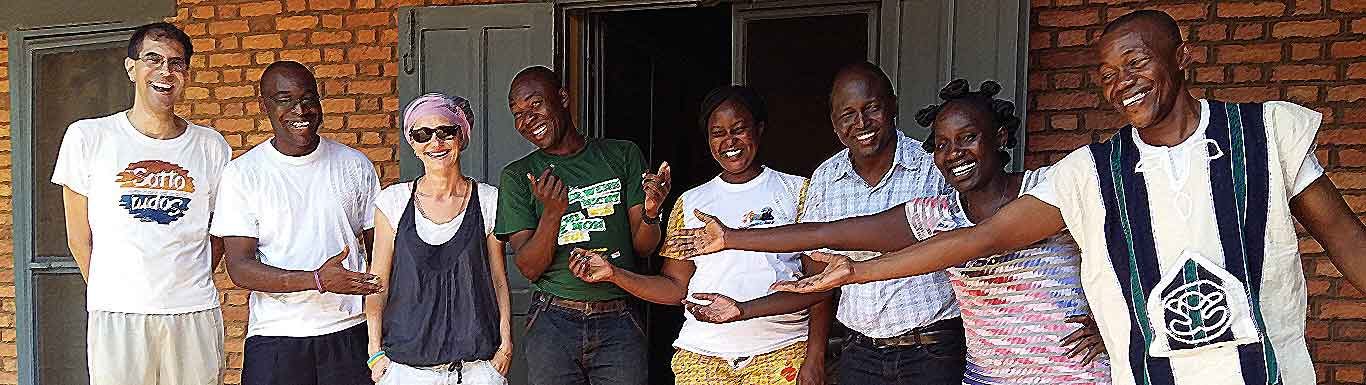
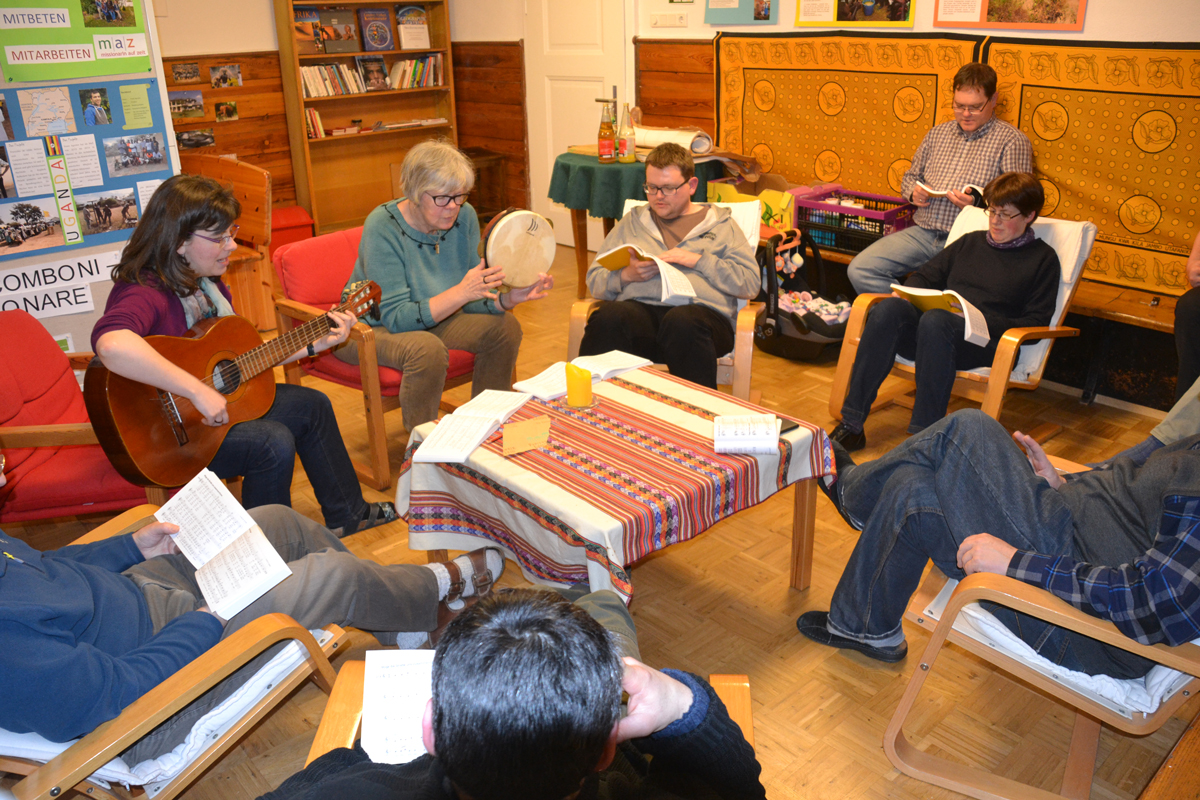
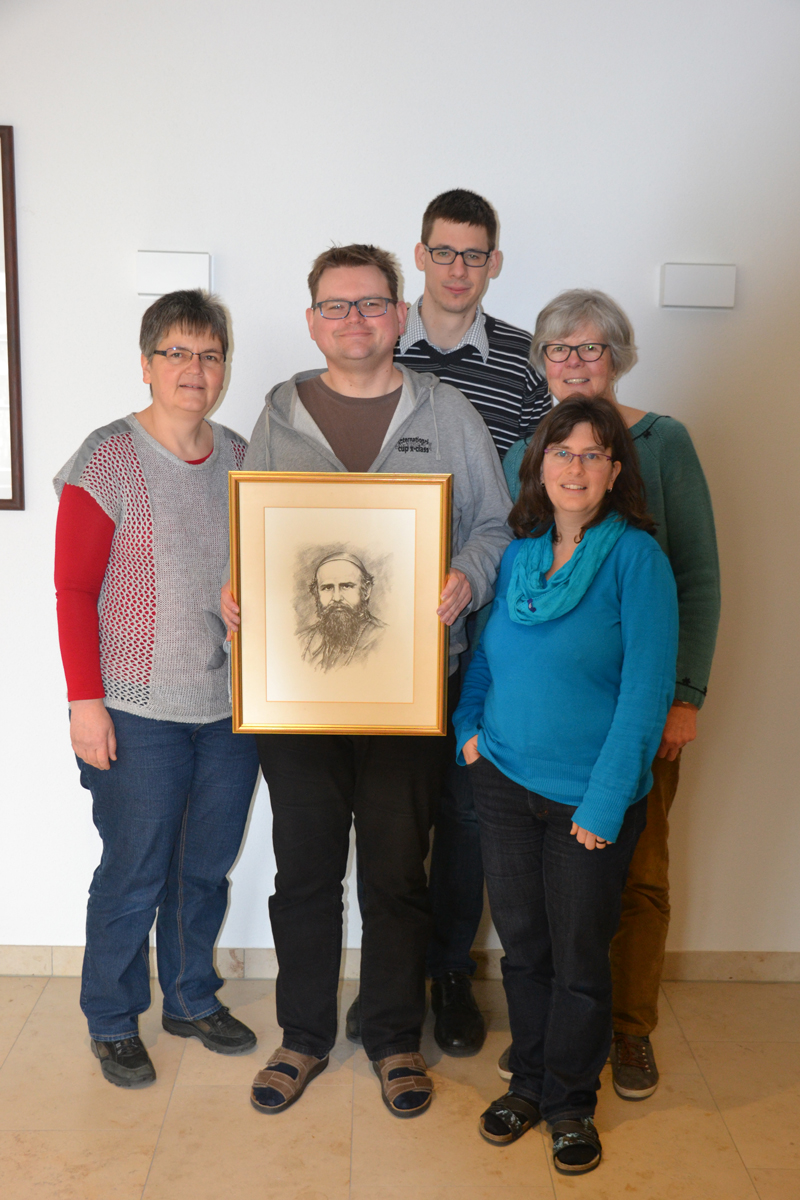 Meeting of the Comboni Lay Missionaries (CLM) in the house of Nuremberg from 18 to 21 March 2016
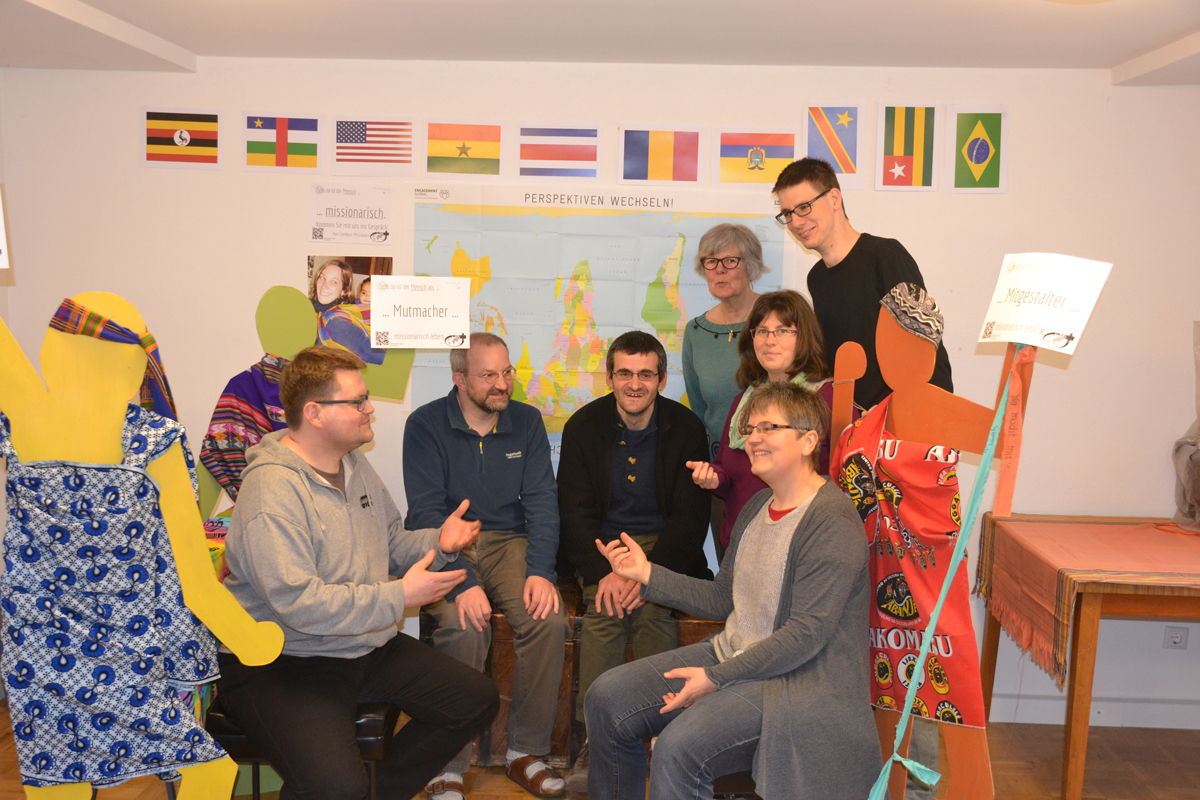 On Sunday, we participated with the community in the Mass on Palm Sunday. During the Mass, topical issues as slavery, the situation of migrants and the World Church were spoken. Children put symbols on the altar while adults told the passion of Christ. We could recognize issues quite linked to our way as CLM.