Comboni Lay Missionaries

André the boy who likes to dream…!!!

Mongoumba
Mongoumba

His eyes shine crystal clear with desire.

Eyes that seek the horizon in the dense forest.

With the same intensity as yesterday, his smile is full of hope and joy.

Today school days are part of a near but long past.

He plays at survival with his family

He dreams of one day being a passenger, a driver or simply an observer of the beautiful car that passes by his house.

He dreams of clean clothes, whenever the white man shines.

He dreams of the simple touch of his hand, of the lingering greeting

This barefoot boy with his easy smile wants one day to be like “You”.

Inside his house made of green paper and red glue is the small fire that insists on warming the cold that is felt.

The red mantle of this land consumed by the sun, is now painted with the incandescent heat of the bodies that curl up with each other forming a large canvas, made of human paint

This boy wants one day to be like “You”.

He dreams of one day being able to have a tree all to himself full of fruits to eat and share

He dreams of being able to understand what books say.

The sun is peeking through the morning mist, it’s time to get up and listen to what the wind says.

The day is marked by the laziness of the daily and repetitive routine.

Today little André is leaving for the deep forest

He is going to meet the majestic and ancient trees, they are the masters of his world.

At this time of year, they are dressed in their most beautiful and delicious butterflies.
Mongoumba

The family is happy, the scent of the flowers speaks of abundance.

In a little act everything is ready for the journey

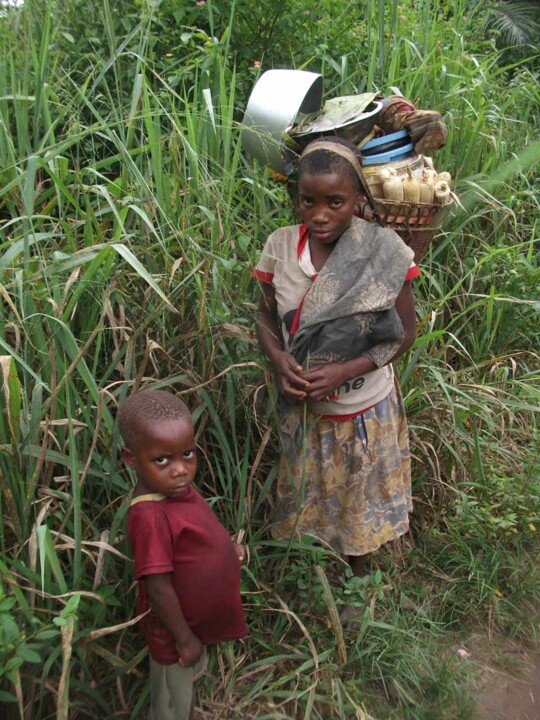
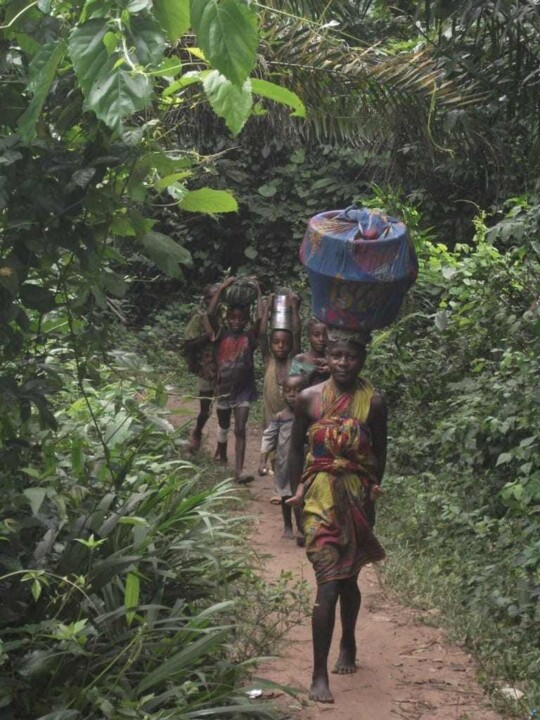
Mama with a baby tied to her chest, with a basket on her back and on her head whatever was forgotten, winds her way along the path already traced by time.

Papa, machete in hand, makes way, for the trees insist on covering what is theirs.

André imitates his father with the small knife without a handle, tears the dense leaves like a true boy of the forest, makes life with his joy, he can dream of things that are not his, but his sweaty skin shines with pride and honor of being pygmy.

Cristina Sousa, Comboni Lay Missionary

Bangui, Central African Republic
Janett, an active Comboni lay missionary

LMC Colombia

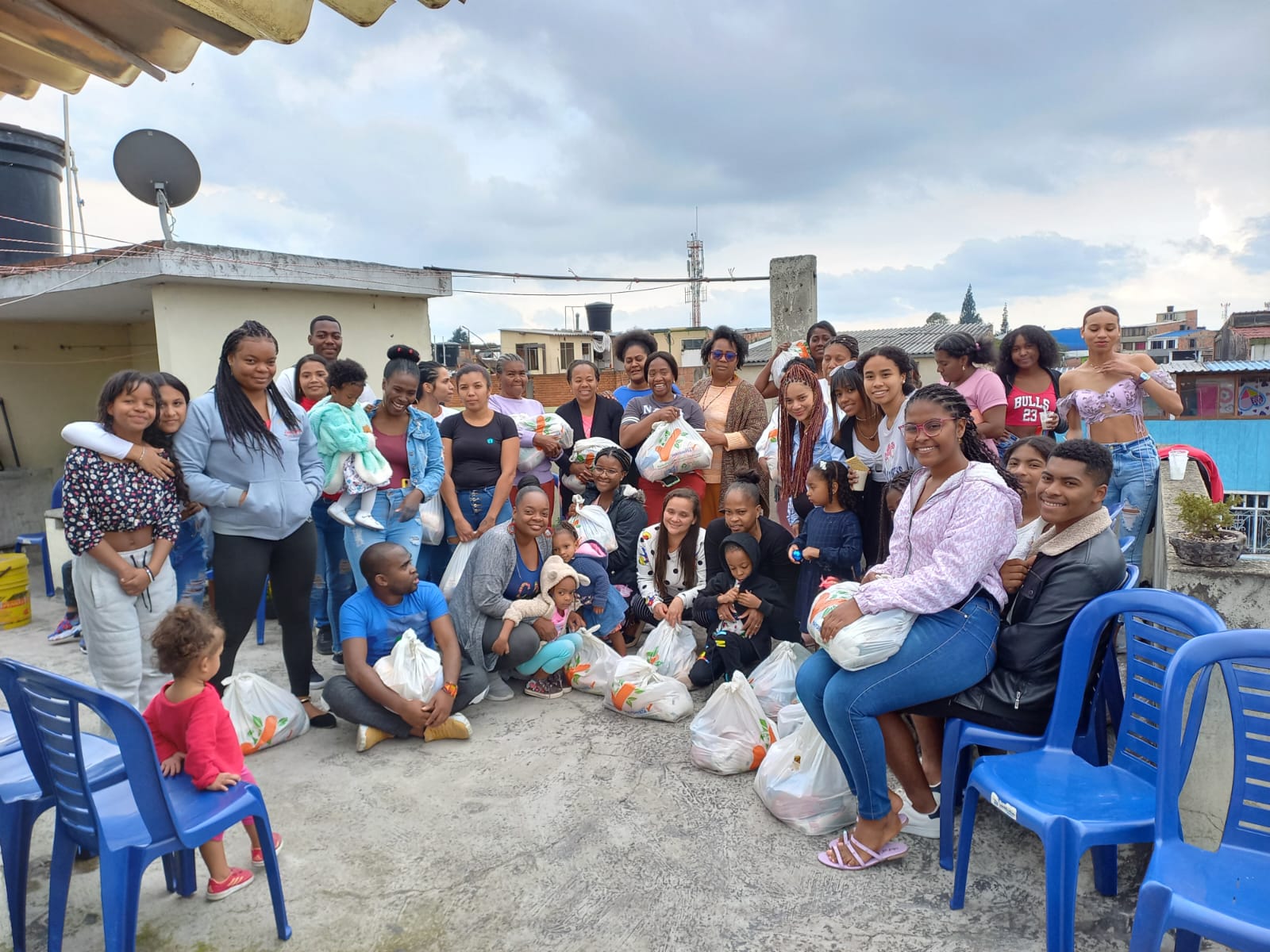
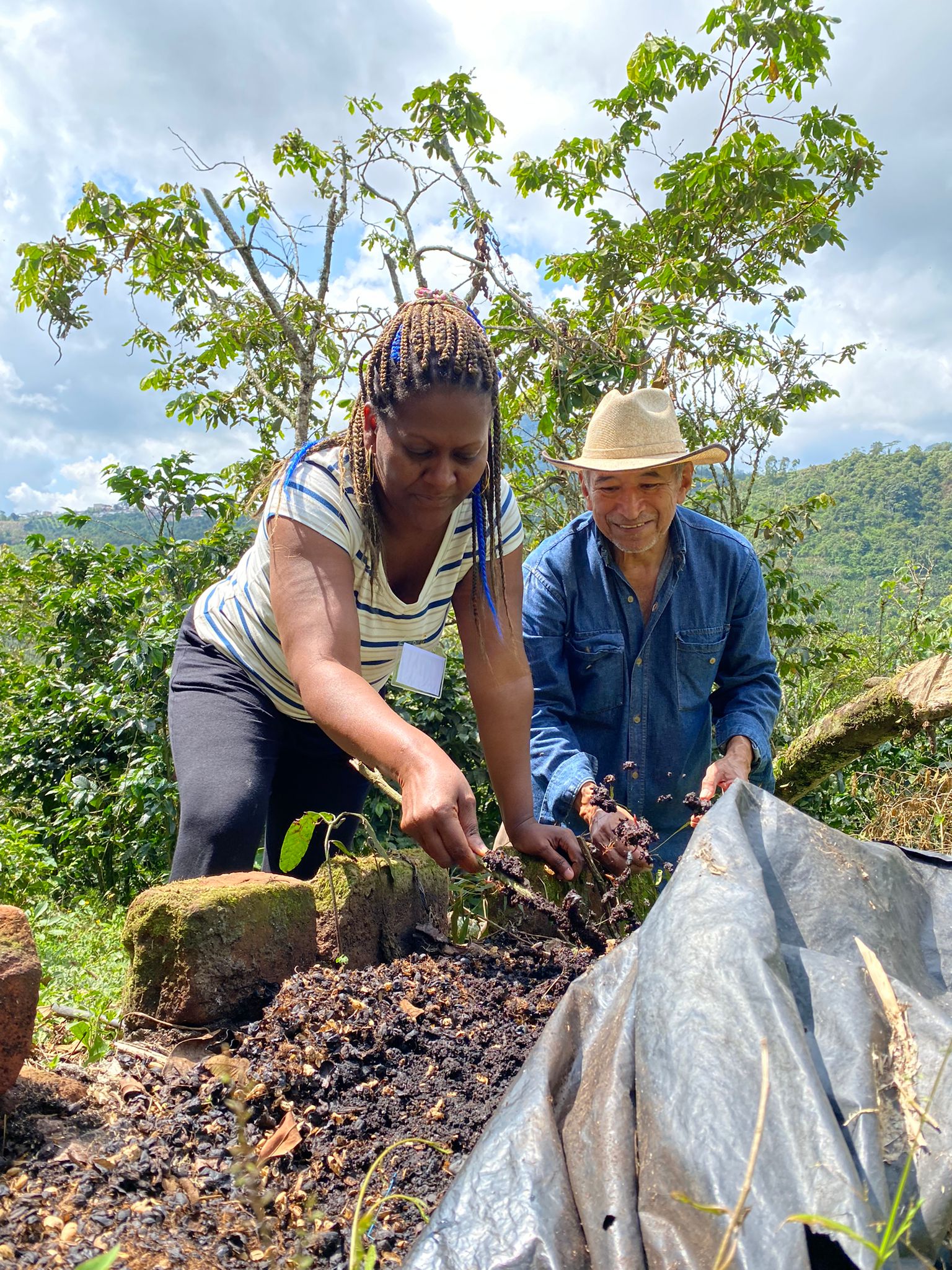
Janett Rocio Escobar Angulo, born in Tumaco Colombia in 1974, like many other people, arrived displaced to the city of Bogotá, only burdened with the hope of finding better opportunities that would give her and her family the security and stability that was taken away from them in their homeland.

The arrival to the city was not the most difficult thing, what really required temperance and resilience, was to learn and unlearn new trades that would allow her to earn enough income to be able to send it to her family in Tumaco; not to mention what she had always heard on television, but had never had to live … “DISCRIMINATION“; being treated in the most offensive, grotesque, demeaning and humiliating way in every daily situation, from taking public transportation to the offensive orders in each of her jobs. But “Defeat is only defeat if you don’t learn something from it”, today she thanks God for each of those moments, because those sad situations have opened the doors to live opportunities of joy and prosperity, besides finding people who helped her to be formed, to be today leading her beloved Afro processes.

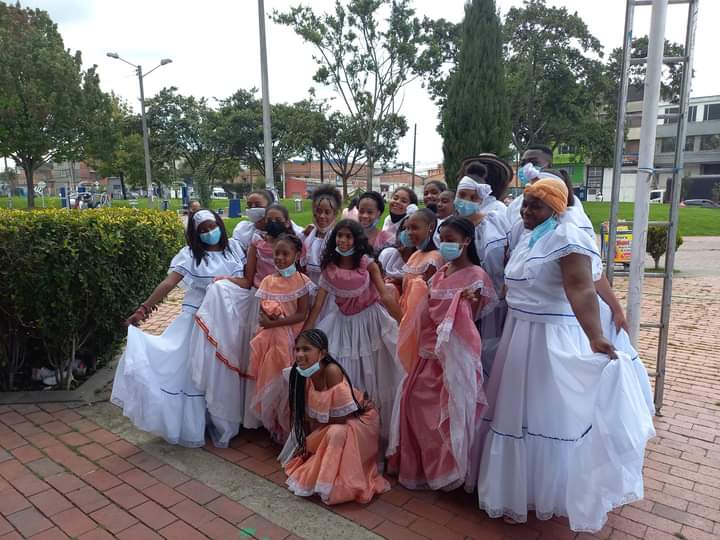
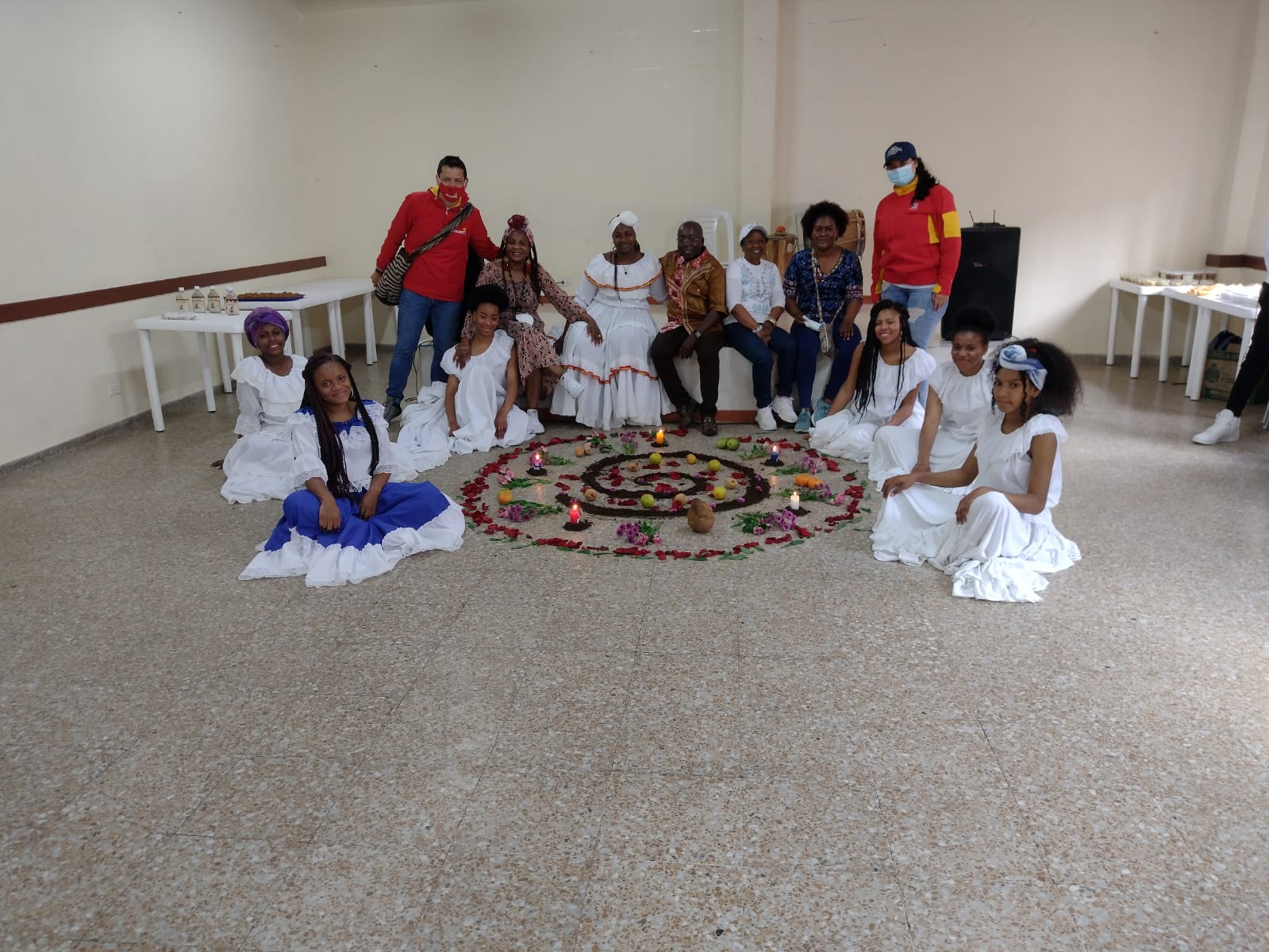
The lack of opportunities for the Afro population and the issue of discrimination and violation of rights, made Janet, Carlina, Maria Angelica and Angela Preciado, in 2016, as part of the association Renacer Afrocolombiana, give life to the training program on rights, self-recognition and empowerment for Afro children, youth and adults. On their first opening Saturday, Janett and her three musketeers decided to occupy the Villa Gladys park with their first 10 children and begin the task that no one had wanted to take on; that of teaching the Afro community the voice, the mechanisms and the strength to shout, claim and assert their rights. With the passing of time and being part of the Afro pastoral, they found an ally in the process and the cause, the International Comboni Brothers Formation Center (CIFH), they began to support training in English and French since they had foreign brothers who were in the country, teaching their native language to children and young people who were part of the program.

In this way Janett and the Comboni Missionaries began to know each other and it was not long before they decided to strengthen this bond and become Comboni Lay Missionaries. Her knowledge, her personality and her dedication to the mission made her a valuable member of the lay team.

Currently the program is made up of more than 100 children, youth and adults in the Engativá district; the Comboni Lay Missionaries support the activities that are carried out with a monthly contribution to sustain the program; every Saturday they meet at the Antonio Villavicencio school from 10 am to 3 pm, where they receive training from different professionals; as part of the strategies taken to achieve its objectives, the trainings have been opened to mestizo children; this so that they can socialize the Afro traditions, their culture and their stories, generating empathy to reduce prejudice and discrimination from these early stages of life. This program also includes a snack and lunch.

After working in restaurants and family homes, Janett is now a member of the Afro pastoral, leader of the district and national programs on empowerment and promotion of the rights of Afro-descendant communities.

Janett and the Comboni Lay Comboni Missionaries of Colombia have an active mission process, thanks to the presence and the need to support a project that every day becomes more visible and benefits a more significant population of a sector of Bogota.

Prepared By Alexandra García

On the rails of love and friendship our train travels through life. (2/3)

LMC Brasil

The perfume takes over our entire train. They are the ones who come to take us by the hand and guide us, as the conductors of this train. They are the ones who smile at us, as a gesture of their welcome. They are the ones who feed us and toast us. Yes, all women. Joyful, marked by the years of life and struggle, beautiful and smiling. Young and experienced. Short, long, and gray hair. The women who have passed us on this journey have shown that they are capable of embracing and fighting. To face great dragons and to stroke our heads when we turn on our feet. Eunice is one of these women. The first to welcome us to the priests’ home. Always attentive and welcoming. She marks our first contact with the women of that place. Also Dina and Maynara were in our wagon during this whole itinerary. They were the ones who prepared our way, organizing and cleaning the house of the CLM. They are the ones who welcomed us, taught us about the things of that place. They are the continuators of the struggles and celebrations of such a welcoming people. Suddenly, we were all together. The girls run among us in a game of getting closer, the young women who stare at the strangers are curious about those who come from afar, the women who open their arms and hearts to welcome us, and the ladies, the leaders who have already done, are doing, and, if necessary, will be able to do it all again.

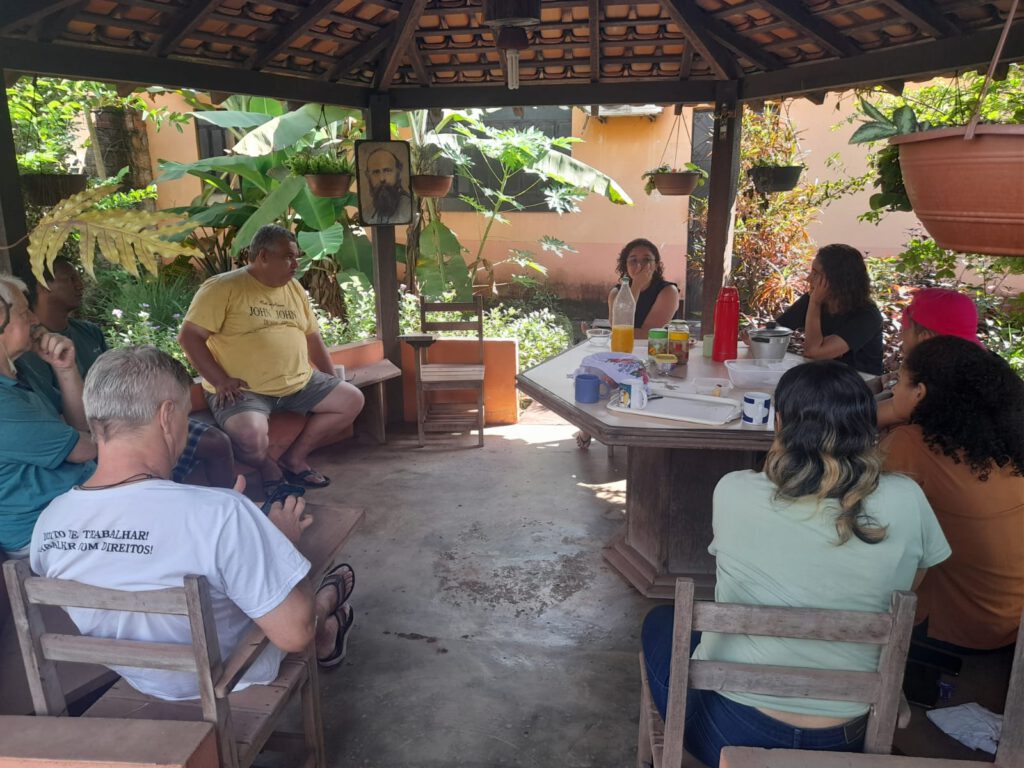
Knowledge is something that only grows when we share it. And so it was on our mornings, sipping coffee or a mug of juice, many juices, that we shared our knowledge with Marcelo, Father Carlos, João Carlos, Valdênia, Renato, Yonná, Morgana and Father Joseph. And everything ends with a taste of wanting more, of staying in that station for a few more hours, days, lives. Learning is something unique and contagious. Those who learn begin to live with the desire to teach, to transmit, to share what they have received. But there is also teaching without words. With gestures, conversations, but mainly with attitudes. Father Silvério is one of these. He looks at the smallest, the little ones, with a sparkle in his eyes, stories to tell and a whole life to dedicate to them.

We arrived at the highest station, the “Piquiá da Conquista” station. When I saw in the distance, hidden among the açaí palm trees, mango trees and babaçu trees, those little white houses, all well organized, a distant story of a place known as the Promised Land came to mind. It was while talking to Dona Tida, in the facilities of the restaurant Sabor da Conquista, that we learned about the history and the conquest that was taking place there, in front of us, present in the lives of the people of Piquiá de Baixo. Just like the Promised Land, this story has its Moses. One of the leaders of the community who was present in all the moments and struggles of this people. But it was on the day the first brick was laid, the day Piquiá da Conquista was sighted, that Mr. Edvar passed away from respiratory complications. Yes, he was one of those who died from the pollution brought by the steel mills to Piquiá de Baixo. Dona Tida (Francisca), like Josué, leads the people through the Piquiá River, promotes meetings, discusses, listens, and organizes the people. There are 312 houses. There will be 312 families with a new place to live, far from the dragons, but not far from their flames and smoke.

Perhaps you ask why this journey. Maybe these are not your tracks. Maybe none of it makes sense to you. But I can assure you of one thing, you have a way that is uniquely yours. But I have met a man, frail in appearance, intense in look, with a life well lived. To summarize this man, Ms. Tida revealed to us a secret that only experienced people, able to hear the whisper of God, are able to tell us. She asked us: Do you know that man who has the way of God? Our glances met as if asking: we still don’t know the way of God and how will we recognize such a person. She then asks us: do you know Father Dario? Our eyes open and everyone confirms: Yes, we know Father Dario. Each one with his or her own story about the one who has “God’s way”.

To be continued…

The heart of a Portuguese

Bartek

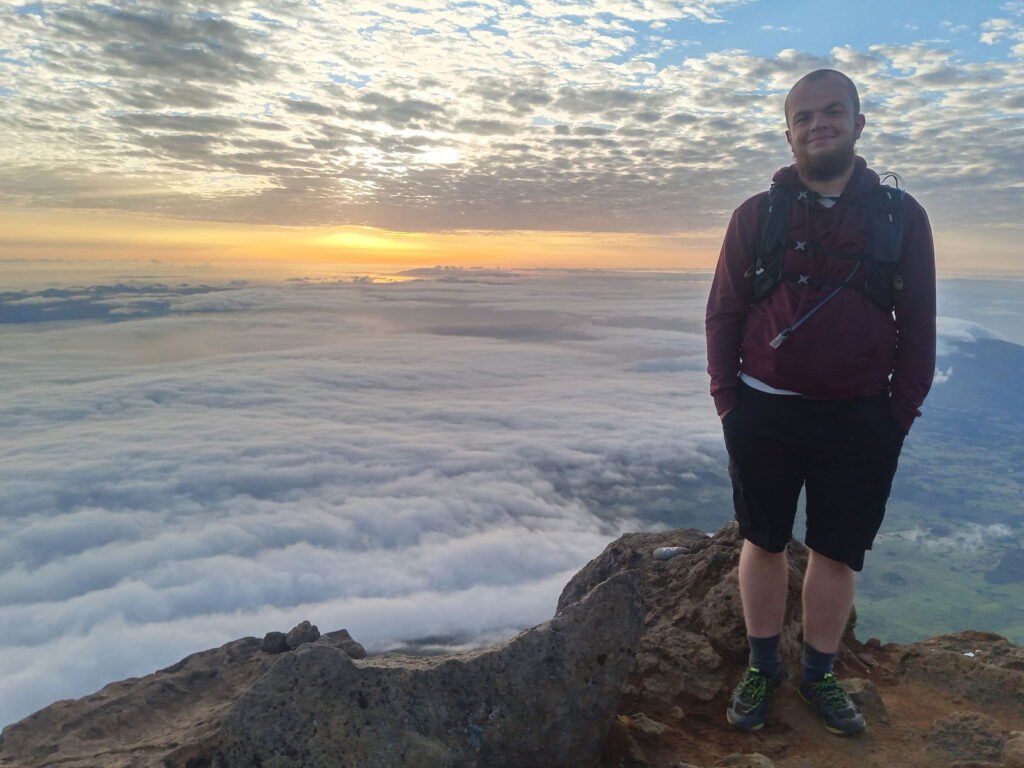
This is the third time I have come to Portugal. But a pilgrimage to Fatima and a city break in Porto was a completely different experience than the three months I have spent learning the language, volunteering and living with a local family.

Bartek

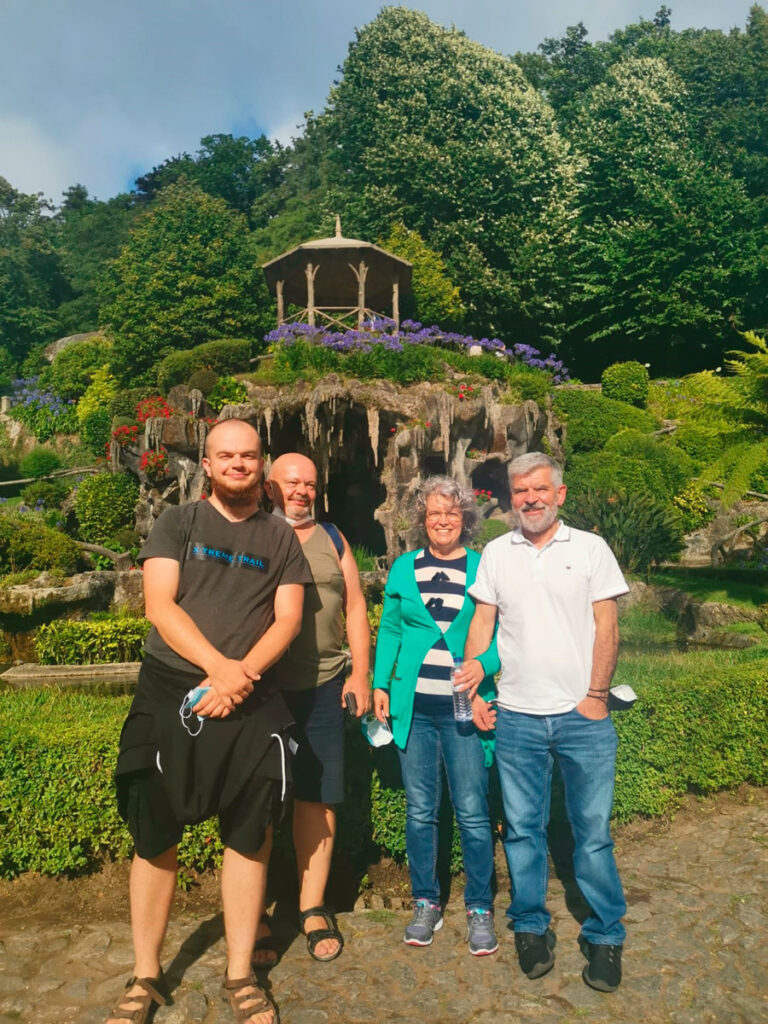
I have been a Lay Comboni Missionary since last October. On September 12th I will be officially sent on a two-year mission to Mozambique. One of the most important stages of preparation is a language course. From May 20, I lived in the village of Duas Igrejas (the name means literally “Two Churches”, although there is only one temple there) together with Gloria and António, a married couple cooperating with the Comboni Lay Missionary movement.

Initially, I compared the Portuguese reality to the Polish one. Portugal is a country with a standard of living similar to Poland, where in the past, due to poverty and joblessness, also many people decided to emigrate. A country where many people still practice their faith; they have a figure of Lord Jesus of Our Lady of Fatima in theirs gardens. Many catholic holidays are celebrated very solemnly there; among others non-working days are Ash Wednesday, Good Friday, the feast of the Assumption of the Blessed Virgin Mary and the Immaculate Conception of the Blessed Virgin Mary.

Fr. João Pedro Martins Ribeiro, local pastor of the three parishes (due to the small number of vocations, parishes are very often combined) presents a more pessimistic picture of religiosity in the country. He says that only a small fraction of the faithful goes to confession, is aware of what they believe and adheres to moral principles. Football is a religion for many Portuguese. Then the most important for them is to eat well and their favorite team to win the game. They go to church for the most important opportunities during holidays or at a funeral, when one of your friends dies – Padre João complains.

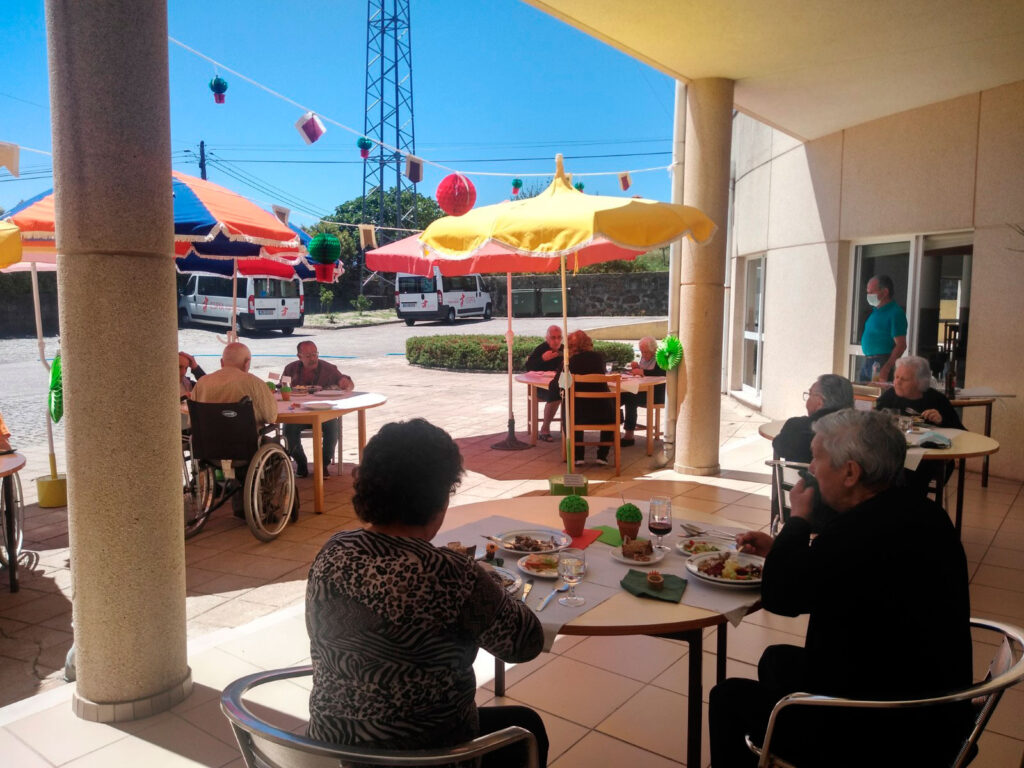
People in Portugal are very calm and conflict-free. I have witnessed many times like someone forced right-of-way, cut the road or blocked the passage. It is never used on this occasion horn or profanity. It just slows down or waits. Someone will make a mistake on the road, but I can also forget myself or not notice someone. Why should I react nervously to the mistakes of others? Better to be calm and understanding about everything – says Augusto, the extraordinary minister of Holy Communion and the working driver in the house of the daily stay, when I was a volunteer. Only once did I hear someone speaking a raised voice, I did not notice anyone drunk, I did not encounter any manifestation malice or aggression. The Portuguese are very helpful too. Repeatedly they let me leave mine a backpack in a cafe or ticket office at the station, they bought a beer or dinner when they heard that I had arrived to learn a language. It happened that when I ran to a train station late, the driver heard mine calling and waited for me to jump on the train.

I also experienced a lot of care and love from Gloria and António, who hosted me for three months at home. They took me to lessons and volunteering every day, cooked meals, took me to trips and bought a couple of language study books and two pairs of pants (after I destroyed my own, by unskillfully disinfecting the soles of shoes when entering the house). We joked that I was like them fourth, adopted, child.

Bartek

Soon, as a child who still has a lot to learn, I will go to my new home in Mozambique.

I will get to know a new culture, have a new job and build new relationships. Just like in Portugal and before in Uganda, I will leave a piece of my heart there and come back gifted with pieces of hearts people that I will met there.

Bartek

Bartek, Polish CLM

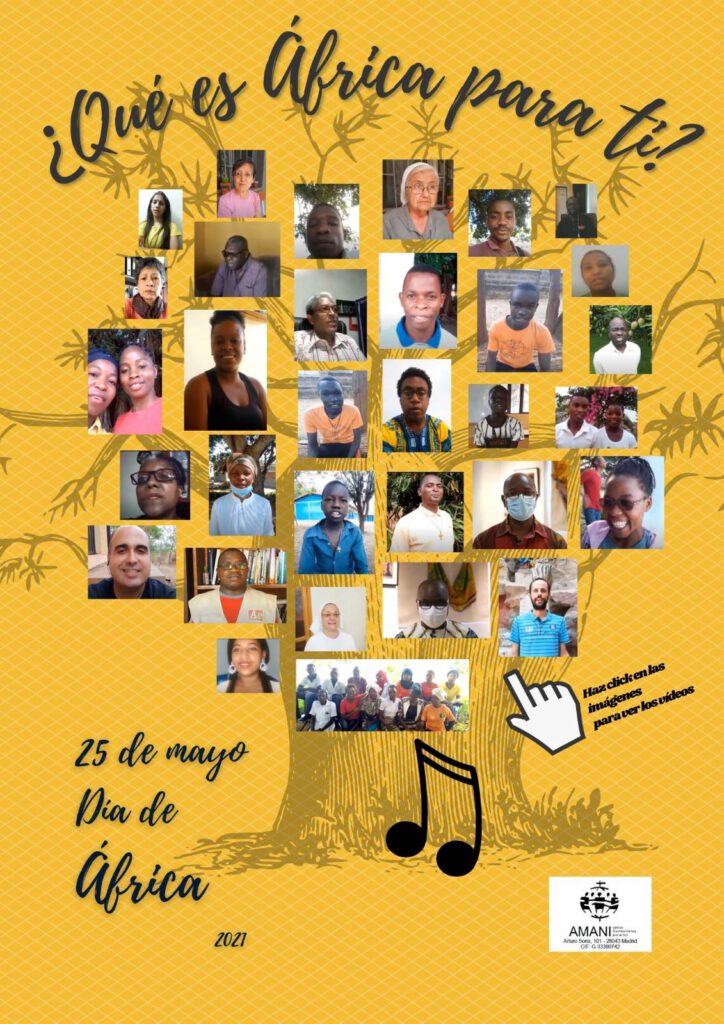
What is Africa for you?

AfricaAmani

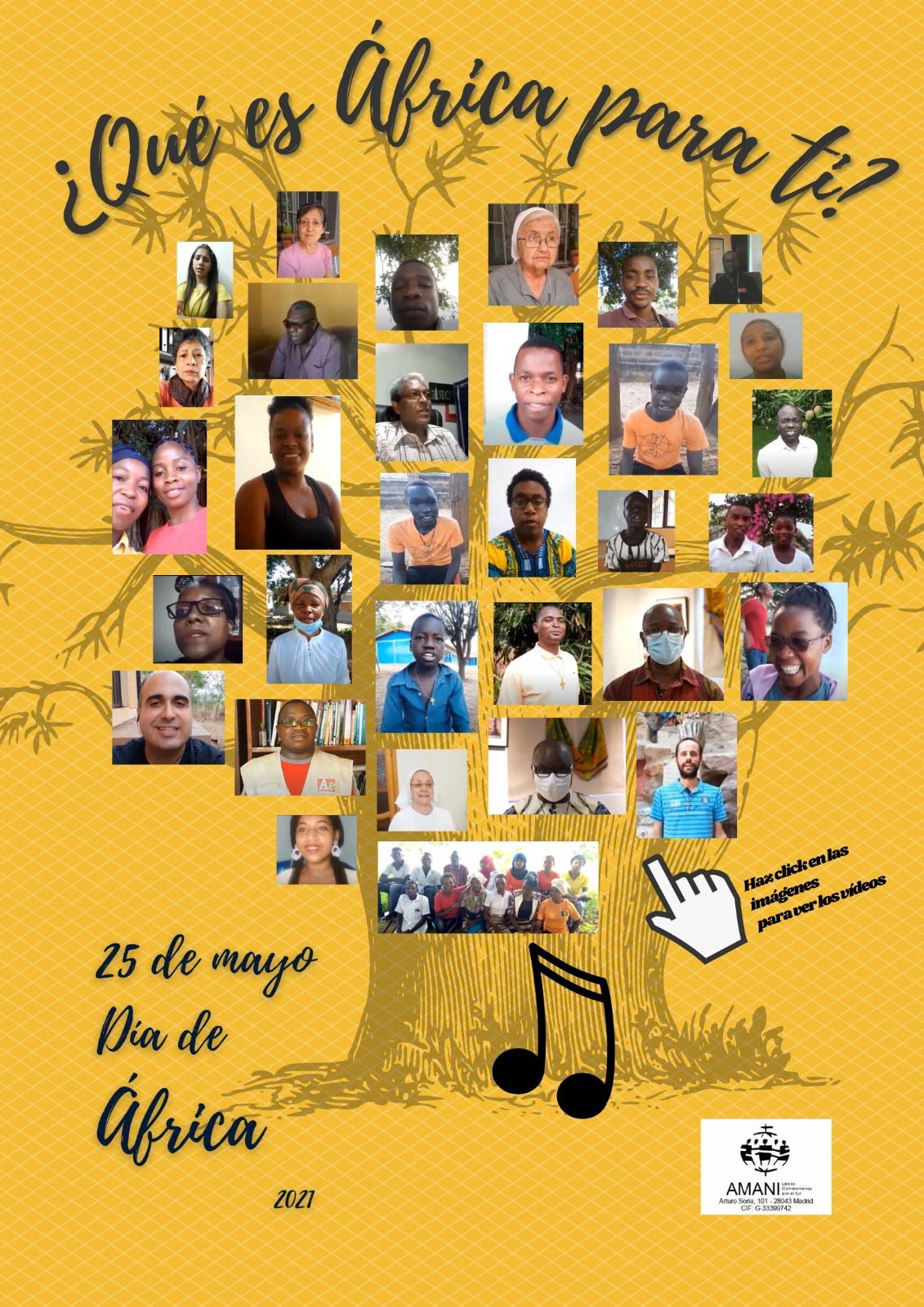
Today we celebrate the International Day of Africa. A day to celebrate the life and hope that is contained in this great continent and its peoples.

From our ONGD Amani-Laicos Combonianos por el Sur we want to give voice to different African people by origin or heart so that they can share with us what Africa means to them.

By clicking on each image of the tree you will be able to listen to the testimony of each of the people who participate (in several languages Spanish, English, Italian, Portuguese, Macua, Amharic…).

AfricaAmani

Amani-Laicos Combonianos por el Sur