We’d like to share with you this conversation organized by AMANI, a Spanish NGO that collaborates with the CLM, featuring the coordinator of the Central Committee of the Comboni Lay Missionaries.
In this video, he shares a glimpse of Africa—particularly from the perspective of the LMC present on the continent—covering some history, dreams, and the commitment to remain faithful to the missionary vocation inspired by St. Daniel Comboni.
(Video in Spanish)
It was a special time, a gift from God, to deepen and enrich my relationship with God and with others.
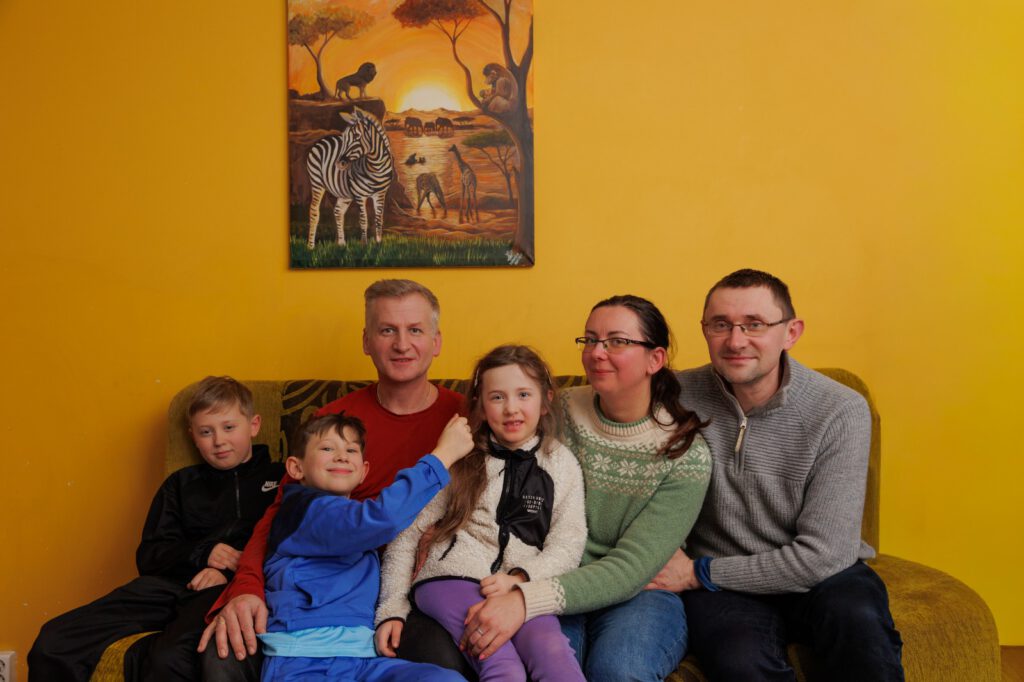
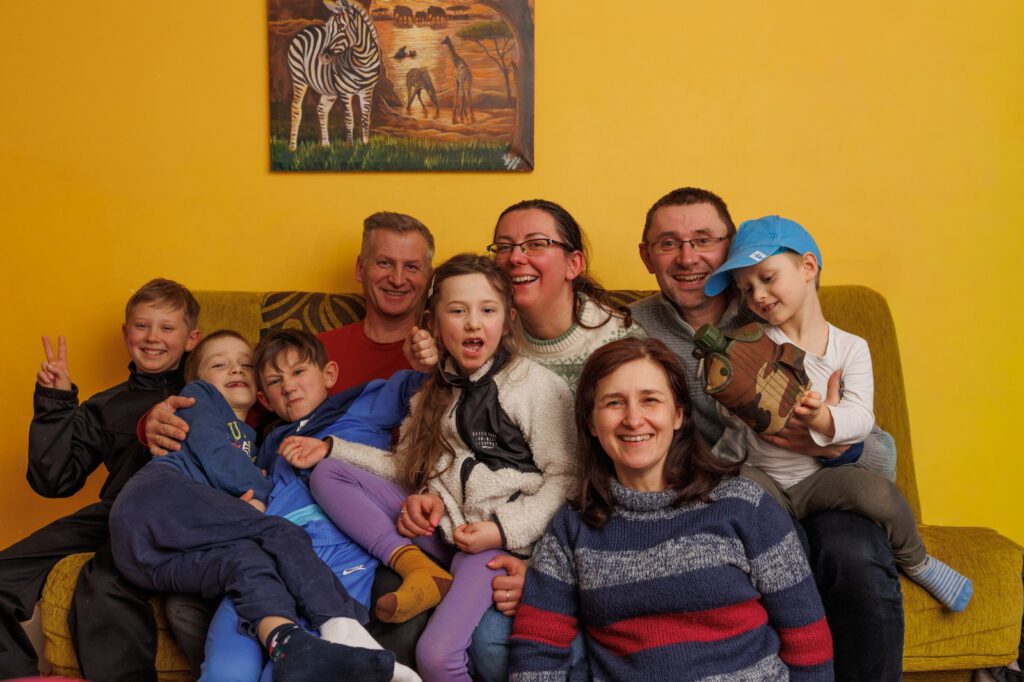
I am especially grateful to Edyta and Stanisław’s family, as well as their three children, with whom I spent these past few months. They opened their home and their generous hearts to me.
I warmly thank them for their kindness and understanding.
I also thank the Comboni Brothers and Fathers, as well as all the Comboni Lay Missionaries, for every gesture, every piece of good advice, every spiritual accompaniment, every meeting, formation session, presentation, and catechesis on Daniel Comboni, and for all the good they have done for me and continue to do.
During this Community Experience, I was also able to participate in the Ignatian spiritual retreat in silence and in numerous religious events. I also visited the tomb of the Servant of God Helenka Kmieć, whom I chose as the patron saint of my missionary ministry at the beginning of the Community Experience.
I thank you all for your prayers and ask you to continue praying for me, as my departure for Africa is scheduled in a few weeks.
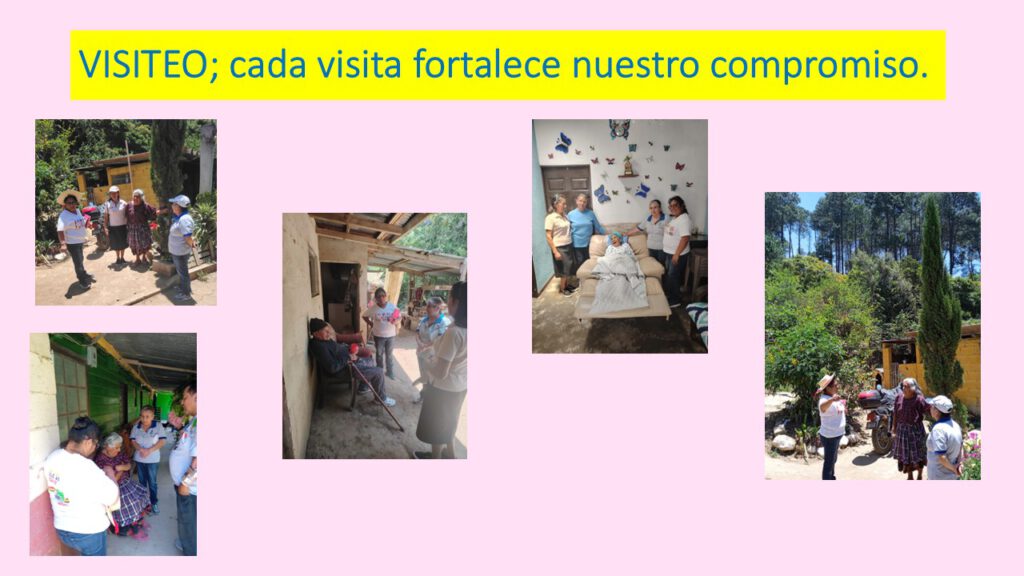
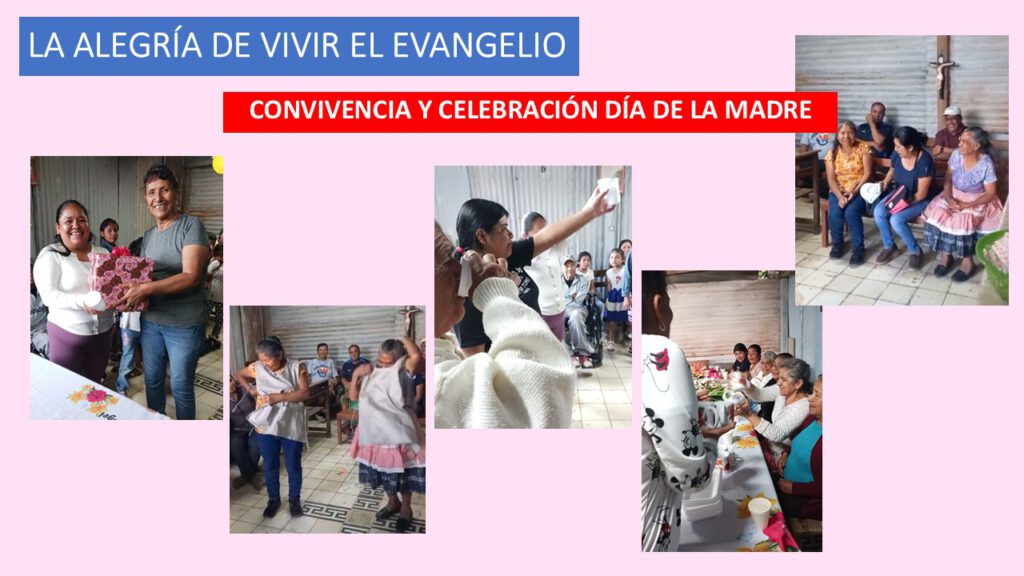
During April and May 2026, our community experienced moments of formation, reflection, and missionary service that strengthened our faith and commitment to our neighbors.
On Saturday, April 19, 2026, a formation day focused on human, Christian, and missionary maturity was held at Casa Comboni. We explored topics such as self-esteem, self-worth, and vocational discernment, reflecting on God’s call and the importance of persevering on the missionary path. We also strengthened our community formation by sharing teachings inspired by Father Damien and Carlo Acutis, as well as preparing formation materials for the CLM in San Luis Petén.
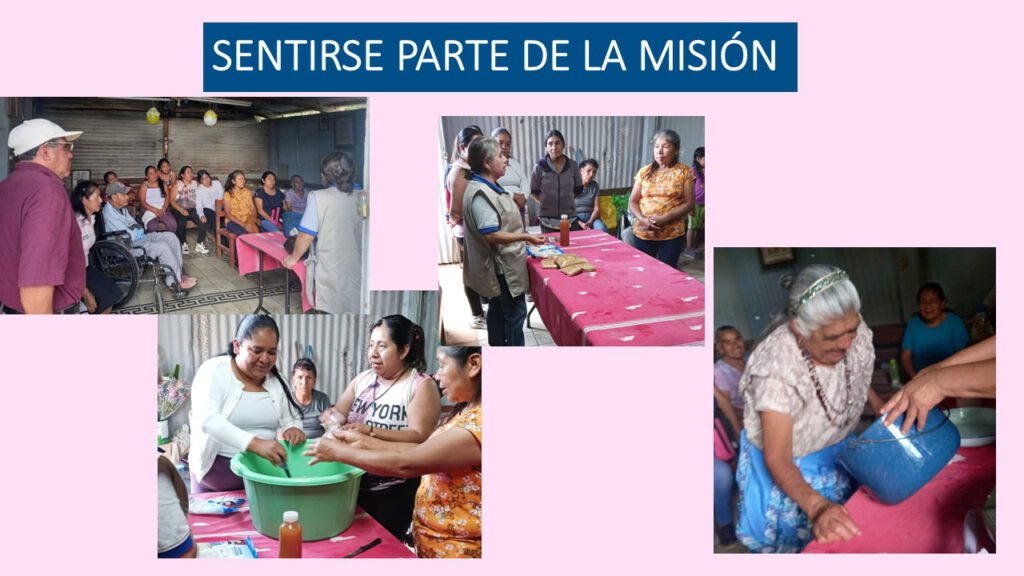
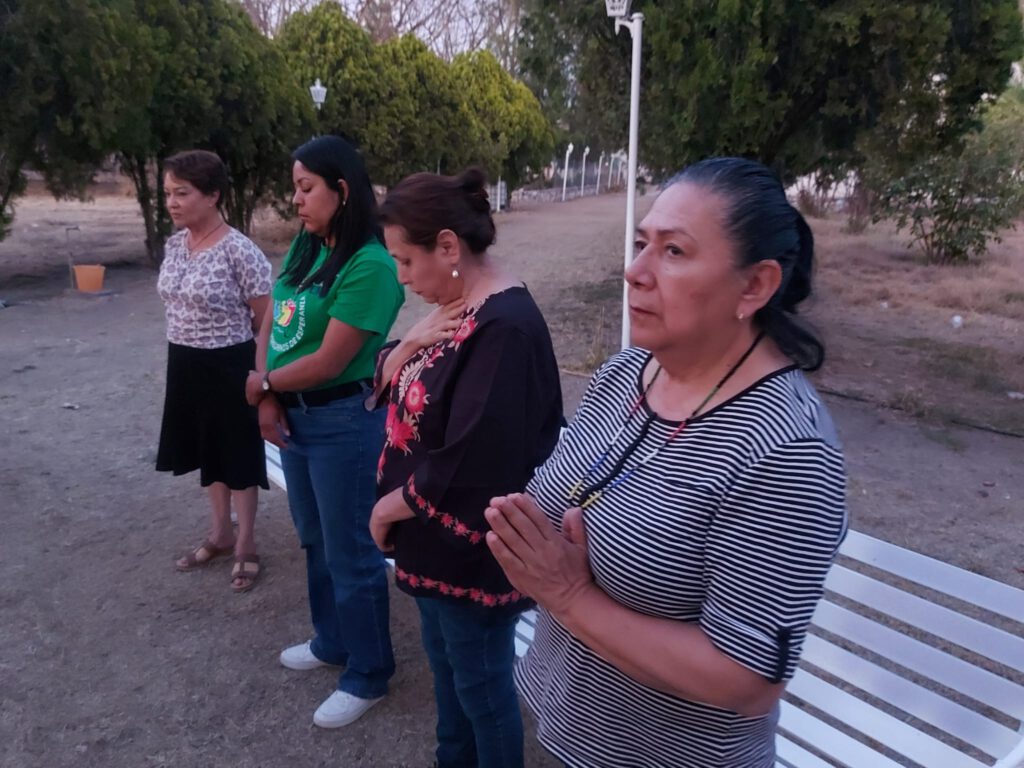
Later, on Saturday, May 2, 2026, at the De León Community in El Manzanillo, San Lucas Sacatepéquez, we experienced a beautiful missionary day under the theme “Holy Spirit, Soul of the Mission.” Through prayer, cleaning, visits, fellowship, and workshops, we shared moments filled with joy, service, and love for our neighbors, discovering Christ in every person we visited.
As part of the celebration of Mother’s Day, we gave special thanks to all mothers for their love and dedication, and in a very special way to our Mother Mary, the first missionary and the first tabernacle, an example of faith, humility, and obedience.
May these experiences encourage us not to give up, to continue walking with hope, and to keep serving with joy those who need it most.
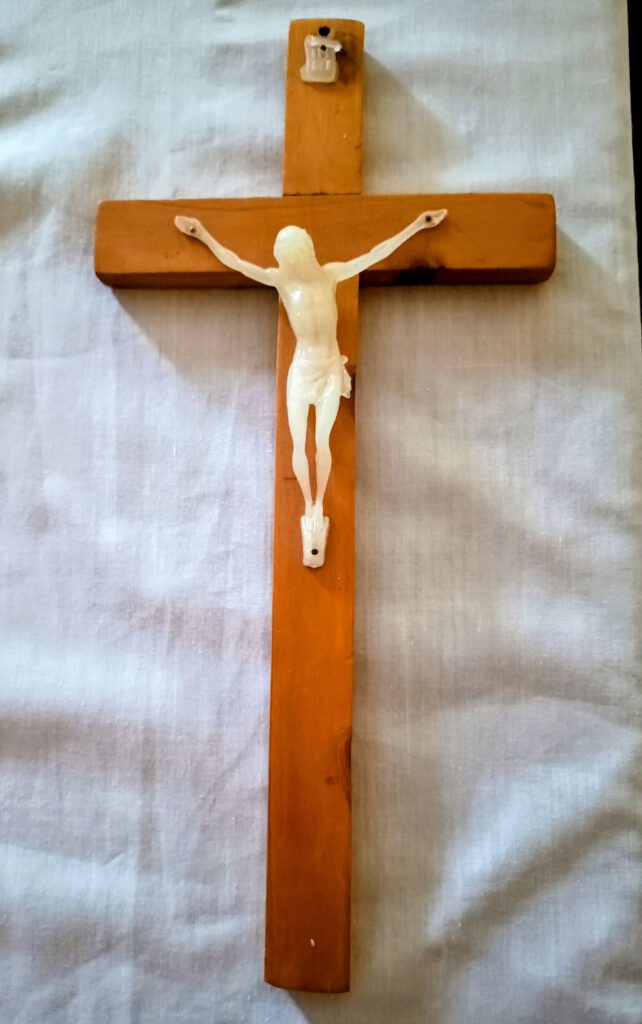
“God’s works are born and grow at the foot of the Cross.” — St. Daniel Comboni
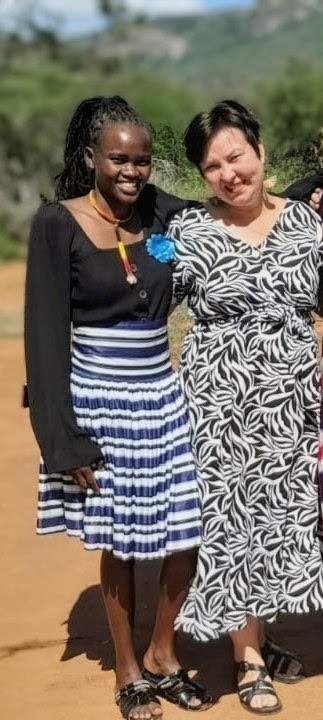
Once a month, we experience our internal day of recollection — a special time to pause, pray, and look more deeply at what is happening in our hearts and in our mission. Although our CLM community in Chelopoy (Kenya) is small and consists of only two people, this is exactly what gives this time such a personal and profound character.
We divide the day of recollection into two parts. In each of them, we reflect on a passage from the Holy Scripture, which becomes the starting point for personal reflection. We try not only to read the Word, but truly allow it to touch our lives — our joys, struggles, questions, and experiences connected with the mission. It is a moment of silence, listening, and honest reflection deep within ourselves.
After personal prayer comes the time to share what we are experiencing. And it is often then that we discover that despite different experiences or ways of living our faith, many of our emotions and difficulties are very similar. These conversations help us understand each other better, notice how God works in another person’s life, and learn greater openness and mutual support.
Such a day also reminds us that community does not depend on the number of people, but on God’s presence among us and our willingness to be together in truth. Even in a very small community, one can experience the great strength of unity, mutual encouragement, and the peace that is born from shared prayer and listening to one another.
I am grateful for every such day — for the silence, for the conversations, and for the opportunity to pause and look at our mission from a new perspective. It is a time that strengthens us spiritually, helps us find meaning in everyday life, and reminds us that God leads us step by step, even when the road is demanding.
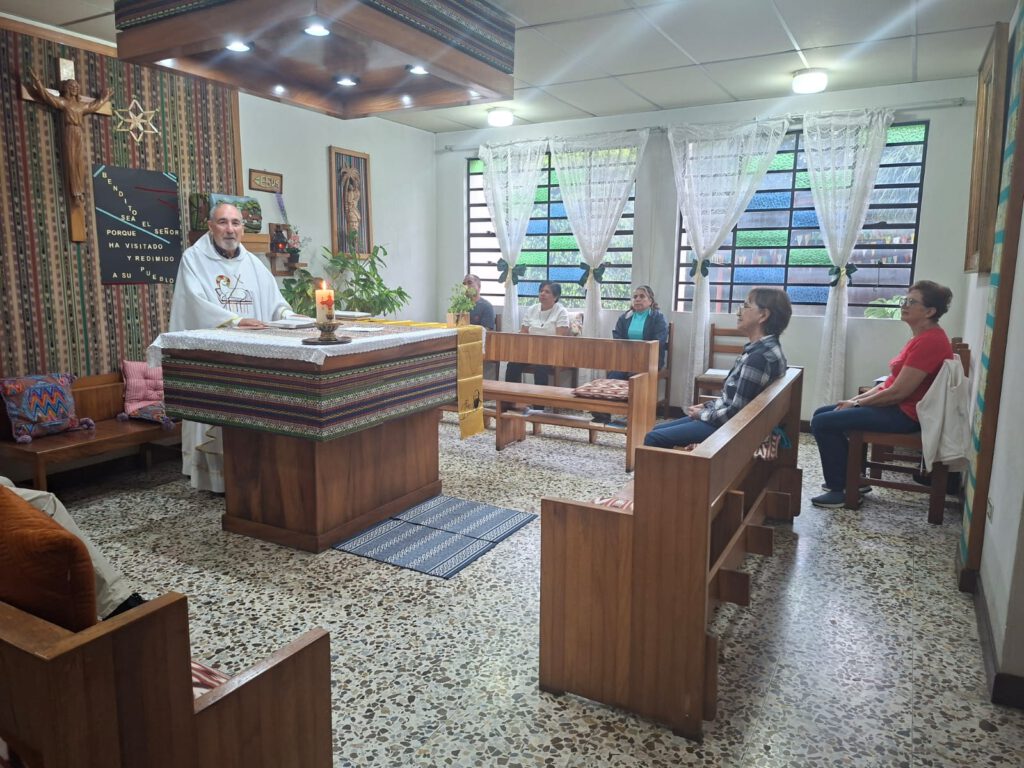
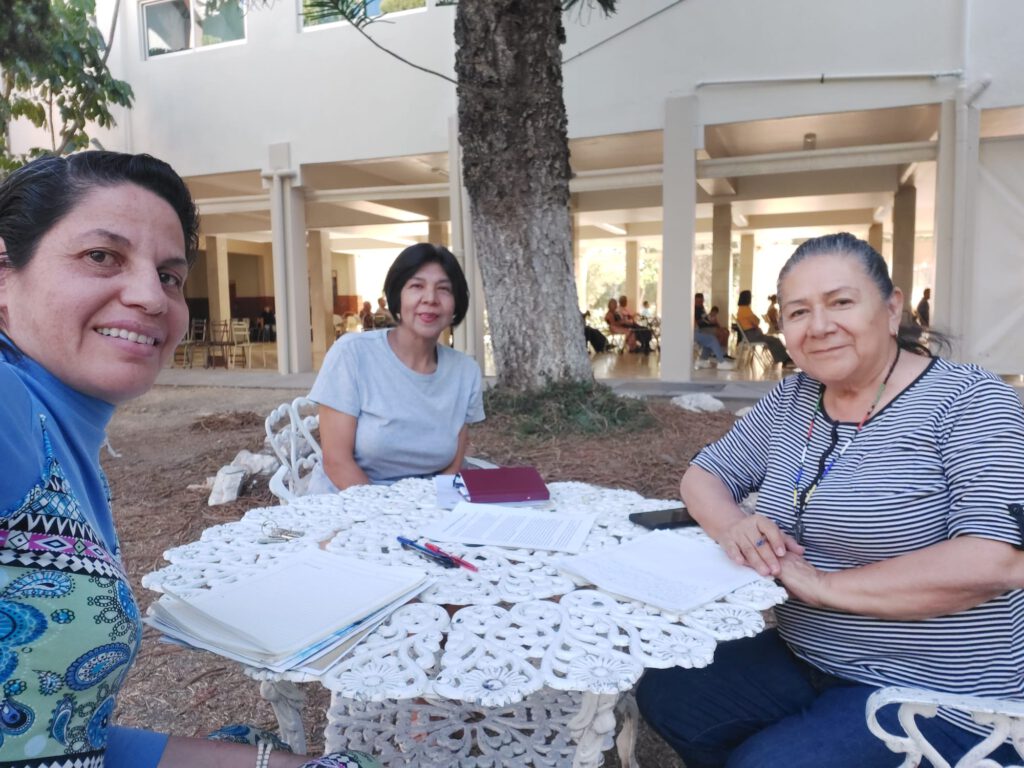
The spiritual retreat for the CLM is very important; it helps us recognize what God is asking of each of us, it renews us when we need to make corrections in our lives, and it prepares us when we need to make decisions. Our spiritual director, Fr. Filomeno Ceja MCCJ, led the opening and closing of the retreat. He accompanied us through personal conversations; his advice is always spot-on and helps us make decisions both personally and as a group.
Mariana joined us virtually from the mission in Metlatónoc, Guerrero, to greet us; we continue to invite people to join the missionary project. She is very happy; it always brings us joy to see her so happy and increasingly integrated into the service she performs, following the work plan with the parish.
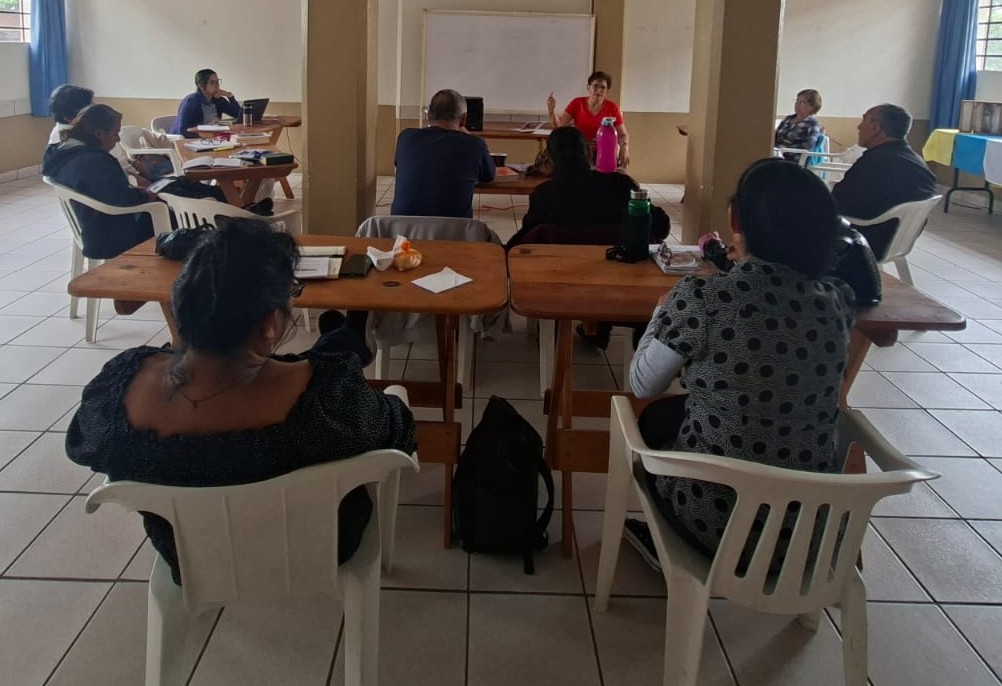
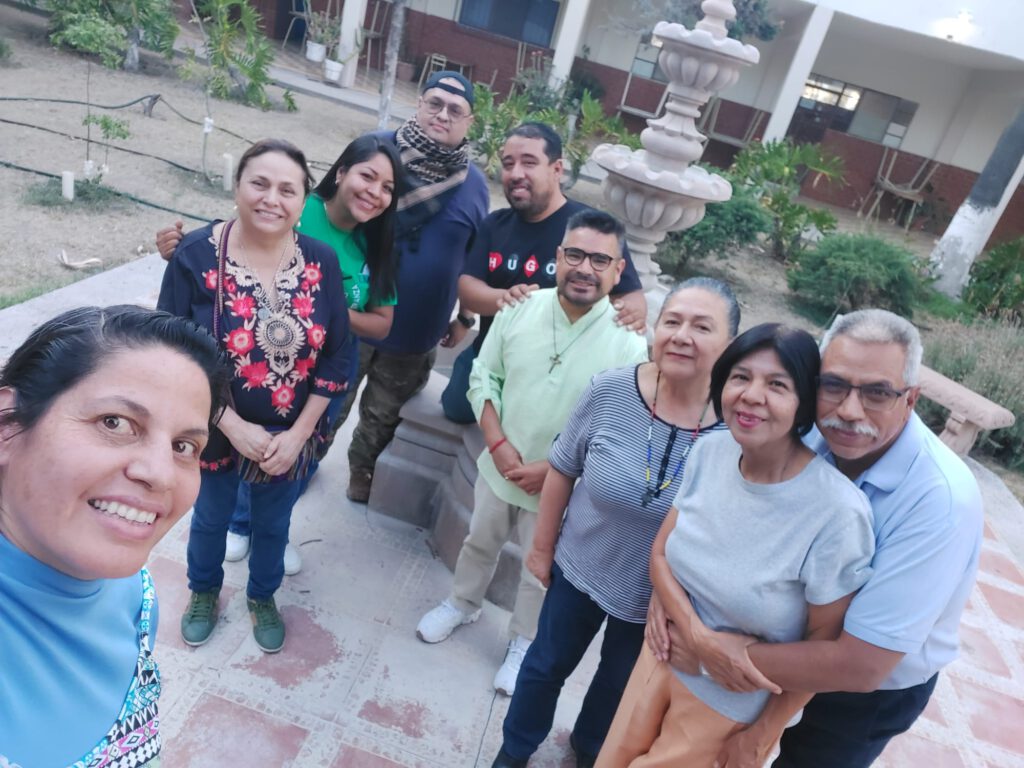
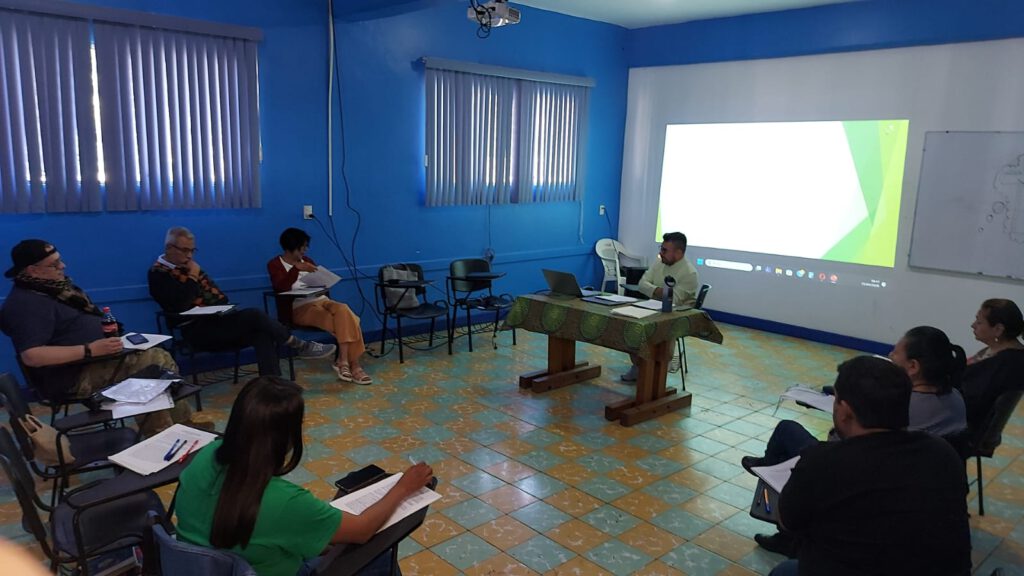
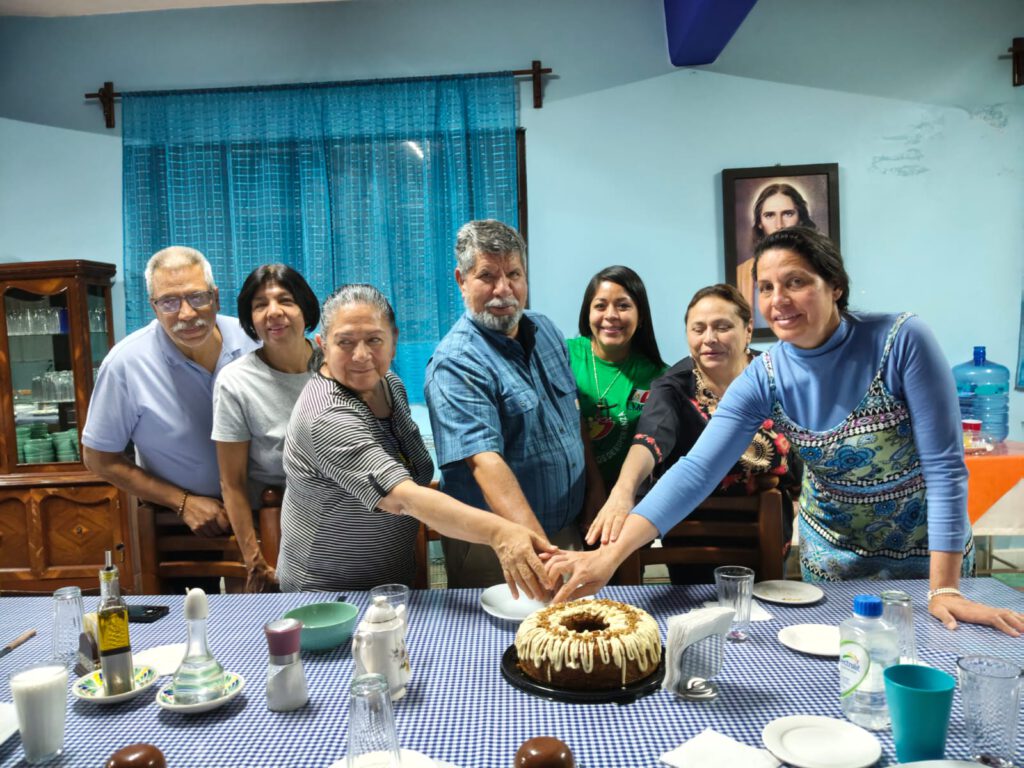
The monthly half-day retreat that we CLM hold in Mexico is very important; it prepares us and helps us better experience our annual three-day retreat, giving us time to be at the source and find God’s grace for ourselves. on this occasion our central theme was Pope Leo XIV’s message for DOMUND 2026, “One in Christ, United in Mission.” Fr. Héctor Manuel Peña MCCJ was the preacher; we had moments of prayer, reflection on the theme, personal reflection, lectio divina, sharing, adoration of the Blessed Sacrament, and the Eucharist, all of which helped us have a personal encounter with God.
Eight of us were able to attend: Daniel, Alejandra (widow), Cesar, Ana and Florencio (married couple), Hortensia, Adriana, and Beatriz. It has been very interesting to see how each of us is walking this path, the challenges to overcome, and the goal to reach. We regret that some of our companions could not be present due to work and study commitments; we kept them in our prayers, which always unite us.
Florencio and Ana made a one-year commitment to follow the CLM path during Sunday Mass at the San Francisco del Rincón community in Guanajuato; they have pledged to continue doing monthly missionary animation and to support formation. Daniel took on a personal task and will continue his growth within the group; Alejandra will be accompanied as she works through her personal situation; Cesar decided to leave the group; Adriana, Hortensia, and Beatriz will remain on the coordination team.
God continues to challenge us through our lay reality; returning to daily life and making our missionary commitment a living reality is not easy, but we know that “All things are possible for those who strengthen us,” convinced that we will continue moving forward together in our missionary commitment to evangelization.
CLM Mexico
Este sitio web utiliza cookies para mejorar su experiencia. Si continúa navegando consideramos que acepta el uso de cookies, pero puede optar por lo contrario si lo desea.
This website uses cookies to improve your experience. If you continue to browse we consider you accept the use of cookies, but you can opt-out if you wish. Acepto Puede obtener más información - You may have more information here
Politica y privacidad de Cookies - Privacy & Cookies Policy
Privacy Overview
This website uses cookies to improve your experience while you navigate through the website. Out of these, the cookies that are categorized as necessary are stored on your browser as they are essential for the working of basic functionalities of the website. We also use third-party cookies that help us analyze and understand how you use this website. These cookies will be stored in your browser only with your consent. You also have the option to opt-out of these cookies. But opting out of some of these cookies may affect your browsing experience.
Necessary cookies are absolutely essential for the website to function properly. This category only includes cookies that ensures basic functionalities and security features of the website. These cookies do not store any personal information.
Any cookies that may not be particularly necessary for the website to function and is used specifically to collect user personal data via analytics, ads, other embedded contents are termed as non-necessary cookies. It is mandatory to procure user consent prior to running these cookies on your website.