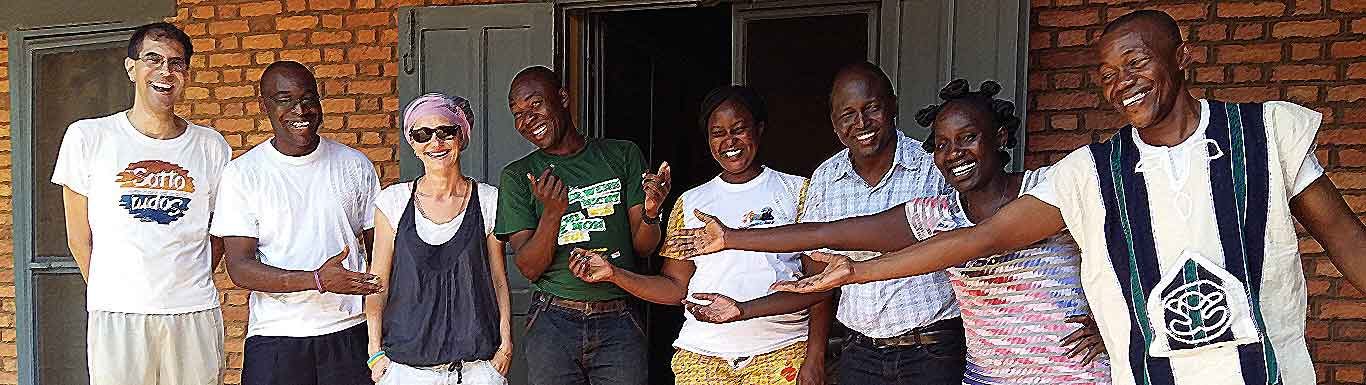
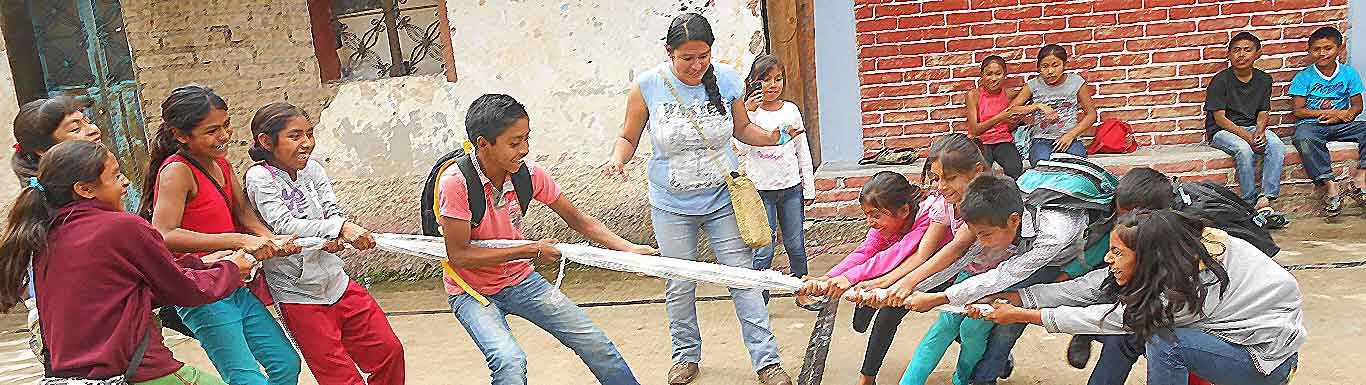
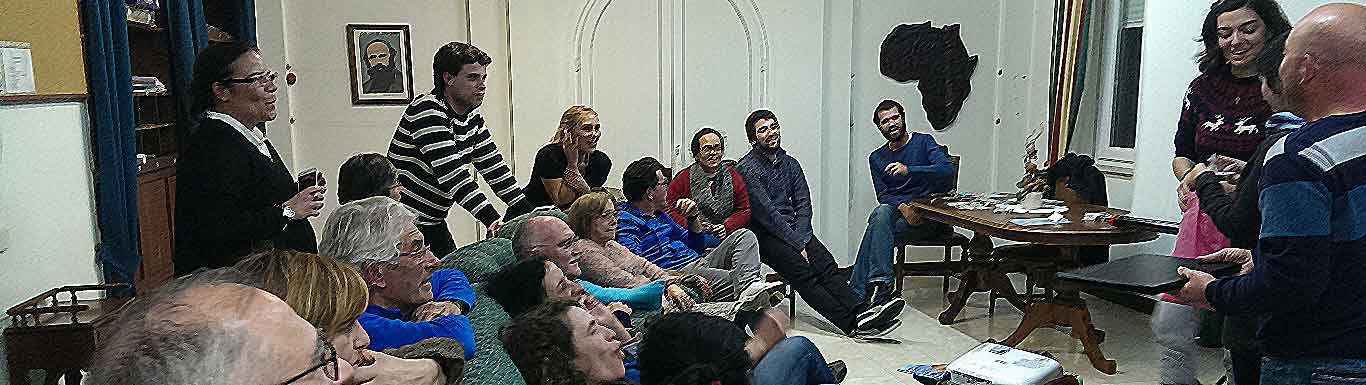
The Comboni Family is a community of people that originated around the person of a missionary, Saint Daniel Comboni. A man born almost two centuries ago, on 15 March 1831, in a small rural village overlooking Lake Garda, Limone.

It was from Limone sul Garda that Daniel set off to study in Verona, at Don Mazza’s Institute, and to understand, with a foresight that remains undiminished, how a distant continent like Africa needed to undertake a journey that began with itself, with its people, who have long been—and still are—plundered of their natural and human riches.
Daniel, therefore, called for a mission and a Church capable of uniting forces to save themselves through the salvation of Africa, its peoples, and thus of the Church itself. The same yearning that drives the Comboni Family today.
In that Plan for the Regeneration of Africa, which Comboni, through a charismatic intuition, began to dream of at the foot of Saint Peter’s tomb on 15 September 1864, a different world is envisaged, encapsulated in a motto: “Save Africa with Africa“. A motto that dreams of making people the protagonists of their present and future, starting from the daily realities in which they live, from the ancient and modern forms of slavery imposed upon them by an increasingly greedy and harsh Western wealth.
Comboni knew that the first instrument for salvation was knowledge, and he dedicated himself above all to education—of teachers and craftspeople as well as catechists, nuns, and priests—so that each person, within their own community, could find their way of living the Gospel, proximity, and sharing.
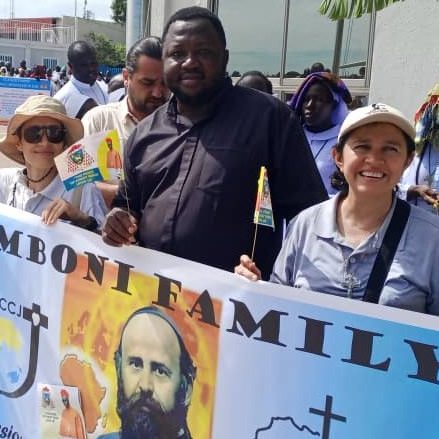
Thus the embryo of a missionary movement was born that brought together religious and lay people, men and women, local and foreign, capable of sharing needs and interests in the complementarity of an objective based on the awareness that each person is saved if all are saved, that each person can be what they are if others have the same possibility.
A vision of humanity that was not confined to the African continent but extended its reach across the whole of Europe, which needed to know that then-distant land and contribute to its salvation. Understanding the importance not only of education but also of information, Comboni conceived of a magazine: “The Annals of the Good Shepherd“.
Daniel’s era was a distant one—an era of the slave trade, of great discrimination based on colour and religious differences. For this reason, Comboni understood the need to unite the worlds of knowledge of his time: the civil, cultural, and political worlds, all striving towards a common cause. His dream transcended time; his dream remains relevant, not only because his words came true—”I shall die, but my work will not die“—but because even today we live in a time of slavery and supremacist thinking.
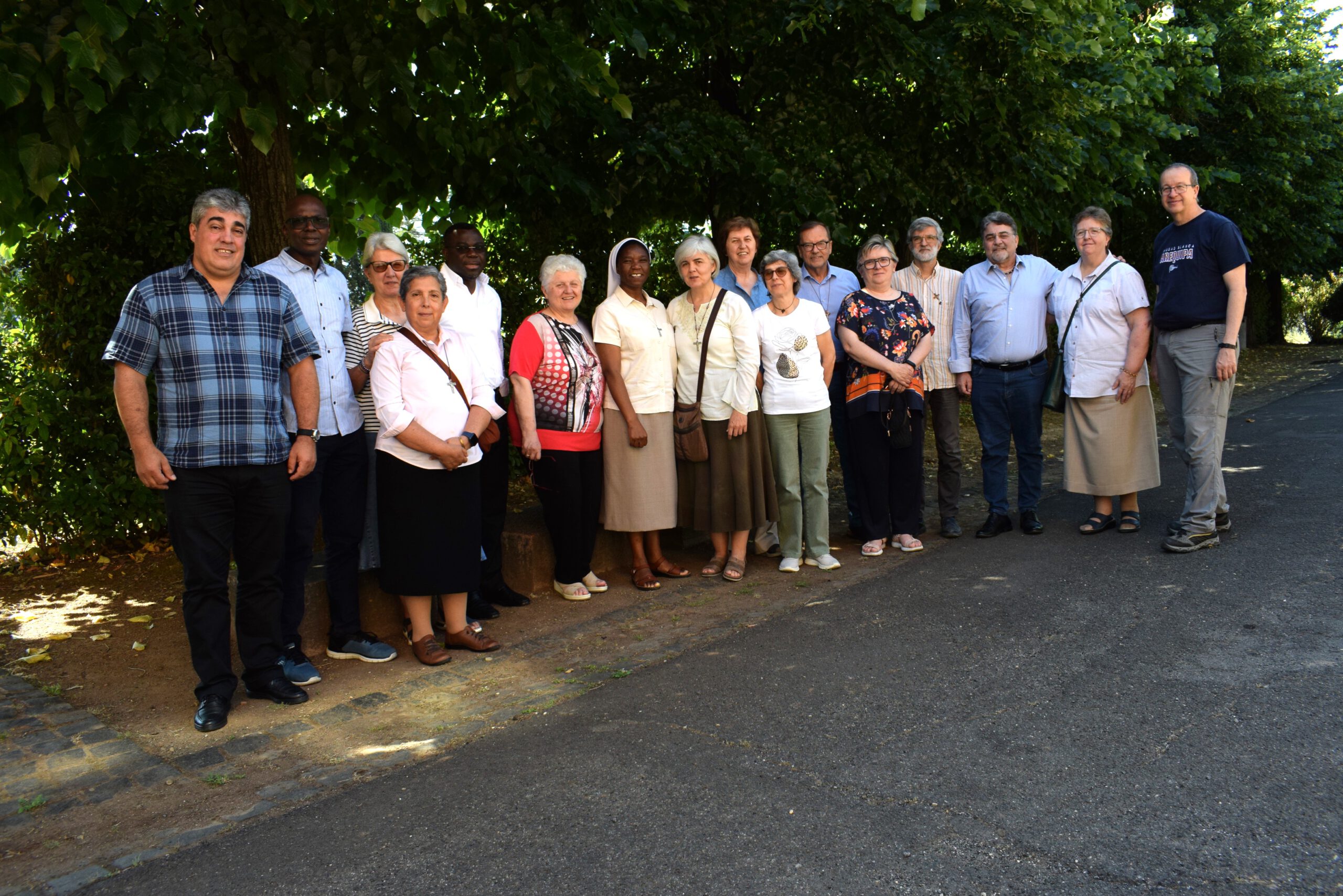
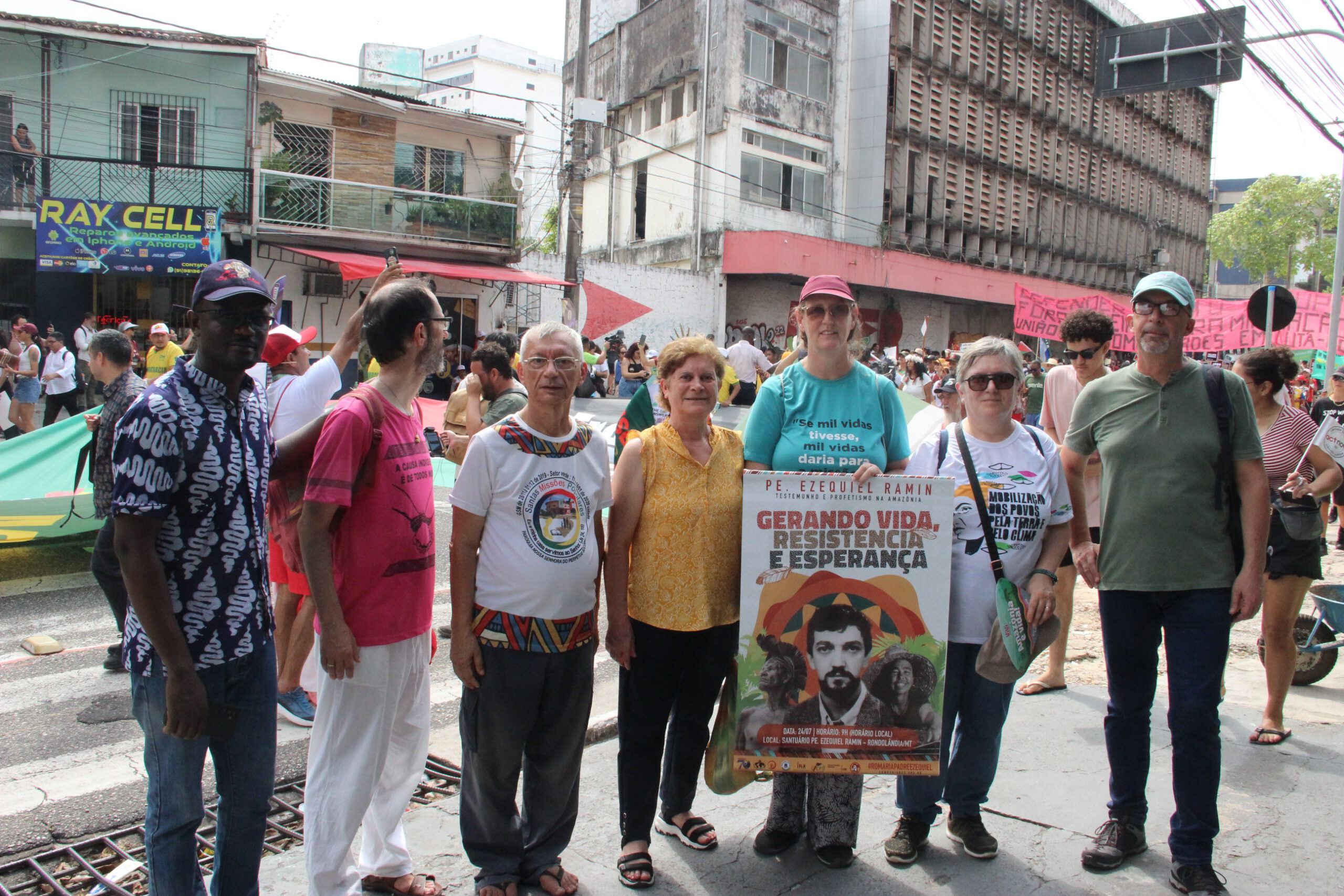
Daniel’s work saw the birth of the religious institutes of the Comboni Sisters and Missionaries, and more recently the Comboni Secular Missionaries and the Comboni Lay Missionaries. Thus, the yearning “If I had a thousand lives, I would give them all for the mission” has continued to unfold over time, in the lives of those who have chosen to continue the Plan, to translate it into the journey of a family, the Comboni Family.
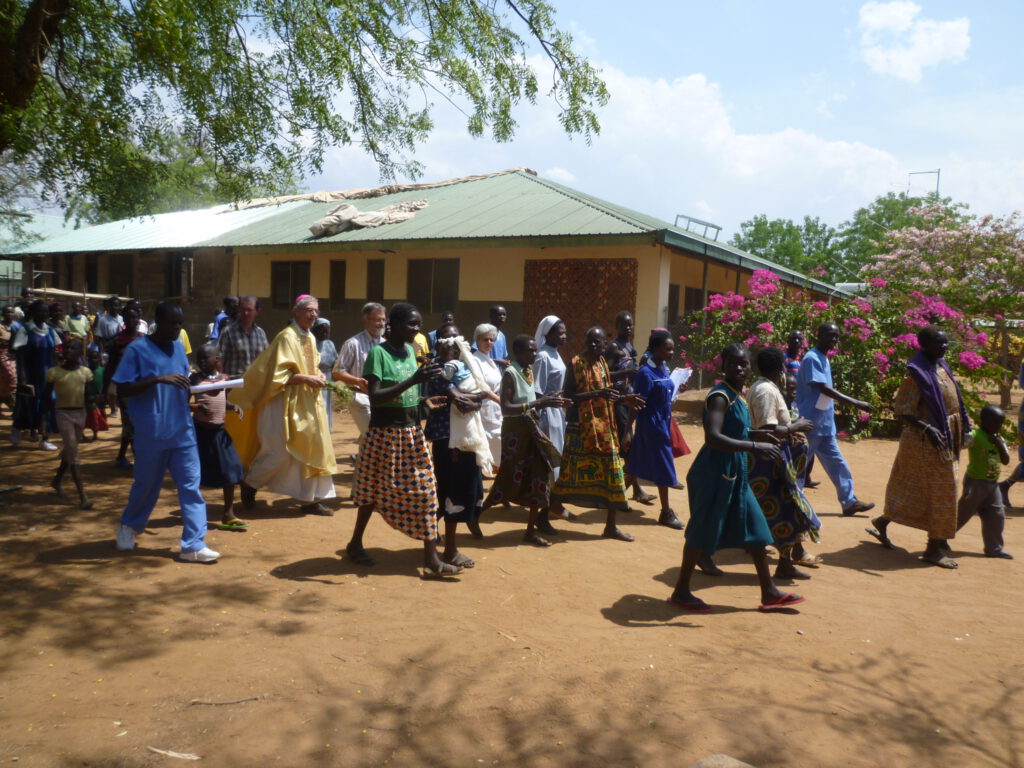
Men and women capable of broadening the geographical horizons of that dream, opening their hearts to serve the poorest and most abandoned, as Comboni said, present in Africa, Europe, America and Asia; in those frontier places, on the peripheries of a global world that is expressed as a common home, the home that the Comboni Family inhabits in every place where it lives its daily life.
We present you, therefore, our Family, a Family that follows in the footsteps of Saint Daniel Comboni, hoping that you will wish to be involved in a group of people that goes beyond physically being in the same place doing the same things, which means mutual sharing and welcoming the richness that lies in each person’s uniqueness, where the distinctiveness of another becomes a gift that helps one better understand one’s own identity…