Comboni Lay Missionaries

Reunion in Mission

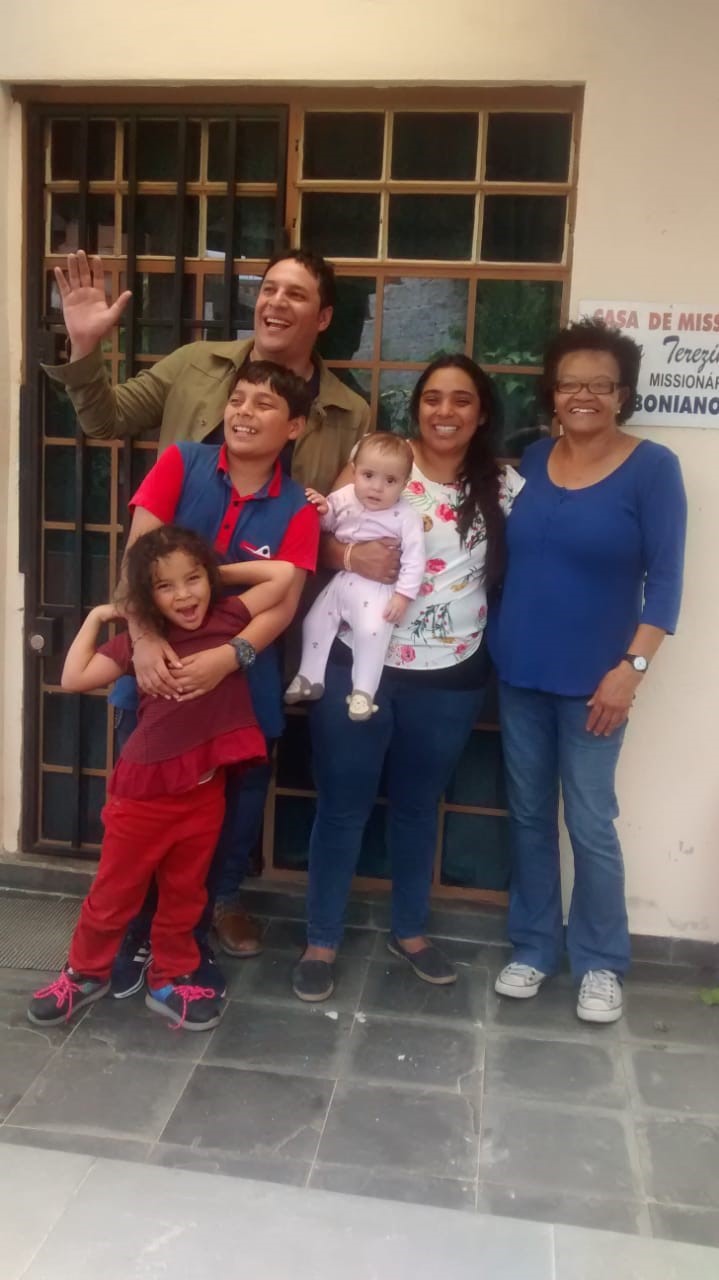
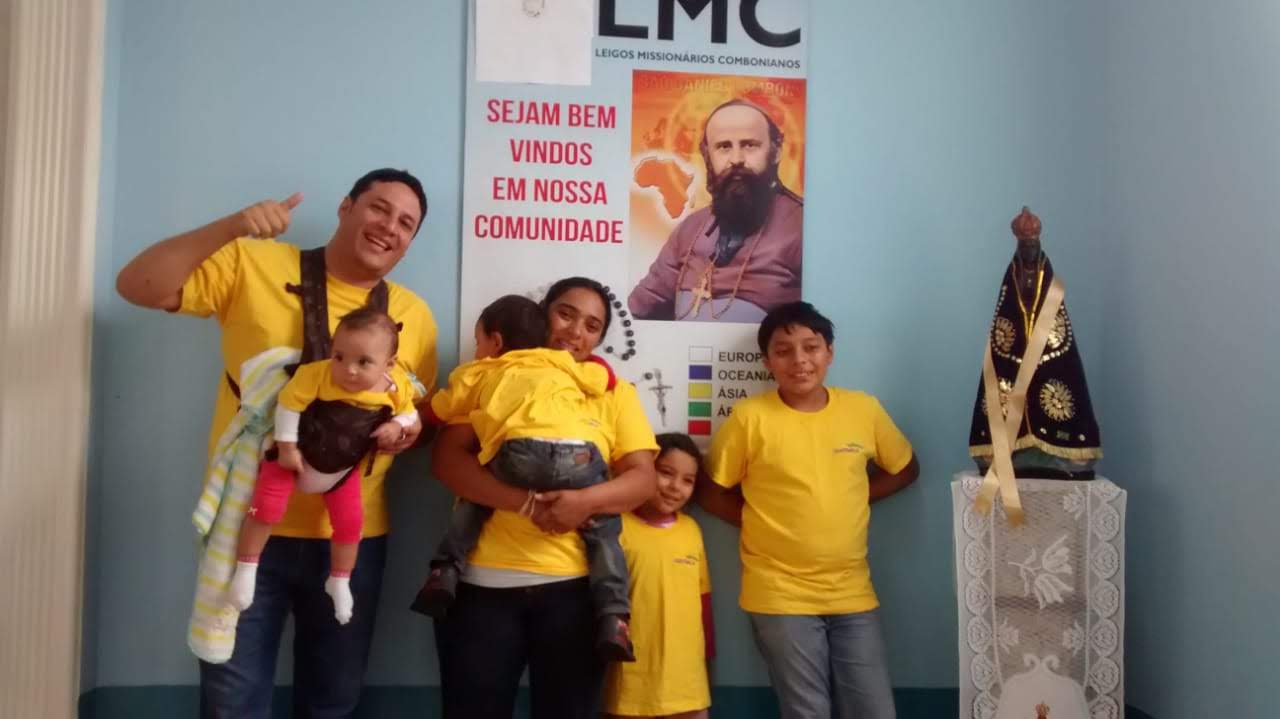
LMC Peru

LMC Peru

Having lived with you the preparation for going to the missions, it was very moving to think of arriving in the land which is now your home. I left for our reunion in Peru, my first mission land of nine years ago, and to rekindle the call of my vocation.

Aitana, Spanish CLM


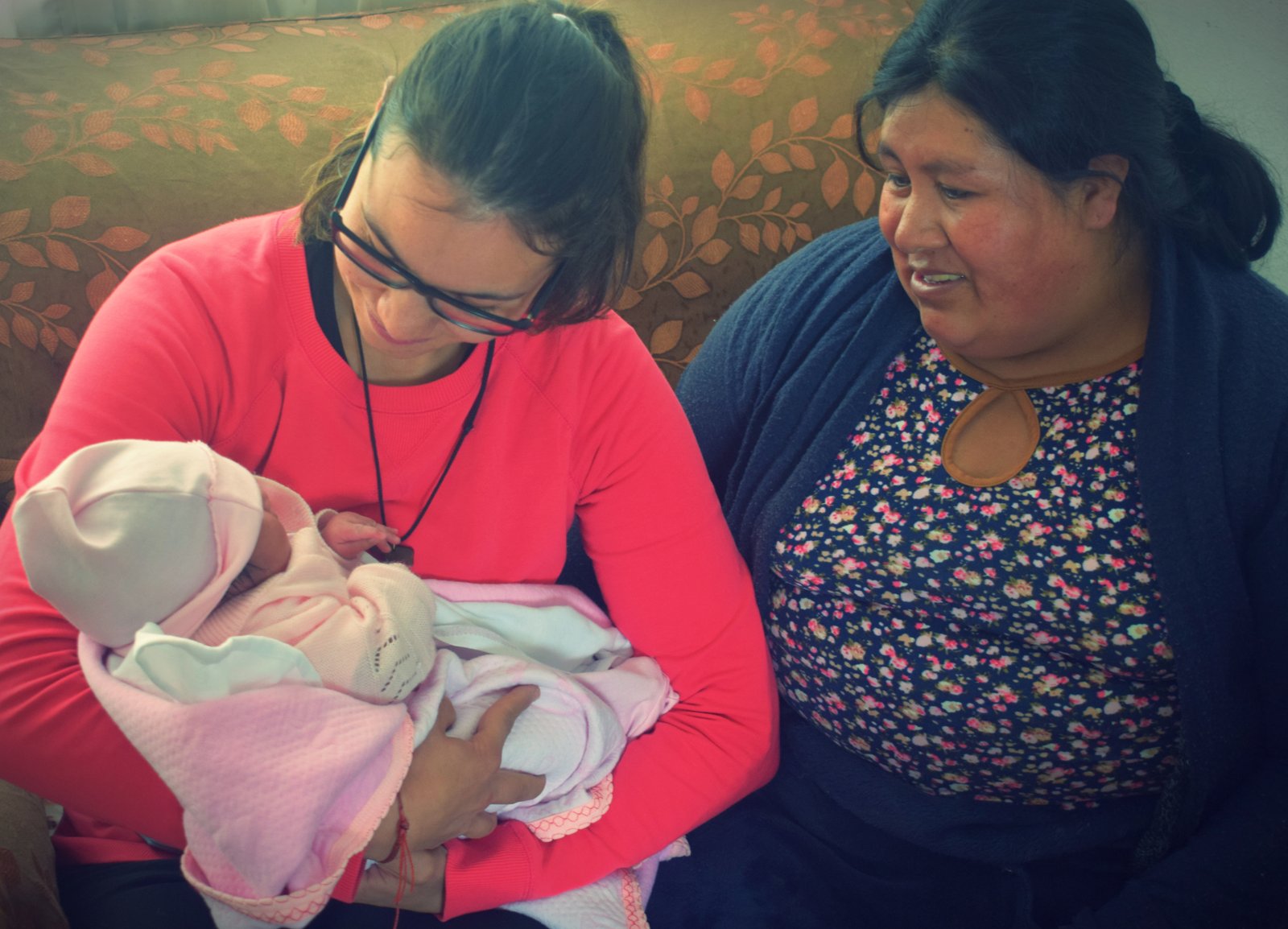
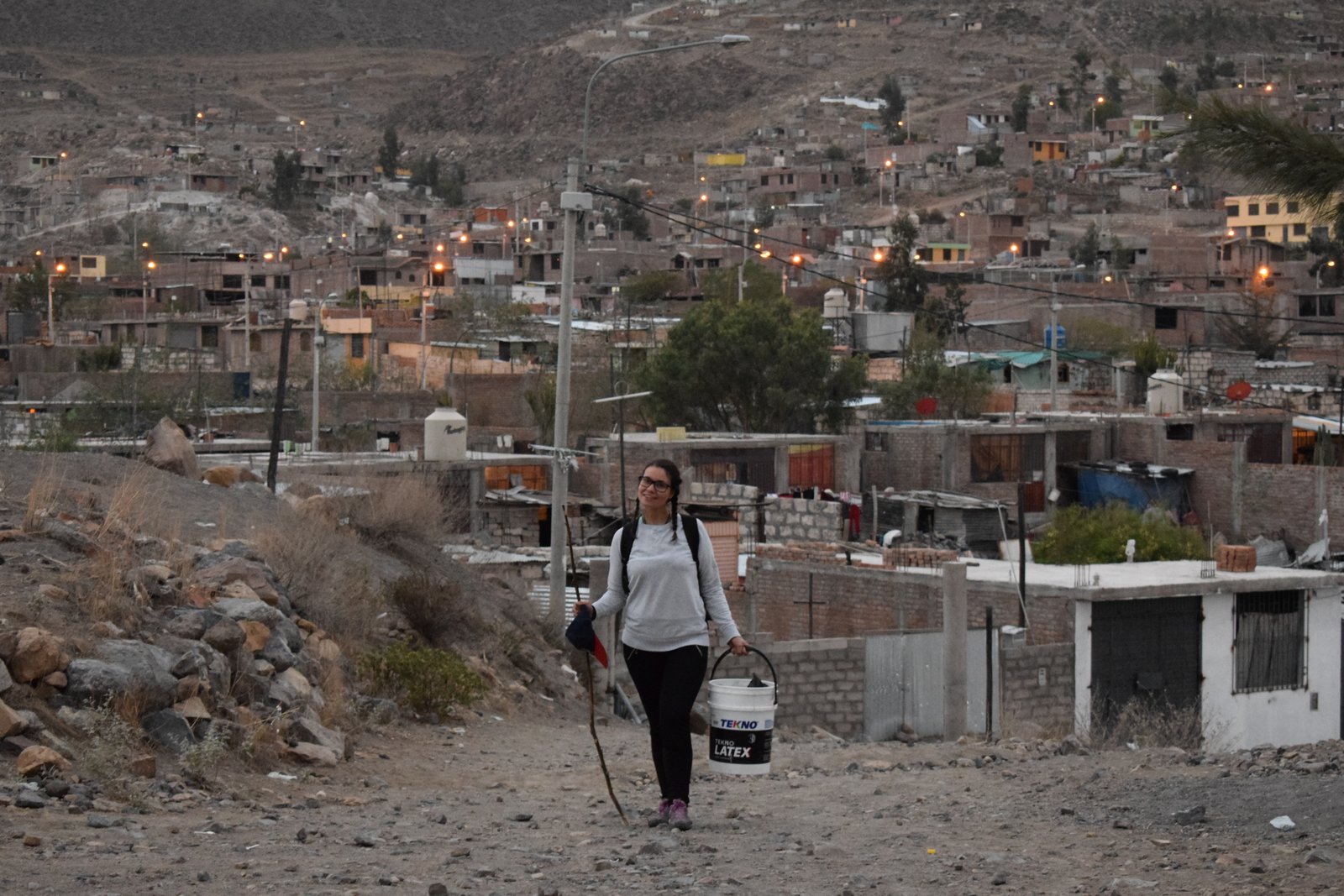
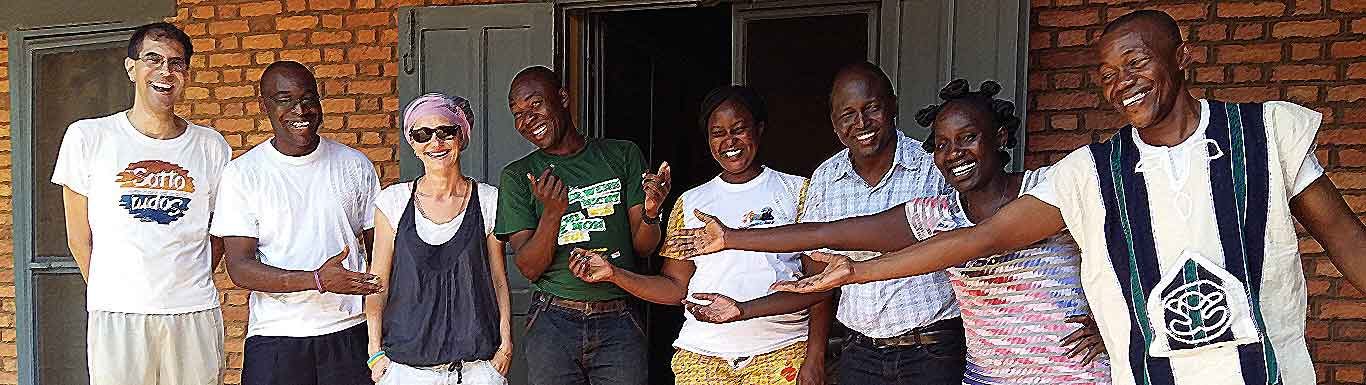
Days pass in the mission of Villa Ecológica and, while we walk among the people who welcome us, for several long months we have been wishing to increase our community and in some way share our lives and our experience of a missionary Jesus. The arrival of someone in the mission is a source of hope for us that we will be able to share how we have been transformed by the mission and to live all this with someone who has seen us being born as a community. All our conversations, all that we have shared so far in words and reflections, is now taking flesh and bones through the faces welcoming the arrival of Aitana.

Andrea and Paola, Portuguese CLM


LMC Peru

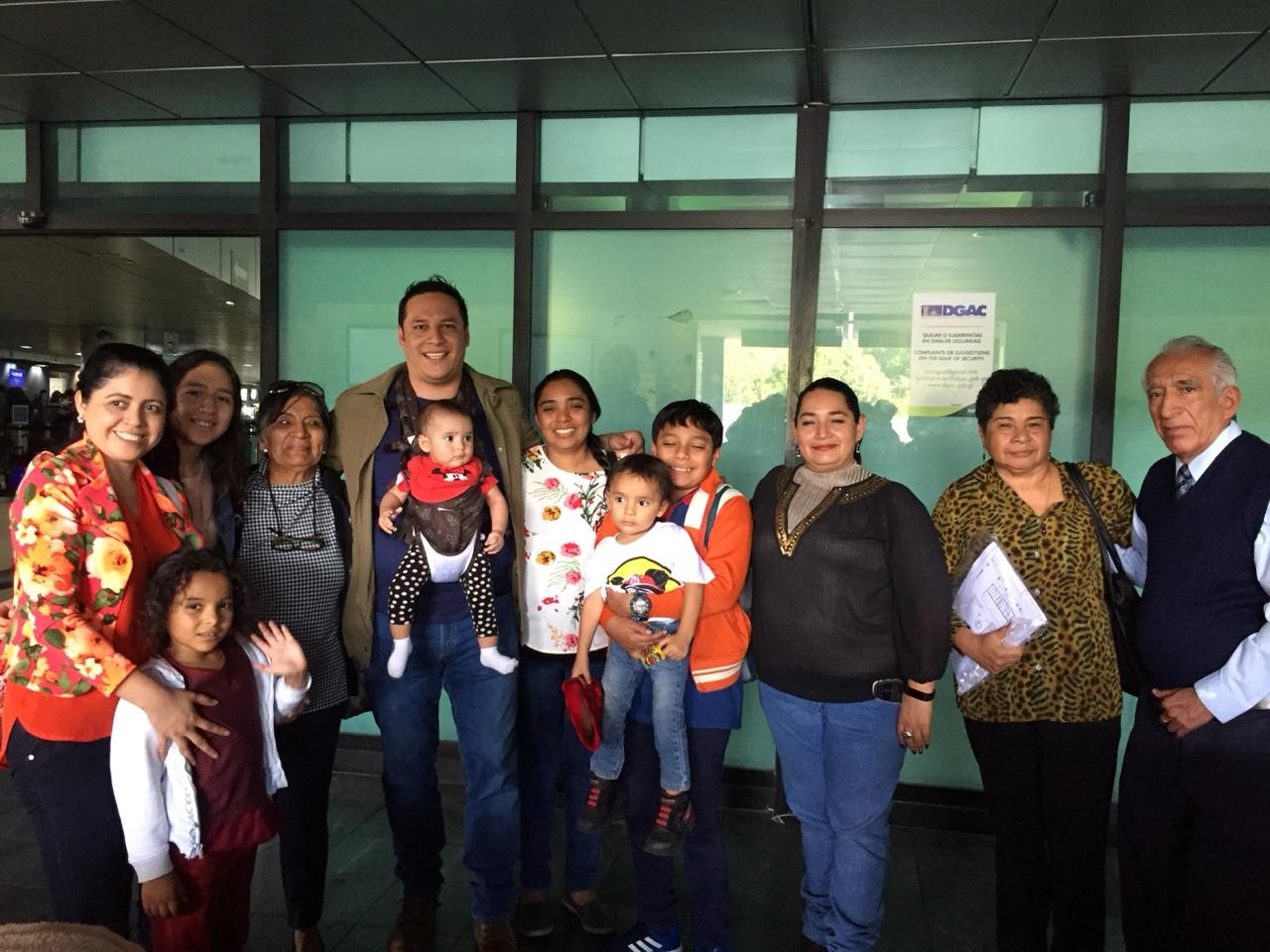
The reunion became real in the warm embrace that melted us into one. Together again. Slowly we are now catching up with things.  Actually, a year has passed since our community experience in Granada, a deep experience at the beginning of our journey, but it seems that time stood still. We were involved in different journeys, but always with mission in our heart, planting the roots of this wanting to be a thousand lives for mission. This was the cry of Comboni that continues to be the call making us leave the shore and take to the sea.

LMC Peru

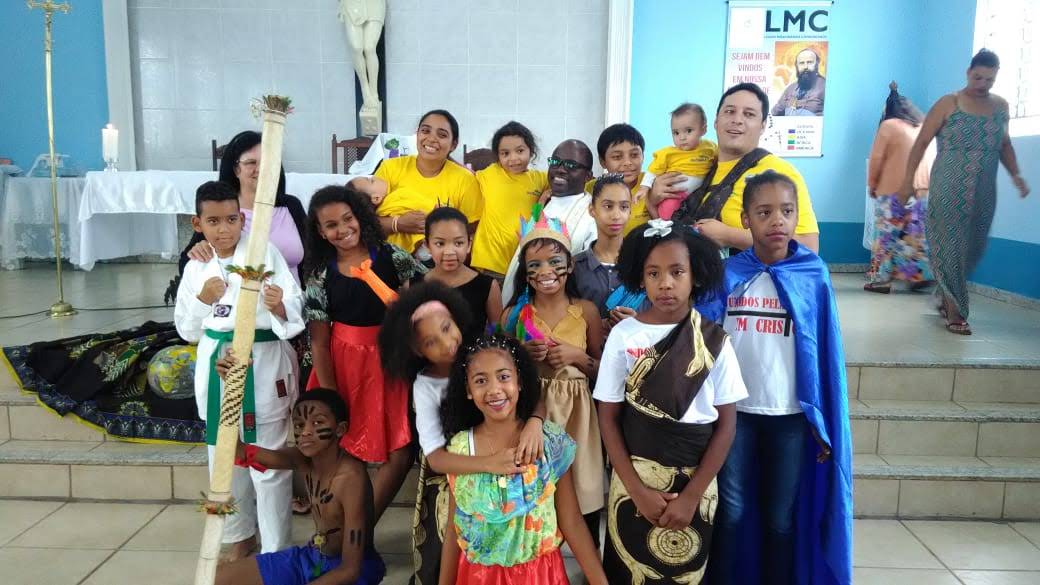
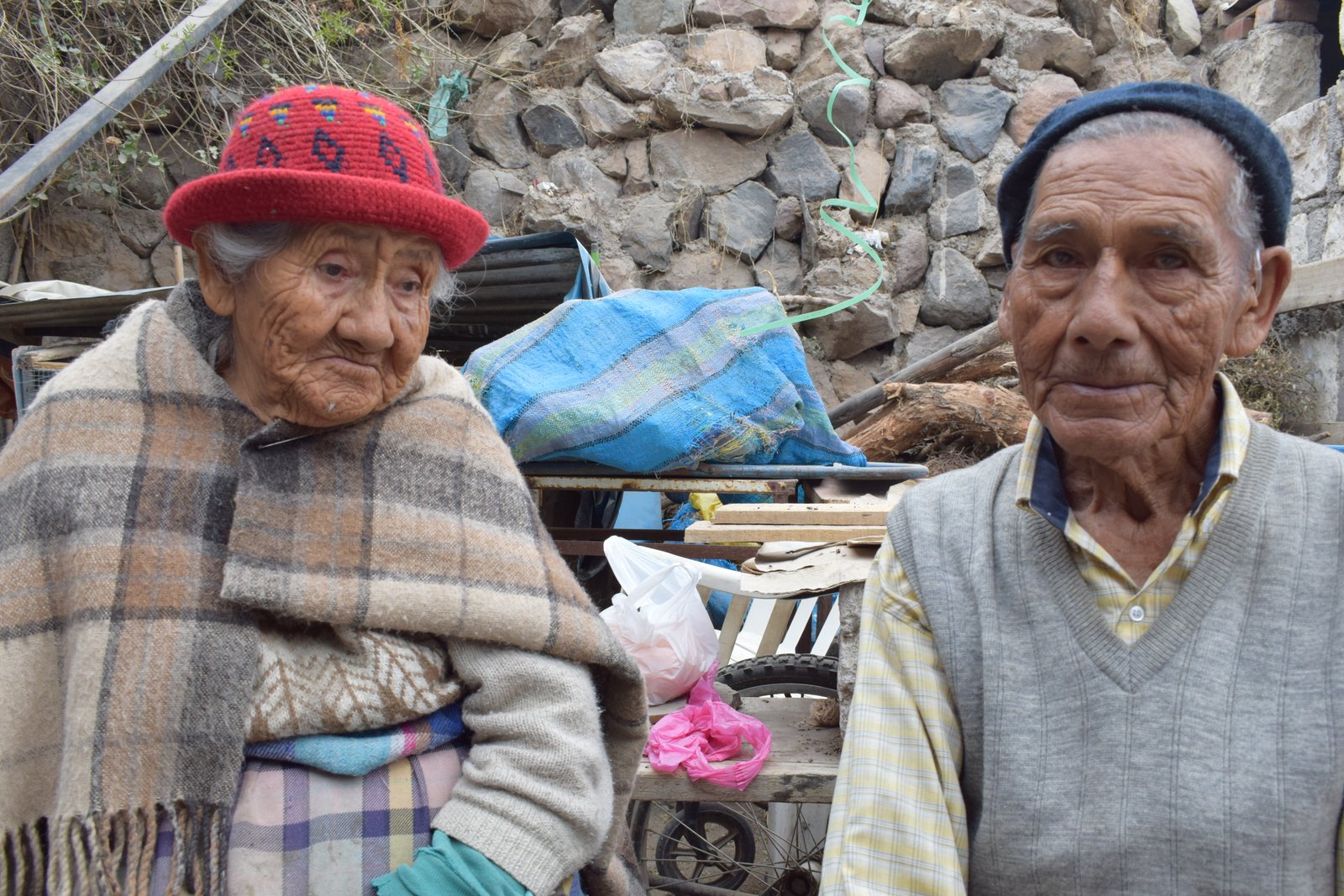
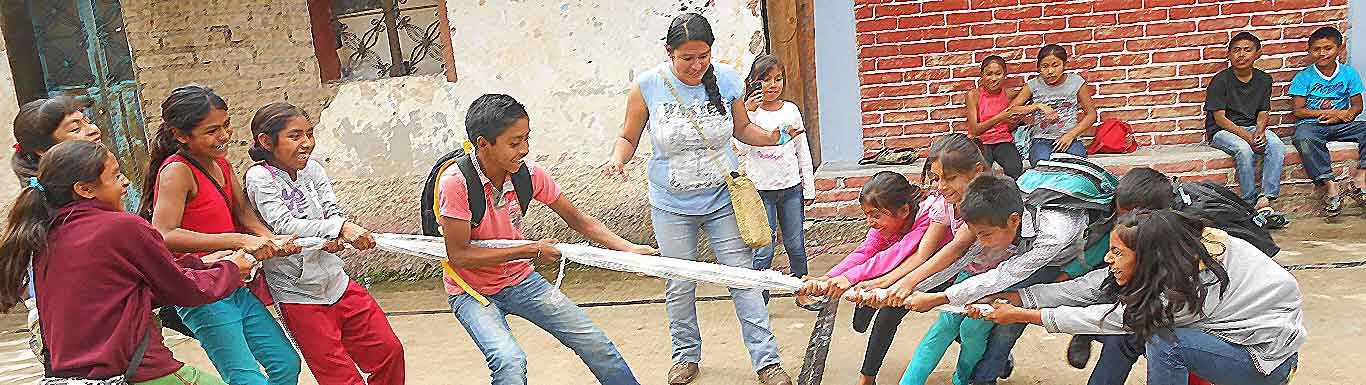
The first days were spent in introductions and welcomes, gradually inculturating ourselves into the people and the country’s history from getting to know the local market to taking part in activities from the cradle up to the senior groups, passing through family visitation. We go from participating in the Eucharist to shared prayer with the MCCJ community by way of our own community prayers. Together we continue in the discovery of ourselves and of our life mission.

The CLM Ayllu Community, Peru

Aitana, Andrea and Paola

CLM Community “Ayllu” in Peru

LMC Peru

To be a community is to share what we are with others, is going to the peripheries.
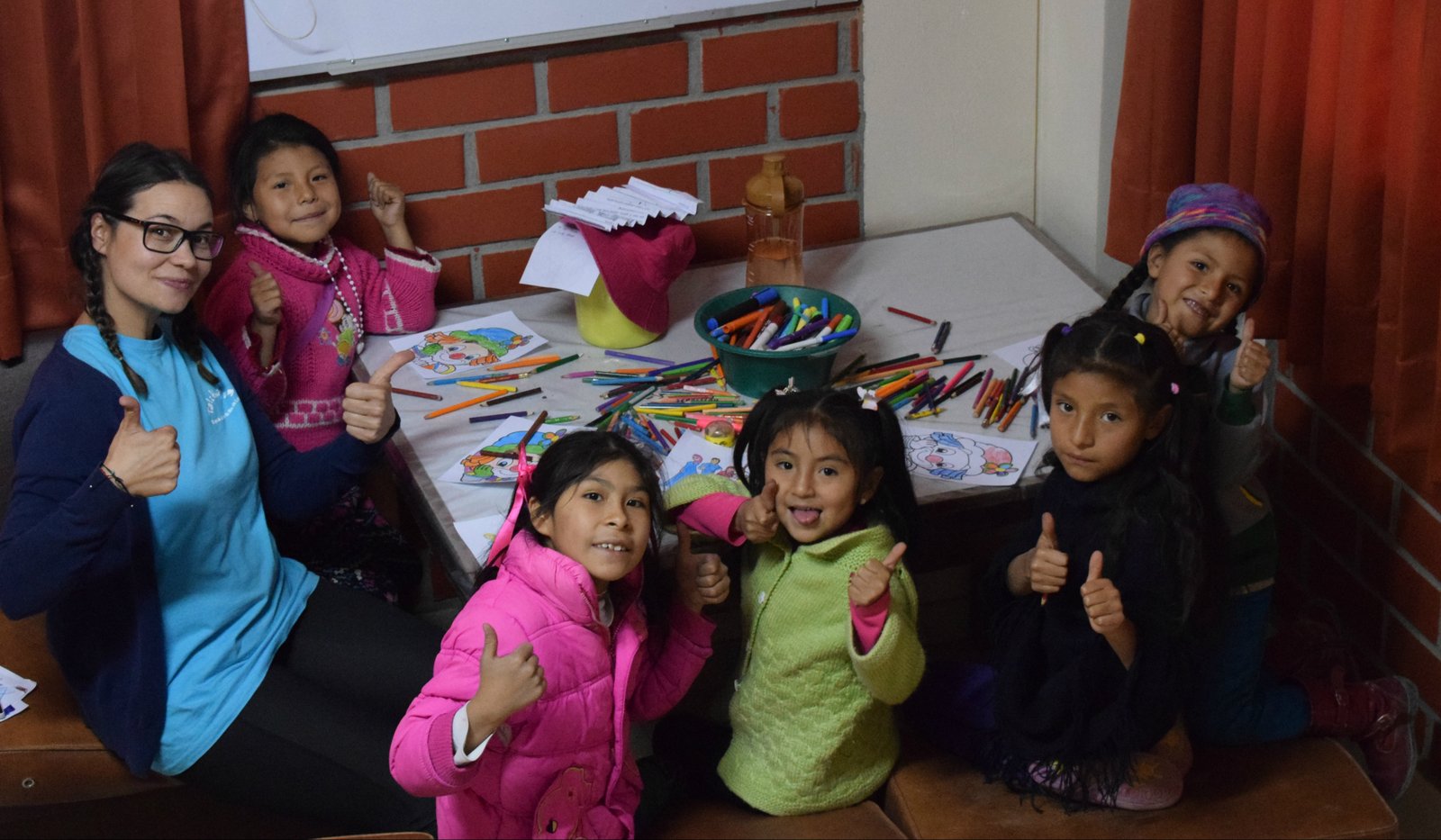
In this video we share what we live in Villa Ecológica (Arequipa, Peru) and the work we do with the elderly, children, families and patients at a social and pastoral level.

See and know our way, what we are, where we are and with whom we are.


CLM Ayllu in Peru

Retreat on “The Mission of the Comboni Lay Missionaries: challenges, dreams, hopes”

retiro LMC

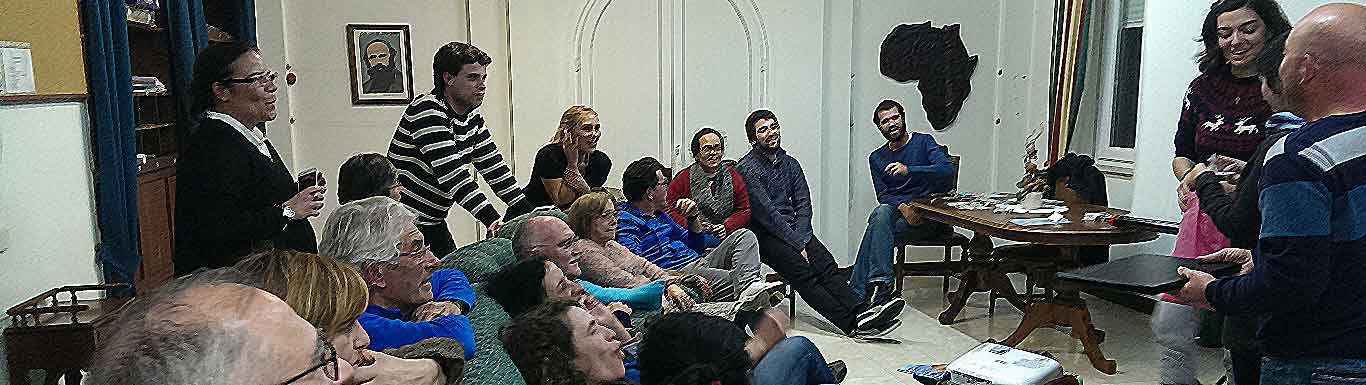
retiro LMCOn Saturday and Sunday, June 16-17, we met at the “Osservanza” of Bologna, Italy to pray together and reflect on “The Mission of the Comboni Lay Missionaries: challenges, dreams, hopes,” under the guidance of Fr. Giovanni Munari.

From the group of Bologna, the following were present on Saturday afternoon: Micaela, Emma, Chiara, Eileen, Agostino, Giuliana, Annalisa and Michele. While from Padua the following attended:  Fabrizio, Francesca, Dorella e Roberto.

We started from the meaning of the term “Mission” and from the Word.

To begin, Fr. Giovanni reminded us that the Gospel is one and the same for everyone, be they lay people, priests, sisters, etc. The Beatitudes are a life ideal for everyone, and not just for members of consecrated life.

The Baptism we received gives full right (and duty) to each lay person to feel as an integral part of the Church, to proclaim the Gospel, to work for the Church. It is a “right of citizenship” within the Church for all the baptized. And if we want to build anything, we must do it based on the Word, not on documents.

We asked ourselves some questions. What does it mean to have the Gospel as the ideal of our life? Has the Church today gone astray? “What does the Spirit ask of us?” Why does Pope Francis speaks so often about renewing the liturgy? Do we, too, feel this need? Do we feel Faith and Life in the liturgies of our churches?

Then, starting from who we are and remembering that the Word, which we celebrate in the liturgy, is the foundation of our faith, we reflected on our relation with the world as Church.

The great revolution consists in understanding that the Church is not the center of the world, but it is the Church that rotates around the world, just as it was with the revolution of Copernicus.

And the renewal of the Church covers also the liturgy.

At this point we gave some time to an examination: as groups from Bologna and Padua we spoke of what we did in our territories during this past year. We underlined the wealth that each one of our groups carries after years of existence and of how we run the risk of losing it or dilute it and not being able to recognize it if we lack a shared memory.

After the reflection, gathered around the Word, each one of us showed a sign of the journey done during this past year: the leaflet of the “aperisuppers” of the Peoples organized in Padua, the leaflet of the parish encounters on the new styles of life organized in Bologna, some relevant books (the Ave Mary by Michela Murgia), the Wipala, a pencil recycled at 80% that does not break and writes even without a tip, the tags with our names, the nard oil.

After supper we got together to listen to the witness of missionary life given by Sr. Elizabeth Raule and Sr. Federica, Comboni Missionary Sisters working in Chad and the RCA respectively. It was beautiful to hear of the joy and passion that guide their steps despite the difficulties they meet on a daily basis in their work among those people (Elizabeth, who is a doctor, daily operates on many people seriously wounded by firearms and knives, because of the internal war raging in Chad. Federica, a nurse, works among the Pygmies in the forest).

On Sunday morning only the group from Bologna was present: Giuliana, Emma, Annalisa, Chiara, Micaela, Eileen, Lise, Agostino, Michele.

We started from John’s Gospel (6:1-14). After the multiplication of bread, Jesus asks his disciples to gather the leftovers: “gather the leftovers, so that nothing will be lost.”

What did they do with them? “They picked them up and filled twelve baskets with the pieces of barley bread left over by those who had eaten.” What was the reason for such an abundance?

We must be careful not to lose anything and, thinking of our groups, this Gospel invites us to collect the wealth of our journeys spread all over Italy.

Then we read parts of a document from 1994: The letter of the Superior General and his Council to all the confreres on the COMBONI LAY MISSIONARIES.

We suggest that you all take a look at it. It surprised us to read some definitions black on white affirming the importance of the Comboni lay missionaries within the Comboni Institute, defining the identity of the Comboni lay missionary (“touched, inspired and infused by the charism of Comboni”), stating the difference between a volunteer and a Lay Missionary, and other forms of nearness and missionary commitment. Did anyone know about the “Comboni associates?”

“The CLM constitute a new reality that demands from us trust, availability and creativity…” writes the General, together with many other good things that strengthen the strong relationship between priests and lay people within the Comboni family. Above all, however, this document reminds us that to be CLM is a vocation which, if inspired by God, grows night and day like that seed thrown into the ground, whether we are awake or asleep. At this point we all need to take time to reflect on our vocation.

In September we will start again to give shape and content to our journey through the next year, getting ready to face with faith and courage the challenges coming our ways, certain that in this journey we are not alone!

retiro LMC

The Bologna CLM Group, Italy

The Latest News from María Augusta from her Mission in the CAR

CentroafricaThe Comboni Lay Missionary María Augusta Pires, from Janeiro de Baixo, who is stationed in the mission of Mongoumba, Republic of Central Africa, took advantage of a trip to the capital city of Bangui to send us news. Let us pray for peace in that country and for all the missionaries! We relate here the text she sent to “El Astrolabio,”the paper of her parish on May 25:

I and the members of our apostolic community are in good health, thanks be to God.

We are in Bangui to do some shopping… Ana had planned her return on the 18th, but had to delay it until June 8. In any case, we had to come to the capital because our supply room was almost empty.

On June 12 Gervelais and his father are returning from Dakar. We are grateful to the Lord because the surgery was a success. I hope he will be happy and in good health.

On May 11, a patient of the hospital was shot dead. He had been accused of “likundu” (sorcery). We are all sad because of this. We hope that justice will be done and that the killers will be caught, starting with the authorities who denied him protection… We pray to the Lord that he may help us to defend people weighed down by this curse. There have already been several cases of people who were accused, but were protected by the mission or by courageous Christians. May the Lord of life stop this from happening anymore and that all Christians may find the strength to denounce this type of violence.

On May 1, in Bangui, in our parish of Our Lady of Fatima, during Mass, 16 people died and 100 were wounded because of a rebel attack. By the end 22 died, including a priest who was concelebrating. The people of this neighborhood still live in fear of being attacked again. Pray for these people who by now are tired of suffering…

God willing, I will not come back to Bangui before my departure for Portugal, because in June I will be very busy with the evaluation of the students and the conclusion of the course. On July 4 I will live CAR and will be in Lisbon by 5:00 PM. It will be like last year. God willing, I will return to my mission in early September. Cristina is energized and keeps on learning Sango, the local language.

Let us keep united in prayer, because it gives us strength and courage. A great missionary hug, as large as the world, to Fr. Juan and Fr. Orlando and to all the faithful entrusted to you. See you soon!

With great friendship

Maria Augusta

For the “Astrolabio”

ANO V – Nº 121 – 3 de Junho de 2018

Paróquias de Cabril, Dornelas do Zêzere, Fajão, Janeiro de Baixo, Machio, Pampilhosa da Serra, Portela do Fôjo, Unhais-o-Velho e Vidual


The heart of Jesus – mission of compassion

Corazon de Jesus ComboniMoved with compassion, Jesus stretched out his hand, touched him and said: «Of course I want to, be cured!» (Mk 1:41)

This simple action of Jesus is full of meaning and strongly expresses his attitude towards the marginalised. It is an act of rebellion against injustice that is based on a socio-religious system of exclusion. In this way the Father reveals himself to us (Col 1:5), in a Son who, travelling the roads of Palestine, dares to touch a leper to heal him. Already in the first chapter, Mark reveals to us how Christ, the visible face of God who sent him, is capable of loving, with a heart that overflows with compassion (Mk 1:1).

Devotion to the Heart of Jesus has been, since the beginnings of our Institute, a source of spirituality in which our mission is firmly rooted. Through it we enter into the intimate person of Jesus, his attitudes, his desires and his vision of the new world that the Beatitudes announce. Therefore, their contemplation reveals to us the core of our consecrated life: the central place of the love of God as the key to reading the History of Salvation. It is a love that incarnates itself and defines itself as total passion for humanity (CA 2015, No. 22). Personal prayer is a qualified space for going more deeply into this mystery since it is an intimate encounter with Jesus in humility. In this way it becomes an experience of pardon, acceptance and gratuitousness that transforms us and moulds us according to his Heart.

The Pierced Heart of the Good Shepherd calls us to make a constant gift of ourselves and all that we are. The mission is that of self-offering without expecting anything in return, of pouring out one’s life for others. This is our consecration: to make of our life an instrument of the mercy of the Father incarnate in the charism given to Comboni. Our history, with all its limits and incoherencies, leaves us with the indelible witness of confreres who consumed their life to the end for the sake of the Gospel. Men who allowed themselves to be moulded in a cycle of never ending conversion through the experience of relating to the love of the Father, becoming bread for the hungry and hope for the desperate ones (CA 2015, No. 14).

Mark speaks to us of the life of a man whose principal characteristic is compassion, because this is the face that the Father wanted to show us. His attention to the poorest thus becomes a constituent element of the mission of the Church. This is an aspect that is clearly present in Comboni (W 2647). The contemplation of the Heart of Jesus moves us to being especially close to the excluded and calls us to seek them in new environments where live is relegated to the margins. At the same time, our style of life, which may become an obstacle to the dynamism and flexibility of the mission of today, is questioned. All our activities and reflections must come from below, from contact with humanity nailed to the Cross. This is the most radical expression of the total offering of the Son and is still today very much present in some countries where we operate, countries ravaged by war and other forms of violence. Our missionary presence is a sign of the love that wells up from the Heart of Jesus (RL 3.3).

Comboni, a man marked by the religious experience of his time, developed his own missionary dimension of the spirituality of the Heart of Jesus. The total gift of the Father in the Son is a sign of love that opens us up to new hope. The Kingdom is a programme of the liberation of life in its fullness (W 3323). This deep conviction led him to travel thousands of kilometres on the Nile and in the desert, risking his life because he saw the pierced Christ as a source of life for the remotest. The audacity of our Founder in opening new frontiers of evangelisation is part of our spirituality and mission. Revisiting the Rule of Life is also an opportunity to grow in passion for the Gospel while seeking out those who are forgotten.

The challenges of the world of today render our mission urgent. We live in times of expectations and desire for new political, economic and social structures. There is a deep and sincere search for meaning but it often finds only shallow answers that merely lead to alienation and nihilism. The folly of the Gospel (1 Cor 1:25) transforms the heart and the world; our Institute is still called to travel the road, with the compassion of Jesus and touch the lepers of today.

May the feast of the Sacred Heart give us the grace to continue growing in love.

The General Council, mccj