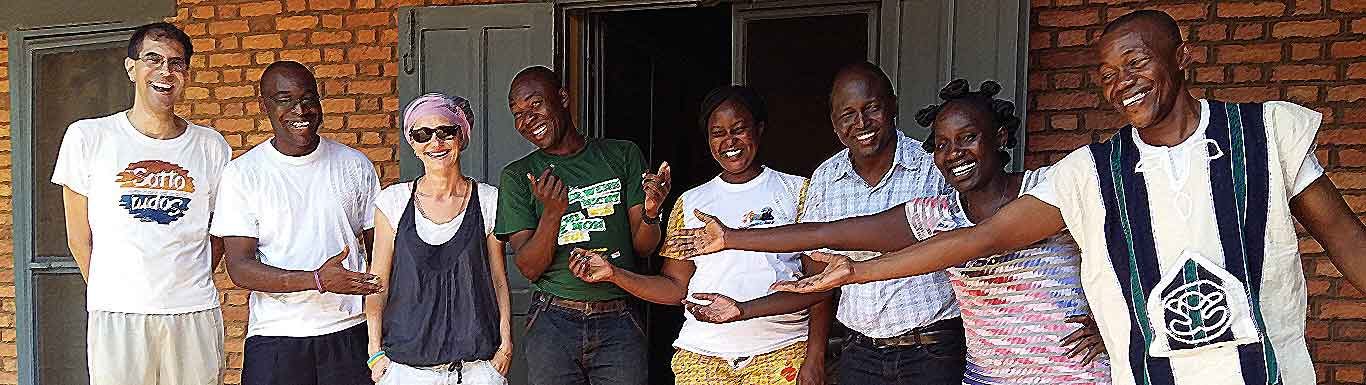
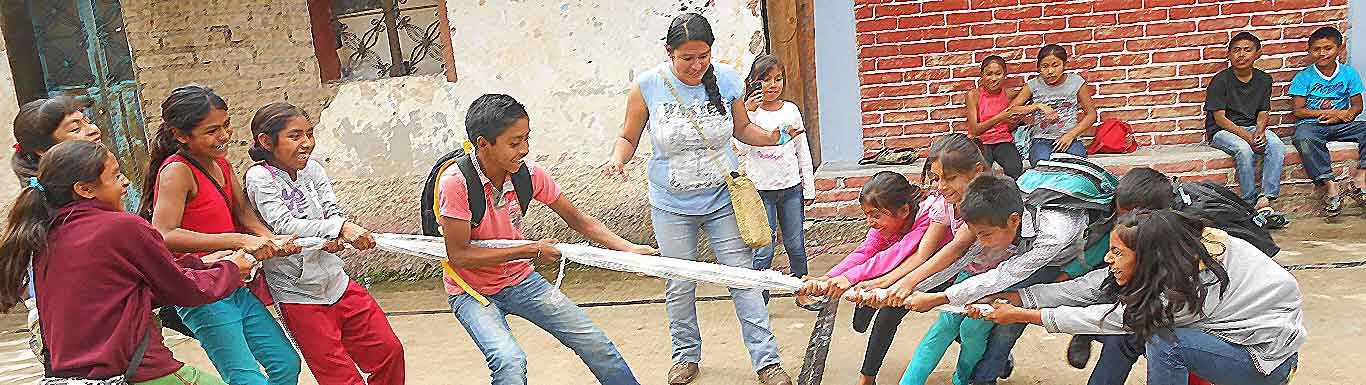
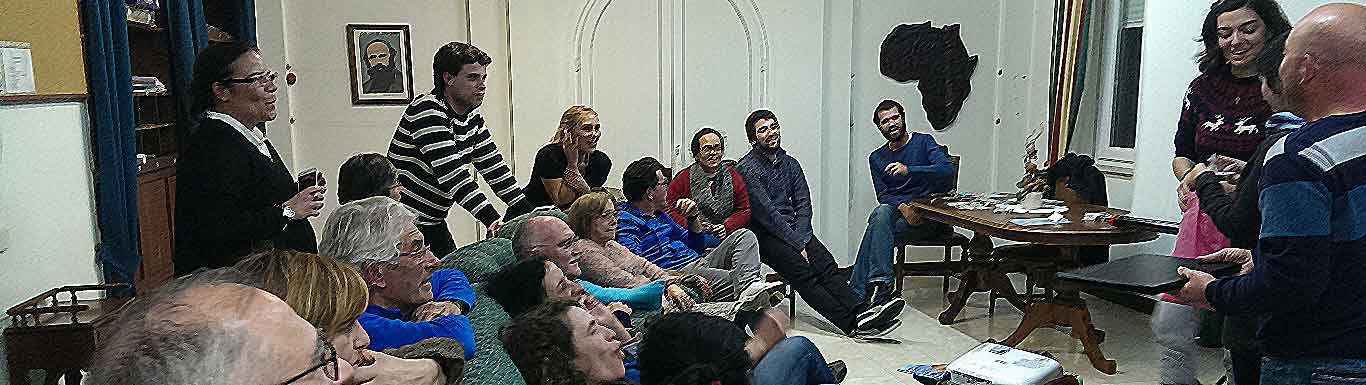
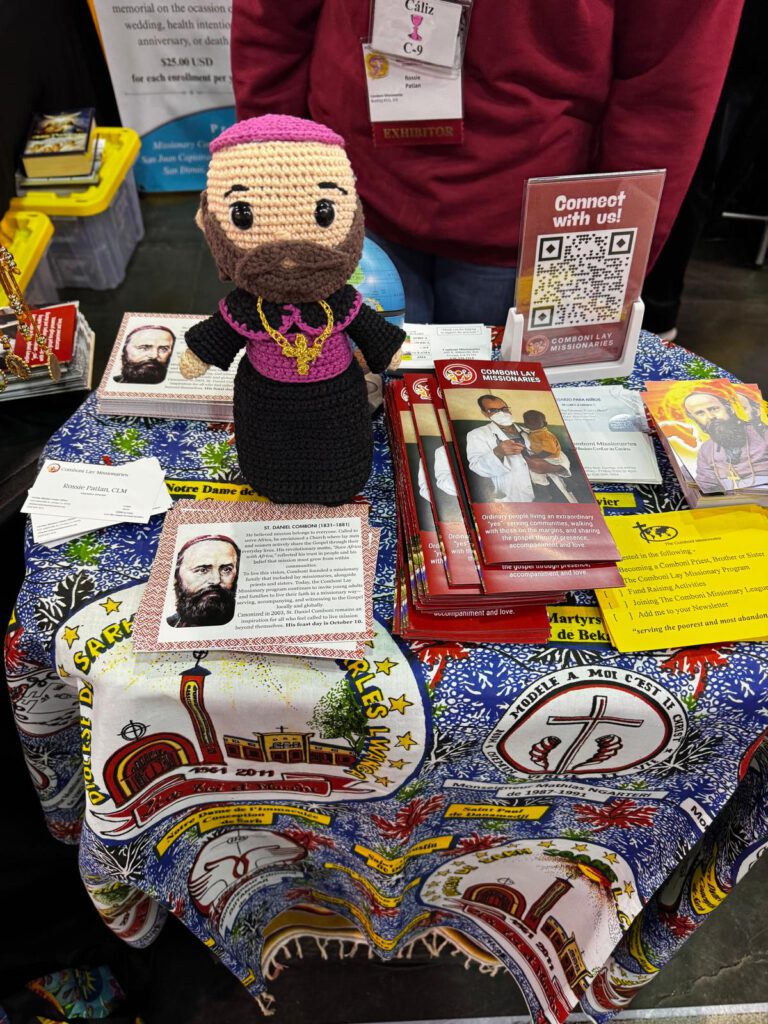
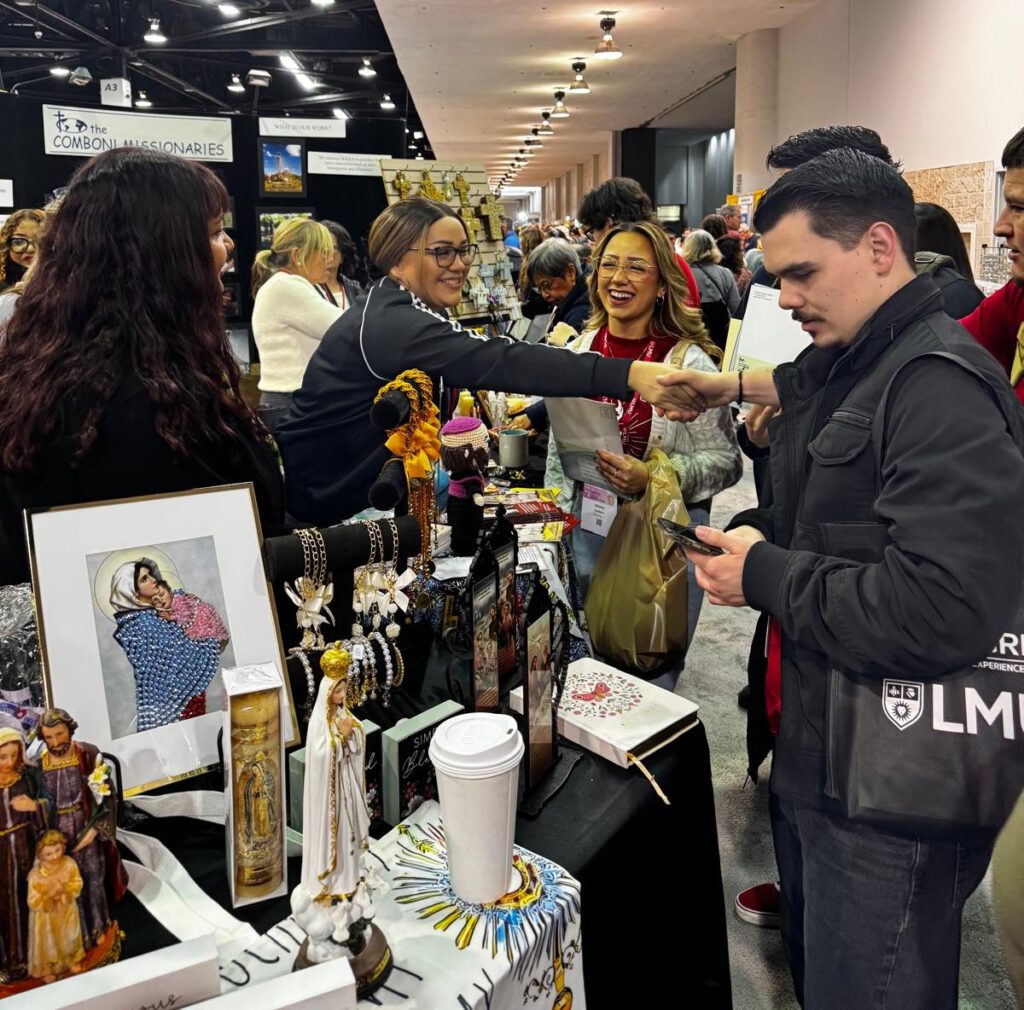
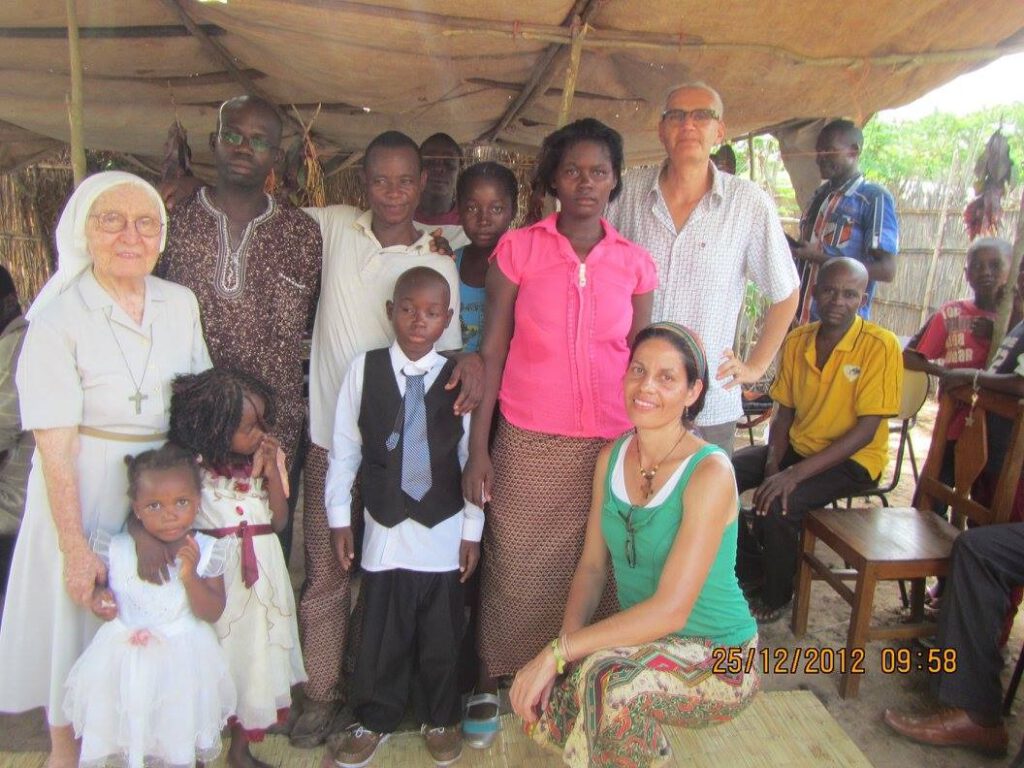
After a period of prayerful discernment and a temporary pause in our journey as Comboni Lay Missionaries of the North American Province (NAP), we are filled with gratitude to announce the renewal of our community. By the grace of God and the power of the Holy Spirit, we are once again gathering with renewed zeal, inspired by the missionary charism of St. Daniel Comboni and his dream of bringing the love of Christ to the most abandoned and forgotten.
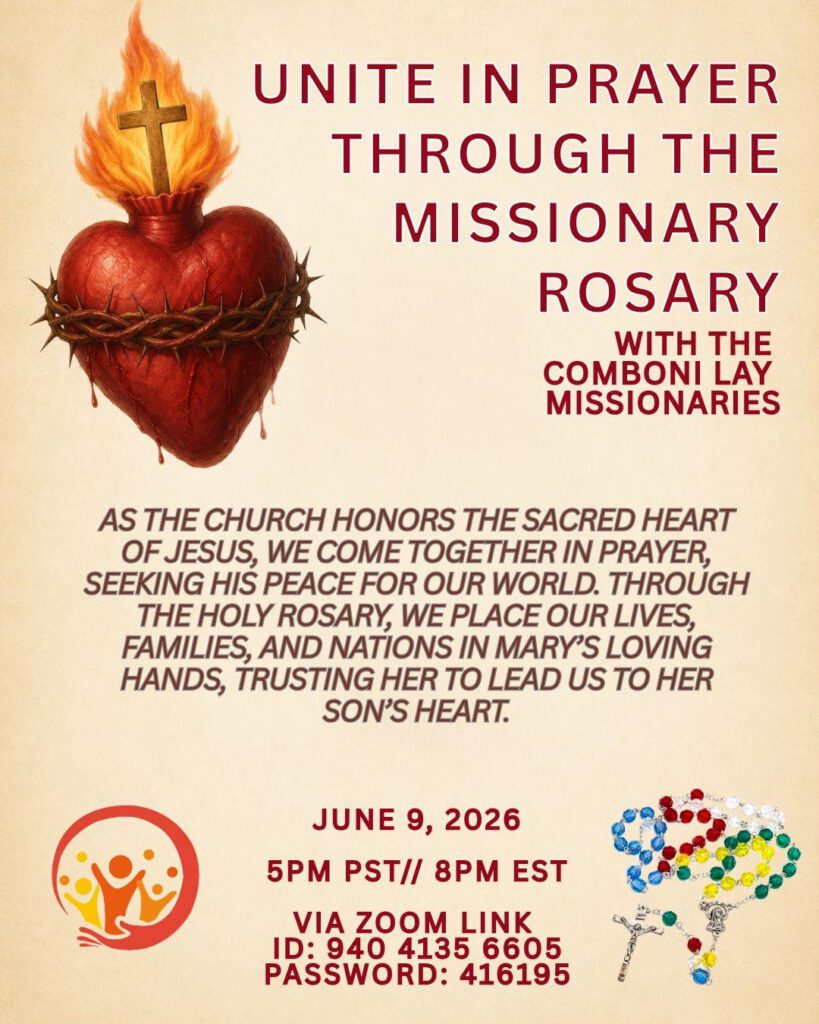
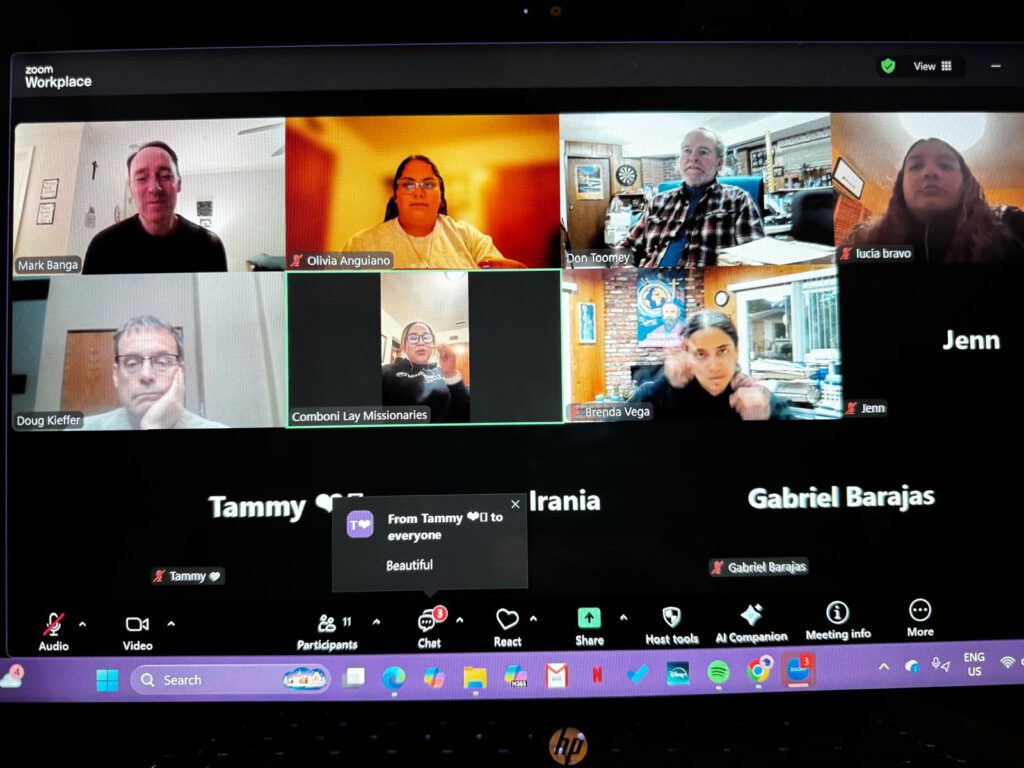
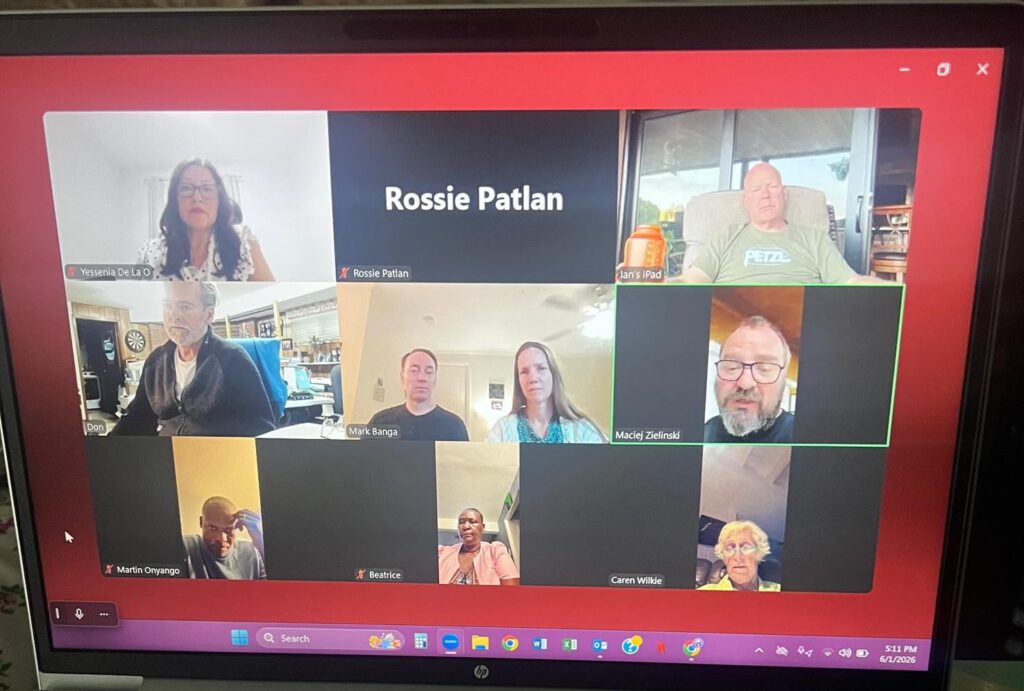
As Comboni Lay Missionaries spread throughout the United States and Canada, we have begun meeting monthly through Zoom, allowing us to remain united despite the great distances that separate us. On the first Tuesday of every month, we come together for a Prayer Night; a sacred time to strengthen our communion, nurture our missionary identity, and rekindle the fire of our vocation.
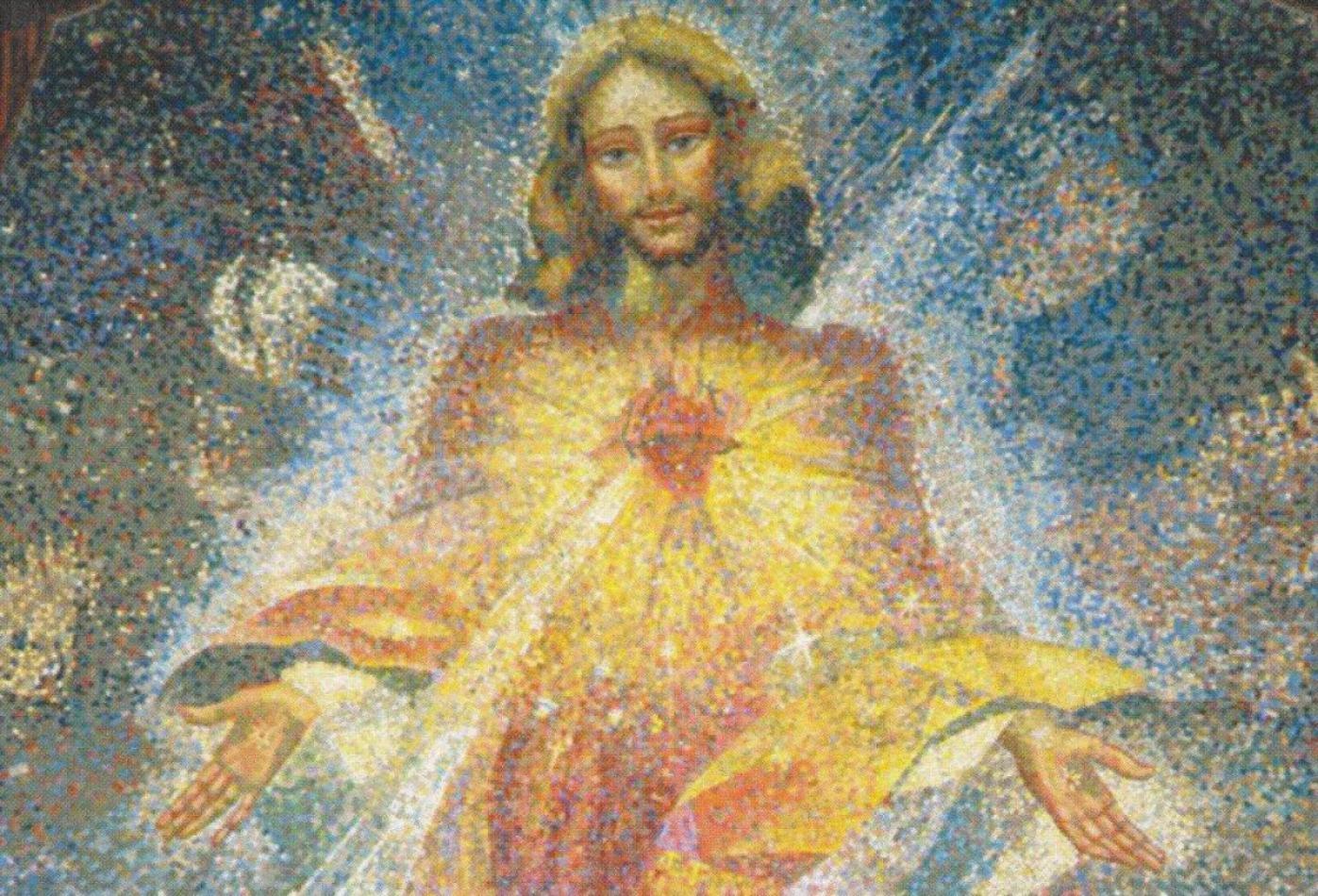
These gatherings provide an opportunity to share how the Lord is working in our lives, to reflect on our experiences serving in international missions, and to encourage one another as missionary disciples. Above all, we gather before the Lord in prayer, entrusting to His Sacred Heart our personal intentions, the needs of the Church, and the cries of our world.
In the spirit of St. Daniel Comboni, whose heart burned with love for the mission, we pray fervently for peace throughout the world, for all missionaries serving near and far, for those who suffer on the margins of society, and for an increase in missionary vocations. We also remember all those who support us through their prayers and friendship.
Our Prayer Night is open to anyone who would like to join us, pray with us, and learn more about the vocation of the Comboni Lay Missionary. It has become a beautiful opportunity not only to deepen our faith but also to share the gift of this missionary calling with others who may be discerning how the Lord is inviting them to serve His Kingdom.
As St. Daniel Comboni taught, “Save Africa with Africa,” reminding us that evangelization is accomplished through participation, accompaniment, and trust in God’s providence. Today, we continue to live this missionary spirit as lay people committed to making Christ known and loved wherever He sends us.
We invite you to journey with us in prayer and mission. May the Holy Spirit continue to guide our renewed community, and may the Heart of Jesus, source of all missionary love, inspire new generations of Comboni Lay Missionaries to respond generously to God’s call.
“Either mission or death” was Comboni’s passionate cry. May we, too, live with hearts fully given to Christ and His mission.
Peace and blessings,
Comboni Lay Missionaries of the North American Province
Rome, 12 June 2026 – Solemnity of the Sacred Heart of Jesus
Dear confrères,
On the Solemnity of the Sacred Heart of Jesus, we are invited to return to the source of our vocation and mission. By contemplating the pierced Heart of the Good Shepherd, we recognise God’s immeasurable love for humanity: a love that becomes closeness, compassion, mercy, and the total gift of self.
The Heart of Jesus is not merely a symbol of our faith; it is the place where we learn God’s way of loving and the criterion by which we discern our missionary life. In it, we discover a love that excludes no one, that allows itself to be wounded by the suffering of the world, and that continues to seek those who are lost, forgotten, or cast aside.
Saint Daniel Comboni found in the Heart of Christ the secret of his missionary passion. From that contemplation was born his love for the most abandoned peoples and his ability to share their history until he truly felt them to be his brothers and sisters. For us too, “sons” of so great an Apostle of Africa, mission finds its origin and renewal in allowing ourselves to be shaped by the Heart of Jesus, so that our outlook, our choices, and our relationships may increasingly reflect his sentiments.
Pope Francis reminded us that “the Heart of Christ, which symbolises his personal centre from which his love for us flows, is the living core of the first proclamation” (Dilexit Nos, 32). Only by remaining united to this centre can we prevent mission from being reduced to efficiency, organisation, or mere activity. Before being workers, we are disciples; before speaking about Christ, we are called to allow ourselves to be transformed by his love.
We live in a world marked by deep wounds. Wars, violence, inequalities, forced migrations, and both old and new forms of poverty continue to affect millions of people. Many men and women seek hope, a listening ear, and dignity; many young people search for a future; numerous communities live in situations of fragility and uncertainty. Faced with these realities, the temptation of indifference or resignation is always lurking.
The Heart of Christ, however, calls us to courageous closeness. It invites us not to pass by, not to shut ourselves within our securities, but to share the lives of the peoples to whom we are sent. Mission is born precisely from this movement of the heart: going out of ourselves to encounter the other, recognising him or her as a brother or sister loved by God. By giving priority to the least, the most marginalised, and the poorest, to the point of longing, in the words of Daniel Comboni, to hold in our arms and give a kiss of peace and love to those unfortunate brothers and sisters of ours (cf. Writings, 2742). Yes, as Comboni missionaries, we are called to be a sign of this love that welcomes and reconciles, that creates fraternity and generates hope on the peripheries of the world.
Our presence in the various Churches and among the different peoples of the world gains credibility when it becomes a witness of communion, especially within our international and intercultural communities. The diversity of our origins is not an obstacle to mission but one of its most eloquent signs: the Gospel can unite what the world so often divides.
On this feast, therefore, let us ask for the grace of a missionary heart, capable of compassion, listening, and closeness; a heart free from every form of closure and willing to be troubled by the sufferings of the poorest and most abandoned; a heart able to recognise the presence of God in the human and existential peripheries of our time.
We entrust to the Sacred Heart of Jesus our Institute, the communities in which we live, the peoples whom we serve, and all those whom we carry in prayer and in our daily work. May this Heart renew within us the joy of the Gospel, rekindle the fire of mission, and make us credible witnesses of his love in the world.
With fraternal affection, we wish you a holy and joyful Feast.
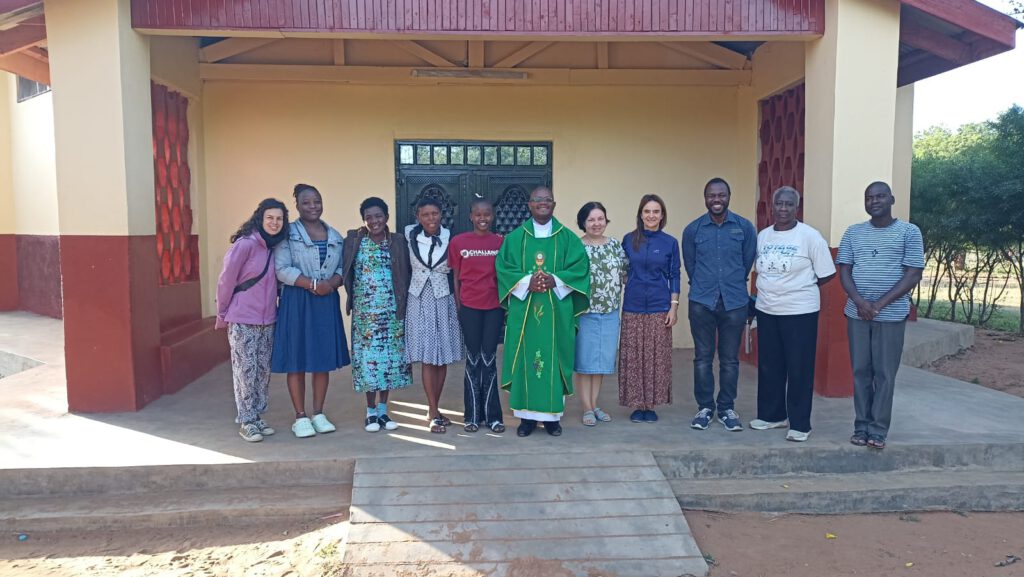
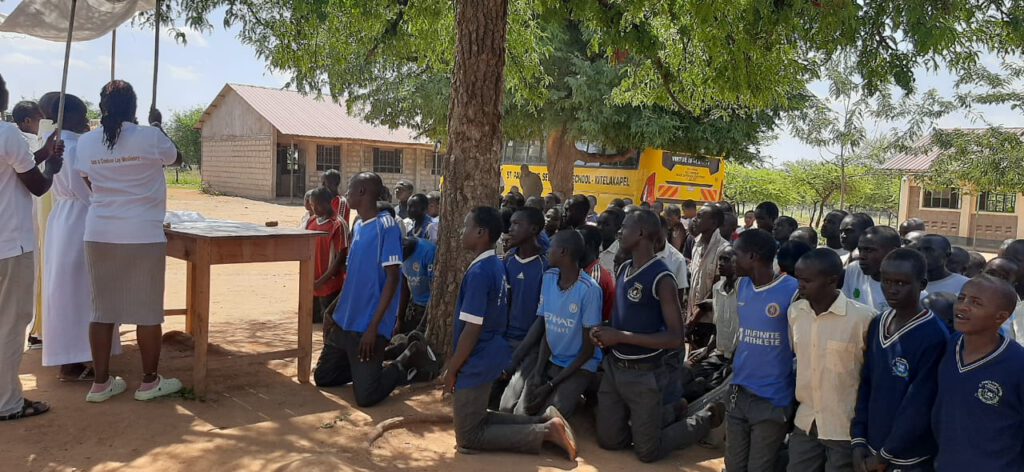
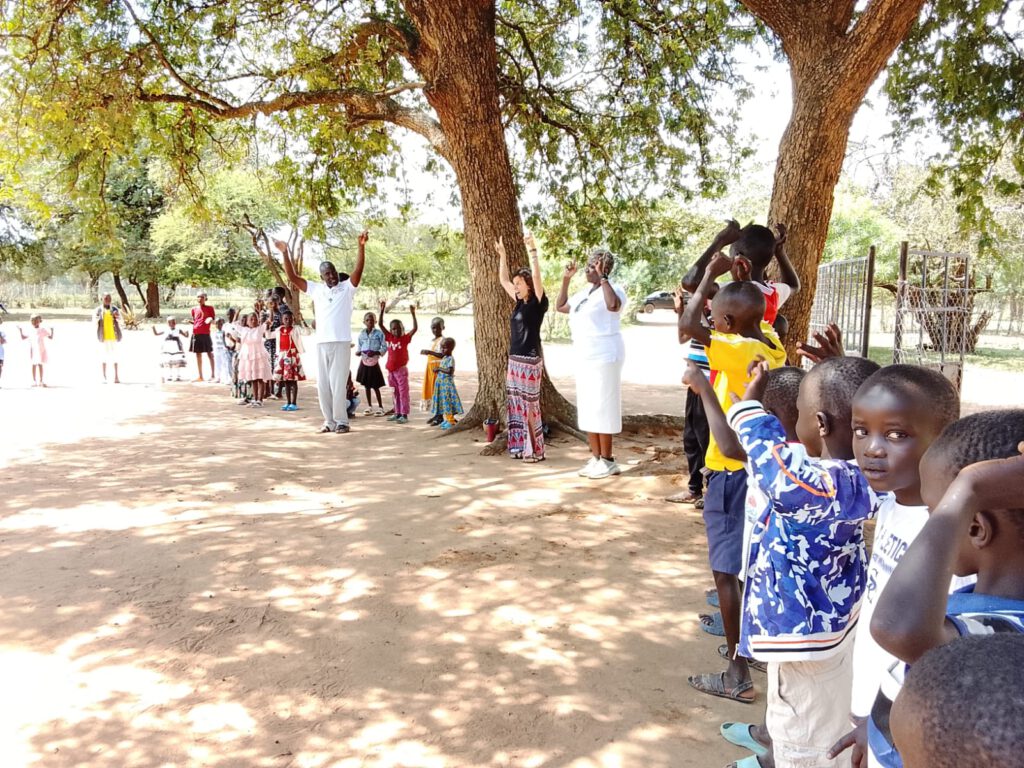
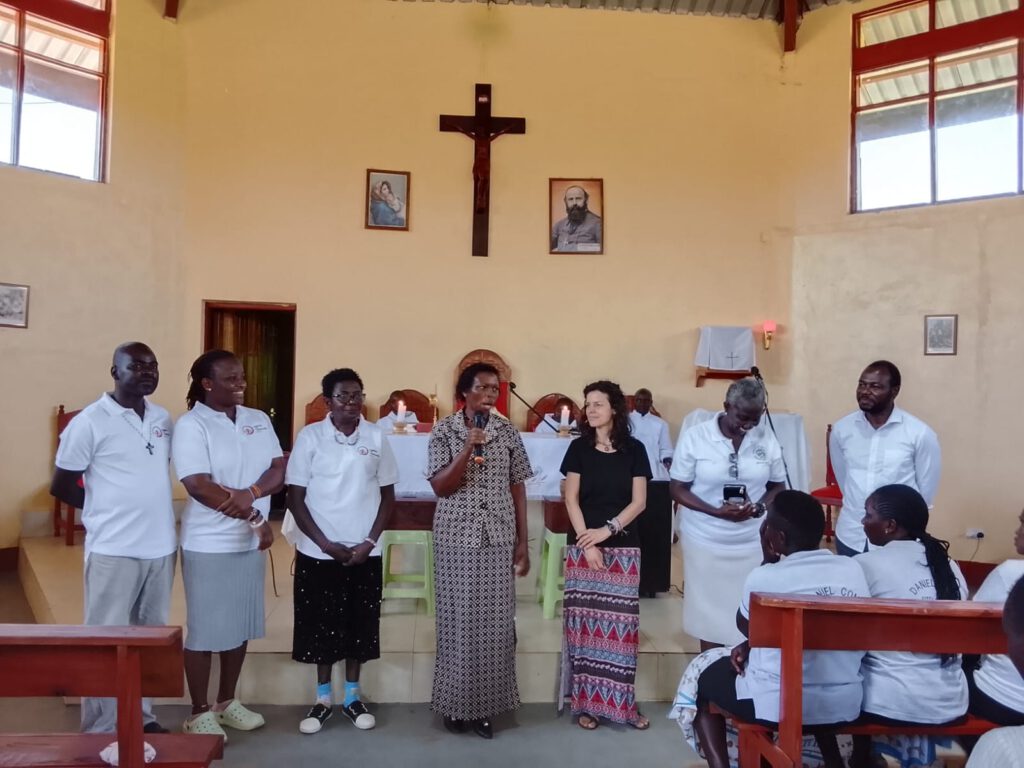
From June 4–8, a meeting of CLM Kenya members took place in Kitelakapel. It was a special time of reflection, prayer, and planning for the future of our community.
During the meeting, we reviewed the development of CLM over the past six months and reflected on the direction we should take moving forward. Together, we discussed our strengths, challenges, and opportunities for further growth and service. Each day began with Holy Mass celebrated by Fr. Joseph, during which we entrusted our plans, activities, and intentions to God. The gathering was also an excellent opportunity to strengthen our relationships, share experiences, and build community.
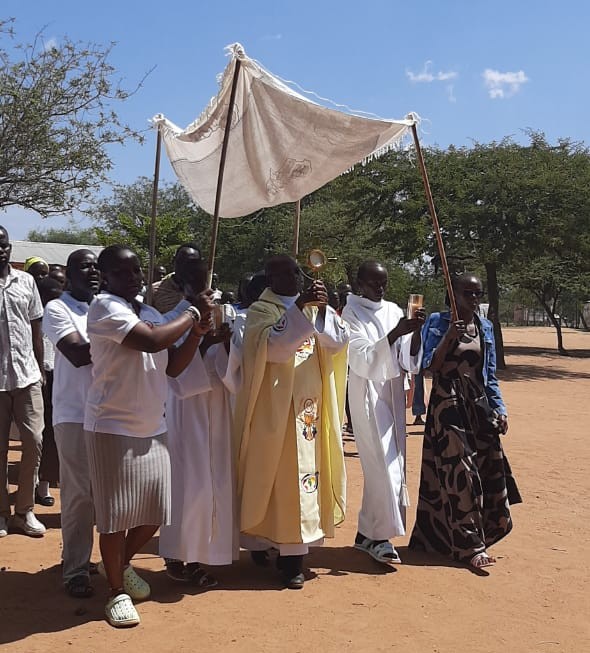
A particularly important event during our stay was the celebration of the Feast of Corpus Christi on June 7. CLM members participated in the solemn Eucharistic procession in Kitelakapel. The Holy Mass was celebrated by Fr. Joseph, who reminded us in his homily of the importance of the Eucharist as a source of unity, love, and strength for every Christian. It was a special time of prayer and a public witness to our faith.
After Holy Mass, the faithful took part in the procession with the Blessed Sacrament, honoring Christ truly present in the Eucharist. CLM members actively assisted in the preparation and organization of the celebration and helped throughout the entire event.
This beautiful feast brought together many parishioners, children, and young people, demonstrating the living faith of our community. It was also a special moment of unity, joy, and gratitude for the gift of Jesus’ presence among us.
On Monday, after Holy Mass and breakfast, we departed for our homes, taking with us new inspiration, spiritual encouragement, and renewed motivation to continue serving others.
We thank everyone for their presence, commitment, and the time we shared together. May Christ present in the Eucharist continue to guide and strengthen us in our daily lives and in our mission as
Faced with growing social and political polarisa-tion, conflicts, and wars in our world, may the Lord help us to build bridges, not walls, so that love may prevail over the barriers that seek to di-vide us. Let us pray.
Today, we can find countless options in the world. No matter how difficult our situation may seem, we have the opportunity to choose and follow a path and commit to a dream—a mission that allows us to break free from the social norms in which we were raised, educated, or forced to follow out of fear of what others might say. According to the options presented by my family, I had two choices for my vocation: “You get married or you go to a convent.”
Faced with this choice, I went through a vocational discernment process with the consecrated sisters, but I realized I didn’t feel called to religious life and thought I would get married—until I had the opportunity to learn about the vocation of the Comboni Lay Missionary (CLM) where, whether single or married, we could serve God by helping to build a world where His love reigns.
My name is Beatriz, and I’ll tell you a little about how my story changed when I met the CLM. I come from a Catholic family in Sahuayo; I grew up living my faith within my family, we actively participated in the apostolates held at the parish, and I was studying at the university. Everything was normal, until something changed in me when I was invited to participate in a Holy Week mission camp; it was the year 2000. I never imagined everything I would experience by saying “yes” to God. That week changed my story and my idea of starting a family. Thus, one of my childhood dreams—one that had been buried in my memory—was fulfilled: to go to Africa to help the children. God, who knows the innermost depths of our hearts, had rescued that desire. It had first emerged when I read the stories of the Comboni Missionaries in the magazine *Aguiluchos*, which we read with our catechist, Lolita.
I had always wanted to go on a mission trip during Holy Week; a friend invited me, and honestly, it brought me so much joy that, without hesitation, I committed to participating. Leaving my family wasn’t easy. Stepping out of my comfort zone was a step toward experiencing beautiful moments. Being in a place with people I didn’t know, doing things I’d never imagined and wasn’t used to, was a huge challenge that helped me develop the ability to adapt, recognizing God’s presence in others. Being with them as a layperson to share my experience of God—knowing that the values of the Gospel are universal—was what gave identity to my lay vocation within an indigenous community.
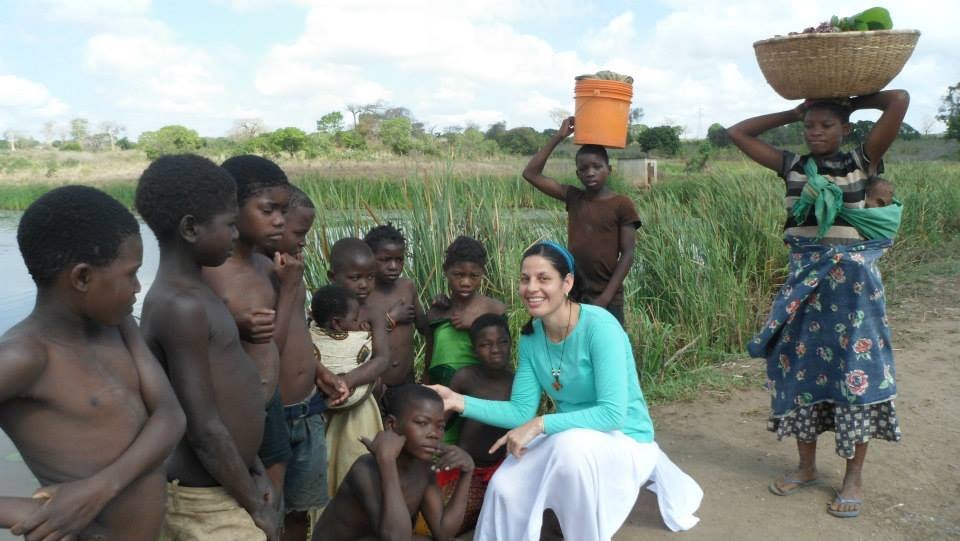
From that year on, it was impossible to stop living the mission. The experiences at different times of the year and for longer periods increased, a situation that brought me closer to the people and to living their day-to-day lives, sharing everything, enriching one another.
I received the proposal to go on mission outside the country, and upon saying “yes,” I began my formation in community; it was a period in which I refined my decision. So, after a long wait, I received a letter that said: “You will go on mission to Mozambique”; the letter arrived after my father’s death, an event that shook my life. Trusting in God, I set out on the mission; prayer and the support of my family strengthened me as I took the step I had to take.
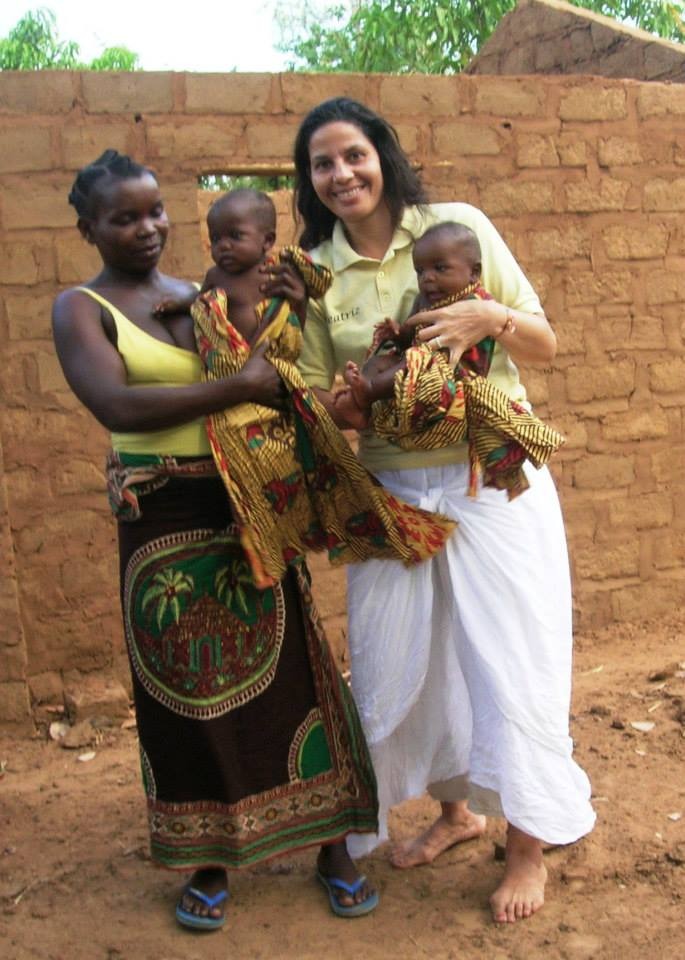
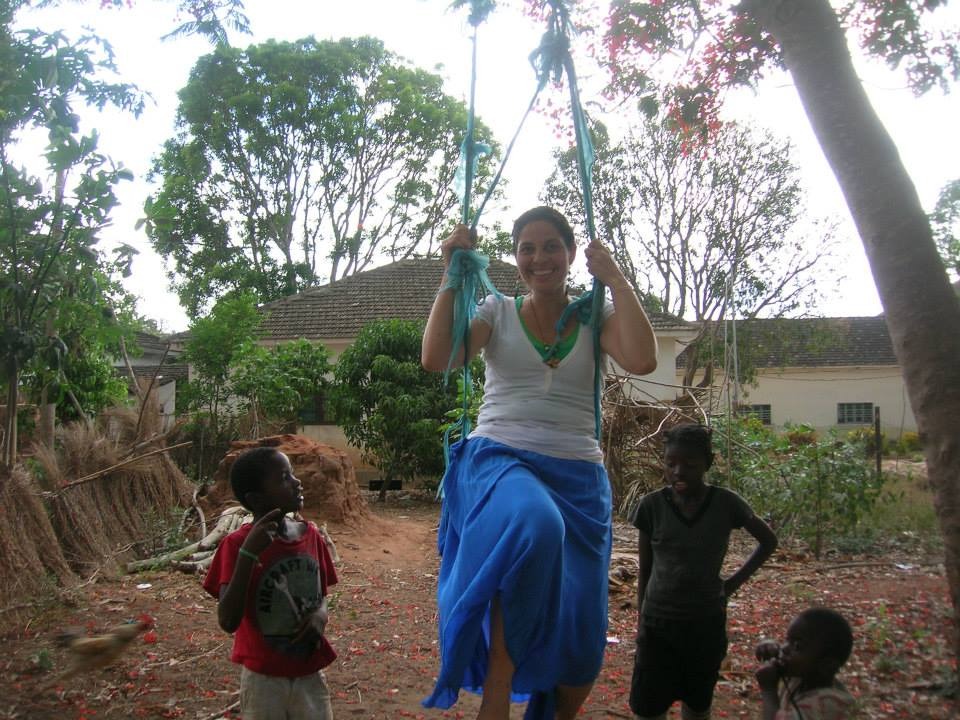
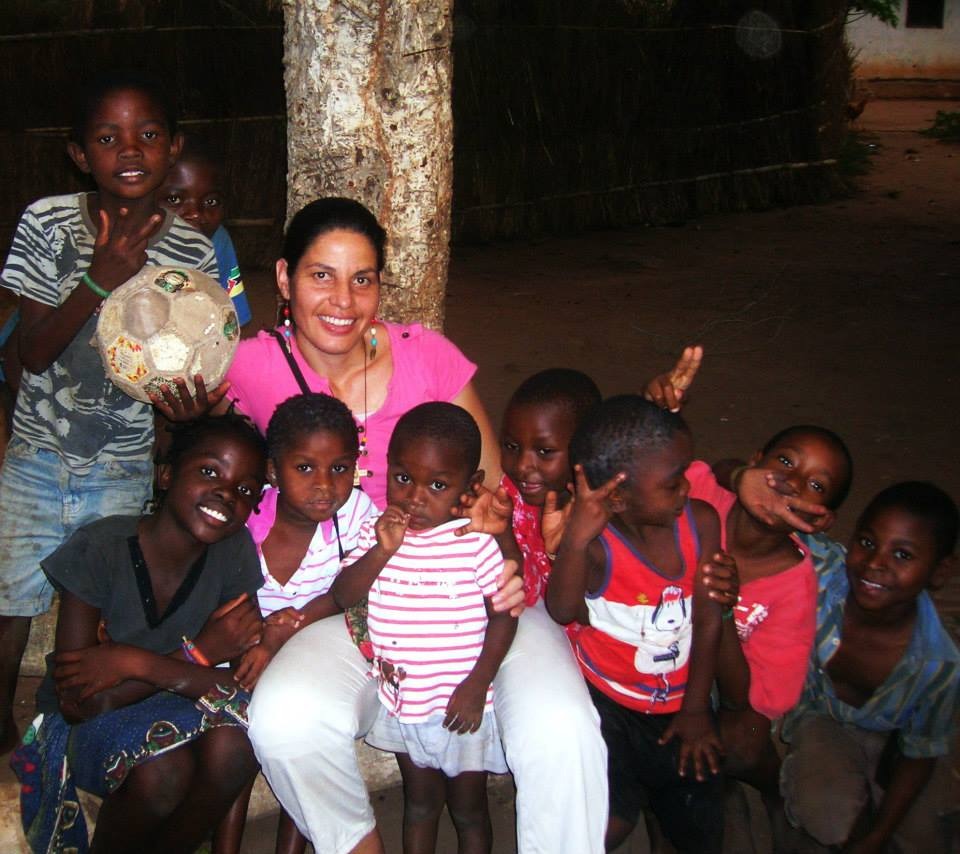
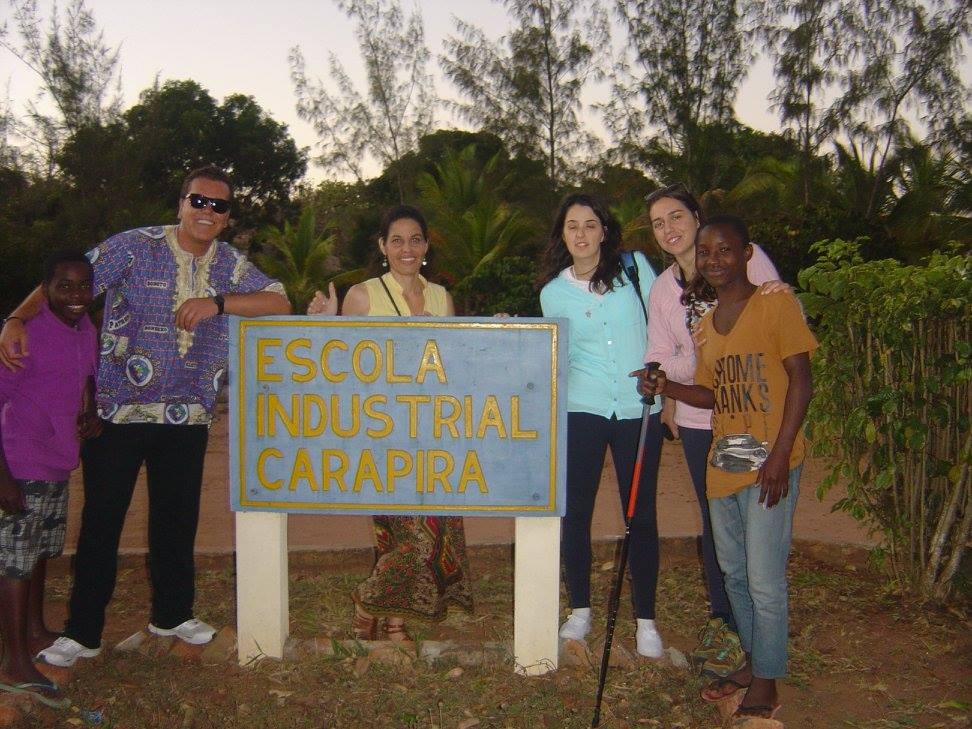
Arriving in Africa was a dream come true. The people of Mozambique welcomed me with their warm hospitality and joy. I spent two days in Maputo, the country’s capital, waiting for the priest who would take me to Nampula. The CLM members who would be my companions picked me up and drove me to Carapira.
Thus began my missionary journey with people I came to know and with whom I formed bonds of friendship and family. This was very important to me because every day I became more convinced that I was not alone; first were my community and group companions, such as Martinho and Margarida, a CLM couple from Mozambique, who were great mentors to me and helped me correct my mistakes in the mission field.
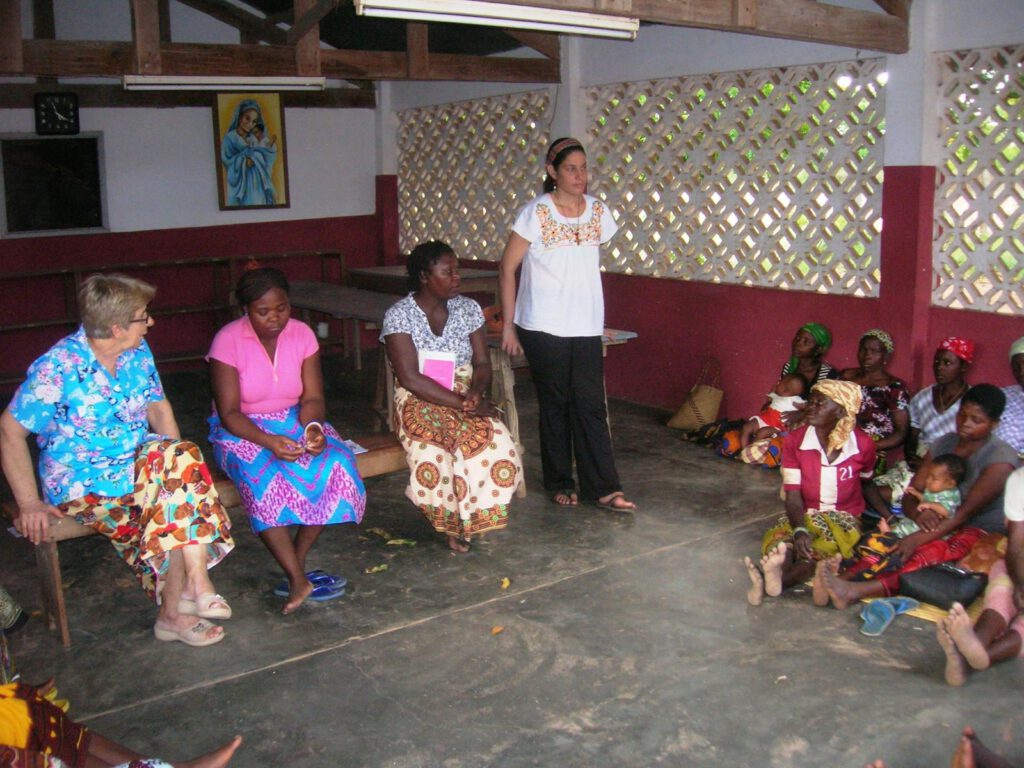
Fortunately, there was also a community of Comboni priests and brothers who served the parish and the school, as well as the Comboni Sisters who cared for the girls at the boarding school. Together we formed the missionary team for the parish of Carapira. Each of us had our own activities, but we were united by prayer, the work plan, our time together, and even outings, which allowed us to get to know one another better.
I lived at the Carapira Industrial Technology Institute (ITIC), which is amazing—the welcome message really made you feel at home: “Making the school one big family.” That’s exactly what it was—we all managed to center our lives around what was happening at ITIC; it provided us with amazing experiences 24 hours a day, from preparing breakfast, cleaning all the areas, helping with administration and teaching classes, to evening study sessions and caring for the sick—it was a true team effort.
When it came to religion, there was a lot of respect and a variety of faiths. Once, the Muslim students invited me to join them for their prayer time. We Catholics had Mass twice a week, and every eight days we met with the youth group. Some participated in the vocational meetings we organized at the parish, retreats that have borne fruit for missionary and diocesan life; some are now priests, and others continue their formation process, as is the case with two Comboni scholastics, who are now studying in the Americas: Doler in Brazil and Felizardo in Peru.
The biblical passage that solidified my missionary path is “You will receive power when the Holy Spirit comes upon you, and you will be my witnesses to the ends of the earth” (Acts 1:8). It remains present in my prayer life, especially during this Jubilee Year, which coincides with my 25th anniversary as a CLM. This power remains alive, and I had the opportunity to celebrate it in various ways:
1. In the lay group, I was tasked with coordinating the opening of our CLM movement’s permanent mission in the parish of San Miguel Arcangel in the community of Metlatónoc, Gro—a project we had already been planning for three years.
2. I joined the coordinating team of Misioneros Laicos Ad-gentes (MILAG), a challenge for me personally given the many tasks I already have as a lay missionary.
3. I joined the Comboni family to participate in the Youth Jubilee in Rome, accompanying a group of eight young Mexicans, including four of my nephews. Prior to that, we had a week of formation where we shared reflections on the encyclical Laudato Si’.
4. I helped organize the Diocesan Animators’ workshop in San Juan de los Lagos with the MILAG team.
5. Mission ad gentes experience with my niece in Lokichar, a community in Kenya—a time of great learning and vital growth for us.
6. Celebrating my vocation as a CLM with my parish community and family, and encouraging others to discover this missionary path.
I can tell you that April 23, 2000, was the Easter that brought about a very significant change in my life, allowing me to begin a process of continuous learning and growth where doing what I love with love allows me to be happy.
Every day brings new challenges; prayer and ongoing formation are the great pillars that strengthen me to move forward wherever God wills, with the certainty that every day is an opportunity to serve. I entrust myself to your prayers.
If you have questions about the missionary life ad gentes, respond to your call and you will find happiness in proclaiming the Gospel.
Beatriz Maldonado Sánchez, CLM
Este sitio web utiliza cookies para mejorar su experiencia. Si continúa navegando consideramos que acepta el uso de cookies, pero puede optar por lo contrario si lo desea.
This website uses cookies to improve your experience. If you continue to browse we consider you accept the use of cookies, but you can opt-out if you wish. Acepto Puede obtener más información - You may have more information here
Politica y privacidad de Cookies - Privacy & Cookies Policy
Privacy Overview
This website uses cookies to improve your experience while you navigate through the website. Out of these, the cookies that are categorized as necessary are stored on your browser as they are essential for the working of basic functionalities of the website. We also use third-party cookies that help us analyze and understand how you use this website. These cookies will be stored in your browser only with your consent. You also have the option to opt-out of these cookies. But opting out of some of these cookies may affect your browsing experience.
Necessary cookies are absolutely essential for the website to function properly. This category only includes cookies that ensures basic functionalities and security features of the website. These cookies do not store any personal information.
Any cookies that may not be particularly necessary for the website to function and is used specifically to collect user personal data via analytics, ads, other embedded contents are termed as non-necessary cookies. It is mandatory to procure user consent prior to running these cookies on your website.