Theme: “Young People, Talents for Mary”
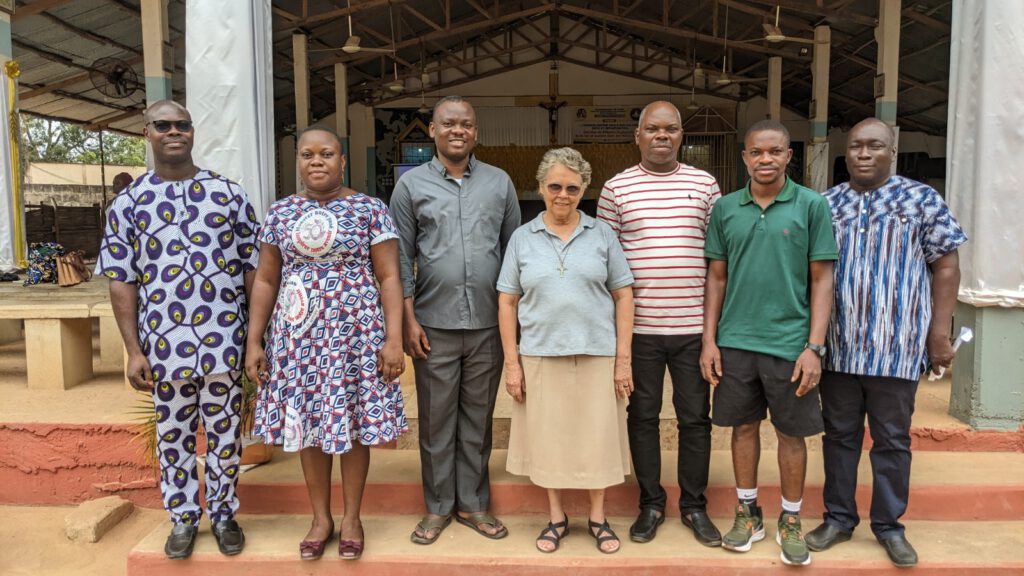
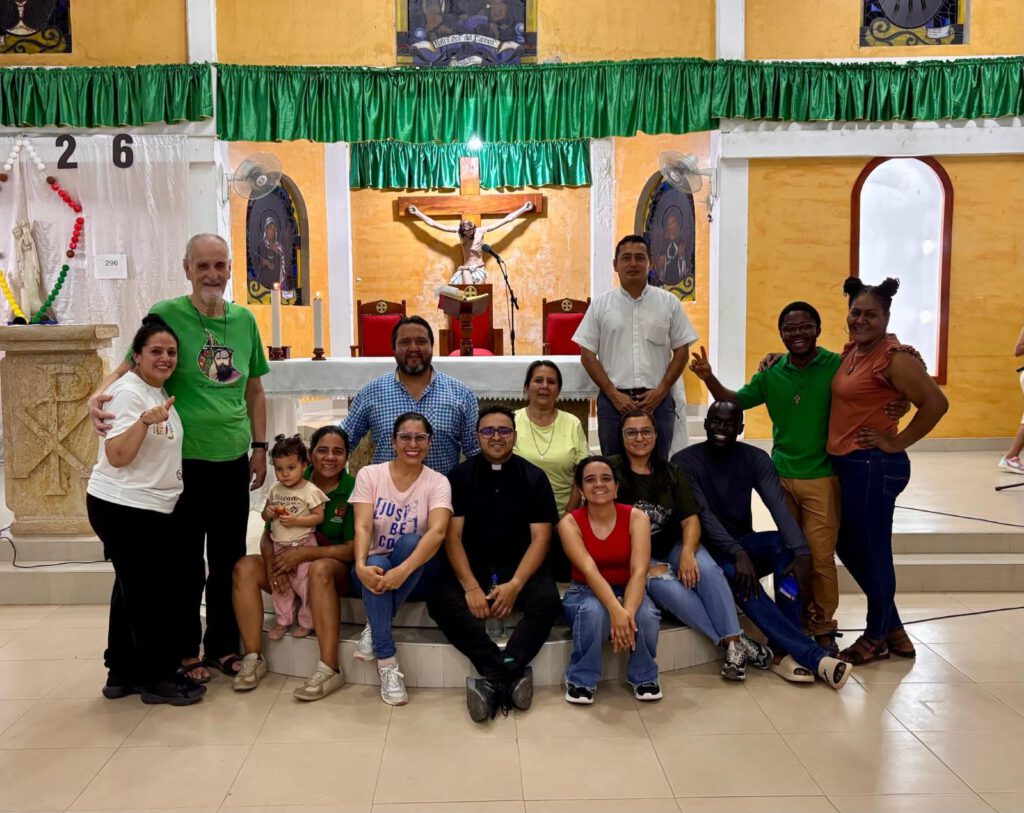
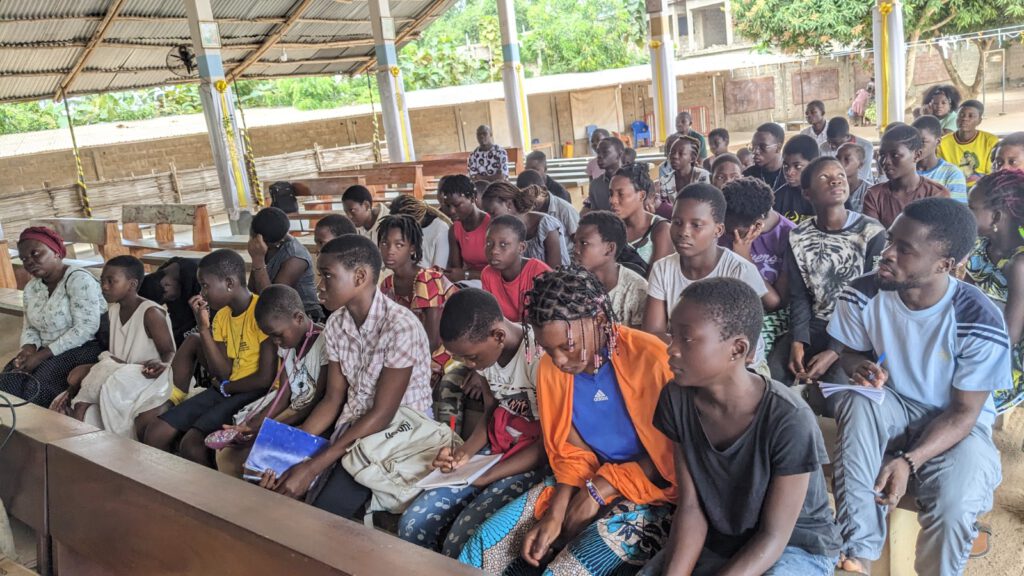
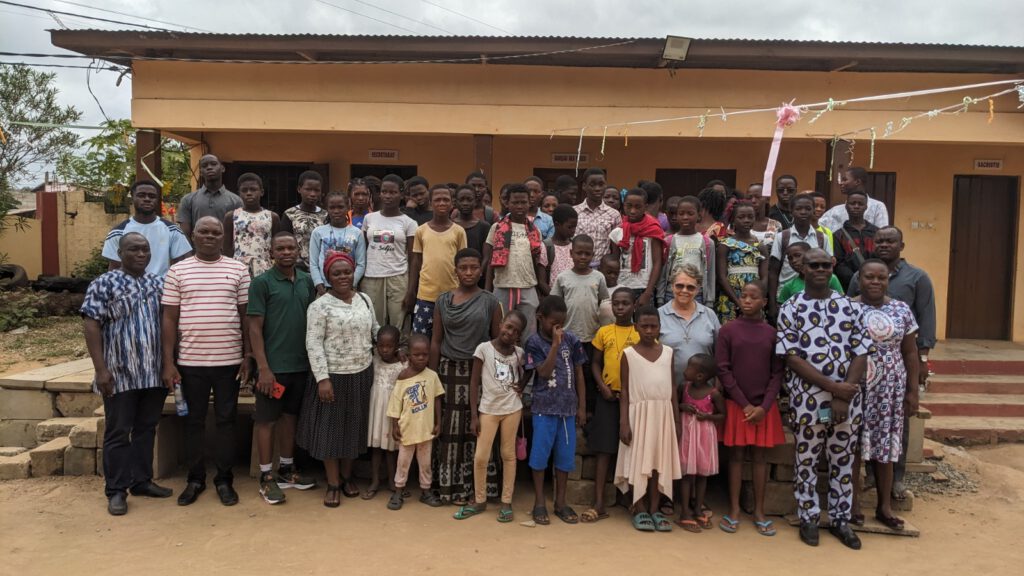
About fifty young people, six days of training, talents discovered, and a meaningful experience of faith, sharing, and learning!
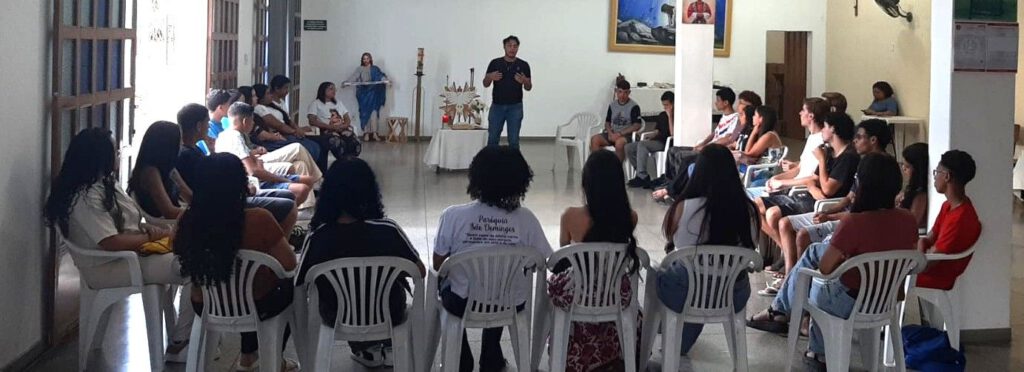
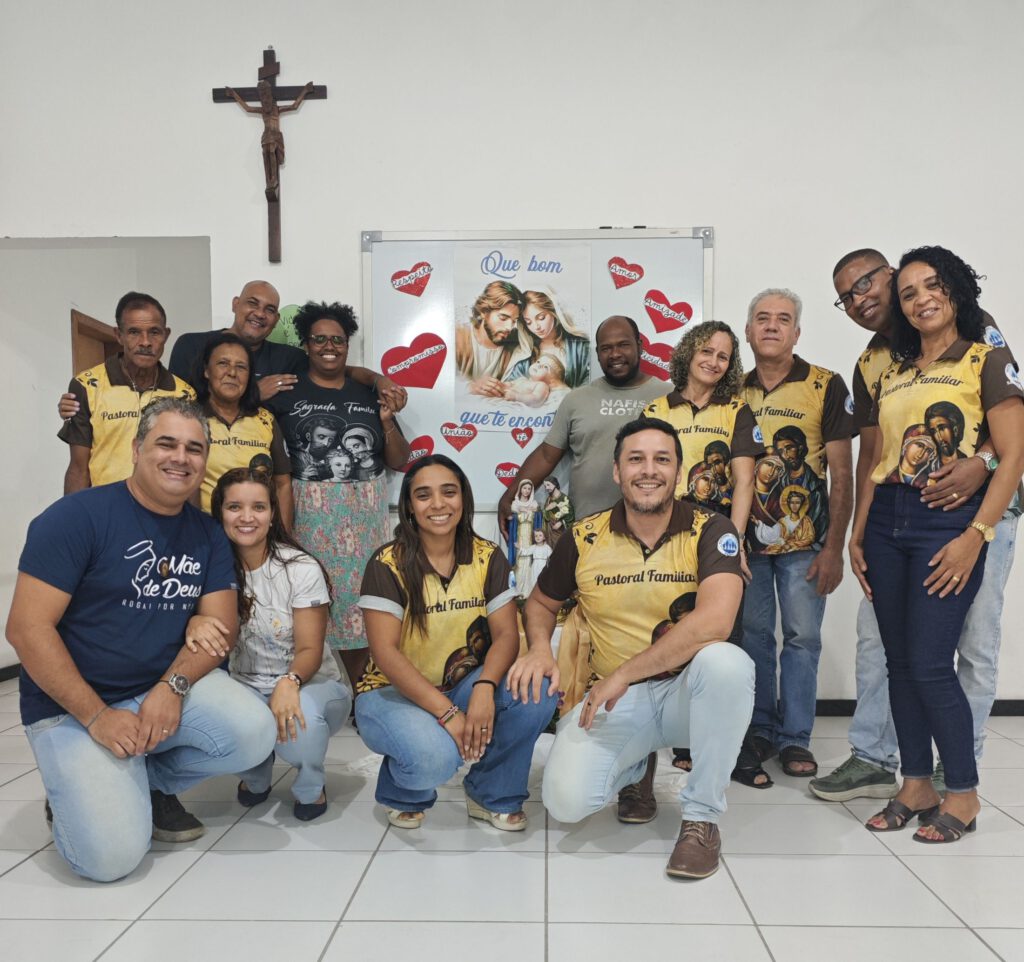
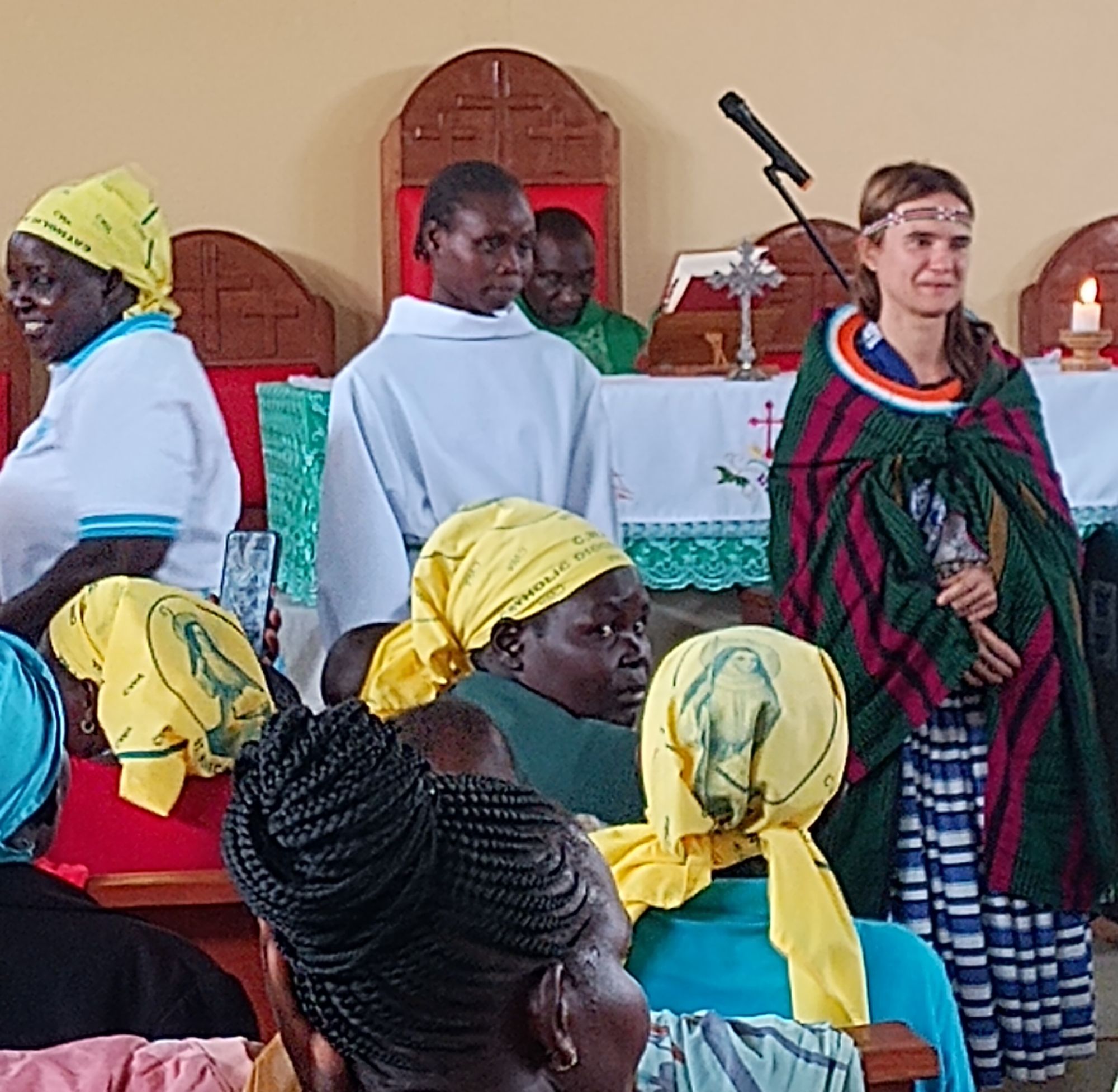
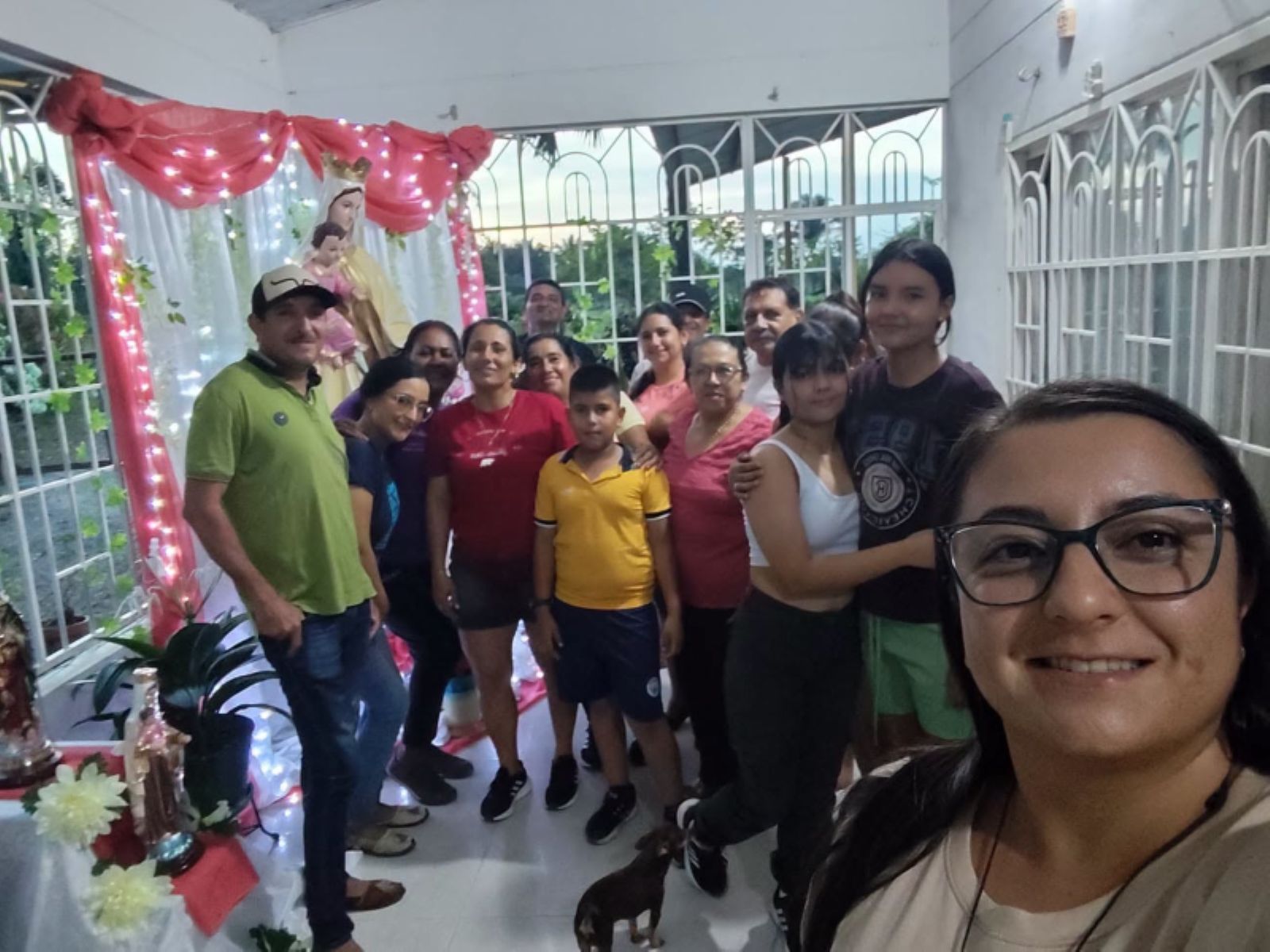
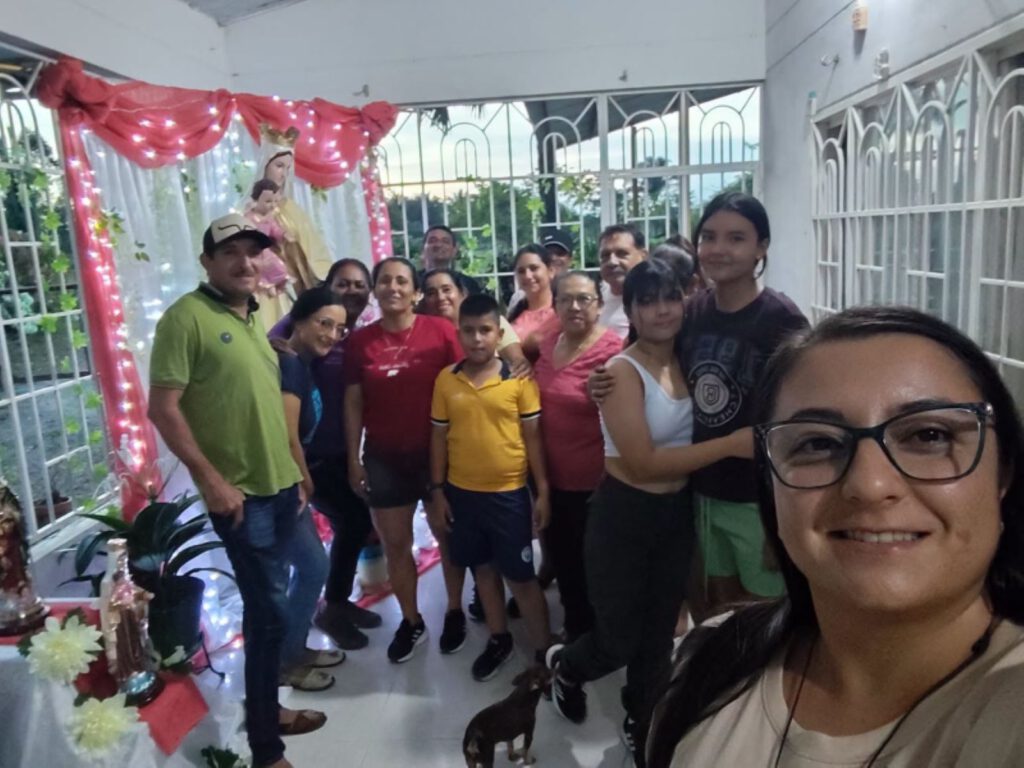
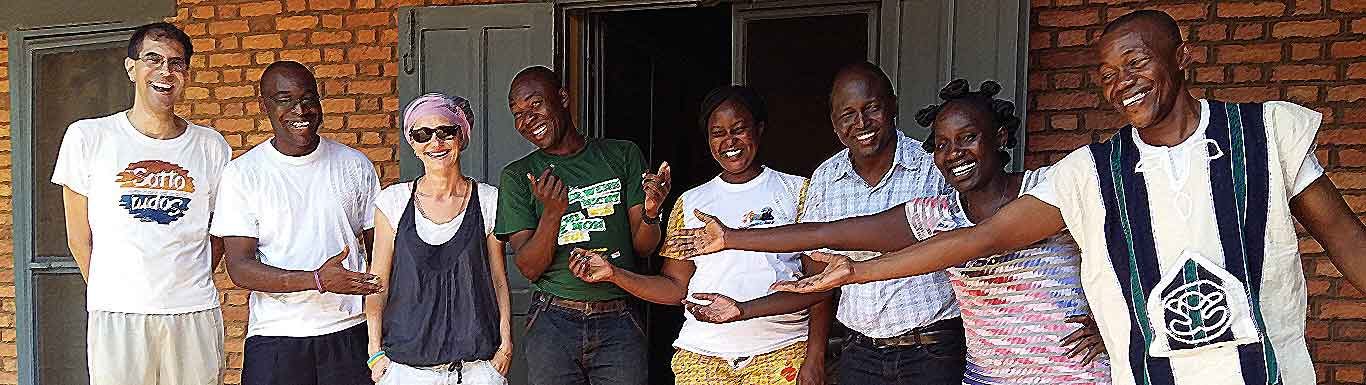
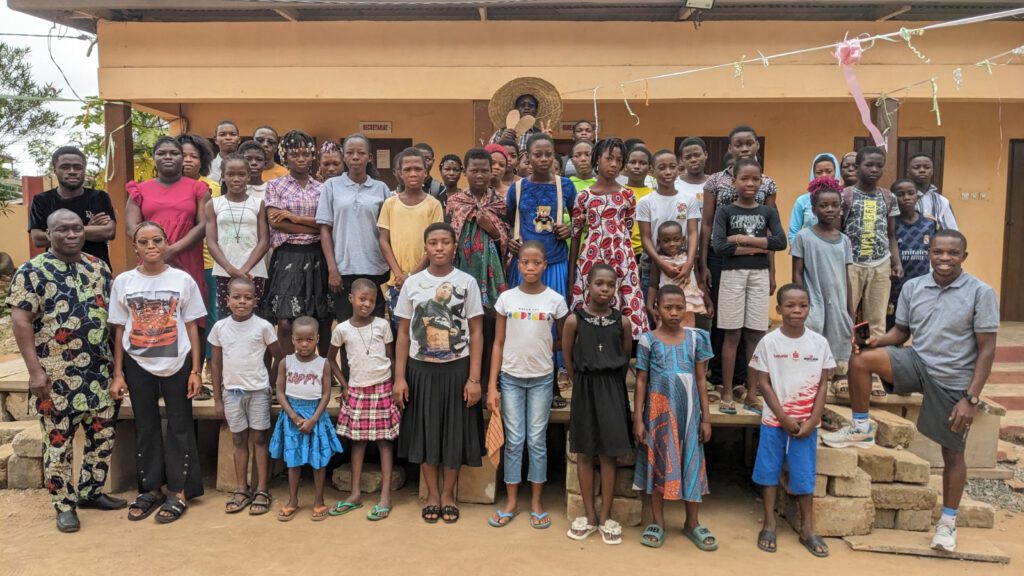
From August 10 to 15, 2026, Holy Family of Nazareth Parish in Klikamé-Dangbessito hosted the 2026 Youth Leaders Training Session, organized by the Comboni Lay Missionary Candidates of Togo (CLM) in collaboration with the Legion of Mary.
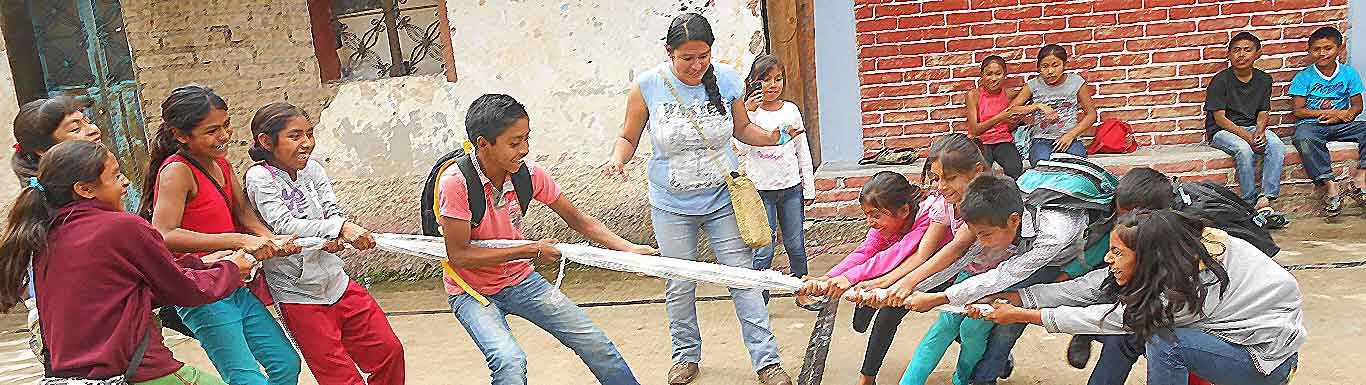
The initiative brought together about fifty young people for a program designed to support their human and spiritual development while enabling them to discover, develop, and make the most of their talents.
The session was centered on Mary, who was presented on the first day as the “Star of Youth” by Father Aubin-Ephrem Biney, parish priest.
Through the life and virtues of Mary, the young participants were encouraged to cultivate humility, patience, resilience, compassion, prayer, and a spirit of service—values that are essential for becoming responsible leaders.
Topics Addressing the Challenges Facing Young People
Throughout the session, several important topics were addressed.
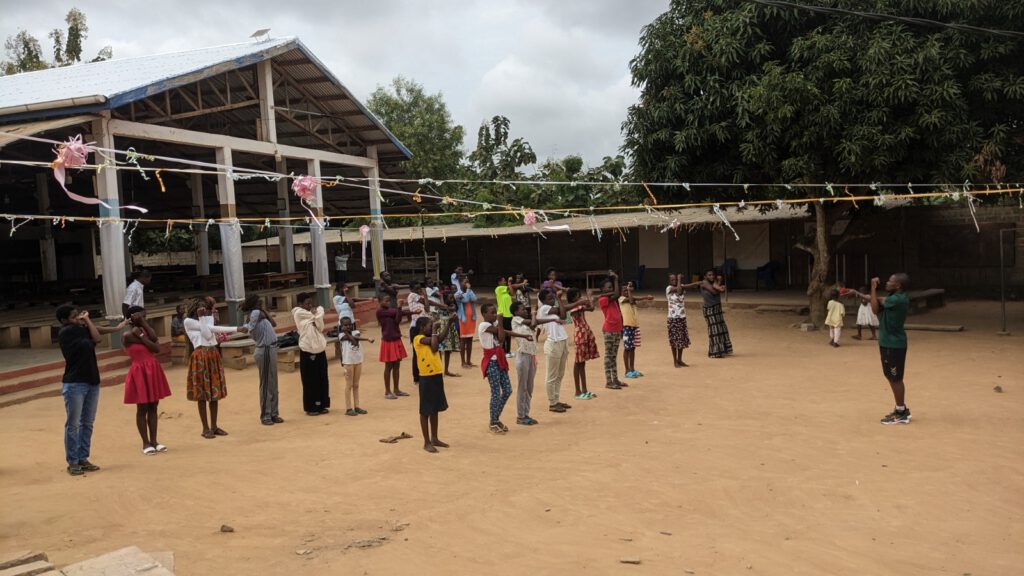
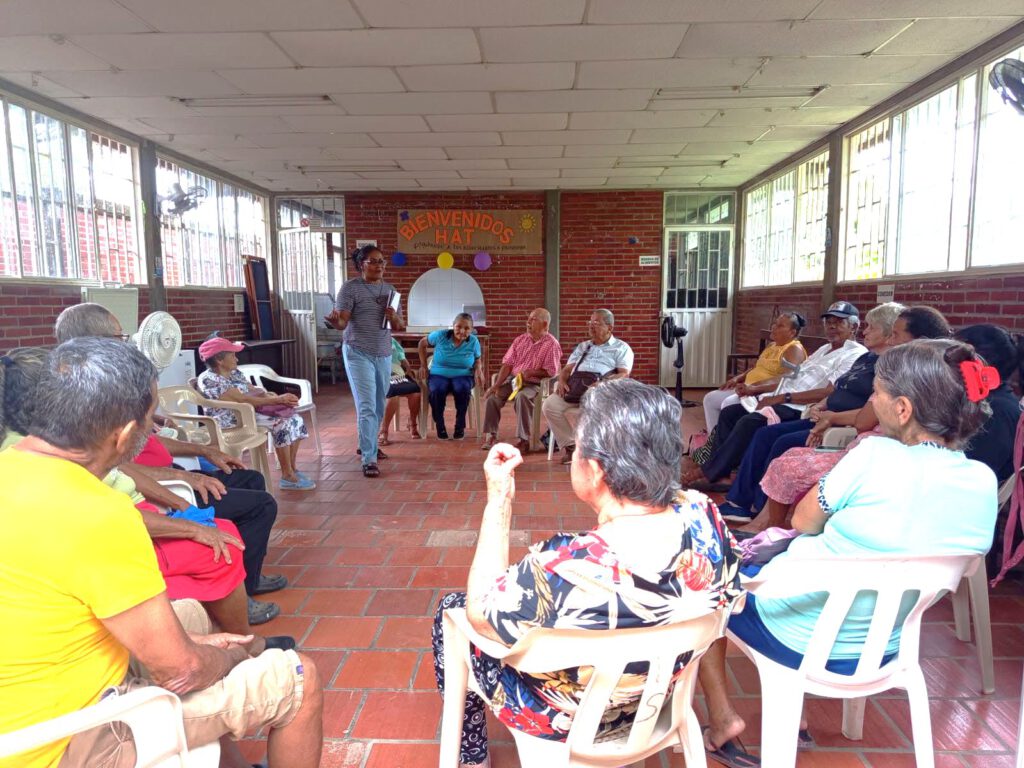
Personal and Environmental Hygiene, presented by Jean-Baptiste Gnimassoun, LMC, helped raise awareness among the young participants about the importance of personal hygiene, cleanliness, and environmental protection.
21st-Century Skills, presented by Ernest Botri, LMC, helped participants discover the importance of creativity, critical thinking, communication, collaboration, and other skills needed to succeed in today’s world.
Human and Spiritual Formation
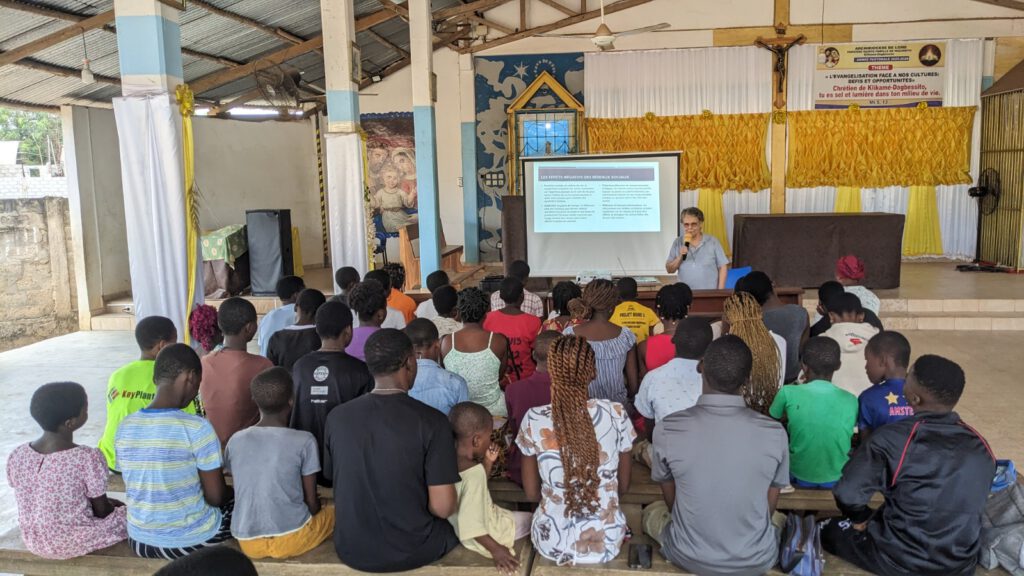
Young People, social media and Artificial Intelligence, presented by Sister Elizabeth Corte Imperial, Comboni Missionary Sister, provided an opportunity to reflect on the responsible use of digital technologies.
The session also addressed human sexuality, its different dimensions, and the risks associated with irresponsible sexual behavior, with the aim of promoting responsibility and respect for oneself and others.
A Screening of the Film “Bernadette Soubirous”
The third day featured a special cultural and spiritual activity: the screening of a film about Bernadette Soubirous.
Through the story of this young girl and her experience of faith, the participants were invited to reflect on values such as faith, perseverance, humility, and fidelity to one’s convictions.
The screening complemented the spiritual teachings of the session and provided an opportunity for reflection and sharing among the young participants.
Turning Talents into Skills
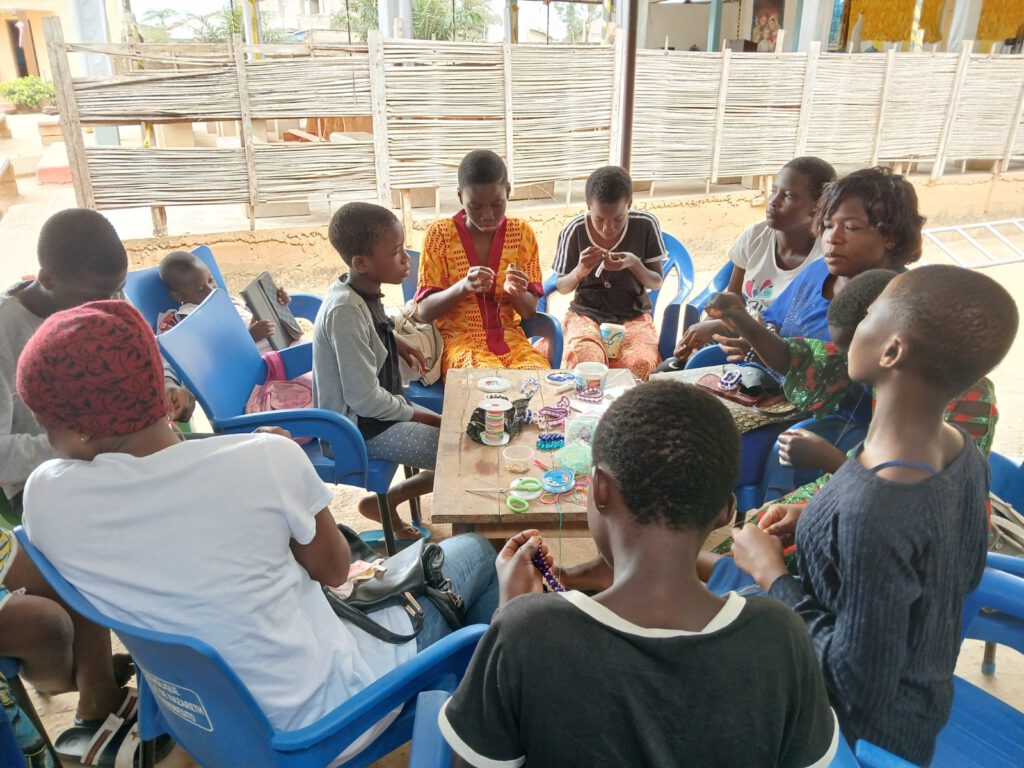
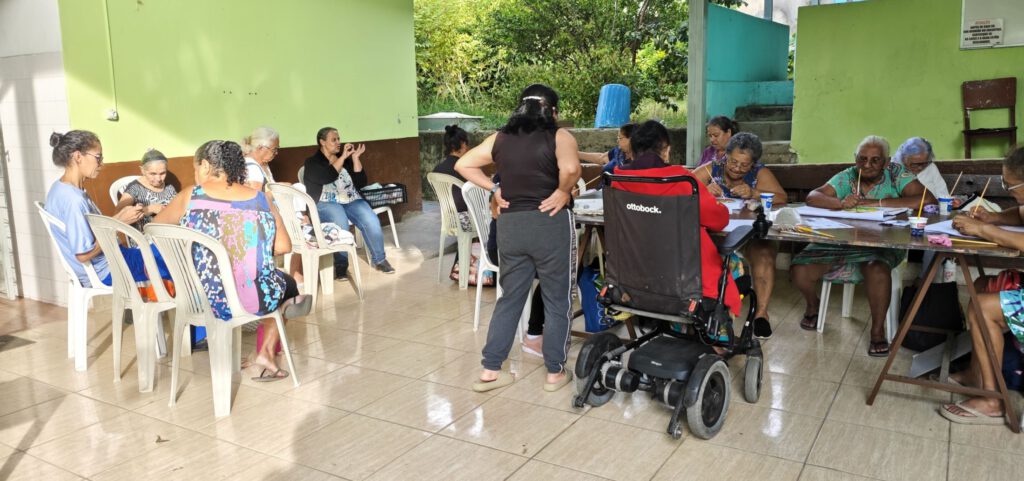
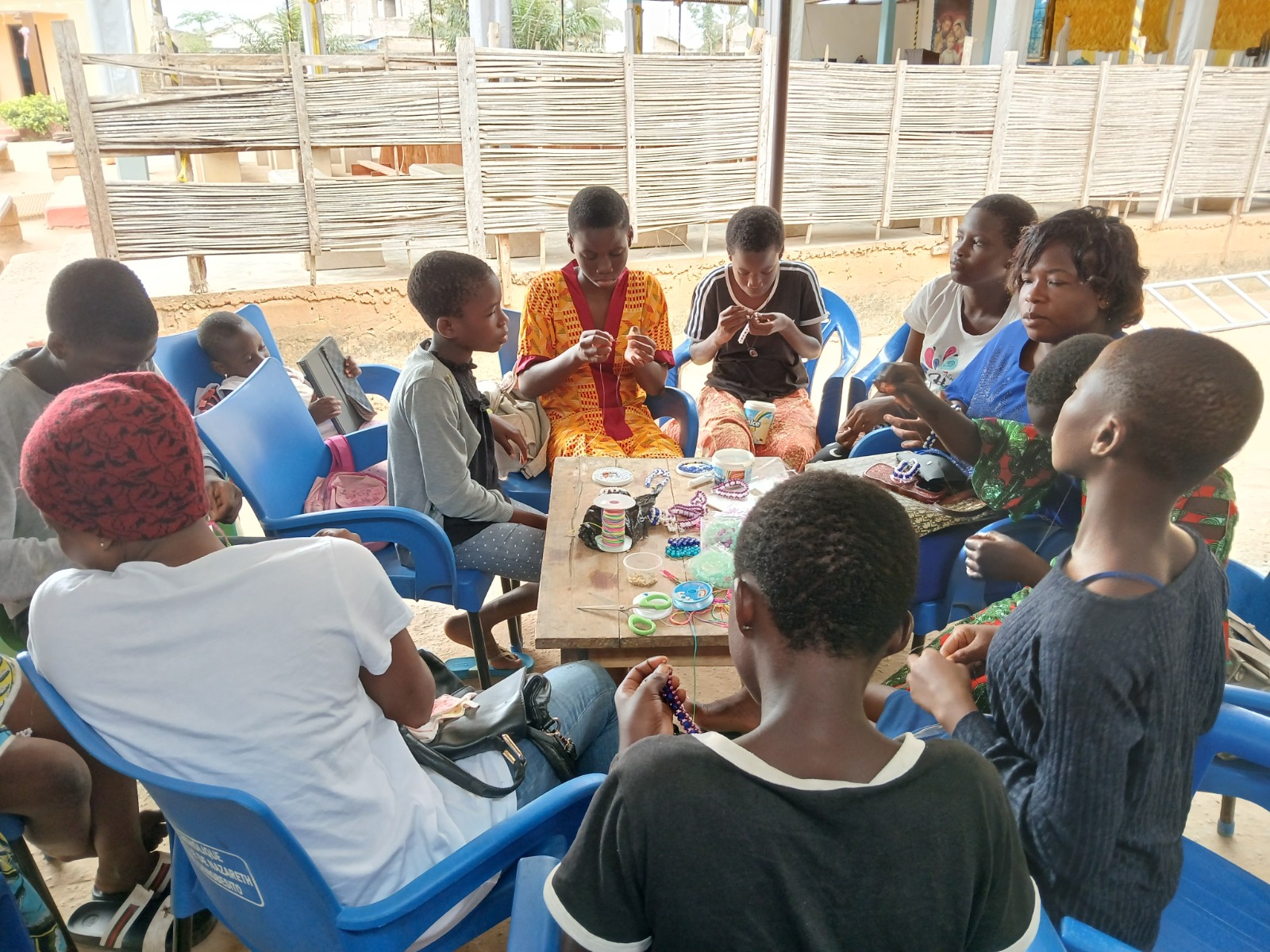
An important part of the session was devoted to practical workshops, allowing the young people to learn by doing and develop concrete skills.
Knitting: making beanies and scrunchies; Beadwork: making necklaces, bracelets, and key rings.
Shoemaking: learning about different models and patterns and making “Prince,” “Princess,” and crossed-shoe models. Cooking: preparing peanut snacks, cakes, finger foods, decorating a wedding cake, and making liquid soap.
These workshops encouraged creativity, patience, precision, self-reliance, initiative, and teamwork.
A Closing Celebration of Young People’s Talents
The session concluded with a Closing Mass, followed by an exhibition and sale of products made by the young participants.
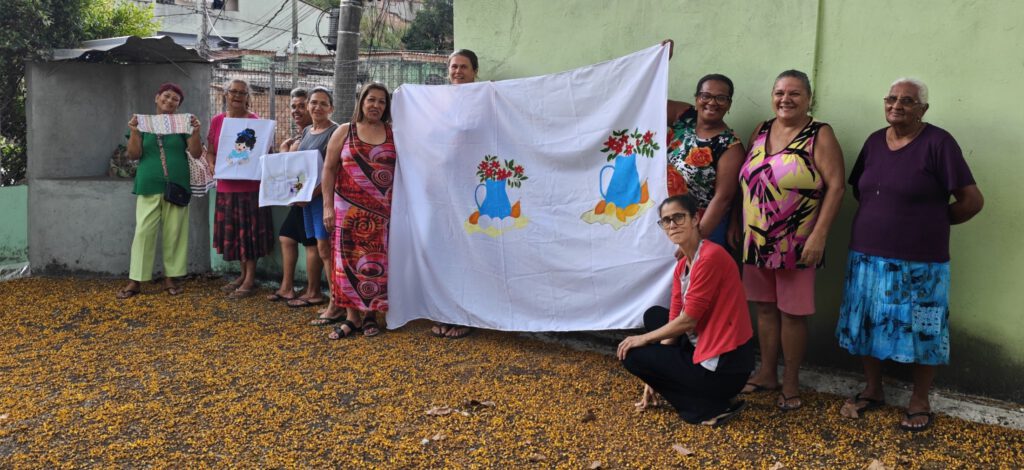
The exhibition gave participants an opportunity to showcase their creations and demonstrate how a talent can be discovered, developed, and transformed into a useful skill.
Through this session, the organizers sought to remind everyone that young people are not only the future: they are a vital force in the present, capable of actively contributing to the transformation of society.
“Young People, Talents for Mary”: Discover, develop, value, and serve!
Ernest A. S. Botri