Hello everyone
We leave you a video recorded by the Spanish TV in Trujillo (Peru) where we can see the work of the Comboni Missionaries and of the Comboni Lay Missionaries in the place (is in Spanish).
Greetings to everybody, let us see who wants to joint!
Jesus Christ, You are the first missionary of the world, thank You for the grace of faith and for all the people who helped me get to know You.
I ask you to teach me hear Your voice, to humbly discover my vocation and accept the tasks You put in front of me.
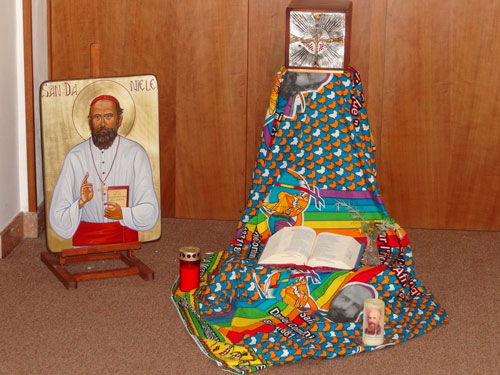
Help me grow in a greater awareness of myself and send me the Holy Spirit to overcome my weaknesses. Let me follow St. Daniel Comboni’s example having energy and sensitivity to serve God and His people with my whole life as Comboni Lay Missionary.
Support missionaries who work in every place you send them so “every tongue could confesses that Jesus Christ is the Lord”.
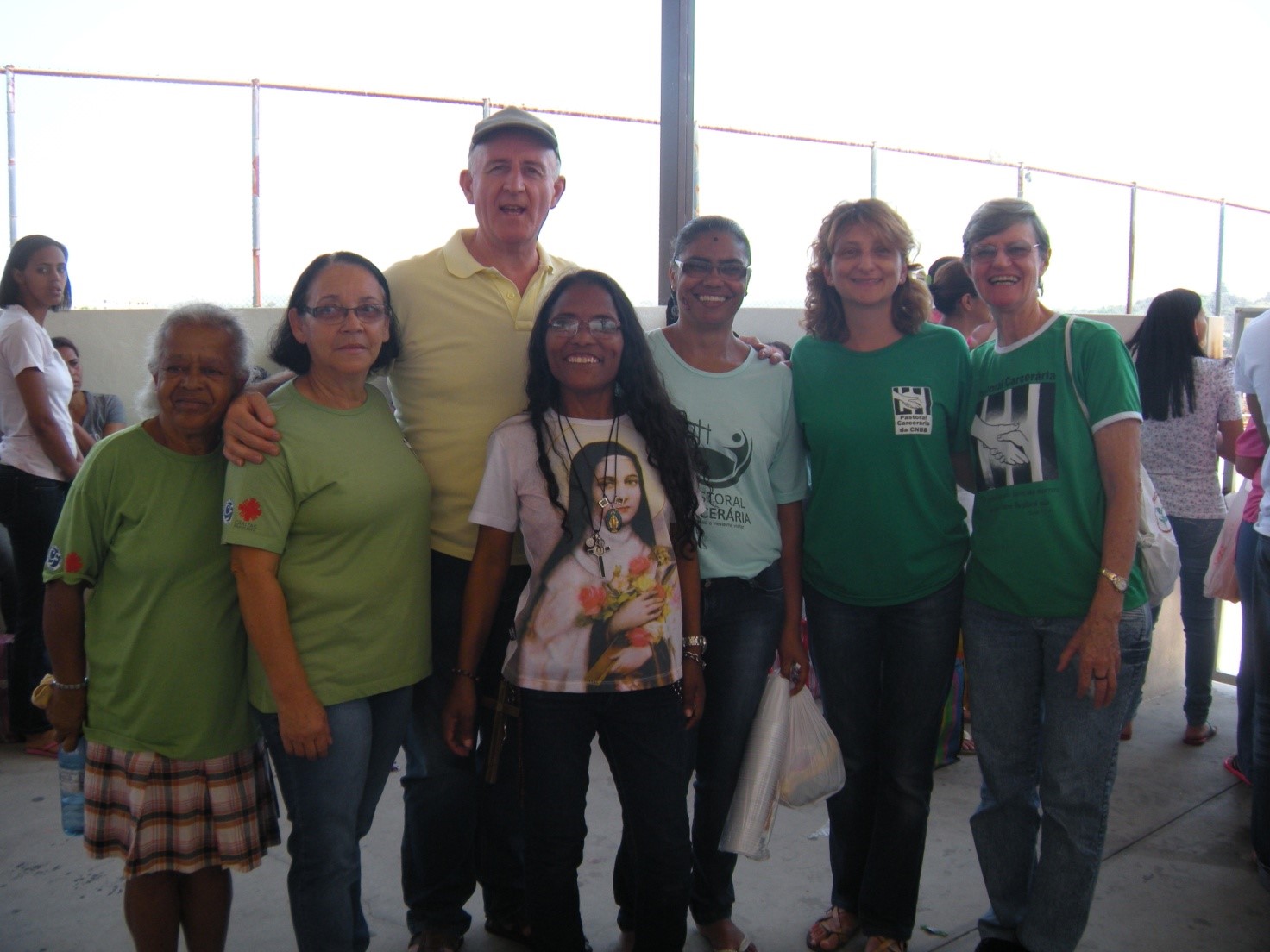
Among the various pastoral activities in the parish of Santo Domingo, led by the Comboni Missionaries in Nova Contagem, there is also the Prison Pastoral, carried forward by 15 volunteers, including Comboni Lay Missionaries, as part of the parish.
Every Tuesday and Wednesday morning, the group meets to visit the pavilions of the maximum security prison Nelson Hungría, located in Nova Contagem, with about 2,000 prisoners. The appointment is at 08:00 in the square next to the prison.
Prisons in Brazil, as elsewhere in the world, suffer high prison overcrowding due to a system with little attention to the recovery of the detainees.
Prisons of Minas Gerais, for example, can receive 32,000 prisoners, divided into 144 prisons, actually are 54,000 prisoners within the various units. This situation can only deteriorate the living conditions of prisoners, with a purpose of punishment more than re-education and re-socialization, with serious violations of human rights.
The action and commitment of the Prison Pastoral group, mostly made up of women, is to believe in the work of promoting human dignity, respect for human rights, and overcoming the limits of the current prison system in favor of a model that allows effective recovery and reintegration of the prisoner.
The most important of our pastoral action is the testimony of a God who does not discriminate any person in a place marked by contempt, prejudice and violence, making our own the words of the Gospel: “I was in prison and you came to visit me”. It is the teaching of Jesus, the method, the model, who heads the walk of this pastoral, recognizing the face of God in every person, even in prison.
There are many challenges and difficulties faced in our pastoral activities, such as excessive bureaucracy that often delays and complicates our work, controls, restrictions on visits, limited permissions; but this small group of volunteers face difficulties with courage. This also allowed in 2014, to create two groups of catechesis in prison and enabled some prisoners who had requested to receive the sacraments.
To this are fundamental the moments of ongoing formation we do each month, with a space dedicated for programming and training, allowing pastoral prison agent to know and learn the actions and information that will help improve visits to the prison and the relationship with prisoners. We also attend the training conducted by the diocese.
That’s the job of the prison ministry. A simple action, holding hands, meeting face to face, listening to the life stories of those who are on the other side of the bars in order to witness the justice and dignity of every human being, because as the Gospel says ” By this everyone will know that you are my disciples, if you love one another” (Jn 13, 35).
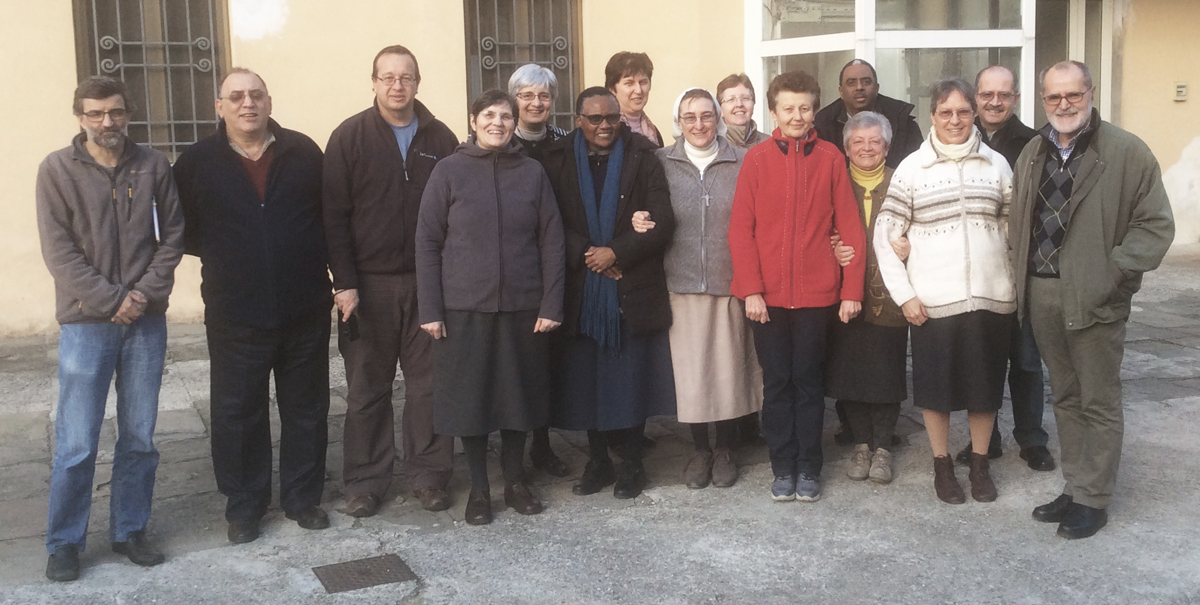
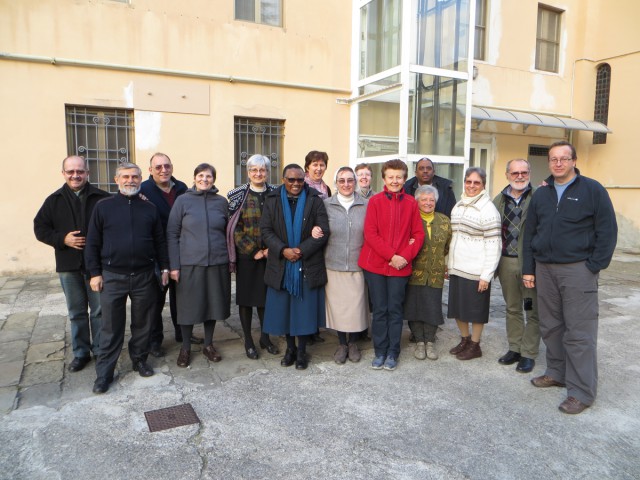
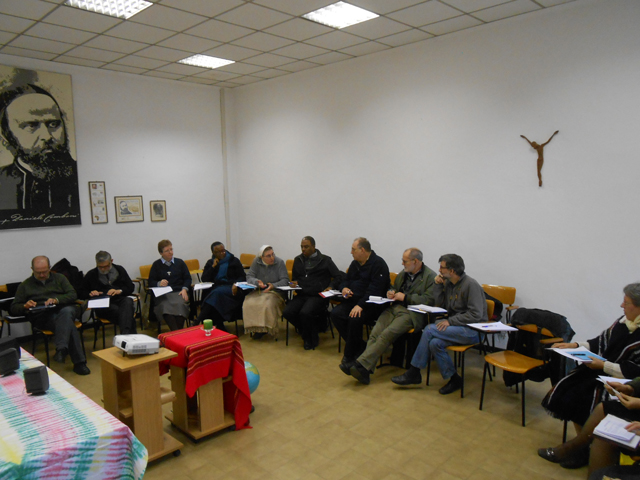
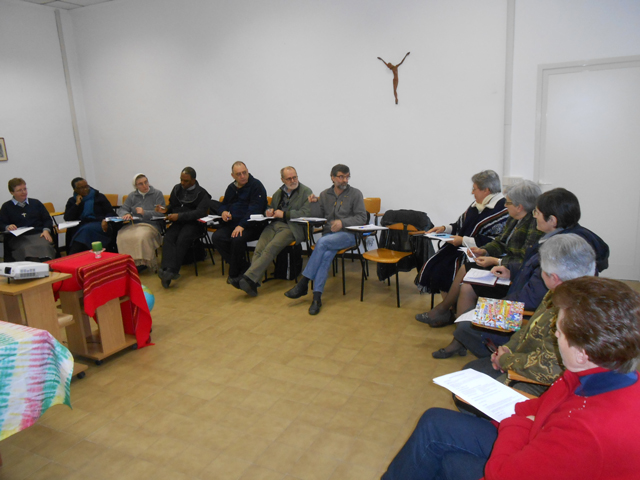
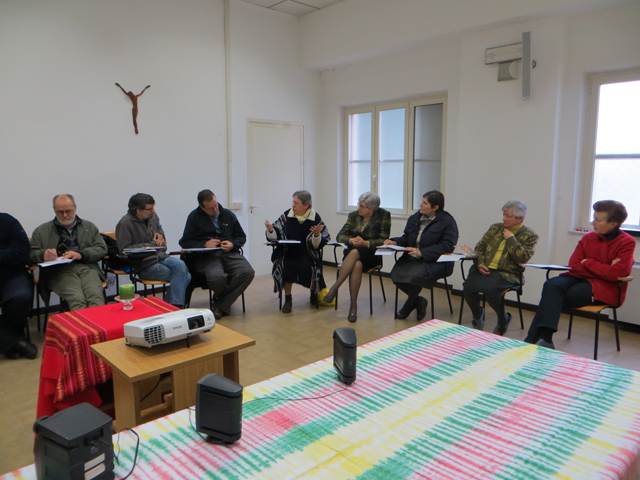
Last weekend we met in Carraia (home of the secular missionaries) the General Councils of the Comboni Family.
Like every year, this event helps us to be close and attentive to the news that each of the branches are having.
The morning, after a set time of prayer, was dedicate for sharing these progresses.
The Comboni missionary sisters told us their walk and especially the steps that have being taken to prepare the chapter this year as well as the reorganization of the institute taking into account the new realities. The Chapter is been prepare with a first experience in a concrete and challenging reality in every community which split reflection and sharing. Looking guide the institute toward truly significant presences, knowing that not all is graspable.
The Comboni missionary Secular told us their way from the last assembly and the challenges that arise. The importance of reappropriate its own history and experience of the charisma while remaining faithful in their everyday to their vocation, keeping growing and trying to maintain a spirit of collaboration with other secular institutes and the rest of the Comboni Family.
This year the new general counsel of the MCCJ told us their way of preparation and conduct of the general chapter, collecting the reflections arising in each province and each brother. The inspiration they have had in the teaching of Pope Francisco. And the central themes that have come during the Chapter on the Mission, the Person and the Restructuration of the Institute.
For our part, the CLM explain the great challenges we are trying to pursue. Especially seek to strengthen each group and the CLM family in general, work with each group and at continental level, the importance of communication, training and the economy, ending with the commitment and challenge that from the charisma is presented as Comboni Family referring to our missionary work and witness our missionary being.
Later in the afternoon, we had a period of reflection on mercy in the life and mission of St. Daniel Comboni from a text of Father Carmelo Casile. A rich sharing time, which also helped us think as a family.
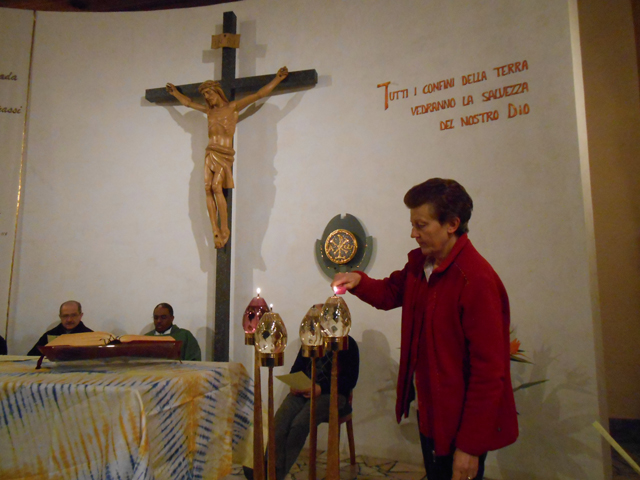
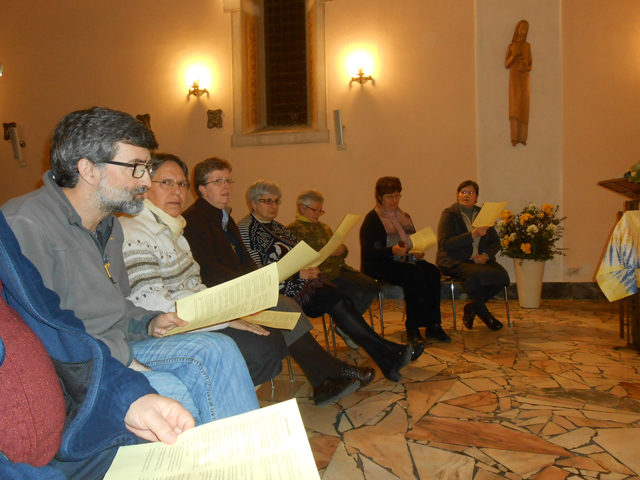
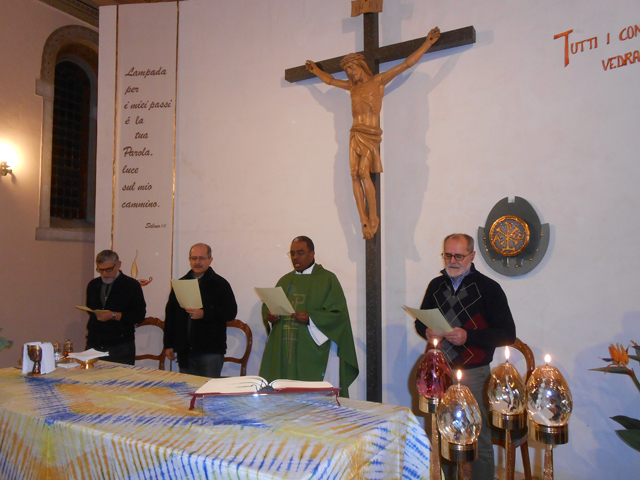
The day ended with the joint celebration of the Eucharist and dinner in a cordial atmosphere. In Carraia we felt very welcomed by the secular missionaries and enjoying the good atmosphere that characterizes these meetings.
We have a lot of important events in January hence short delay in posting them 🙂
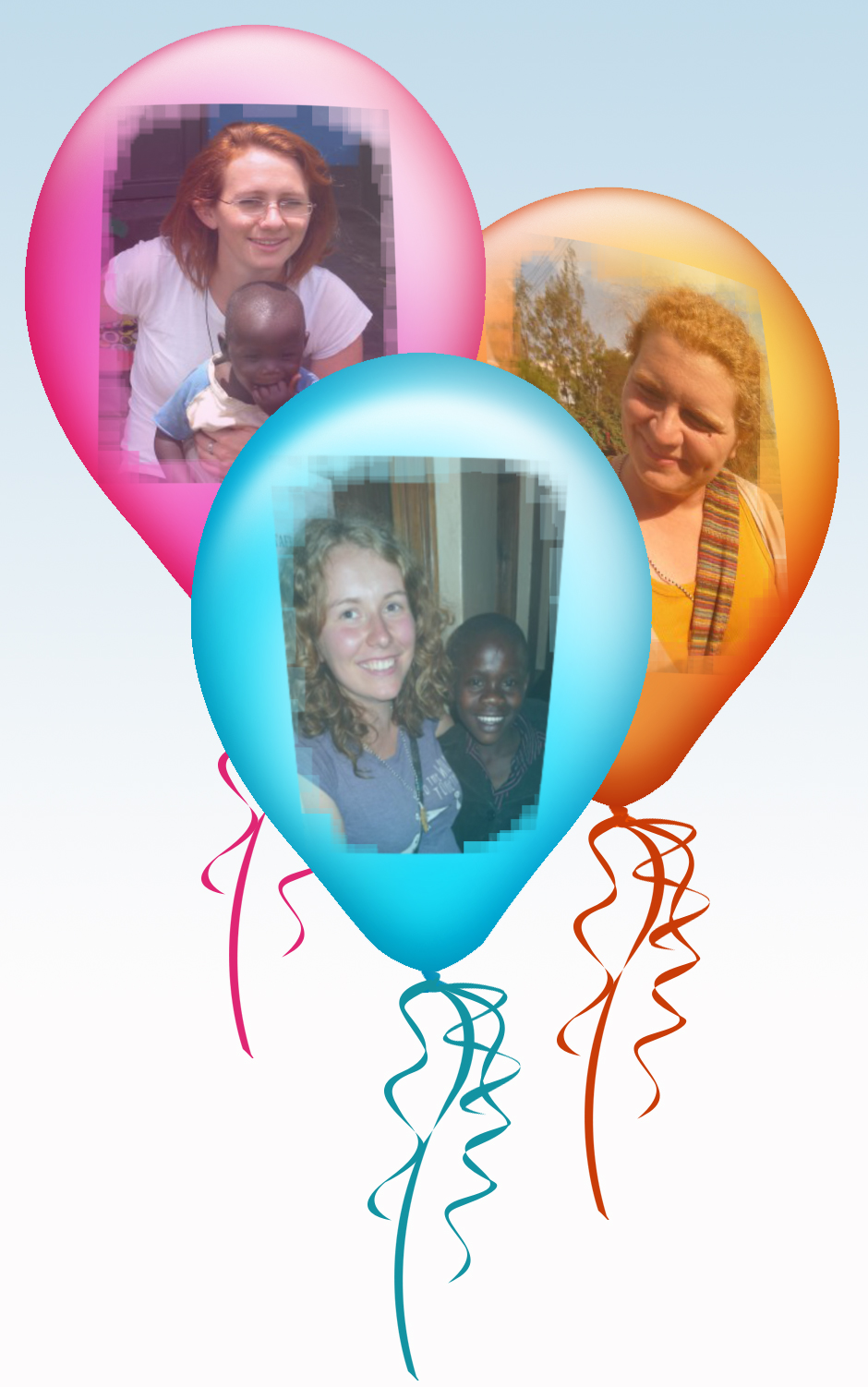
All of our Comboni Lay Missionaries who begin their mission in this year have already left to learn the language they will use during their mission. Madzia is in London to improve her English, Kasia is currently in Portugal with Barbara along with local CLM community to perfect her Portuguese (and English 🙂 ). Ania has just arrived to Democratic Republic of Congo to learn French.
On Girls and all Comboni Lay Missionaries Movement in Poland behalf, we would like to thank all communities who welcomed them so warmly: Comboni Fathers in London, Comboni Lay Missionaries community in Portugal and Comboni family in Kinshasa. It is very important to somebody who is leaving everything they know behind and go to discover unknown to feel they are in the family and have their support.
Thank you all, once again!
We are also preparing to welcome back our three Comboni Lay Missionaries – Asi, Ewy and Moniki who almost finished their mission in Africa. We will meet Asia and Ewa in March, and Monika at the beginning of April. Girls – we can’t wait to see you again!
CLM Poland
Este sitio web utiliza cookies para mejorar su experiencia. Si continúa navegando consideramos que acepta el uso de cookies, pero puede optar por lo contrario si lo desea.
This website uses cookies to improve your experience. If you continue to browse we consider you accept the use of cookies, but you can opt-out if you wish. Acepto Puede obtener más información - You may have more information here
Politica y privacidad de Cookies - Privacy & Cookies Policy
Privacy Overview
This website uses cookies to improve your experience while you navigate through the website. Out of these, the cookies that are categorized as necessary are stored on your browser as they are essential for the working of basic functionalities of the website. We also use third-party cookies that help us analyze and understand how you use this website. These cookies will be stored in your browser only with your consent. You also have the option to opt-out of these cookies. But opting out of some of these cookies may affect your browsing experience.
Necessary cookies are absolutely essential for the website to function properly. This category only includes cookies that ensures basic functionalities and security features of the website. These cookies do not store any personal information.
Any cookies that may not be particularly necessary for the website to function and is used specifically to collect user personal data via analytics, ads, other embedded contents are termed as non-necessary cookies. It is mandatory to procure user consent prior to running these cookies on your website.