Dear Comboni Lay Missionaries and all the People of God.
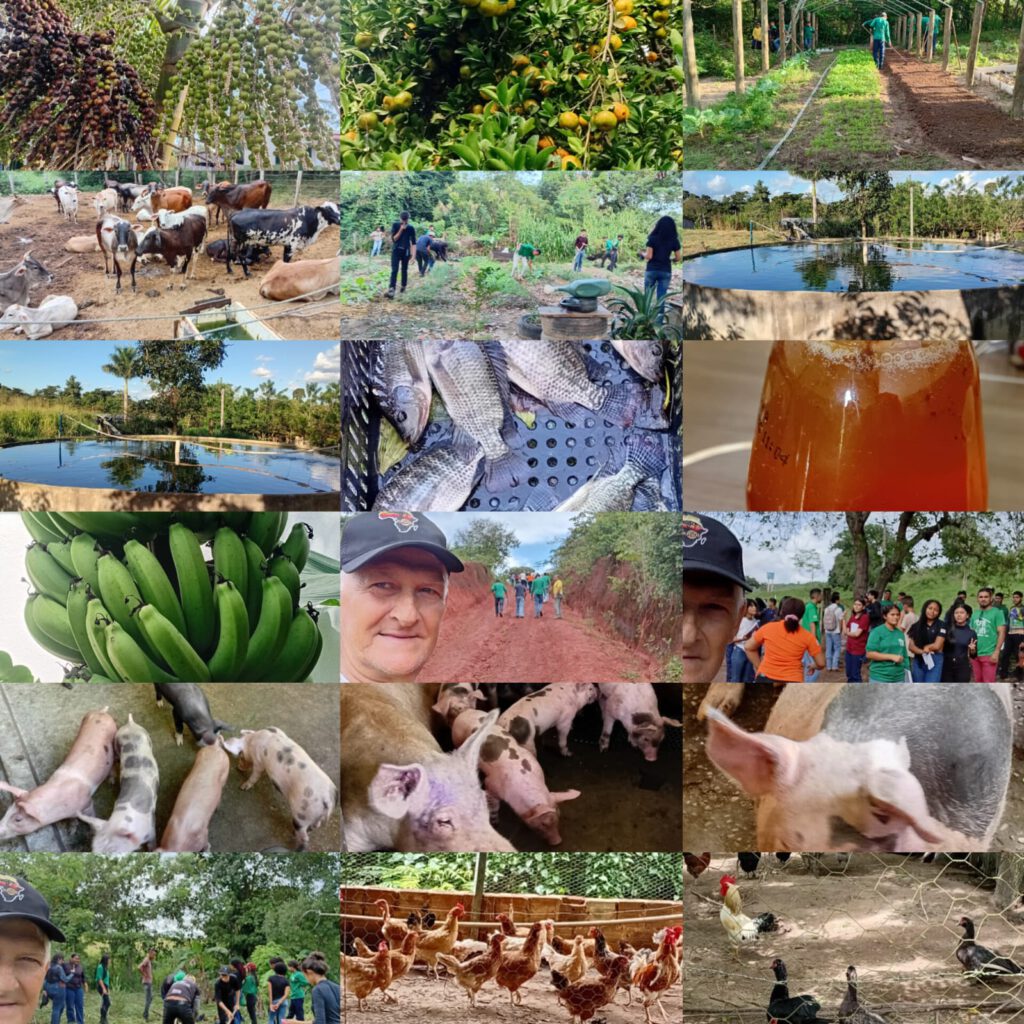
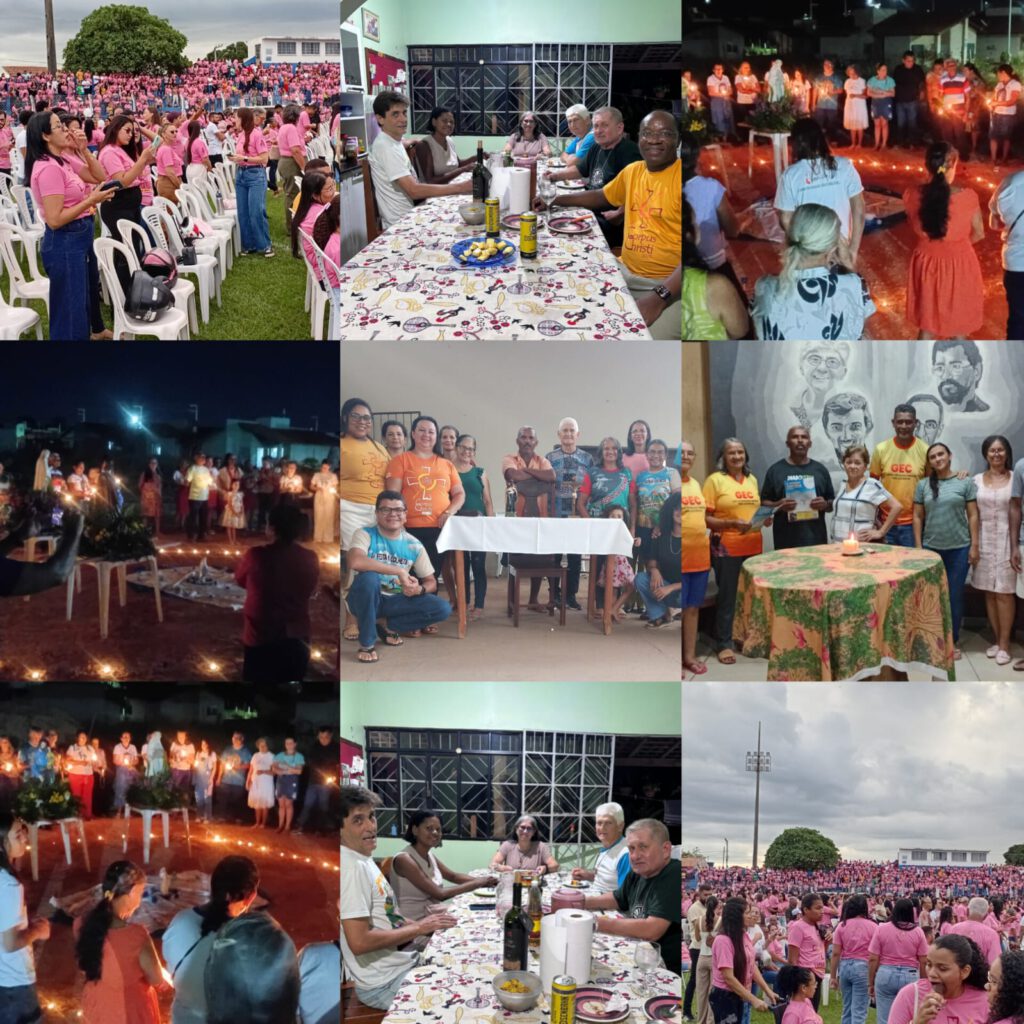
The mission continues! For the past three months, I have been on mission in Piquiá, Açailândia, in the state of Maranhão, where I work at the Rural Family Home (CFR), which serves students in their first, second, and third years of high school—mostly the children of farmers who, in addition to theoretical instruction, learn hands-on skills in agriculture, vegetable gardening, fruit growing, fish farming, animal husbandry, and beekeeping.
I see this as very important and necessary work so that our young people can continue to live on the land and provide for their families.
On weekends, I’m joining the activities of the Santa Luzia Parish in Piquiá, and will soon begin to get involved in pastoral work.
I always count on the prayers of each one of you to give me the strength to continue on this journey.
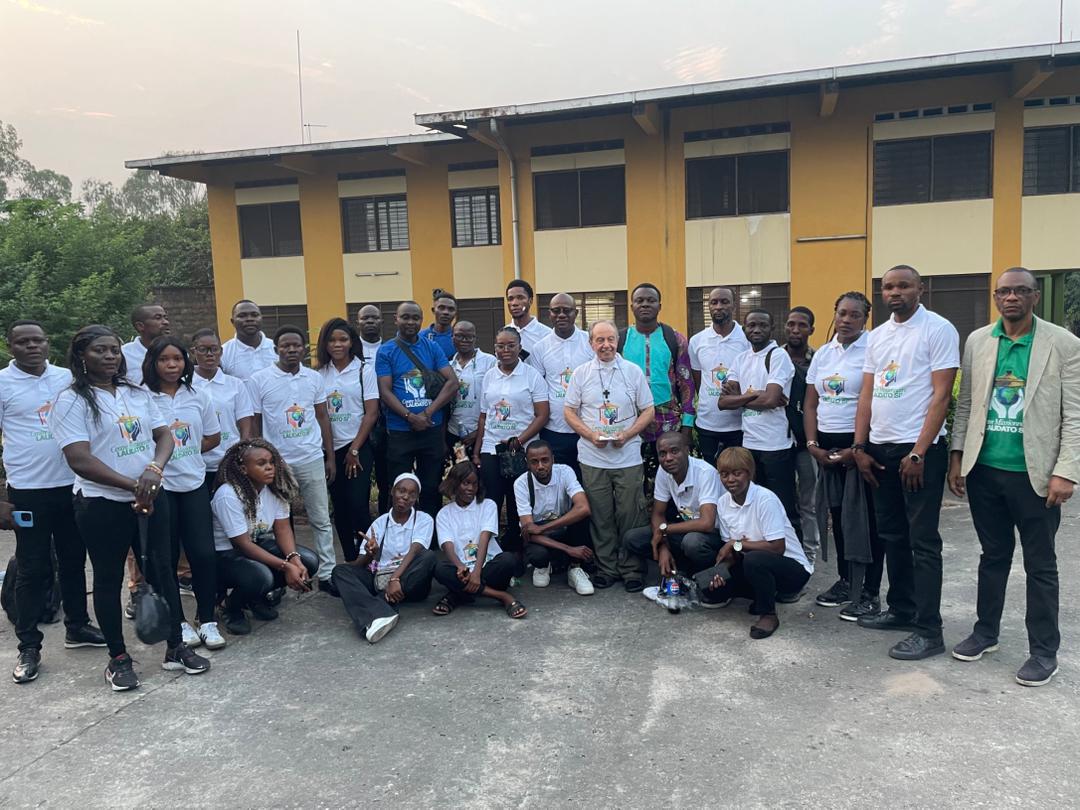
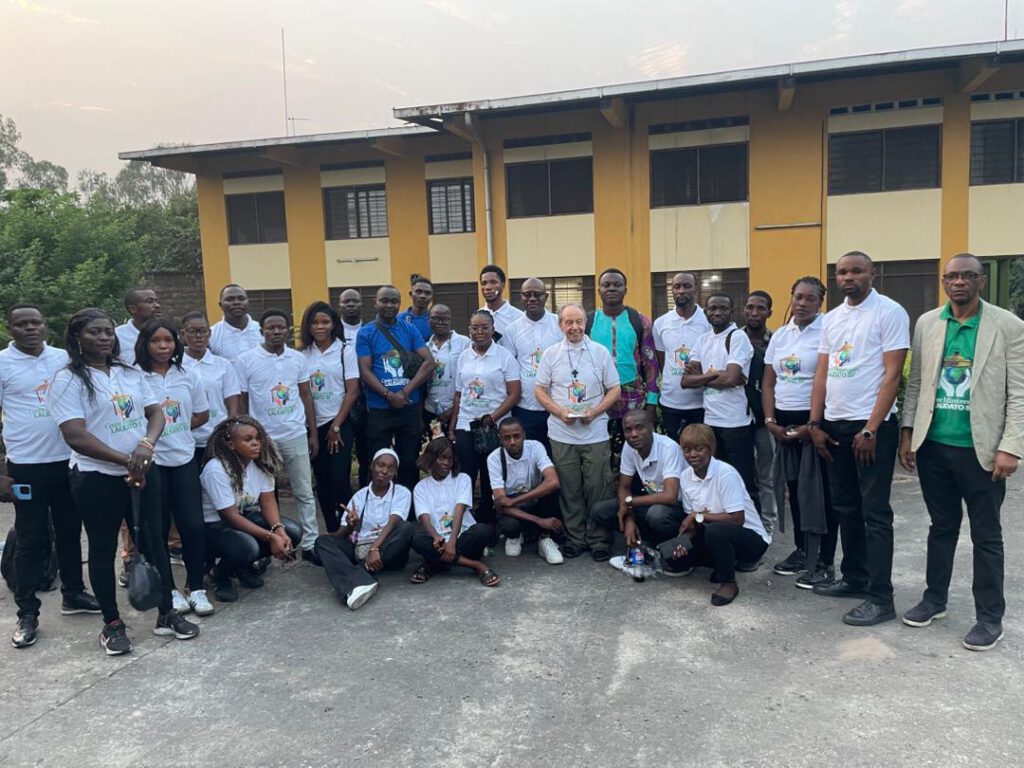
With the help and support of the “Afriquespoir” choir, affiliated with the Comboni Missionaries, the Laudato Si Missionary Center, in collaboration with the community’s ecological commission, organized a concert on June 27, 2026, to praise God for creation.
In fact, praise is one of the fundamental pillars of the pastoral ministry of Integral Ecology. Only by recognizing that the Lord is the Creator and Lord of the entire universe can we also understand our role and act as stewards who preserve and care for creation, while working together to fulfill what the Lord has foretold since the dawn of time.
The choir’s performance kept the audience’s attention firmly engaged, performing traditional, classical, and popular songs with creativity and a lively rhythm. They opened the concert with the Laudato Si’ Center’s hymn, titled “Lord, We Praise You, Lord, We Adore You for the Wonders You Accomplish,” a song composed by Comboni Brother Alfred Mbungi, a missionary in Buta.
In the final segment, they performed the late Father Makamba’s song “Po Po Botiaki Ntembe?”, which highlights the root causes of the evils that are plunging creation into crisis; it serves as a reminder that, despite the fact that nature provides everything for humanity, there is still so much hunger and misery in the world, especially in Africa. This happens because a small minority imposes a technocratic model that drives unlimited production with no respect for God’s providential plan—for He is the Father of all. With unbridled greed, they cut down forests and pollute rivers with chemicals. These are people who misappropriate common goods and, with the arrogance of force and weapons, seek only their own interests and profits.
This is why praise for the Creator must be put into practice in daily life, as demonstrated by the vision, creativity, and resilience of certain young people and women. Dino Zoli Mundele, on behalf of the Montngafula youth group, shared with us about door-to-door separate waste collection. Jean Denis Djamba spoke to us about the urgent need to reduce plastic use, a commitment promoted by the youth of the Laudato si’ movement. Scholastic Denis Mbaiornom, on behalf of the community’s ecological commission, emphasized the commitment to recycling and reusing tires and other items to reduce waste accumulation. Ms. Mayawa Miriam is dedicated to making organic products for personal hygiene and skin care. Justin Bosenge Isakolota creatively manages to make “Wiva Kamouna” wine from avocado leaves—undoubtedly a special drink worth trying. Comboni Lay Missionary Fabrice Aifa Wetu, in collaboration with CENCO, is committed to reducing and halting deforestation, aware that without forests, biodiversity declines dramatically and that there can no longer be life in abundance for people or other living beings. Finally, there is the vision of Luciana Mohila Mbongo, who is promoting the “One Boy—One Tree” project to plant trees in the desolate city of Kinshasa, which is growing out of proportion without trees or green spaces.
These testimonies, together with praise to God, showed each and every one of us the path to follow in our lives and daily routines: adopting a way of life that respects the laws of nature and fosters truly fraternal relationships, respecting and valuing differences—just as nature teaches us, for it is rich and beautiful thanks to its great biodiversity.
A final toast, offered by the Center, brought the day to a close, with plans already set for the meetings and initiatives scheduled for the coming months.
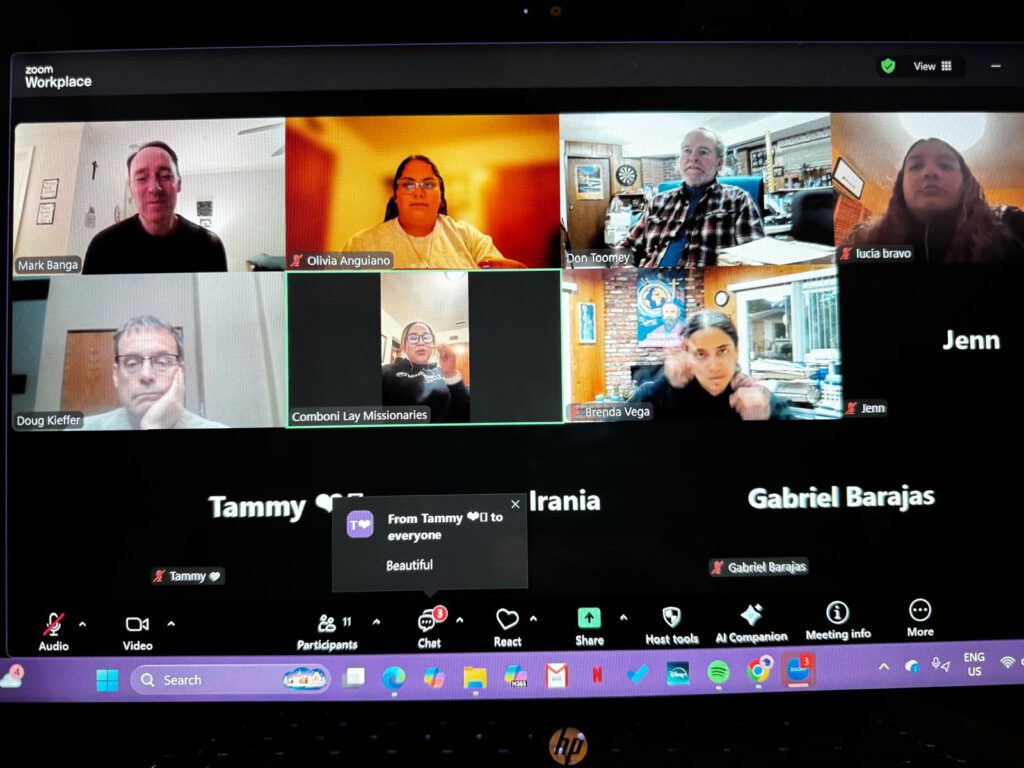
After a period of prayerful discernment and a temporary pause in our journey as Comboni Lay Missionaries of the North American Province (NAP), we are filled with gratitude to announce the renewal of our community. By the grace of God and the power of the Holy Spirit, we are once again gathering with renewed zeal, inspired by the missionary charism of St. Daniel Comboni and his dream of bringing the love of Christ to the most abandoned and forgotten.
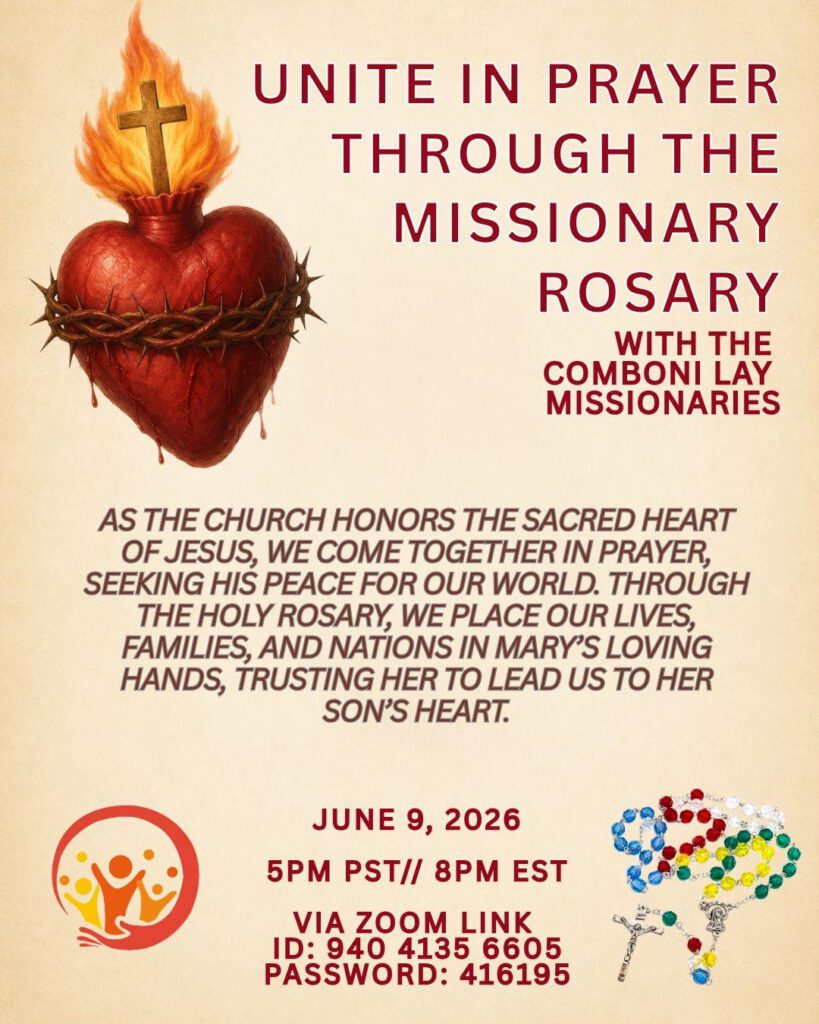
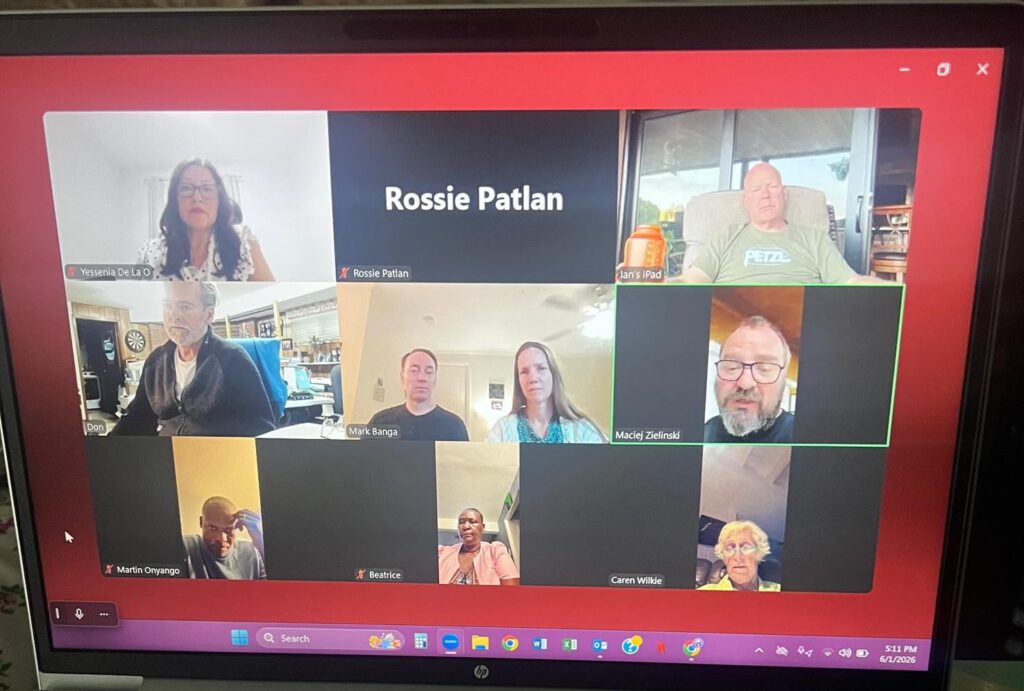
As Comboni Lay Missionaries spread throughout the United States and Canada, we have begun meeting monthly through Zoom, allowing us to remain united despite the great distances that separate us. On the first Tuesday of every month, we come together for a Prayer Night; a sacred time to strengthen our communion, nurture our missionary identity, and rekindle the fire of our vocation.
These gatherings provide an opportunity to share how the Lord is working in our lives, to reflect on our experiences serving in international missions, and to encourage one another as missionary disciples. Above all, we gather before the Lord in prayer, entrusting to His Sacred Heart our personal intentions, the needs of the Church, and the cries of our world.
In the spirit of St. Daniel Comboni, whose heart burned with love for the mission, we pray fervently for peace throughout the world, for all missionaries serving near and far, for those who suffer on the margins of society, and for an increase in missionary vocations. We also remember all those who support us through their prayers and friendship.
Our Prayer Night is open to anyone who would like to join us, pray with us, and learn more about the vocation of the Comboni Lay Missionary. It has become a beautiful opportunity not only to deepen our faith but also to share the gift of this missionary calling with others who may be discerning how the Lord is inviting them to serve His Kingdom.
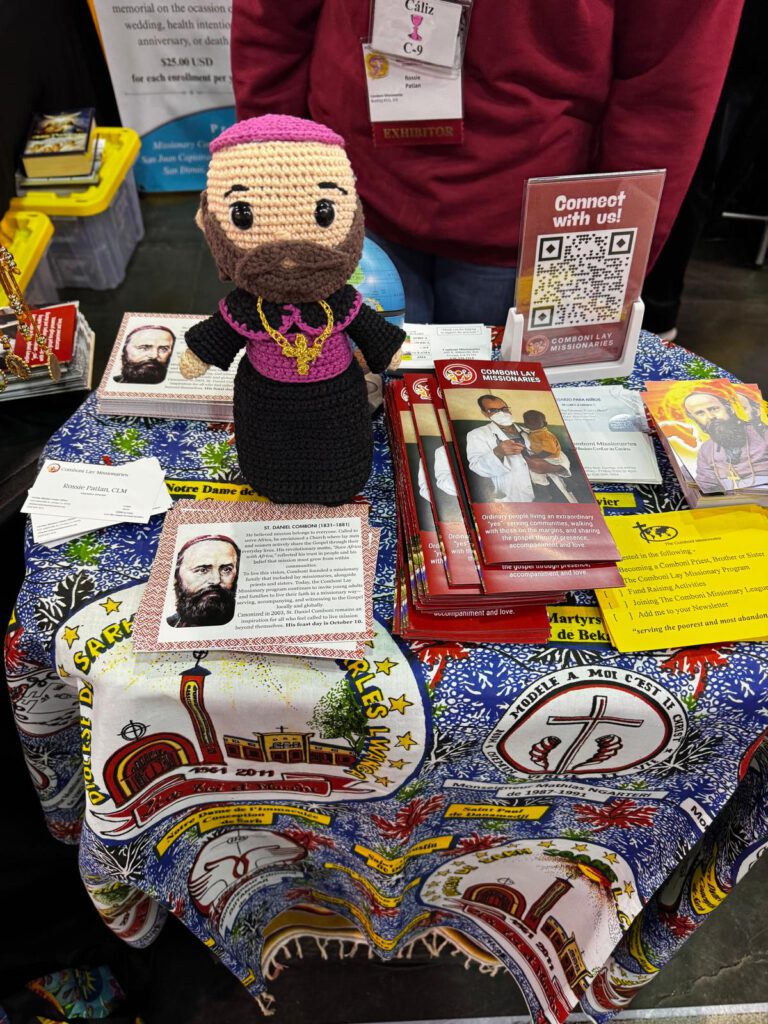
As St. Daniel Comboni taught, “Save Africa with Africa,” reminding us that evangelization is accomplished through participation, accompaniment, and trust in God’s providence. Today, we continue to live this missionary spirit as lay people committed to making Christ known and loved wherever He sends us.
We invite you to journey with us in prayer and mission. May the Holy Spirit continue to guide our renewed community, and may the Heart of Jesus, source of all missionary love, inspire new generations of Comboni Lay Missionaries to respond generously to God’s call.
“Either mission or death” was Comboni’s passionate cry. May we, too, live with hearts fully given to Christ and His mission.
Peace and blessings,
Comboni Lay Missionaries of the North American Province
I would like to share a brief update on our missionary journey here in Arequipa, Peru. Since our arrival, we have been actively involved in various parish activities and ministries that continue to enrich our faith and strengthen our commitment to service.
A central aspect of our missionary life is our participation in Holy Mass throughout the week. Through the Eucharist, we are spiritually nourished and receive the grace and strength needed to carry out our mission with joy and dedication.
On Mondays and Wednesdays, we accompany one of the brothers who leads catechism classes for adults preparing to receive the Sacrament of Confirmation. It has been a blessing to witness their desire to deepen their relationship with Christ and fully embrace their faith.
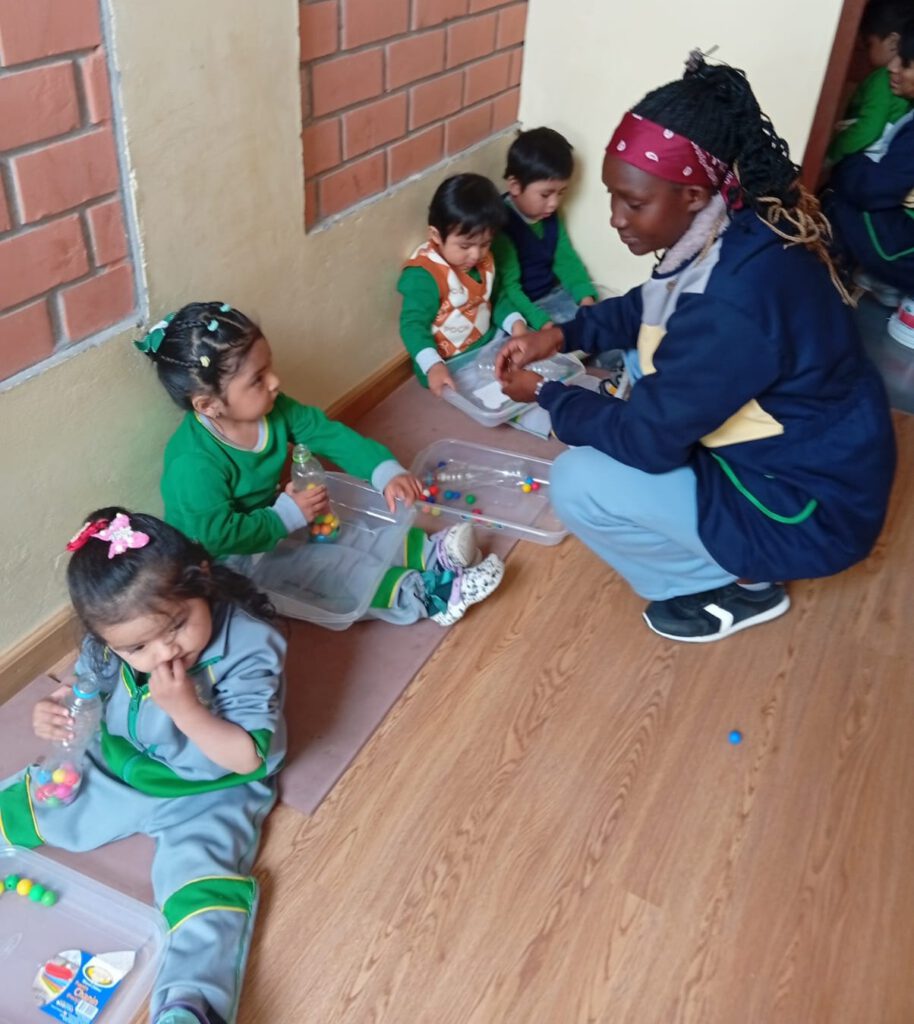
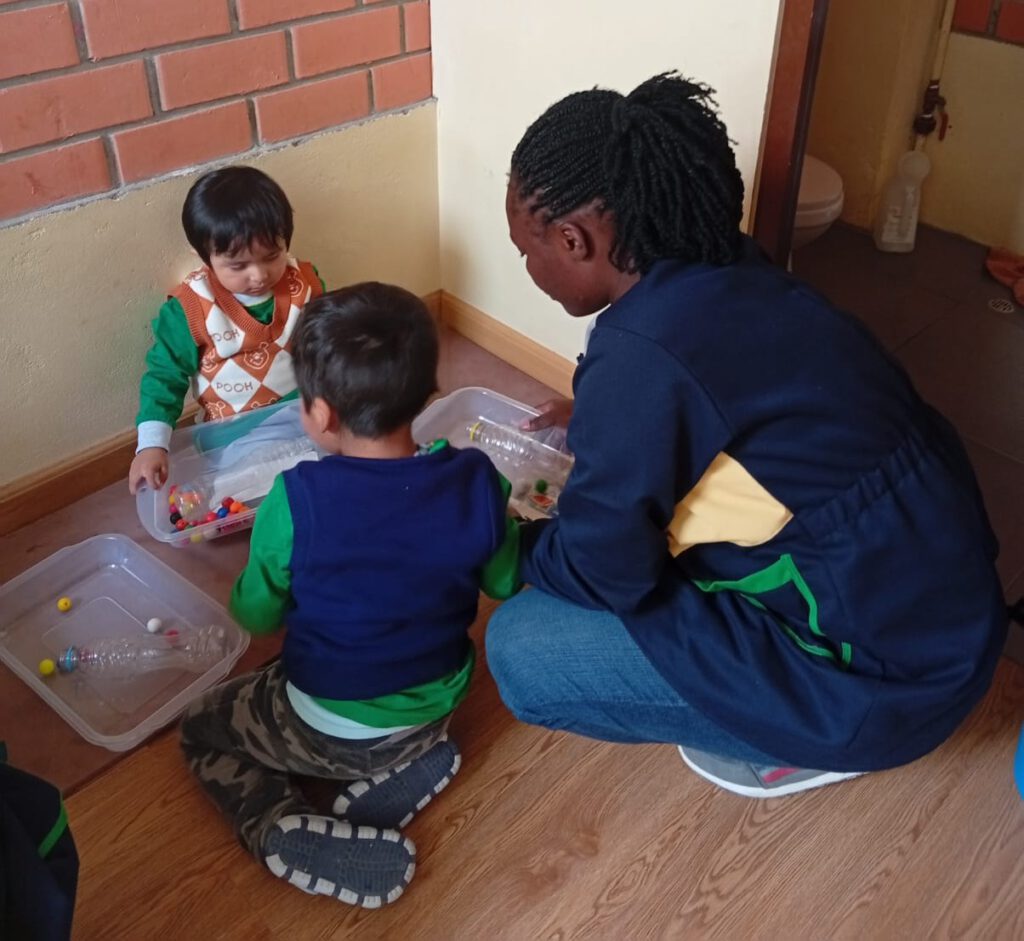
On Tuesdays and Fridays, we serve at a daycare center, assisting in the care of two-year-old children and supporting the staff in their daily responsibilities. This ministry has taught us the importance of patience, tenderness, and attentive care for the youngest members of our community.
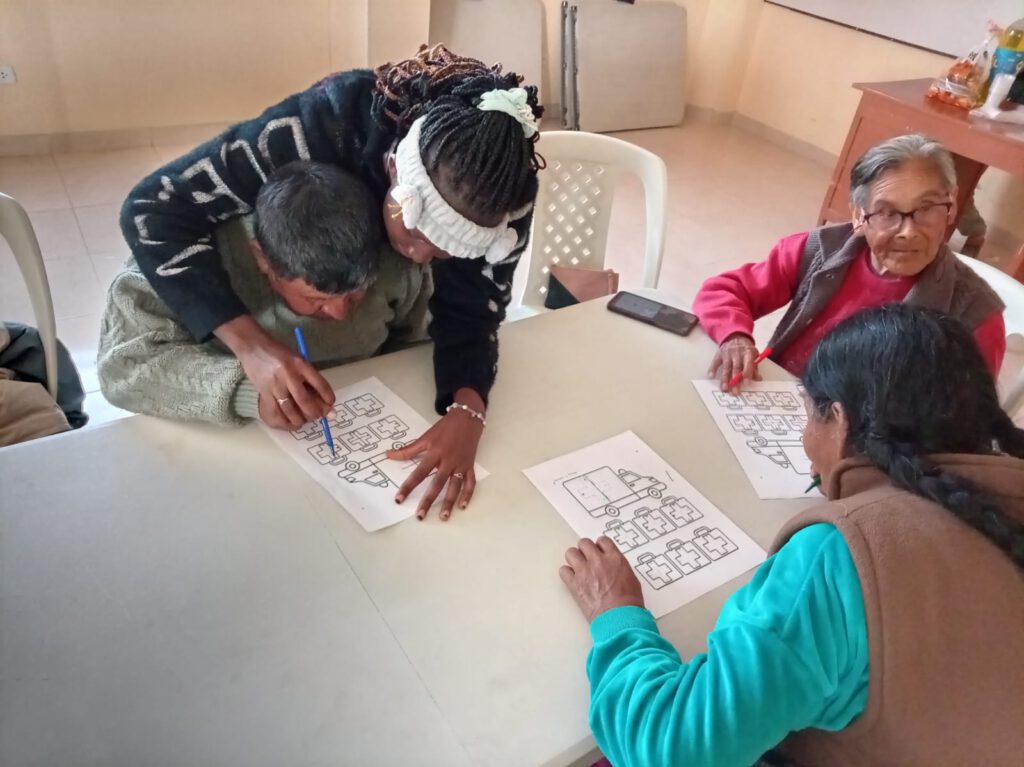
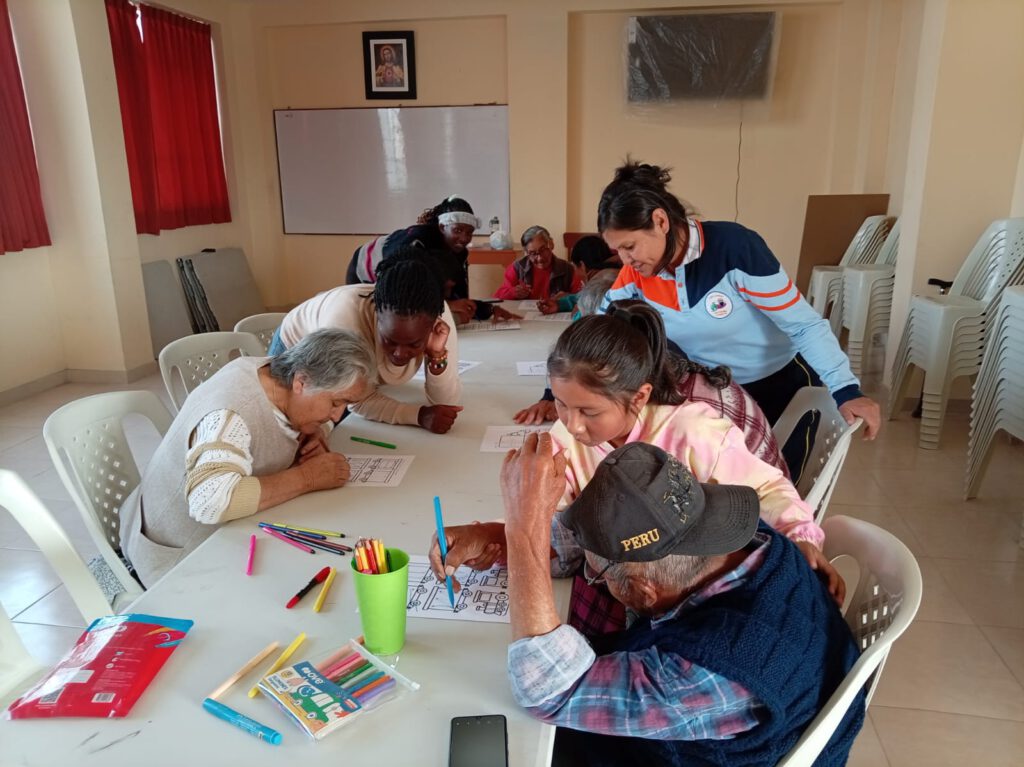
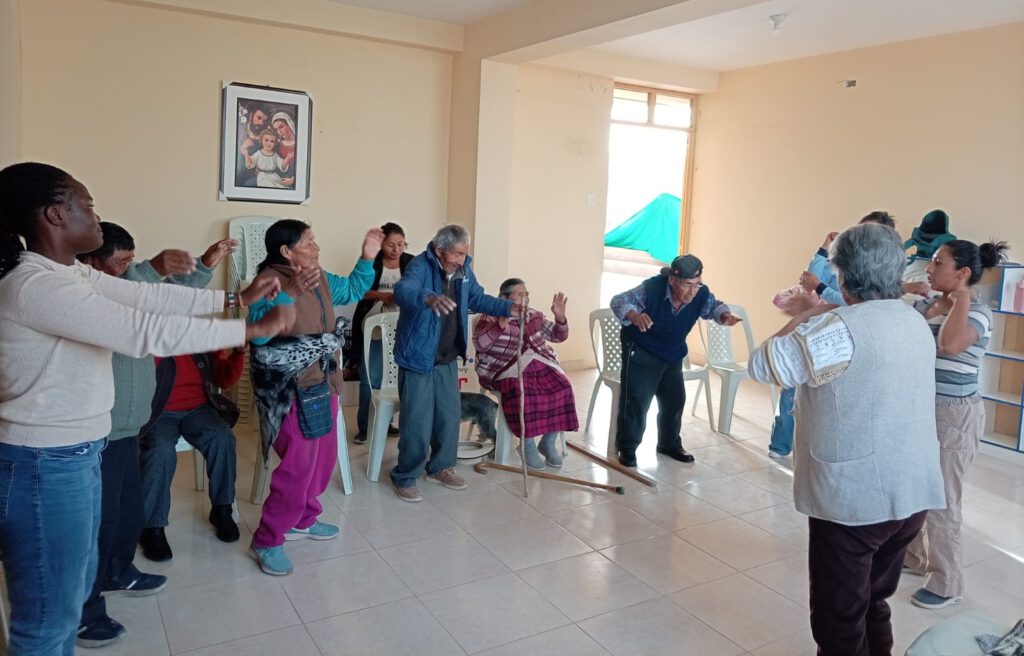
Every Thursday begins with a retreat and meeting with the priests of the parish. During this time, we pray together, reflect on our missionary experiences, and plan upcoming parish activities. Later in the day, we visit elderly members of the community, ranging in age from 60 to 100 years old. We spend time talking with them, listening to their stories, dancing, and checking on their well-being. These encounters remind us of the value of companionship, respect, and the wisdom that comes with age.
On Friday afternoons, we gather with the youth for moments of fellowship and social interaction. We answer their questions, share our experiences and culture from Kenya, and enjoy recreational activities such as playing volleyball together. These gatherings provide opportunities to build meaningful relationships and encourage young people in their faith journey.
Through all these activities, we continue to grow in our missionary vocation while accompanying and serving the people of Arequipa. We are deeply grateful for the opportunity to be part of this community and to witness God’s work in the lives of those we encounter each day.
Thank you for your prayers, encouragement, and support. Please continue to keep us in your prayers as we strive to be faithful instruments of God’s love and mercy in our mission.
Kitelakapel community has 90% of very poor and 10% of middle class consisting mainly teachers and local government officials who earn very poor pay and a few commercial farmers who suffer hot dry weather.
Kitelakapel is under kacheliba Parish-Kenya has 17 villages and 17 elders with a chief who works closely to see on the wellbeing of the people of the community through the Kitelakapel integrated Community Empowerment- Organization and projects, 175 members officially applied and joined the CBO to work together for their community and family households and we still receiving more applicants willing to join the group. The group was formed to empower the local people, the people love unity and self-support groups through which they are able get opportunities, save money, participate in economic activities like farming of animals, plants, Poultry, bee keeping, Mama Mbonga, market trading and other socio-economic activities and with support from AMANI international we are seeing good fruits and testimonies from local communities.
Special gratitude to AMANI….
AMANI is a Kiswahili word that means peace in the Kenyan language…. the more you empower the poor the more you achieve a peaceful and prosperous society.
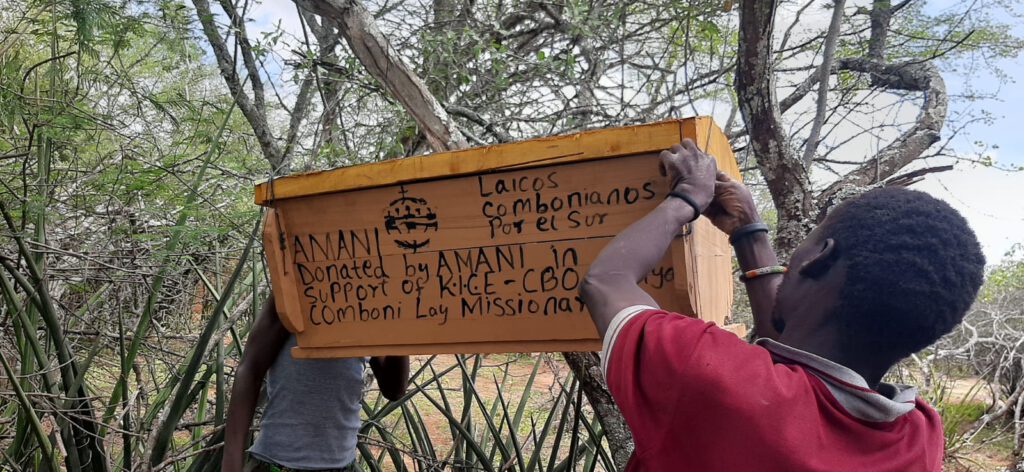
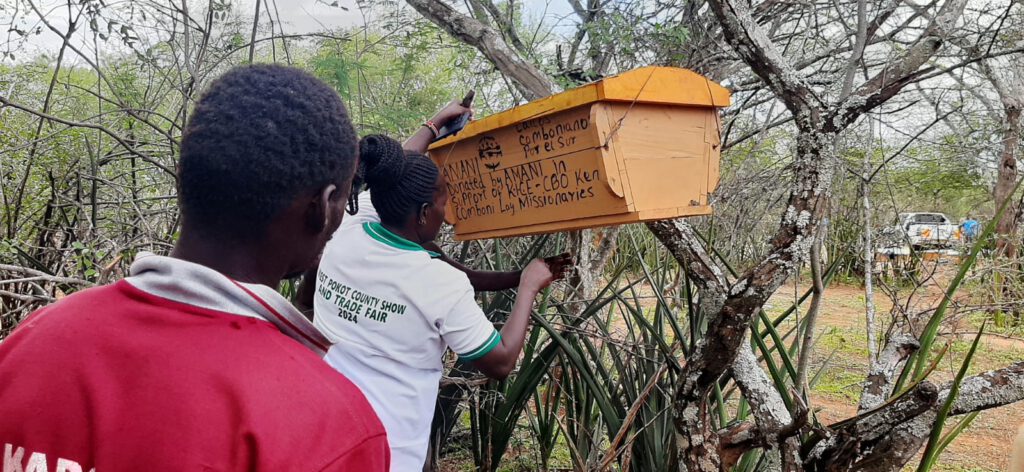
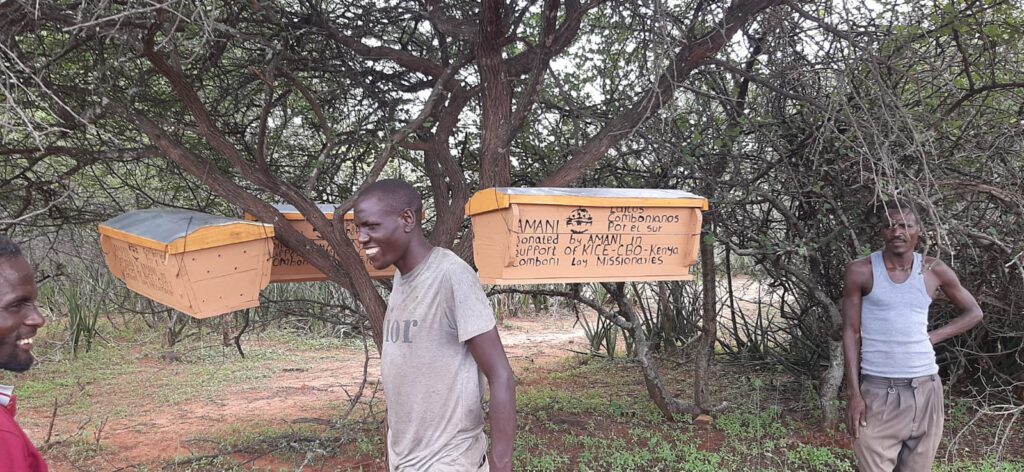
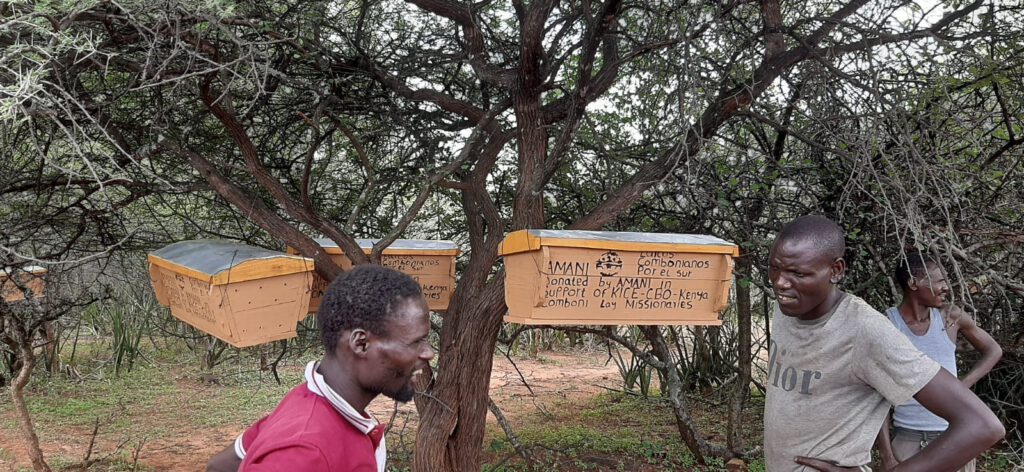
We are delighted to announce the launch of a new beekeeping project implemented by kitelakapel in konyao, It was amazing and exciting to see the bees on our first day of installation of the bee hives . In the beginning of the project we started with identification and survay of land to start the bee keeping project after several meeetings with the KICE CBO board members ,Comboni Lay missionaries and parish MCCJ ,we agreed to take on 3 acres of land in konyoa town which land belongs to MCCJ kacheliba parish as per the memorum of understanding on the usage of the land and the value of the CBO Bee farming project.
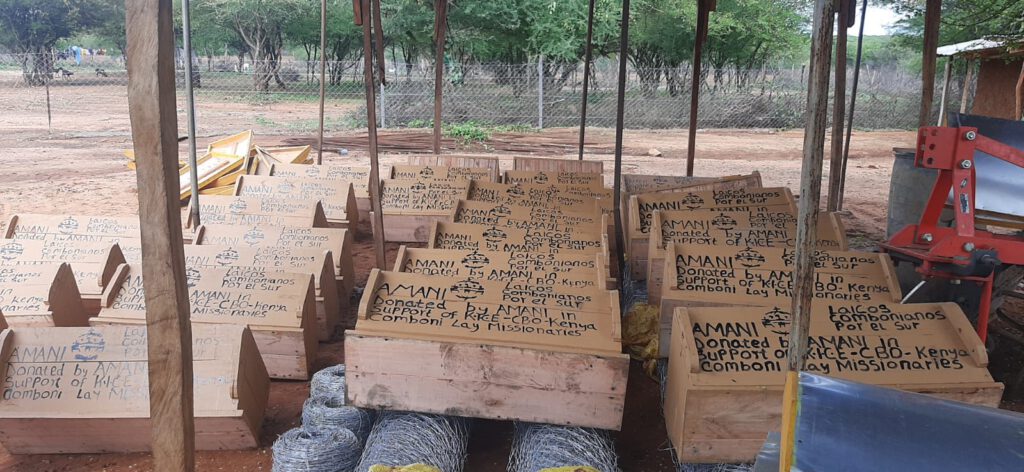
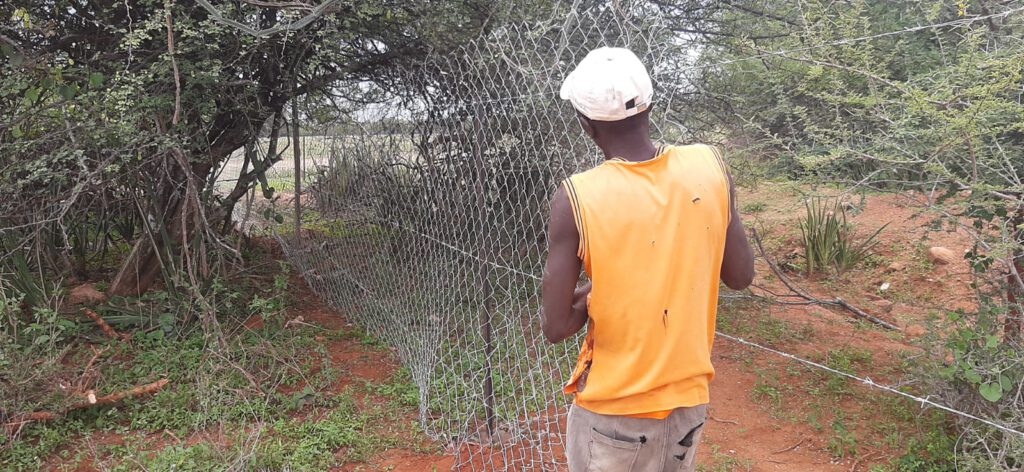
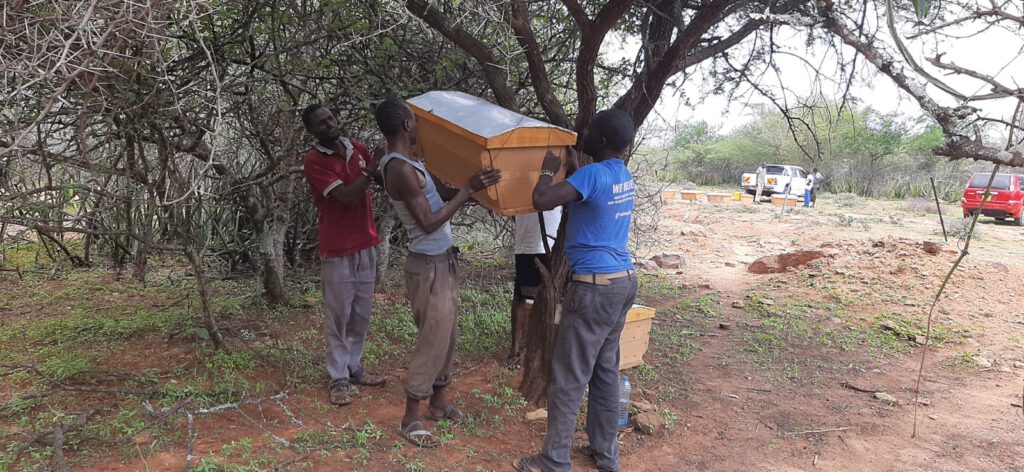
With the donation from AMANI, We finally set up 50 bee hives and fenced them on 3acres of land in konyao –west pokot one hour drive from kitelakape village.
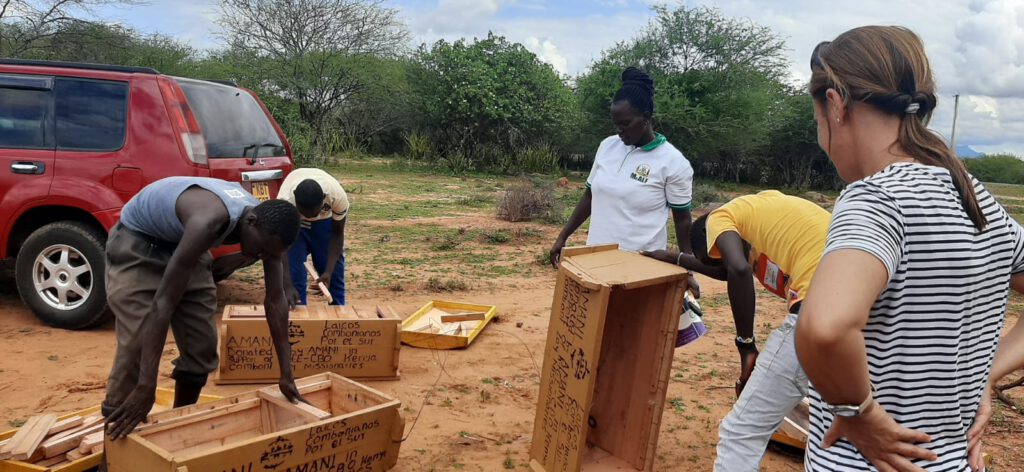
We managed to find support from the officer in charge of Bee farming from the county government ministry of agriculture West Pokot (Mrs Francisca) who guided us on how to fix them and attract bees.
A few local men where hired to carpentery, welding ,construction of the fence and clearing of the land,women breaking small stones for the fence while others making of the bee hives and others installing the bee hives in way they got temporary work and earned some little money to look after their families.We are lucky to also have the host family John Bosco the catetist of a charpel in the area of konyao who helped us with storage of the materials and bee hives and provied us some food during our visits to the beekeeping farm.
The project is being carried out with support of the local agricultural authorities and the community members. Our goal is not only to produce honey but also to create employment opportunities, support local development and promote environmentally friendly practices of Laudato Si.
ASANTE SANA (Thank you very much)…. AMANI from Kitelakapel integrated community Empowerment Community Based Organization and the people.
CLM community of Kitelakapel, Kenya
Este sitio web utiliza cookies para mejorar su experiencia. Si continúa navegando consideramos que acepta el uso de cookies, pero puede optar por lo contrario si lo desea.
This website uses cookies to improve your experience. If you continue to browse we consider you accept the use of cookies, but you can opt-out if you wish. Acepto Puede obtener más información - You may have more information here
Politica y privacidad de Cookies - Privacy & Cookies Policy
Privacy Overview
This website uses cookies to improve your experience while you navigate through the website. Out of these, the cookies that are categorized as necessary are stored on your browser as they are essential for the working of basic functionalities of the website. We also use third-party cookies that help us analyze and understand how you use this website. These cookies will be stored in your browser only with your consent. You also have the option to opt-out of these cookies. But opting out of some of these cookies may affect your browsing experience.
Necessary cookies are absolutely essential for the website to function properly. This category only includes cookies that ensures basic functionalities and security features of the website. These cookies do not store any personal information.
Any cookies that may not be particularly necessary for the website to function and is used specifically to collect user personal data via analytics, ads, other embedded contents are termed as non-necessary cookies. It is mandatory to procure user consent prior to running these cookies on your website.