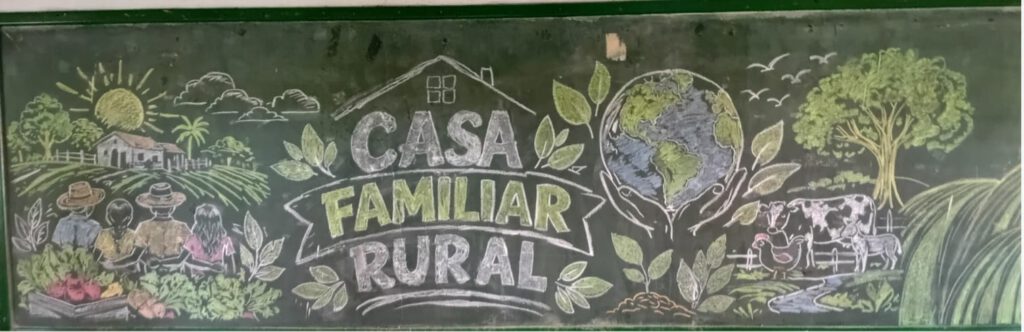
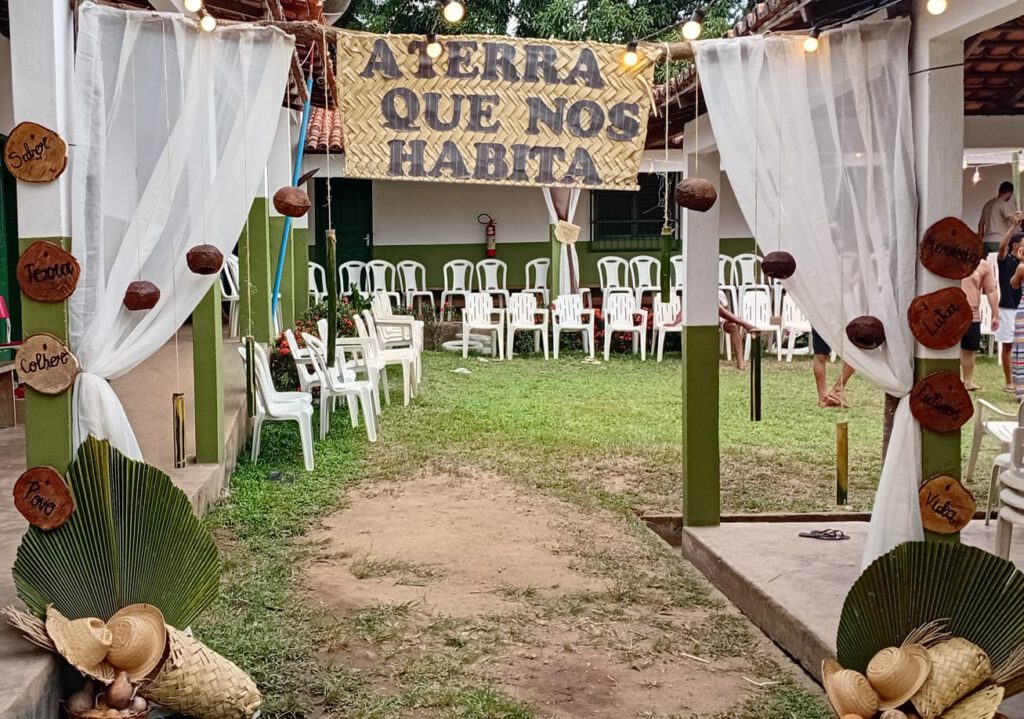
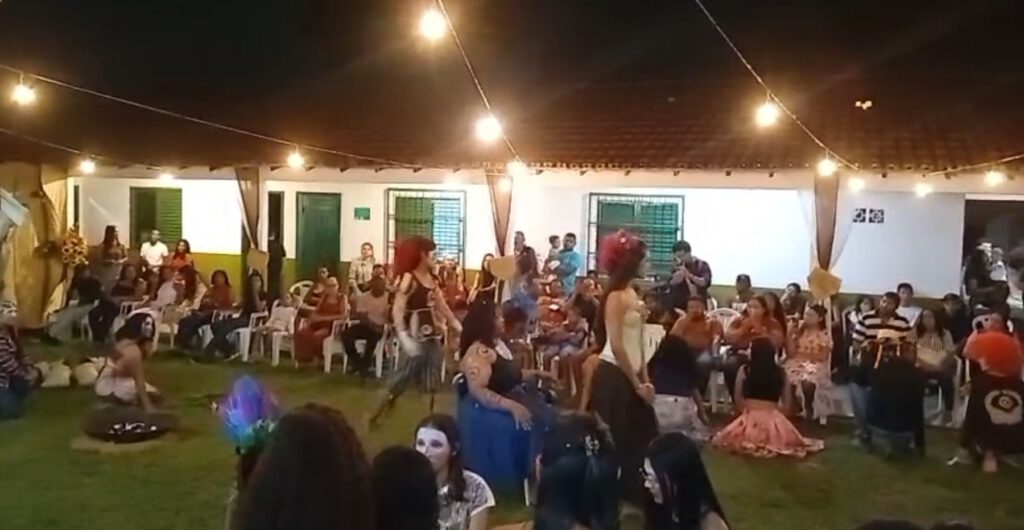
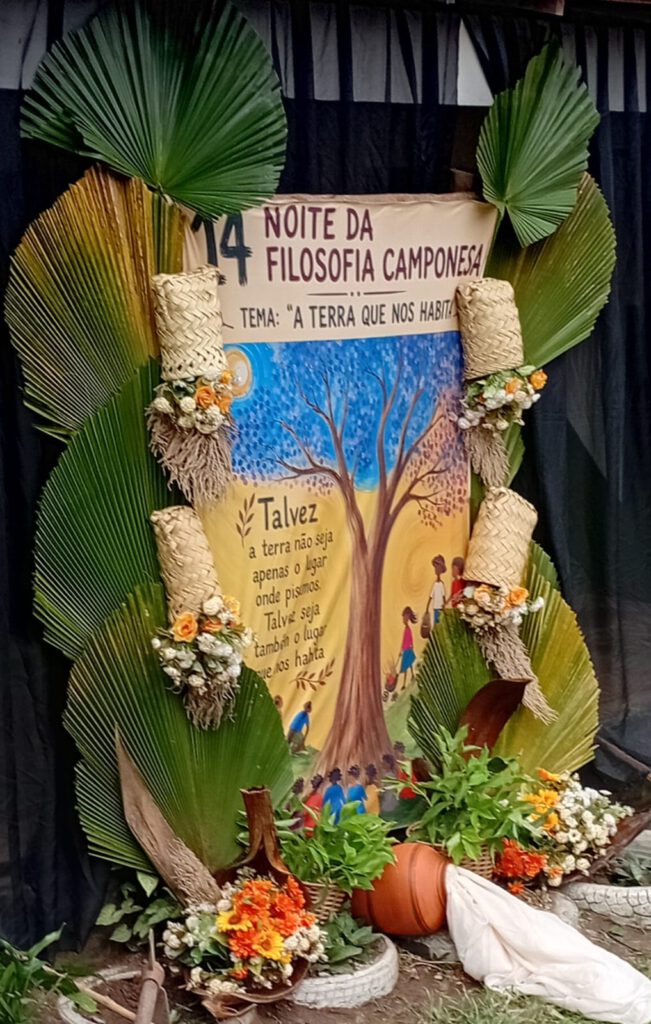
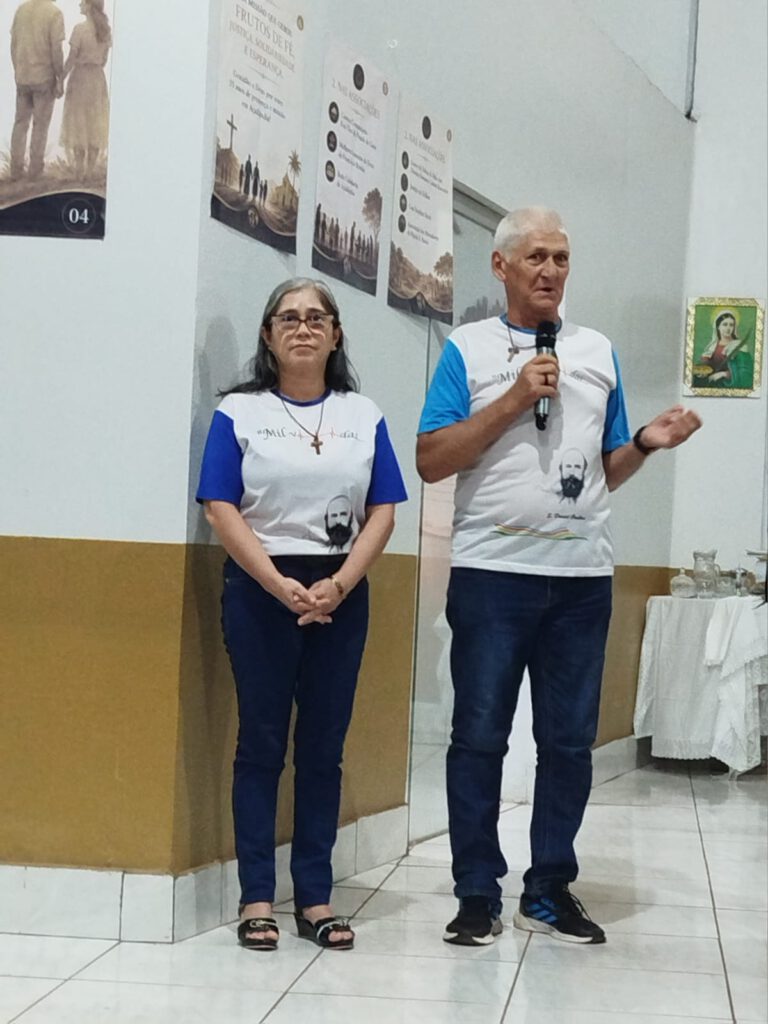
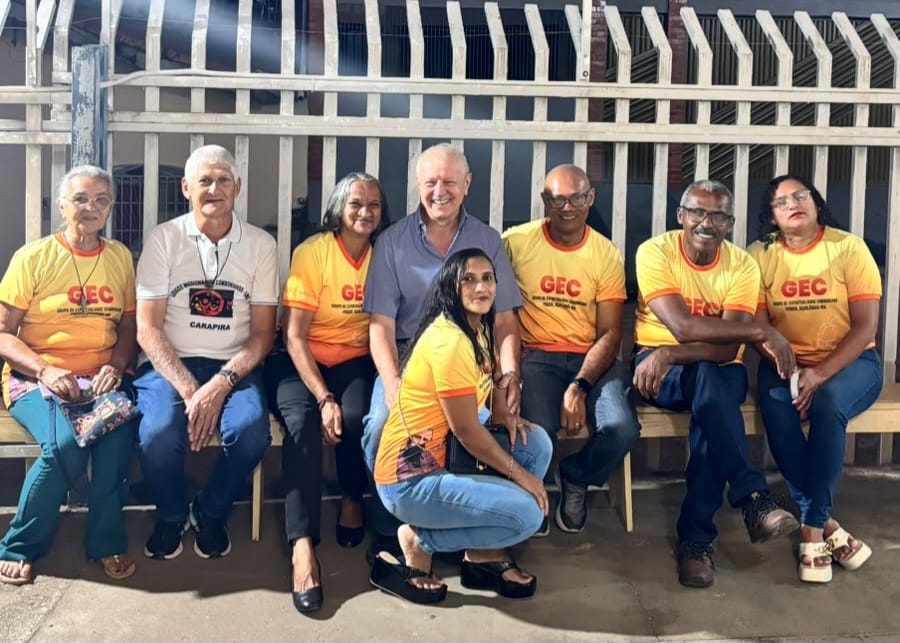
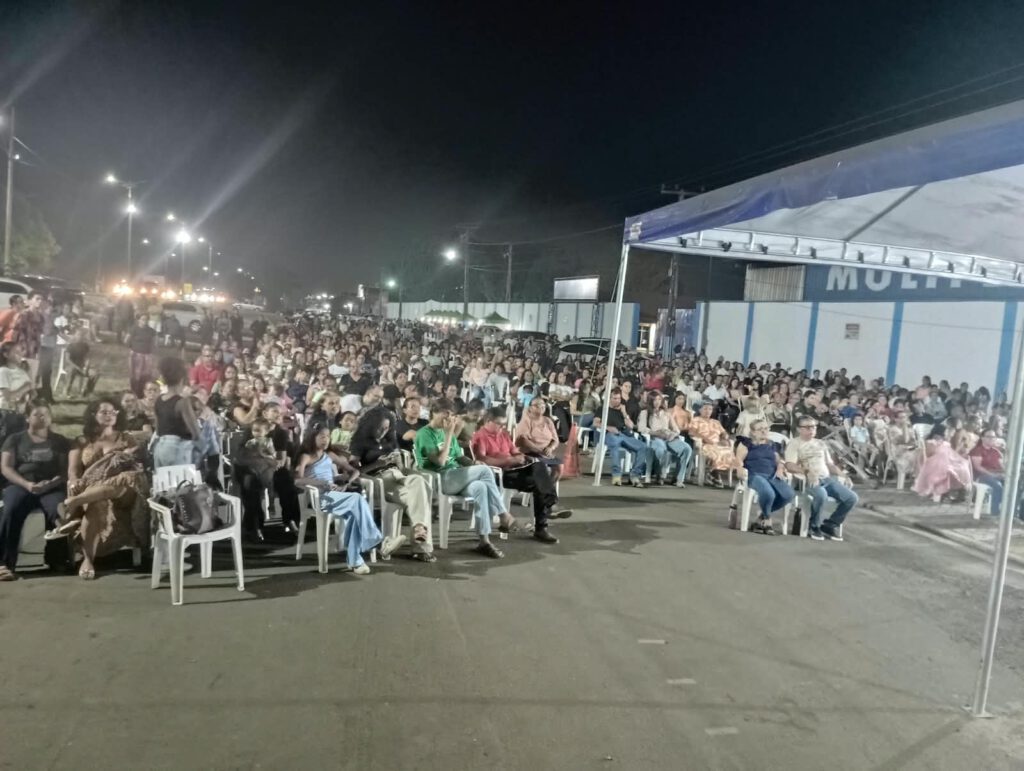
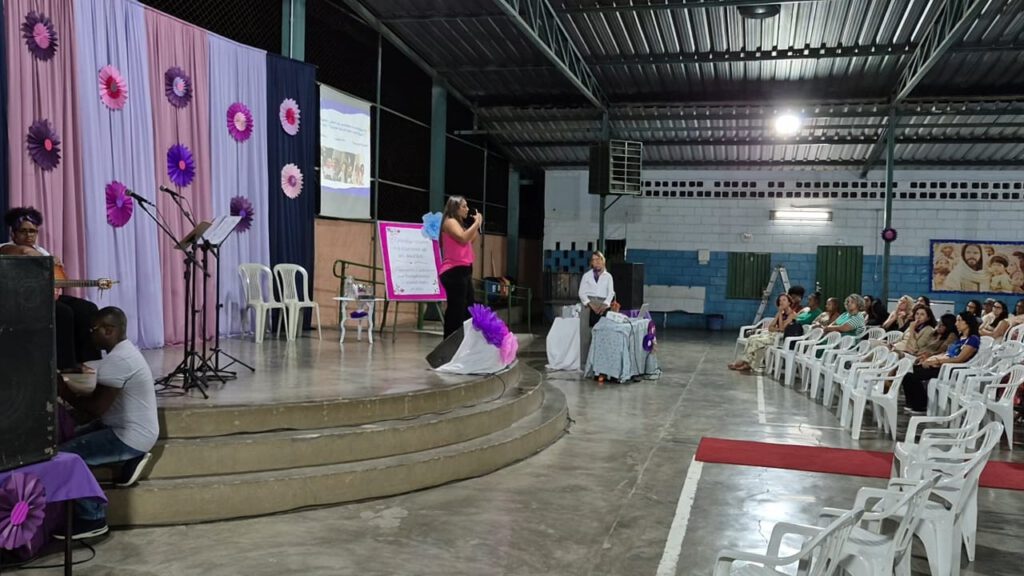
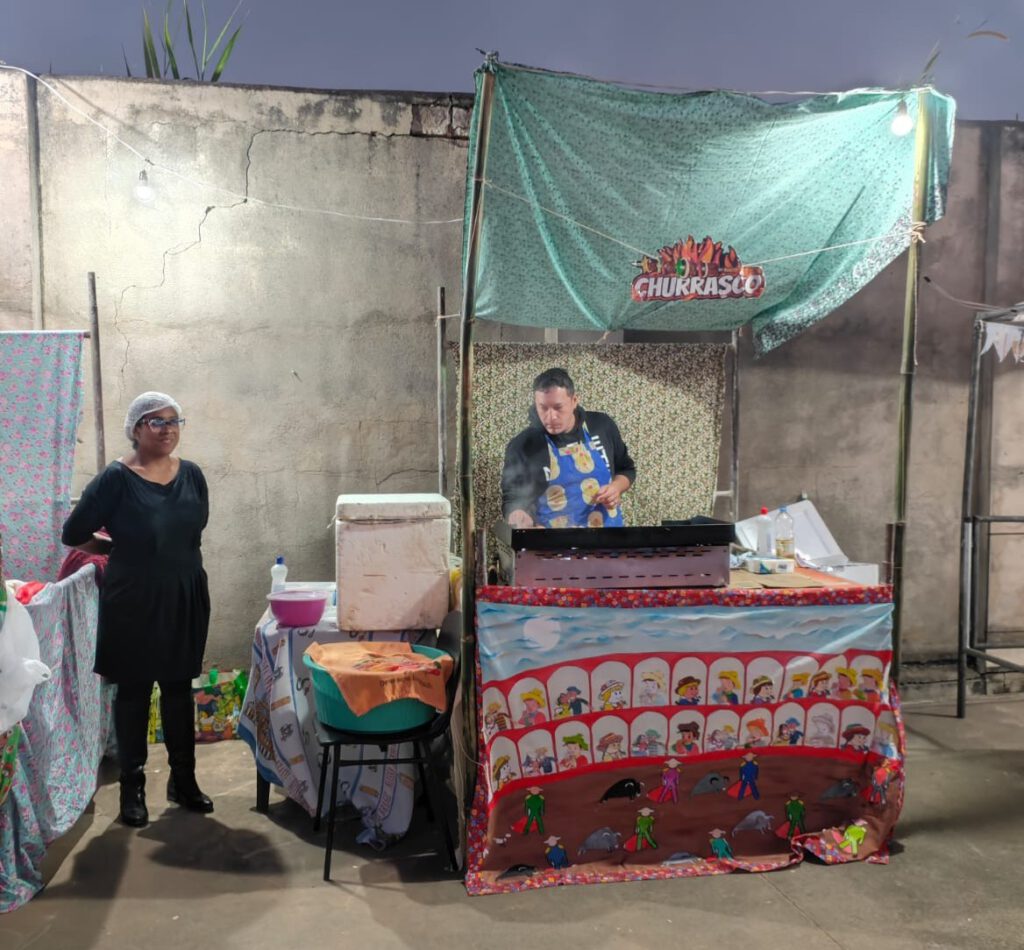
It took place on September 25, 2026, at the Rural Family School (CFR) in Piquiá, Açailândia, Maranhão. Coordinated by the Comboni Lay Missionaries, the Evening of Peasant Philosophy had the theme: THE EARTH THAT HABITS US.
All students, family members, settlement groups from the region, and guests were in attendance.
There was a profound reflection on the theme, featuring speeches, poetry, and outstanding performances by the students and groups present at the event.
Certificates were also awarded to the graduating class who completed their studies in 2025 and are now part of the workforce.
To conclude the evening, there was a lively gathering among the coordinators, students, family members, and everyone present for this great moment of reflection on Mother Earth.
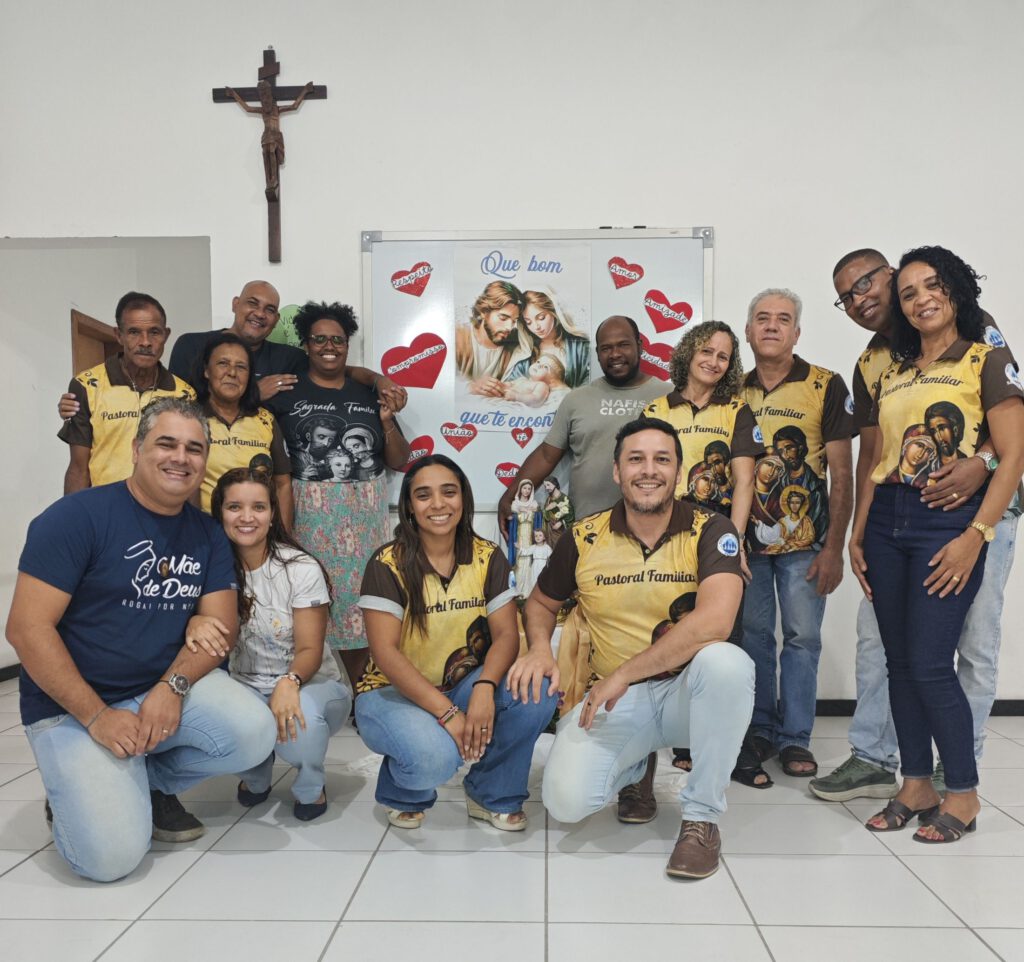
The CLM Community of Piquiá consists of two couples: Xoancar and Dida, and Tito and Regimar.
We are happy to share with you that we have just celebrated our 6-month anniversary in Brazil; it has been a challenge to settle back in and readjust. Thank God we’ve been able to get started with various activities and projects, since a helping hand is always welcome.
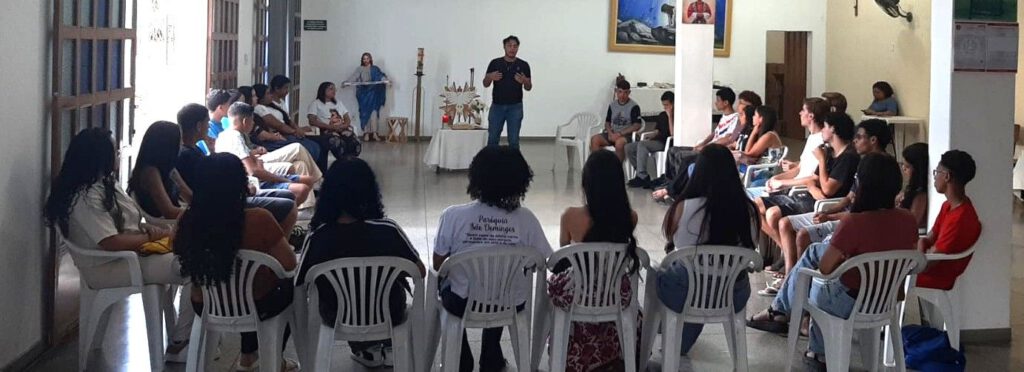
We’re working pastorally with two communities, trying to encourage them to grow little by little and to get more people involved in the work. We’re also supporting prison ministry, working with ministers of the Word, and providing catechumenate instruction, among other things.
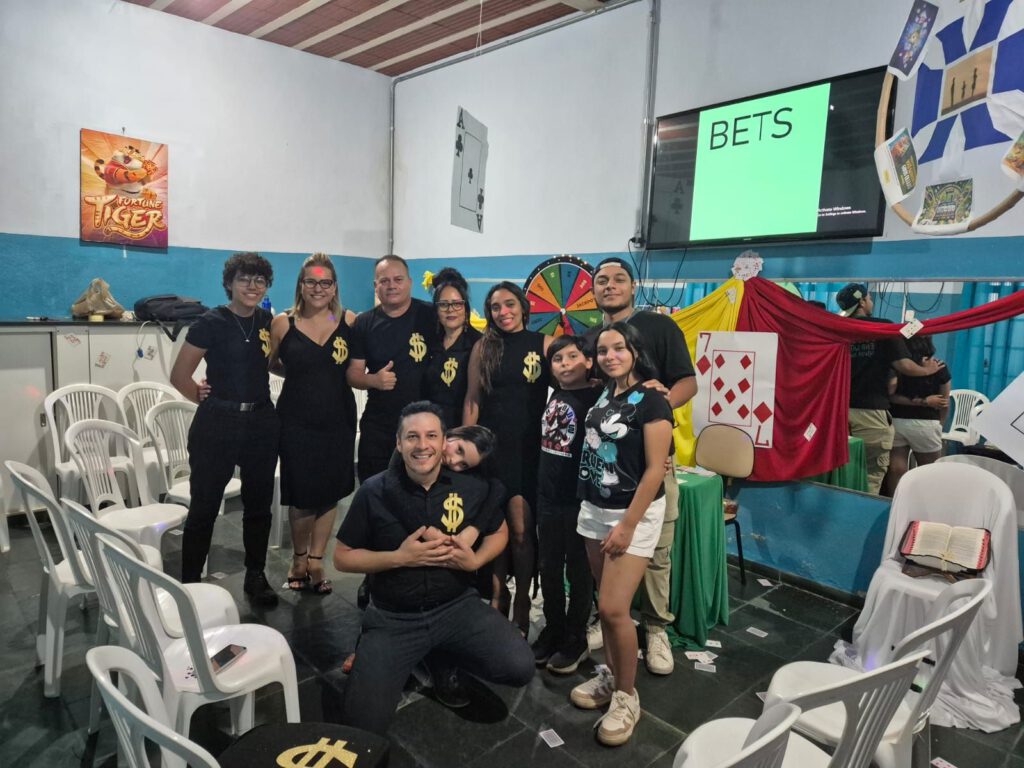
We have carried out various activities, including family ministry with married couples, catechizing engaged couples preparing for marriage, and participating in an evangelization and awareness-raising event focused on the BETS theme. This initiative brought to light many cases of gambling abuse in the area and raises the question: What must we do as Christians to prevent this in our society?
We have also been working to identify and implement projects that can support the development of children, youth, and adults in the region. With great joy, we launched several language courses at the Comboni House—including English, Spanish, and French—as well as at the Ype Amarelo Association. It encourages us to see that there are young people and adults interested in acquiring new knowledge and skills that can help them secure better job opportunities and fulfill their dreams at the same time.
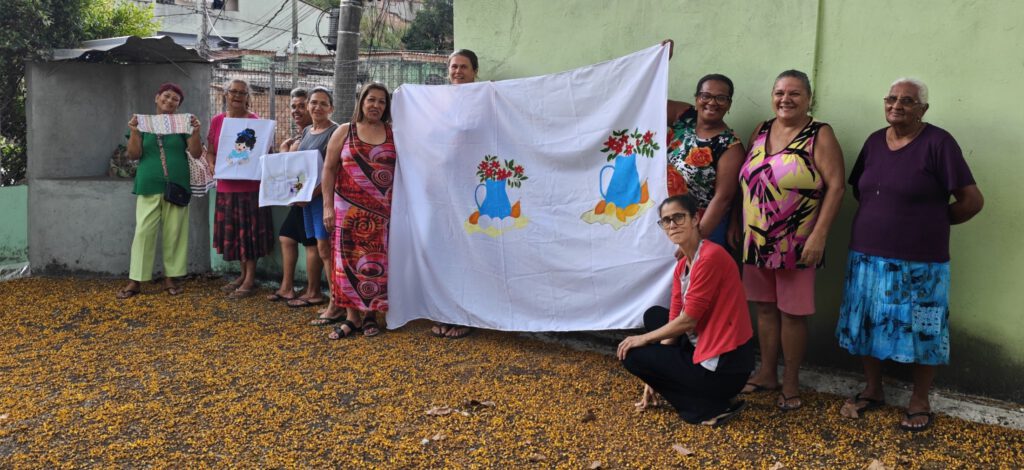
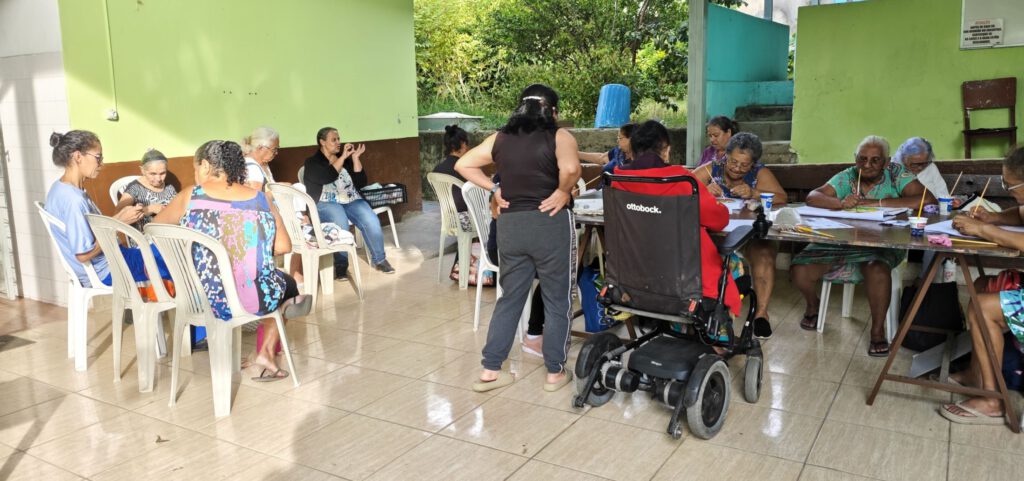
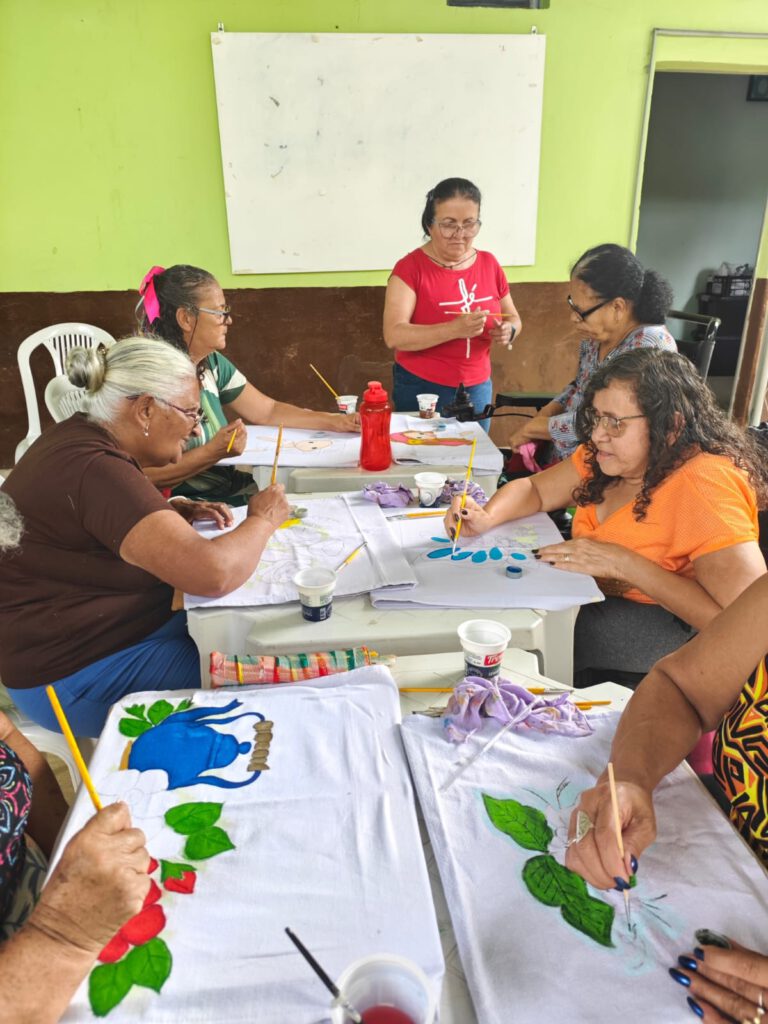
We continue with the training and therapy group for women, focused on evangelization, self-help topics, and crafts. We hope to start courses in drawing and painting, as well as monthly talks to inform and raise awareness about drug use and violence against women.
The peripheries always speak of a marginalization that shifts its focus over time—a neglect that affects new generations, especially today in the areas of education and family unity.
We ask for your prayers so that we may do God’s will and help those in need of comfort amid so much sadness and uncertainty.
May St. Daniel Comboni continue to intercede for the missionary work that all of us in the CLM carry out as one great community, and may everything be for the glory of God and the salvation of souls.
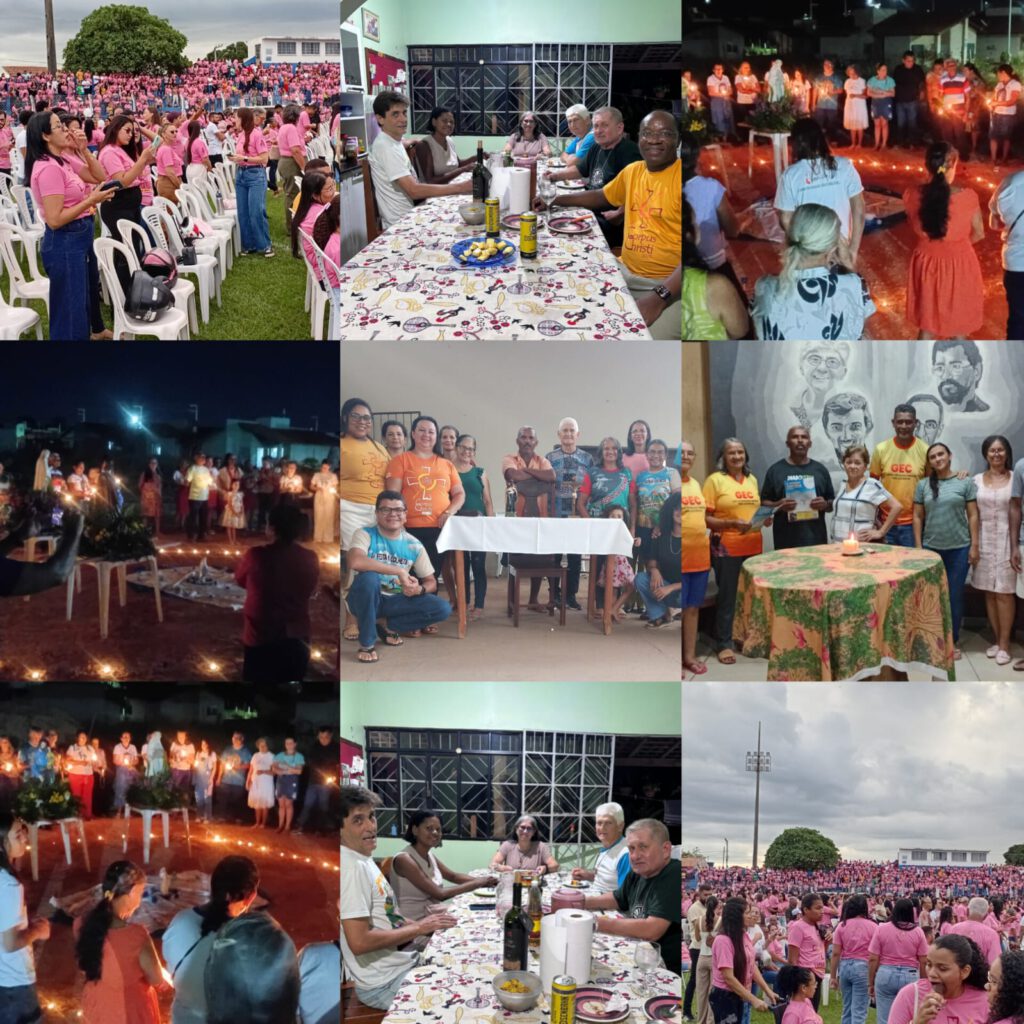
During the week of August 23–30, Vocations Month, we experienced moments of deep Comboni spirituality here at the Comboni Mission in Piquiá, in Açailândia, in the state of Maranhão, in northeastern Brazil.
These were days marked by strong participation from the people of this region, where the Comboni Missionaries—priests, brothers, and laypeople—have been working for 35 years.
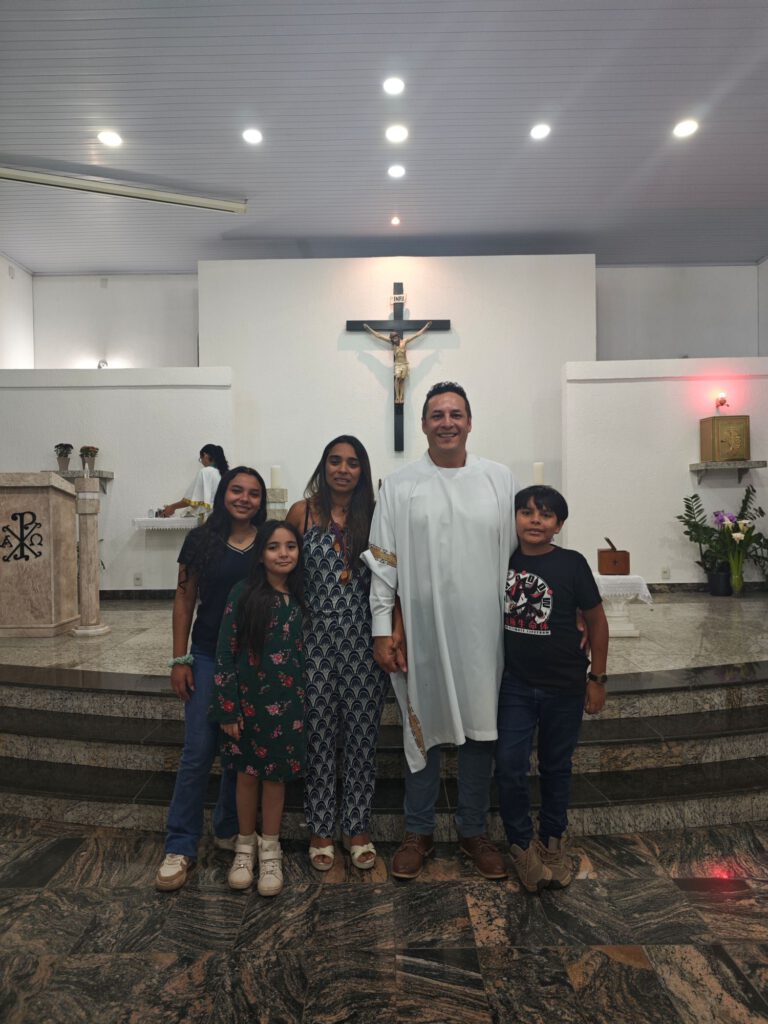
There were Masses, gatherings, visits, moments of sharing, and fellowship. And this past Sunday, the 30th, a Mass of Thanksgiving was celebrated for this entire missionary journey and for the 25th anniversary of the priestly ordination of Fr. Joseph Mumus Mumbere, currently parish priest of St. Luzia Parish in Piquiá.
The Mass was celebrated by Bishop Vilsom Basso of Imperatriz and concelebrated by four Comboni priests who have served in Piquiá over the course of these 35 years, along with the Comboni Lay Missionaries present there.
Dear Comboni Lay Missionaries and all the People of God.
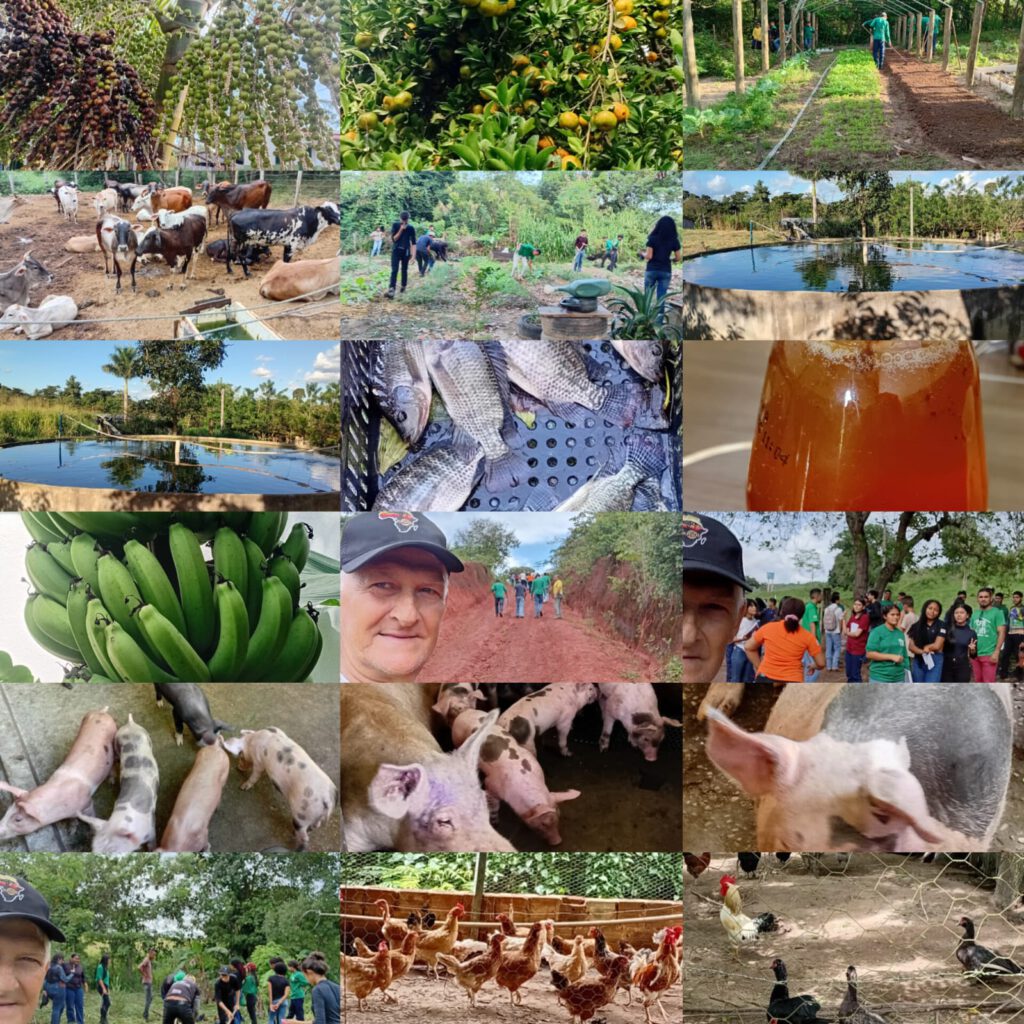
The mission continues! For the past three months, I have been on mission in Piquiá, Açailândia, in the state of Maranhão, where I work at the Rural Family Home (CFR), which serves students in their first, second, and third years of high school—mostly the children of farmers who, in addition to theoretical instruction, learn hands-on skills in agriculture, vegetable gardening, fruit growing, fish farming, animal husbandry, and beekeeping.
I see this as very important and necessary work so that our young people can continue to live on the land and provide for their families.
On weekends, I’m joining the activities of the Santa Luzia Parish in Piquiá, and will soon begin to get involved in pastoral work.
I always count on the prayers of each one of you to give me the strength to continue on this journey.
We’re happy to share a brief account of our departure from Guatemala and arrival in Brazil.
We started last year with the confirmation of our departure, and with that came the documents from Brazil to process our visa—and then the complications began: our vehicles broke down, many of our household appliances failed, work piled up, and our parents fell ill. Amidst a storm, we reached January without knowing the exact departure date. We bought the tickets and had to change them for a month later because the visa hadn’t come through. While we waited, the visa arrived, and a day later we traveled to Brazil.
How comforting it is to know there is a community waiting for you; the prayers of our community and those who welcome us help sustain us. Without a doubt, the first impression is a shock—even though we know the culture, language, and customs, it always hits you head-on, and stepping out of your comfort zone stirs your very core. You remember the beautiful things, the glorious moments, the joys, but in that instant you remember the difficulties, the lack, what you leave behind, and you turn back to God because only He can sustain you.
We arrived to work… getting off the plane and preparing a topic to share at a parish women’s gathering. We found the roof broken and in need of repair, because it rains more inside the house than outside—dampness and other issues—and thank God, Cristina had already cleaned the house, which had been empty for seven months. The car broke down three times, and we’ve only just begun!
With great effort and joy, we cleaned and repaired the two houses to welcome the laypeople who are going through their discernment process to become CLM of Brazil during Holy Week, and amidst these trials, we managed to get our children started on their studies.
Today, after settling in, establishing a routine, and beginning to work on parish activities, we feel more at peace and have a clearer sense of purpose.
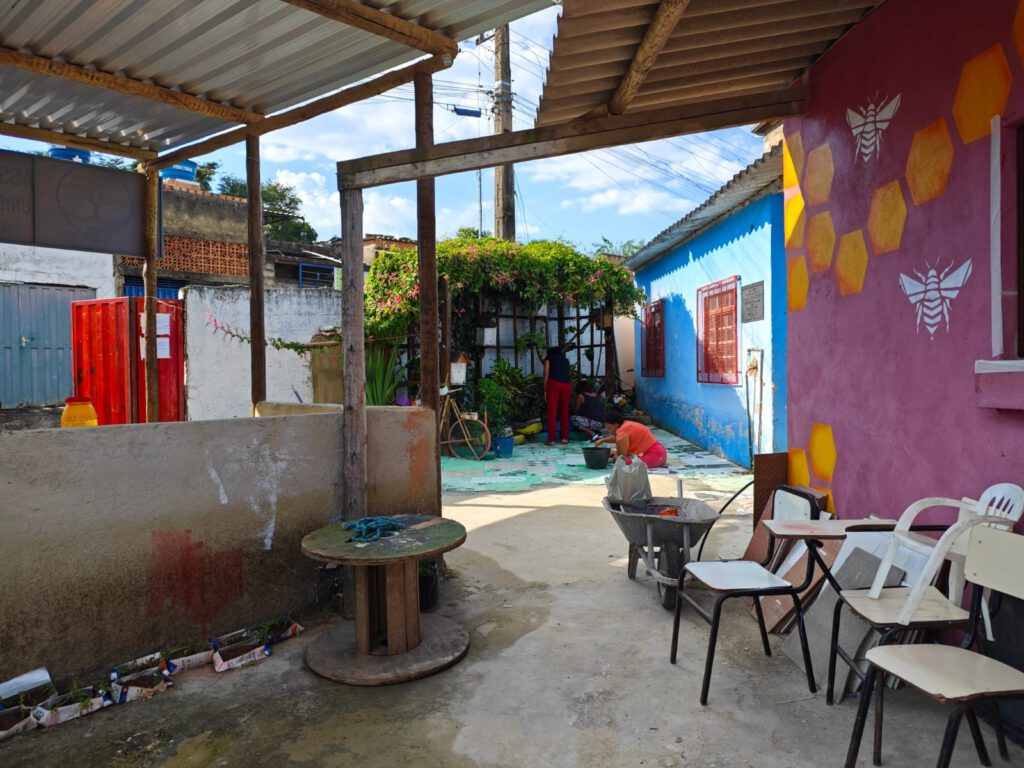
We have resumed activities at the Comboni House, a small group of us, a house that carries out social and human development work in the region. We started with the women’s crafts group and are in the process of integrating other educational and community service activities into the house, as it has been closed for a long time.
We are accompanying two communities that are somewhat struggling and short-staffed; we have begun working with the neighborhood association and we are waiting for their issues to be resolved so we can start Spanish and English classes. Meanwhile, we have already begun premarital catechesis, meetings with the family ministry, and accompanying the Comboni spirituality group.
We are getting to know the place again, reconnecting with the people. It brings us joy and strength when they greet us warmly, and above all, it presents us with a great challenge: to do our work well for the glory of God. The provincial came to visit us, which undoubtedly gave us even more encouragement to move forward and organize together the work to be done as a Comboni family.
We celebrated these three months with the Feast of Corpus Christi and the parish festival of Los Centinelas, a time for fellowship, sharing, and encouraging the community.
There are many emotions, sorrows, longings, and reunions; every missionary needs time to calm the spirit, to settle into the mission field, to find clarity of mind and heart. We love to work and be with people, to accompany them and evangelize them, but above all to be witnesses to God’s love.
May St. Daniel Comboni continue to intercede for each of us, for all his missionaries, and may the upcoming celebration, the Feast of the Sacred Heart of Jesus, be a time of unity for the entire Comboni family, which struggles with daily challenges, precariousness, and so many other problems that Comboni himself endured.
With love and great hope in God,
The Camey Figueroa Family
CLM of Guatemala in Brazil
Este sitio web utiliza cookies para mejorar su experiencia. Si continúa navegando consideramos que acepta el uso de cookies, pero puede optar por lo contrario si lo desea.
This website uses cookies to improve your experience. If you continue to browse we consider you accept the use of cookies, but you can opt-out if you wish. Acepto Puede obtener más información - You may have more information here
Politica y privacidad de Cookies - Privacy & Cookies Policy
Privacy Overview
This website uses cookies to improve your experience while you navigate through the website. Out of these, the cookies that are categorized as necessary are stored on your browser as they are essential for the working of basic functionalities of the website. We also use third-party cookies that help us analyze and understand how you use this website. These cookies will be stored in your browser only with your consent. You also have the option to opt-out of these cookies. But opting out of some of these cookies may affect your browsing experience.
Necessary cookies are absolutely essential for the website to function properly. This category only includes cookies that ensures basic functionalities and security features of the website. These cookies do not store any personal information.
Any cookies that may not be particularly necessary for the website to function and is used specifically to collect user personal data via analytics, ads, other embedded contents are termed as non-necessary cookies. It is mandatory to procure user consent prior to running these cookies on your website.