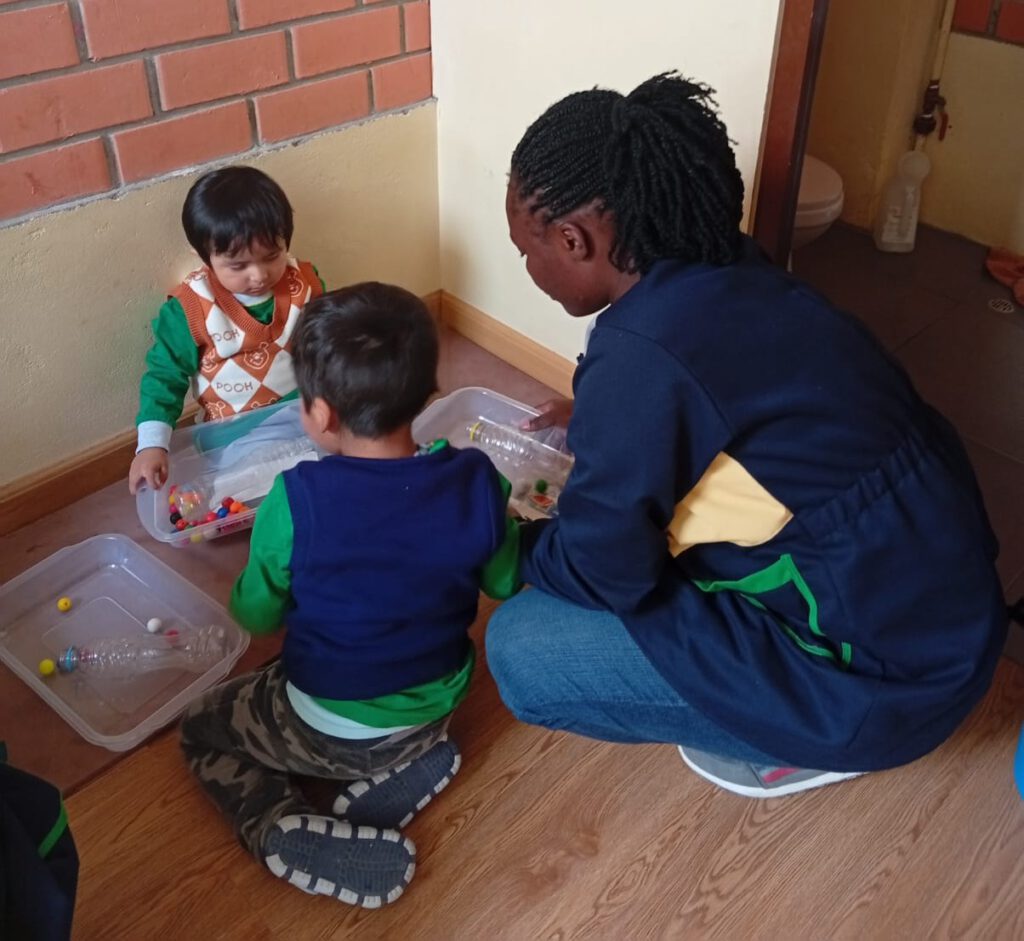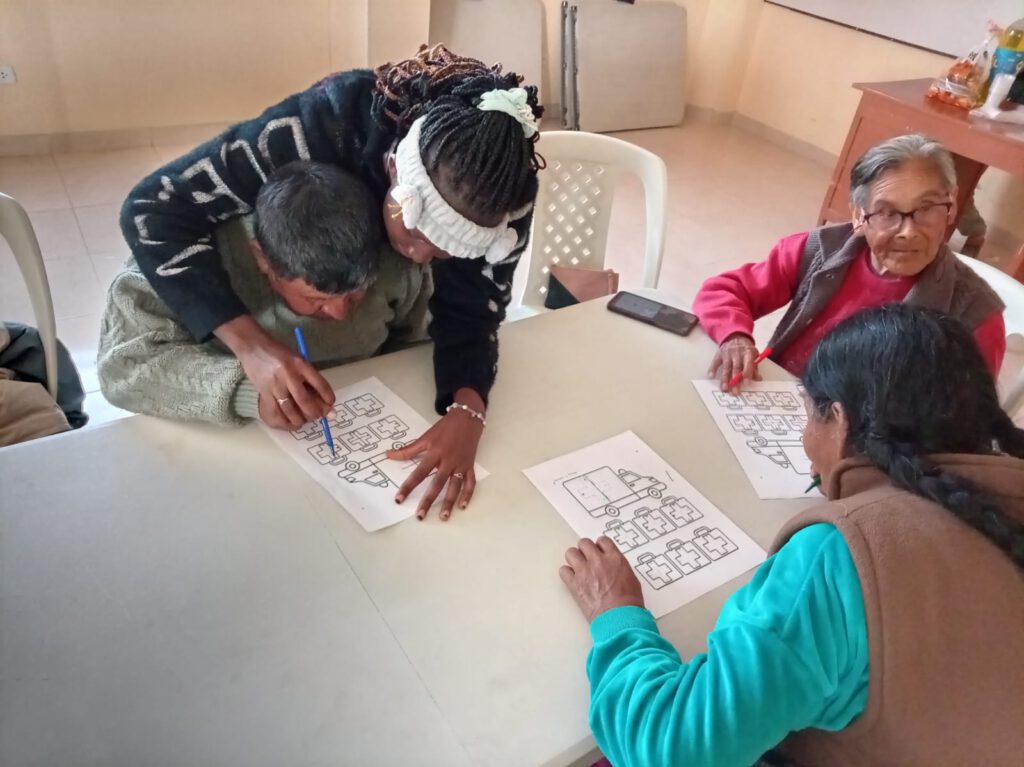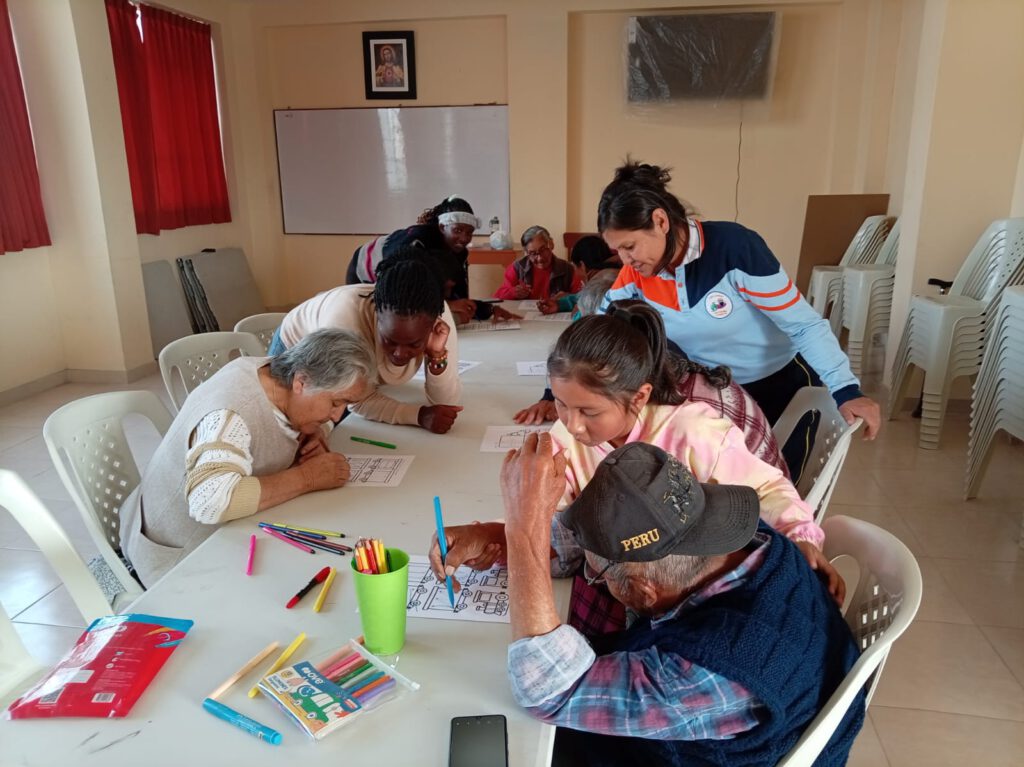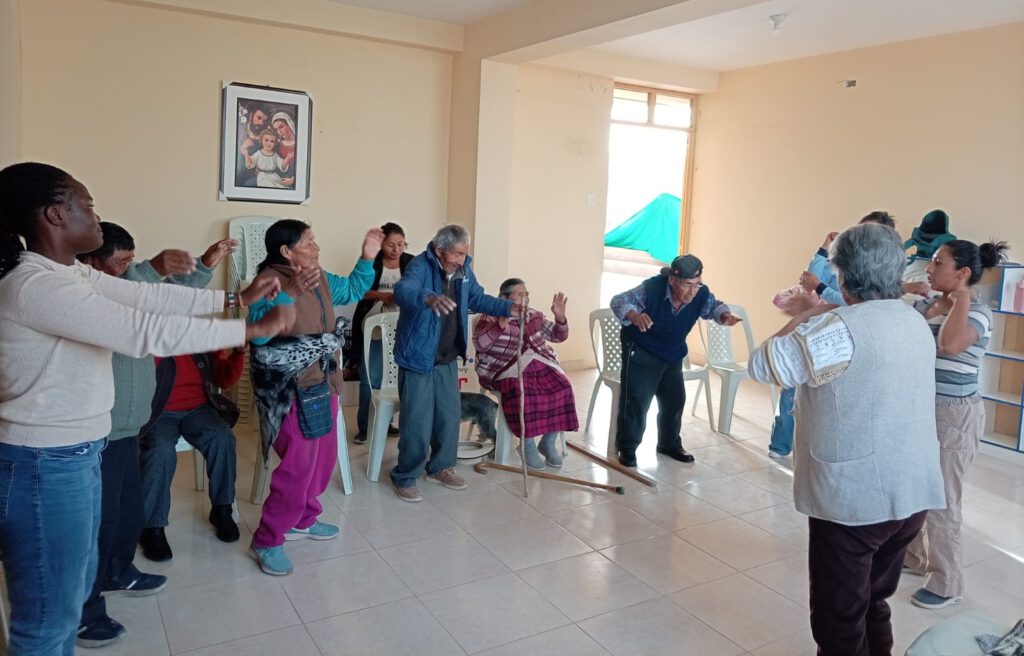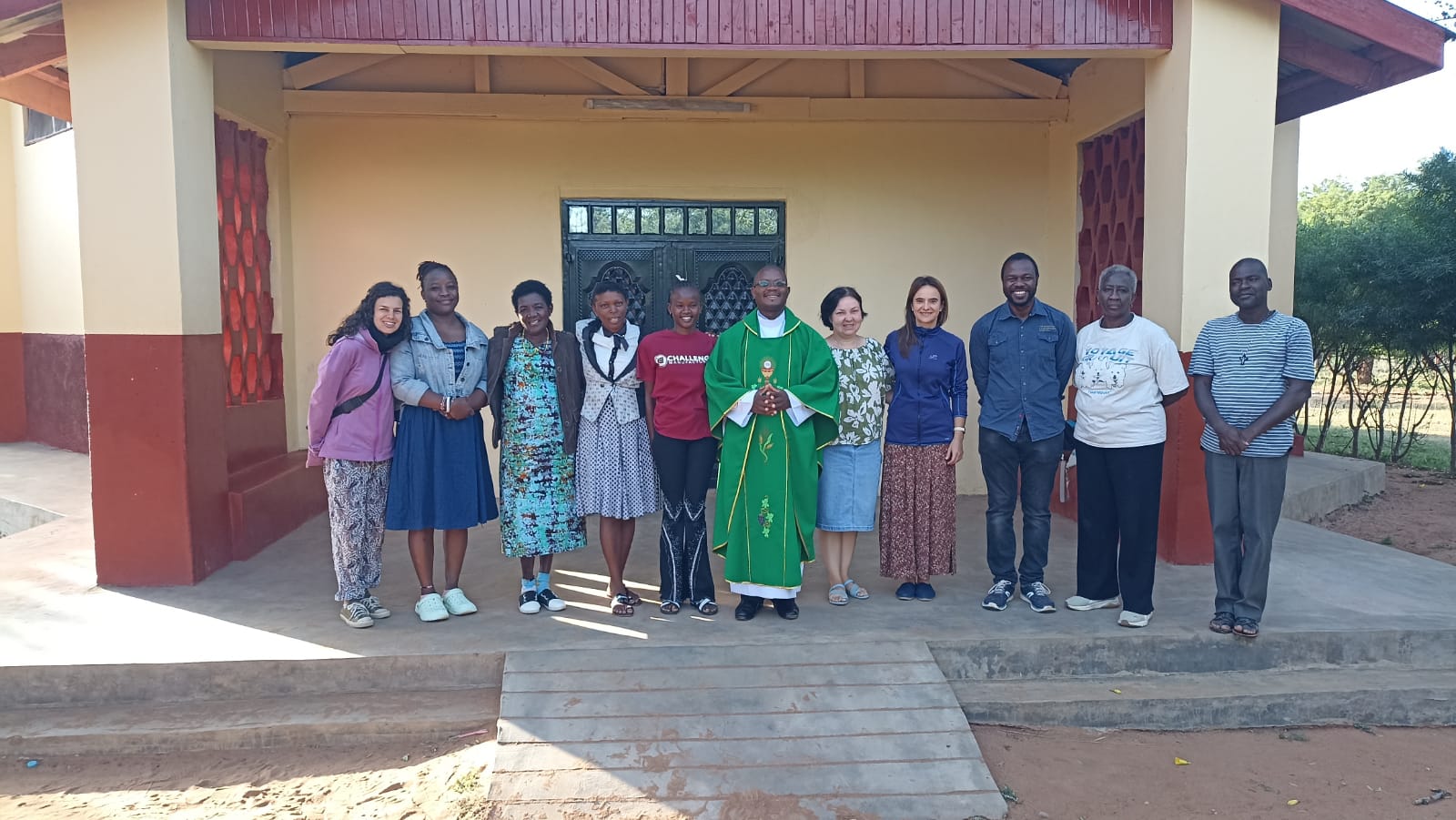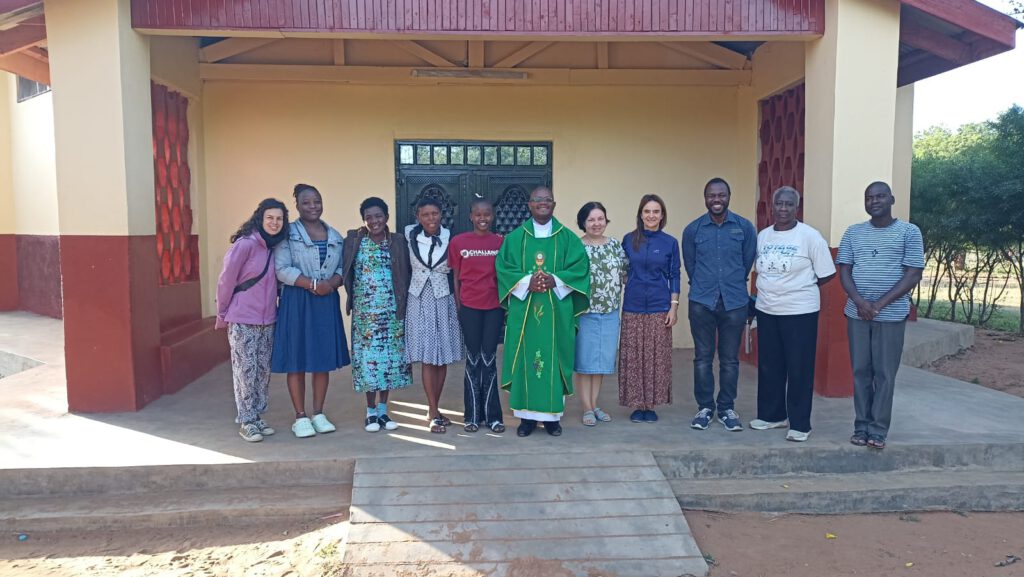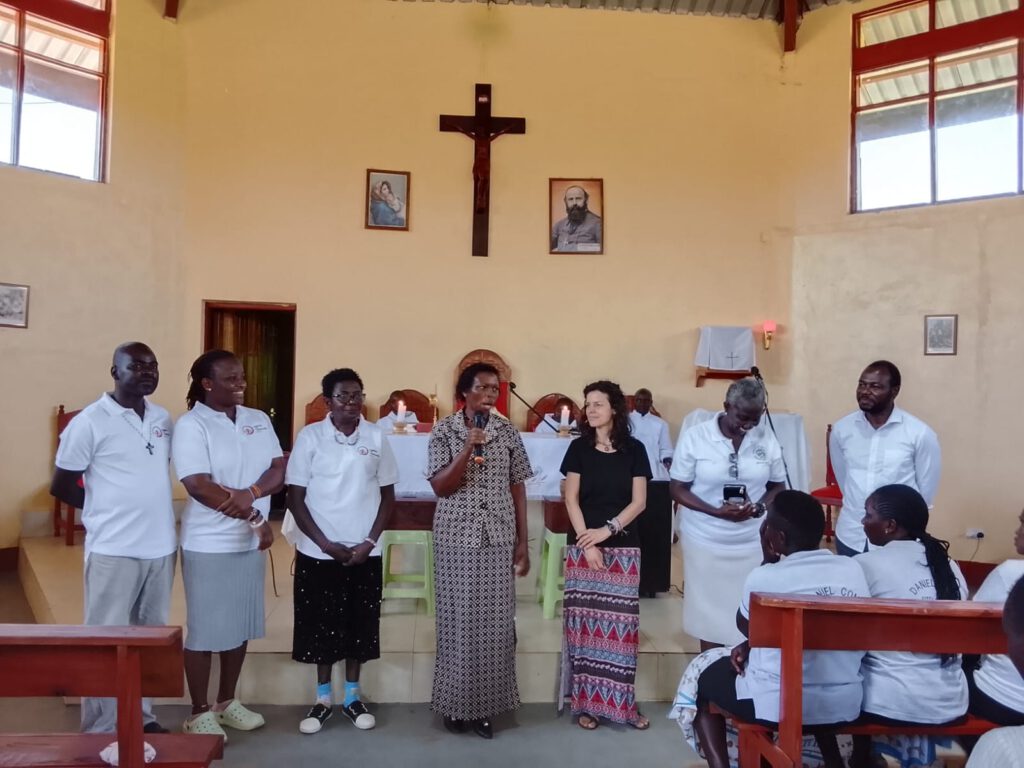
My name is Luca, I am 24 years old and, a couple of months ago, I was lucky enough to have an intense missionary experience in Mozambique, more precisely in Carapira, where, thanks to the welcome of the Comboni fathers and Comboni Lay Missionaries, I had the opportunity to meet and get to know the Macua people.
I left for this experience on August 18, together with Ilaria and Federica, two missionaries who have been dedicating their service for almost two years to what has now become their home: Carapira. I was fortunate enough to meet them two years ago in Modica, Sicily, shortly before their departure.
That encounter had a profound effect on me and, right from the start, I began to feel the desire to join them in the mission field, certainly to put myself at their service, but above all to meet, get to know, and let myself be touched by the beauty and humanity that characterize these places. So, this summer, after a short period in Italy, Federica and Ilaria welcomed my request to accompany them with joy and enthusiasm.

And so, after a flight marked by a thousand vicissitudes, including missed and canceled flights, we finally arrived in Mozambique, in Carapira.
Right from the start, I was deeply impressed by the welcome of the local community. After introducing myself during the first Mass I attended, stumbling over my Portuguese, I became “Mano Lucas,” or “Brother Luca,” to everyone. Soon I too began to call everyone I met ‘mano’ and ‘mana’; I even learned to call people older than me ‘mamà’ and ‘papà’, thus entering into a dimension of familiarity and community, perhaps never experienced before, which made me feel welcome and made me feel good.

The incredible welcome I received made me feel at ease from the very first moment and also helped me a lot to fit in, while always remaining on tiptoe, into the daily life and reality of Carapira. I spent the first few weeks mainly observing, getting to know and trying to better understand the context I found myself in, to understand how I could offer my contribution in the little time I had available. I soon realized that in order to do so, I had to stop thinking only with my head and learn instead to open my heart, entrusting myself to God’s love.
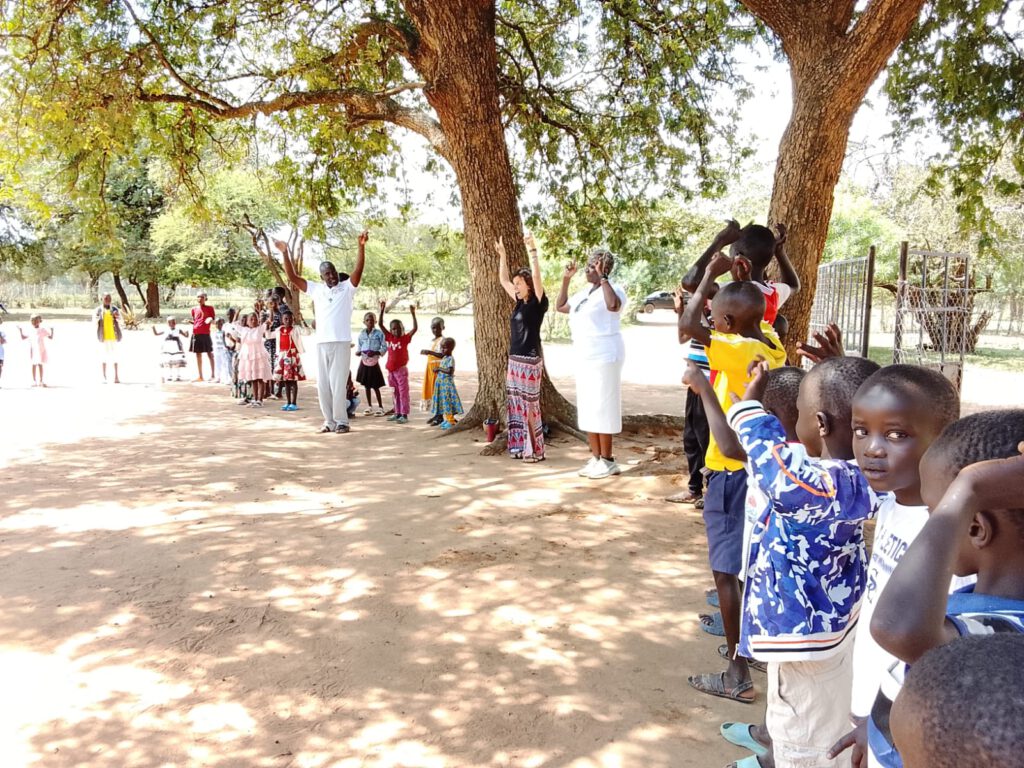
So it was that one morning, while I was still recovering from two days of fever, some children from the bairro (village) came to visit me. They had heard that I was not feeling very well and, without hesitation, they had rushed to bring me some cheer and lift my spirits. In addition to keeping me company, they were the ones who entrusted me with what would later become my mission: they asked me to help them study mathematics.

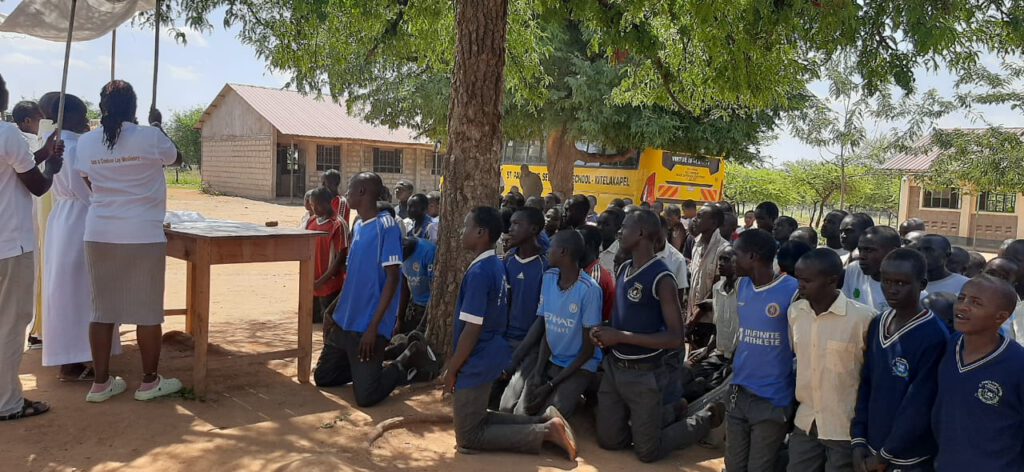
Unfortunately, in Carapira, many children struggle to really learn anything at school. And how can we blame them? All the conditions are in place to make this journey extremely difficult: only three hours of lessons per day, classes of about ninety children with only one teacher, classrooms that are too small, a lack of desks and chairs, suffocating heat and, in some cases, even a lack of pens and notebooks. The result is that many fall behind, unable to do simple addition or even illiterate, despite having attended school for years.
Yet the desire to escape this situation and the desire to learn are strong.

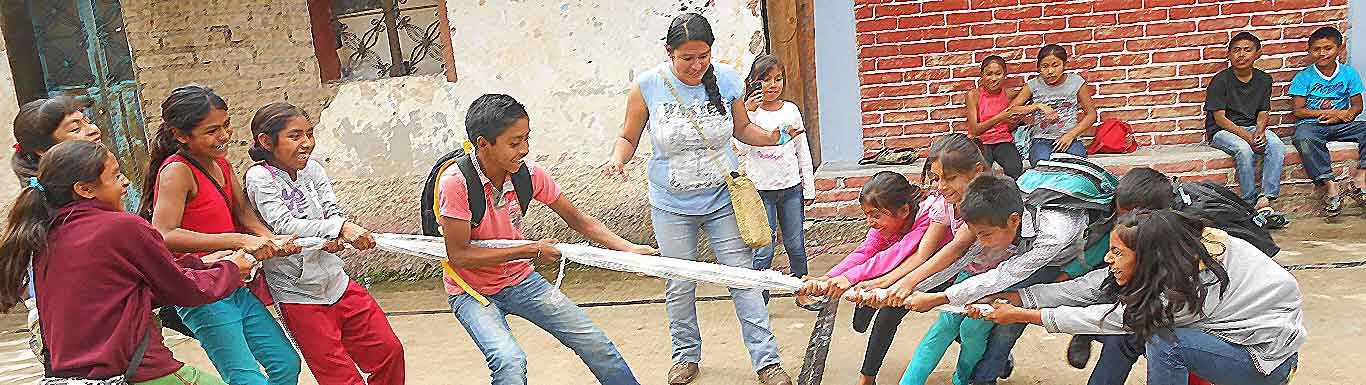
As soon as I had fully recovered, we began this adventure. We had few resources at our disposal—a few sheets of paper and some pens—and the space was what it was. So we began to meet near the large church in Carapira, sitting on the ground and using the walls of the church as a backrest. We settled where there was shade: on one side in the morning, on the other in the afternoon, moving from hour to hour to escape the direct rays of the sun.
In the blink of an eye, word spread and many preferred to ‘abandon’ soccer for a few hours of the day to come and study some math in company.

As I always say, not out of modesty but because it is the truth, what these children taught me during the days we spent together was much more than what I was able to teach them. Being able to observe them, get to know them, be their friend—or, as they would say, their “brother”—was a great fortune that I will always cherish in my heart and that has deeply enriched me. Encountering diversity always leads to new discoveries that nourish the spirit; it leads to an awareness of aspects of oneself that would otherwise be difficult to emerge and, above all, it helps us understand that, despite our many differences, we are all much more similar than we think. Only when we reach this awareness does it become truly possible to speak of “global fraternity.” If only those who govern this crazy world could understand this…
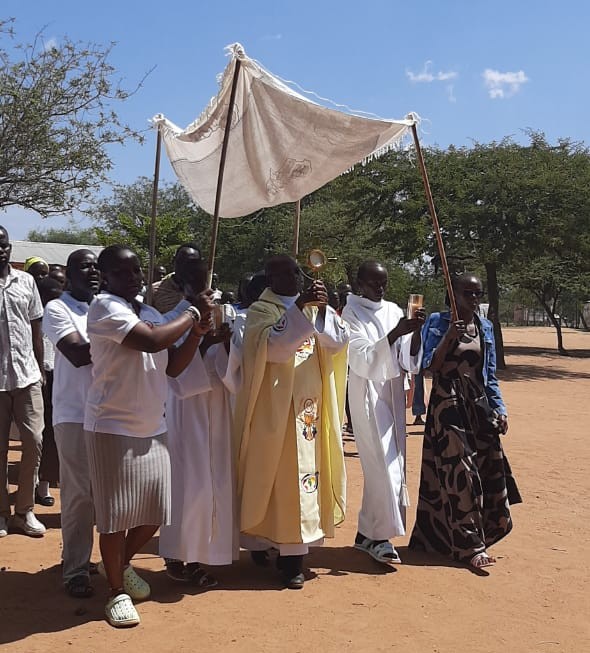
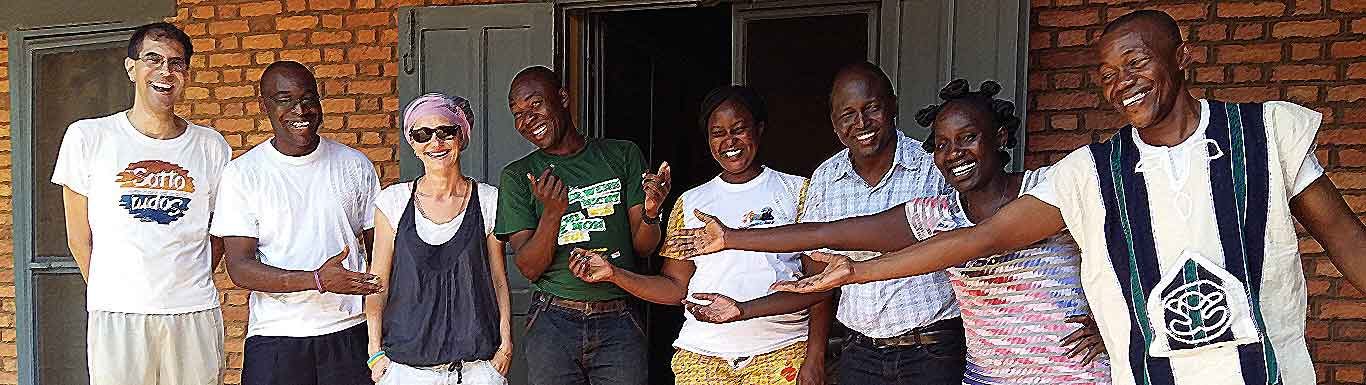
Returning to my experience, I could recount many other significant moments I experienced during those two months: from the beauty of community life with the Comboni missionaries, to whom I will always be grateful, to the intensity of the joyful and authentic faith of the Mozambican people, to the many encounters in small communities scattered throughout the countryside, and much more.

But I will not dwell on this any further, not least because I would need pages and pages to recount it all.
However, in closing, I would like to share a reflection that, during my days in Mozambique, I developed first and foremost about myself and, perhaps, more generally, about the “white tribe,” as Father Alex Zanotelli defines it.
This reflection arose when, shortly after the start of the mission, I began to realize that I was the one receiving the most help. Paradoxically, the person who was helped the most was the one who had set out to help and who, perhaps sinning a little with presumption, did not even feel so needy. This discovery shattered many of my beliefs and, without a doubt, allowed me to start again with a new spirit. It was the spirit of someone who, aware of their own limitations, desires to receive help, desires to feel welcomed and touched by God’s love, in order to cherish it and then give it back, in a new form, to those around them. After all, it is only after being helped that, following the example, we can help others, giving back the love we have received and creating a self-perpetuating spiral of good.

I therefore believe that recognizing ourselves as “needy,” despite all our comforts and all that we possess, is the way to truly welcome God’s love and the first step to take in order to truly serve others.
This, then, is what the mission has taught me most, and consequently, my wish for anyone who reads this article: try to abandon your presumptions and learn to recognize yourself as needy, in order to truly encounter the Other, who is God.

Luca