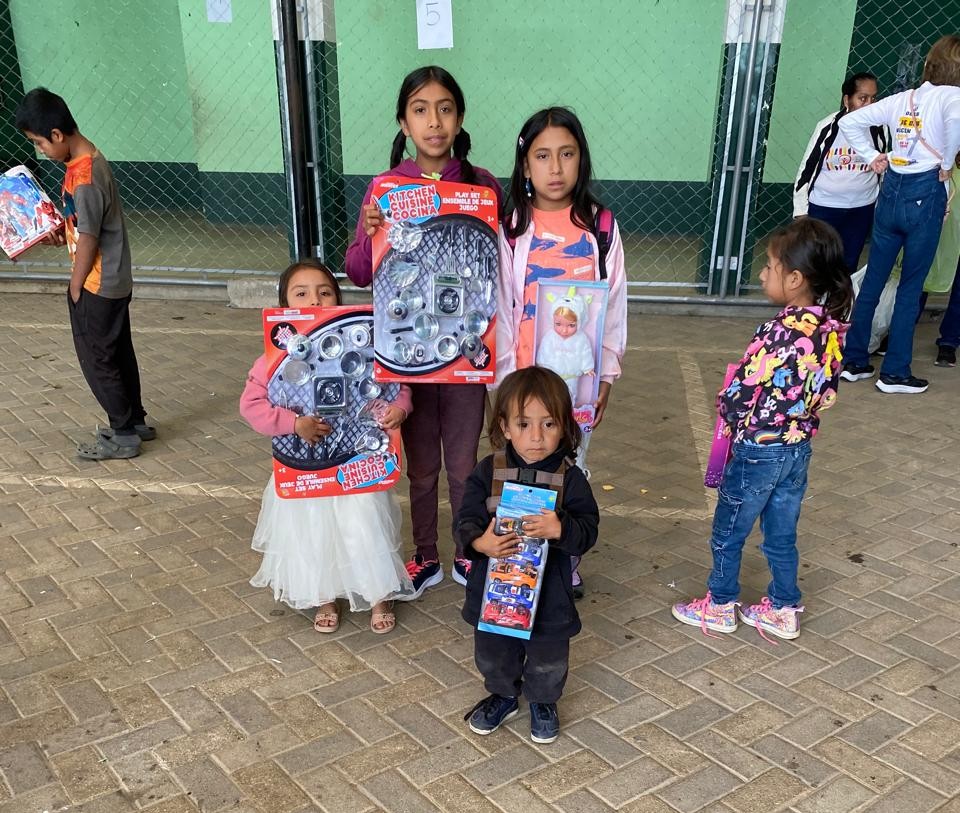
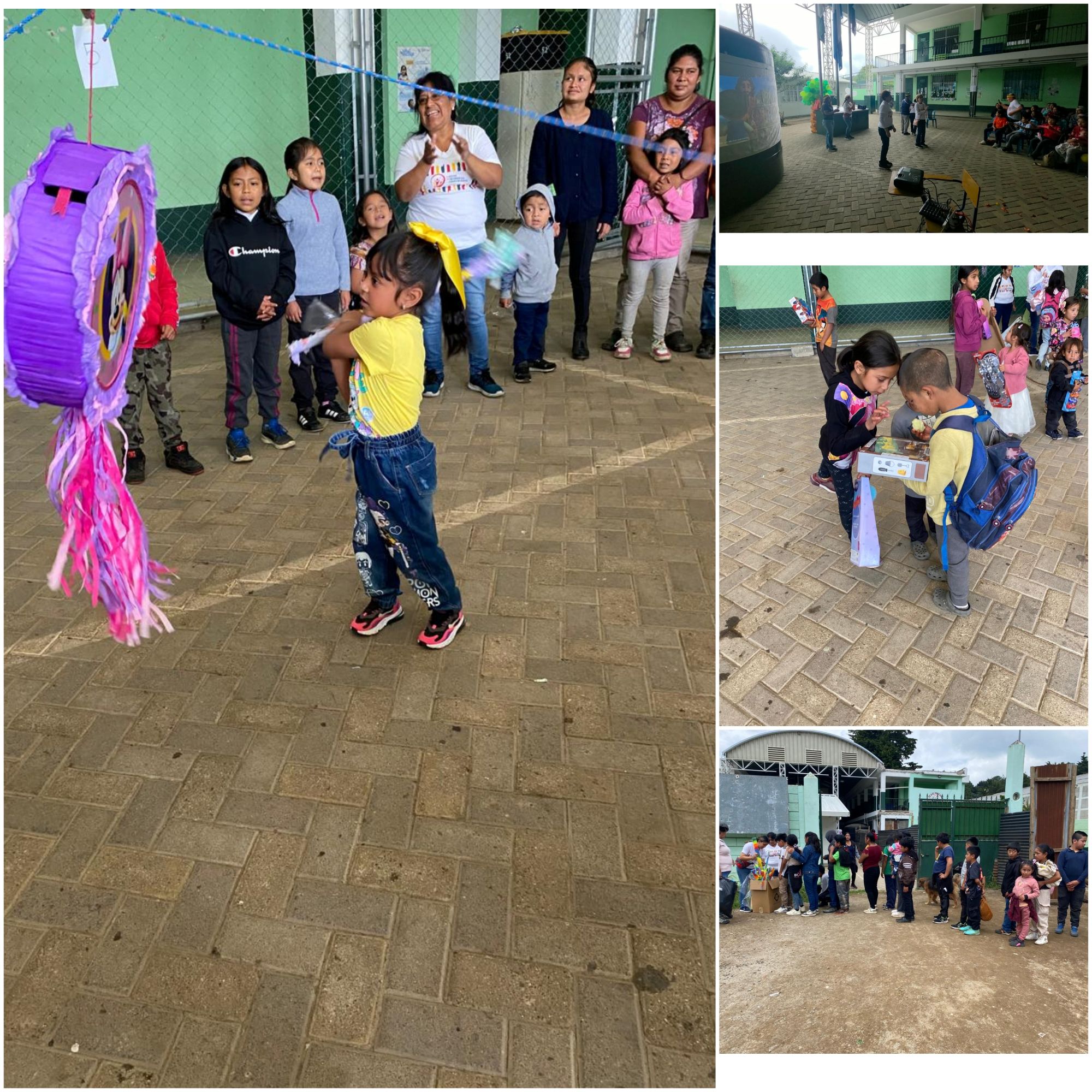
With great joy, as Comboni Lay Missionaries of Guatemala, we shared a very special day with the children and families of the El Manzanillo community, celebrating Children’s Day.
It was a day filled with smiles, games, a piñata, gifts, and moments of fellowship. But we wanted this gathering to do more than just provide fun—we wanted it to plant a small seed in the heart of every child.
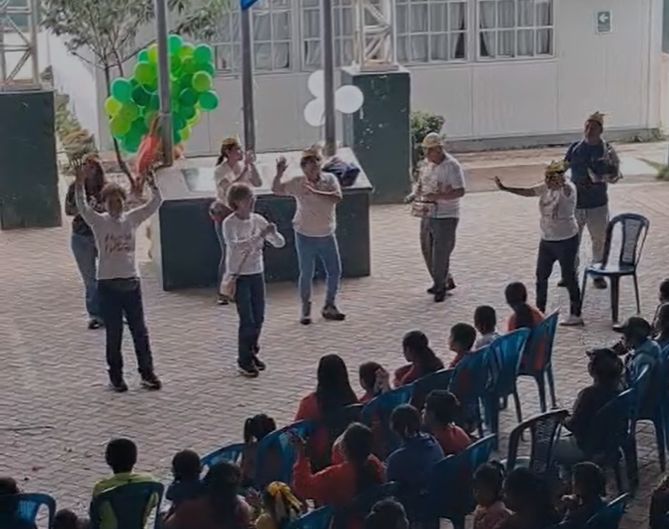
Through a simple evangelization activity, we shared the Parable of the Good Samaritan (Luke 10:25–37), recalling one of Jesus’ most beautiful teachings: to love our neighbor not only with words, but by reaching out, helping, listening, and showing compassion.
We learned that to be a “Good Samaritan,” we don’t need to do extraordinary things. We can be one by sharing, helping those in need, accompanying those who are alone, listening to a friend, giving a hug, or simply offering a smile.
And perhaps this lesson wasn’t just for the children.
They, too, evangelize us with their simplicity, their joy, and their way of receiving and sharing love. They remind us that often it is the small actions that can make a big difference in someone’s life.
As a missionary community, this gathering also reminds us that evangelizing means reaching out, sharing life, and allowing Christ’s love to become visible through our actions.
May we not pass by those who need us. May we learn to see through the eyes of the Good Samaritan and have a heart willing to stop, reach out, and serve.
“Go and do likewise.” — Luke 10:37
Thank you to the children and families of *El Manzanillo* for once again opening the doors of their community to us and allowing us to share a day full of joy, faith, and love.
Hello to all of you—friends, family, and benefactors.
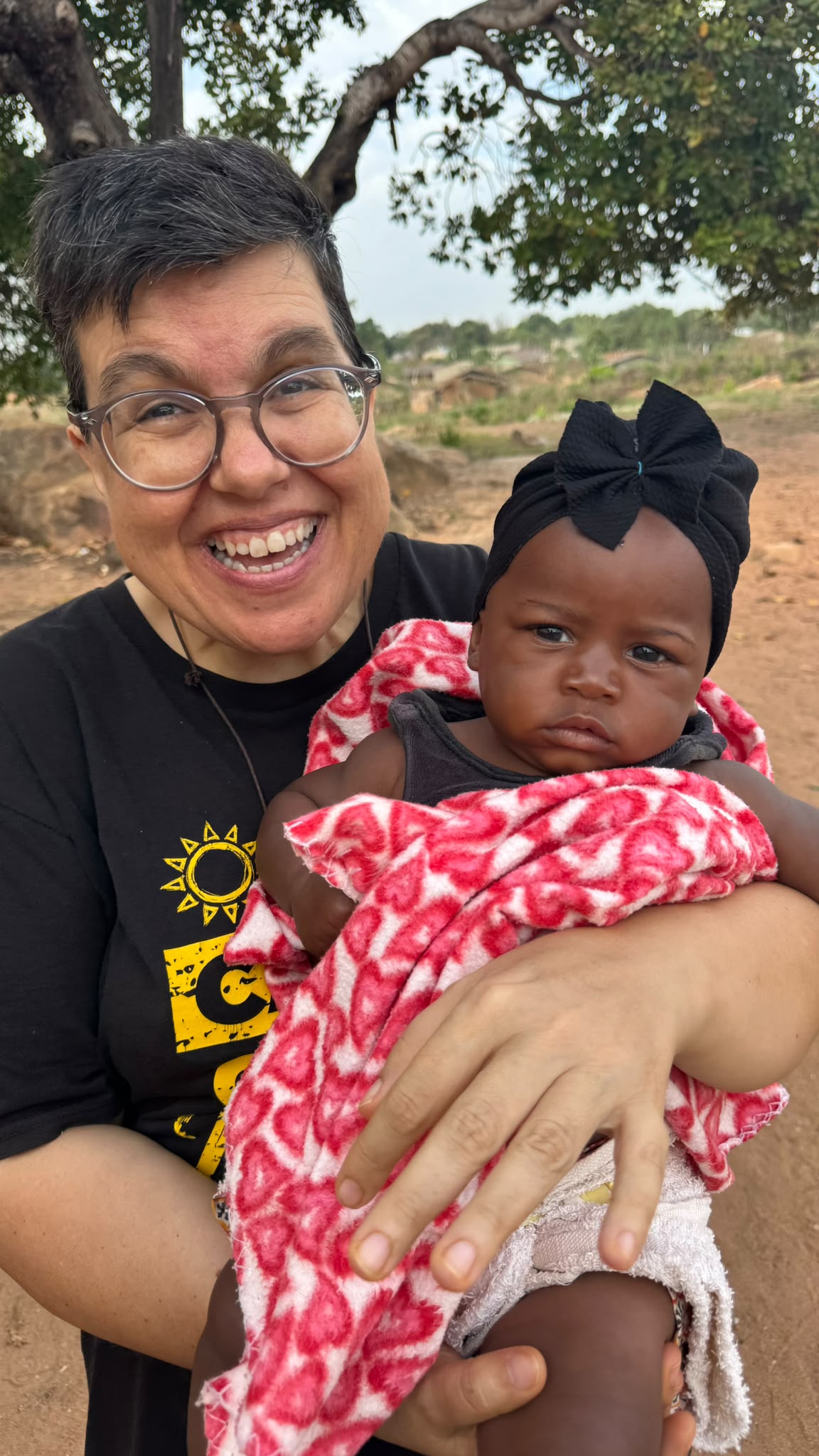
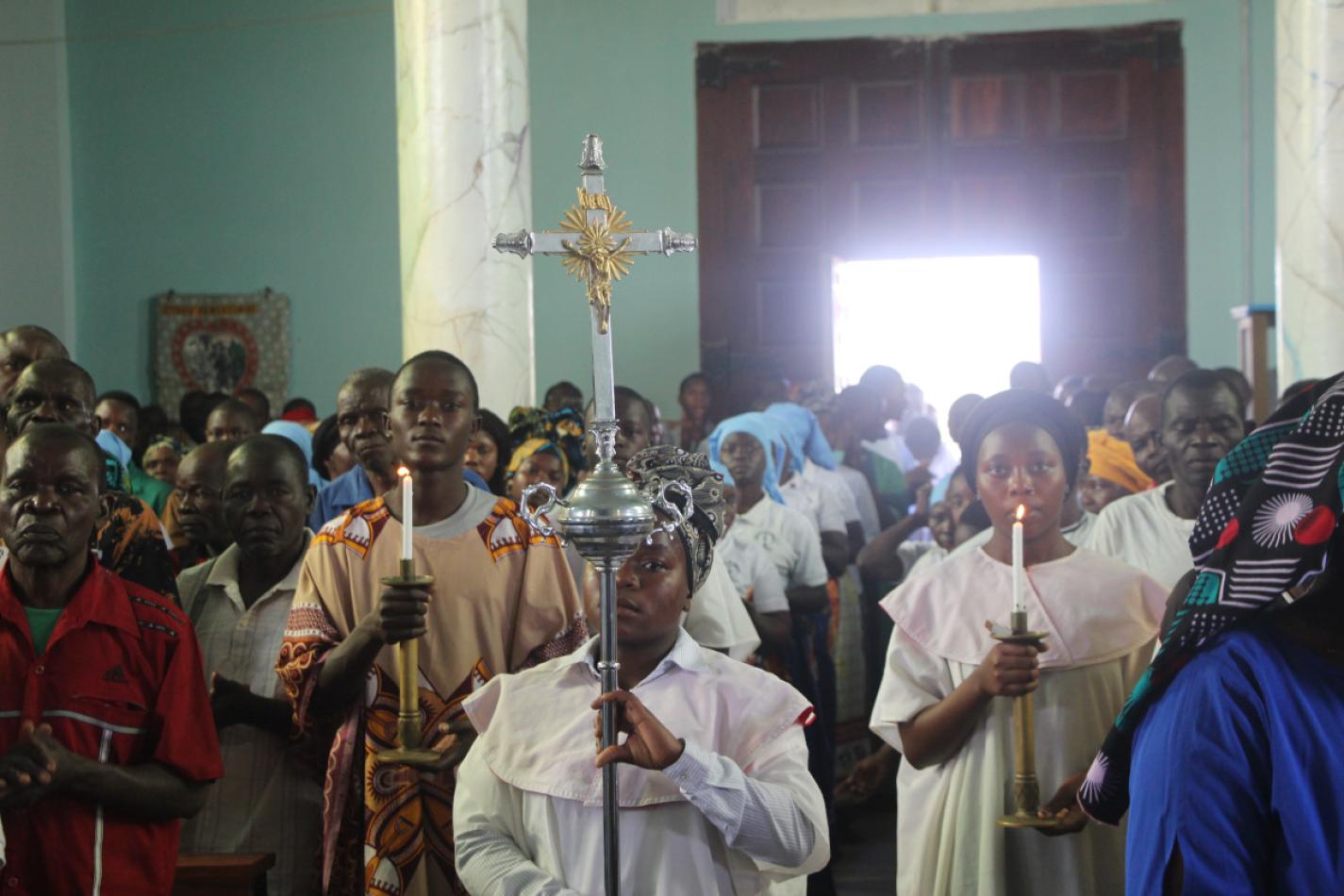
We’ve been back for almost two months now, after a very brief stop in Italy, and the mission has kept us busy with our usual activities as well as with an extraordinary event: the celebration of the 80th anniversary of the Comboni Missionaries’ presence here in Mozambique. We put a lot of effort into making this day happen and sharing it with so many people.
We’re continuing to contribute our efforts and your support in various pastoral and social areas, always striving to heed the promptings of the Holy Spirit so we can walk among the Macua people with purpose and love.
In the meantime, we send you a warm hug, and as soon as we can, we’ll send more detailed information. Have a blessed start to the Missionary Month, and thank you for continuing to remember us in your prayers. With respect and gratitude, a huge hug
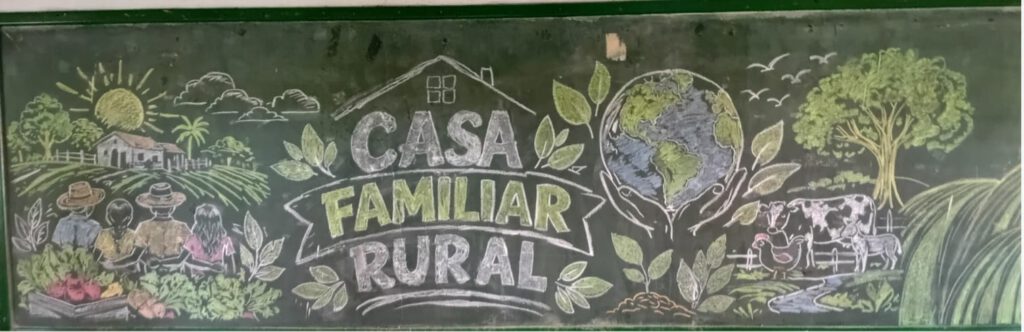
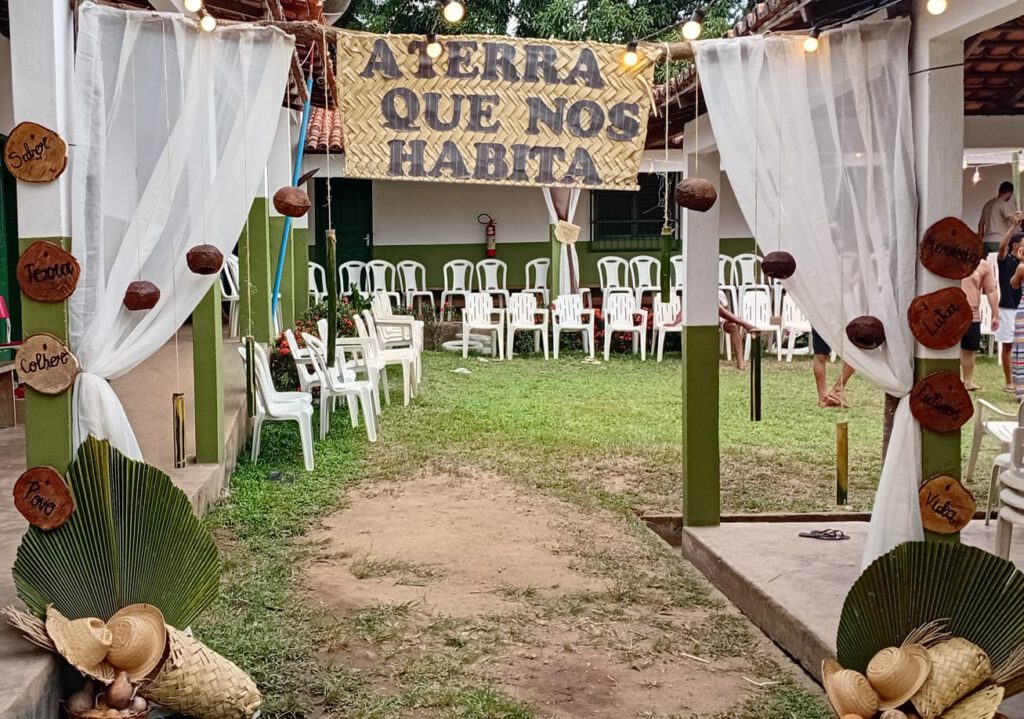
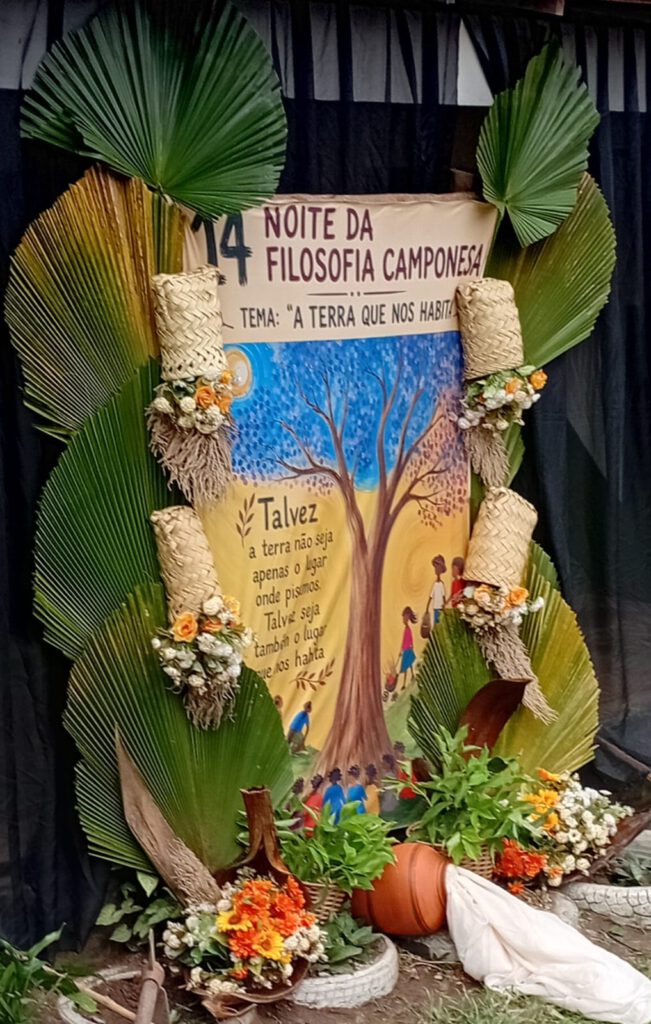
It took place on September 25, 2026, at the Rural Family School (CFR) in Piquiá, Açailândia, Maranhão. Coordinated by the Comboni Lay Missionaries, the Evening of Peasant Philosophy had the theme: THE EARTH THAT HABITS US.
All students, family members, settlement groups from the region, and guests were in attendance.
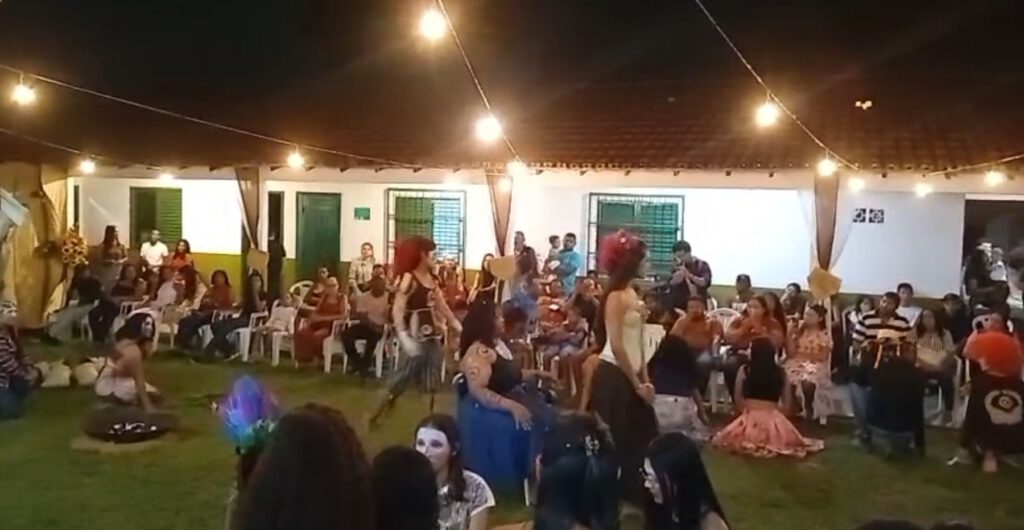
There was a profound reflection on the theme, featuring speeches, poetry, and outstanding performances by the students and groups present at the event.
Certificates were also awarded to the graduating class who completed their studies in 2025 and are now part of the workforce.
To conclude the evening, there was a lively gathering among the coordinators, students, family members, and everyone present for this great moment of reflection on Mother Earth.
The CLM Community of Piquiá consists of two couples: Xoancar and Dida, and Tito and Regimar.
About fifty young people, six days of training, talents discovered, and a meaningful experience of faith, sharing, and learning!
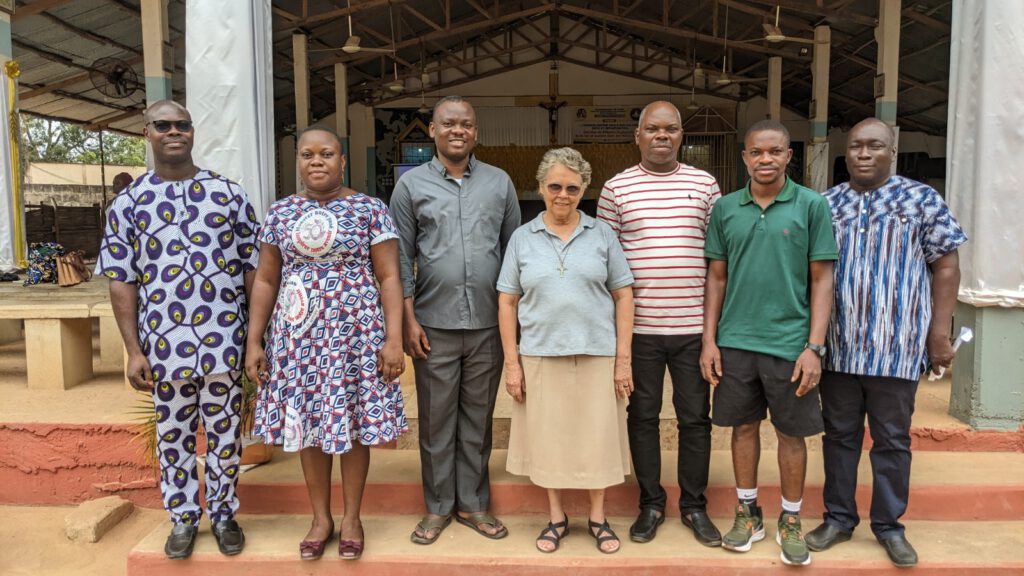
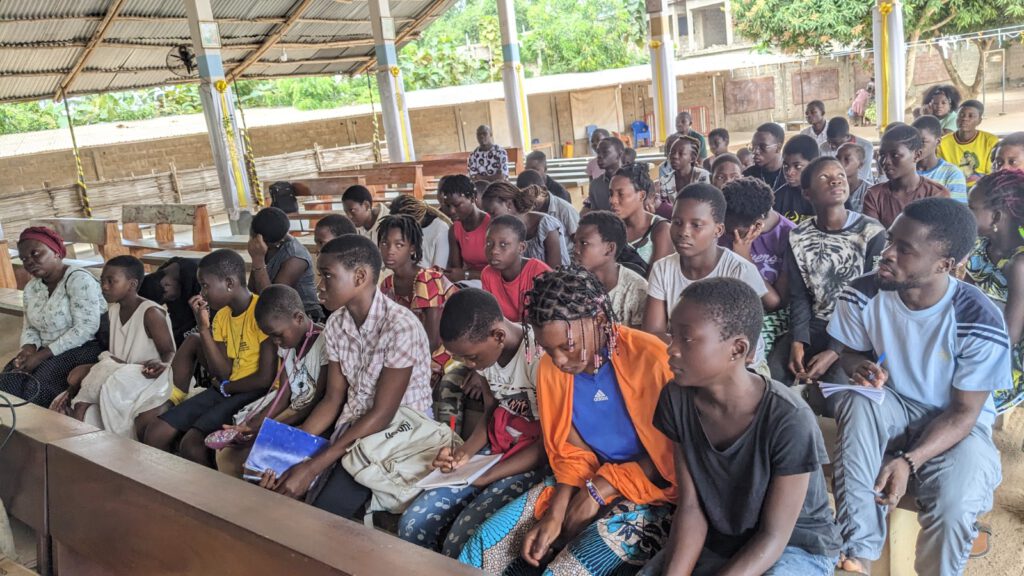
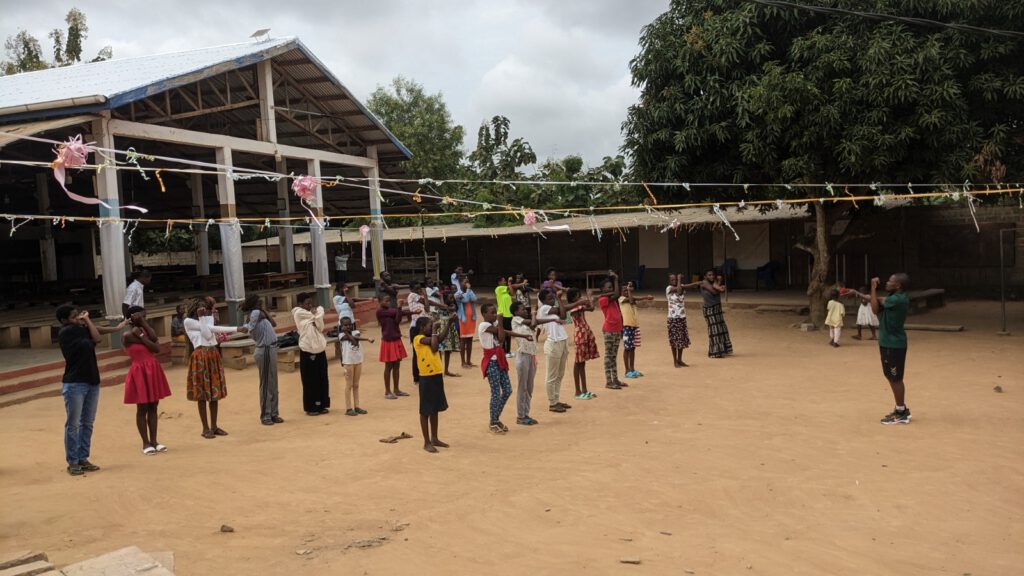
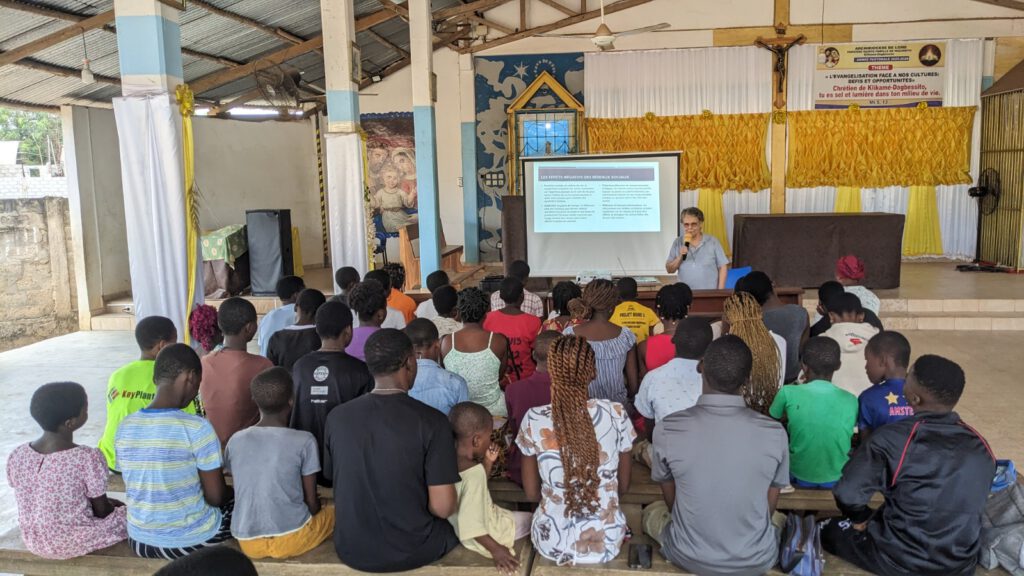
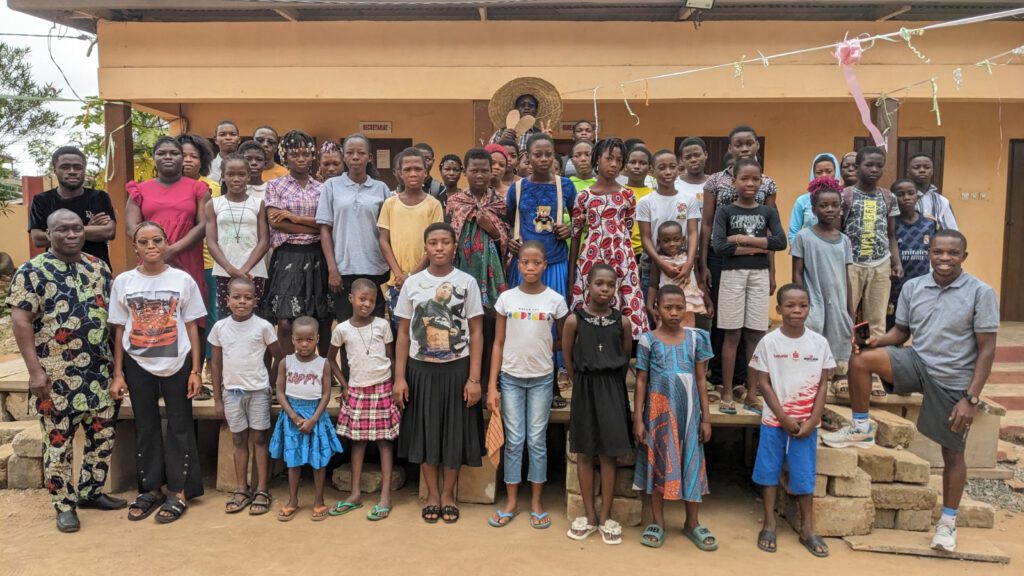
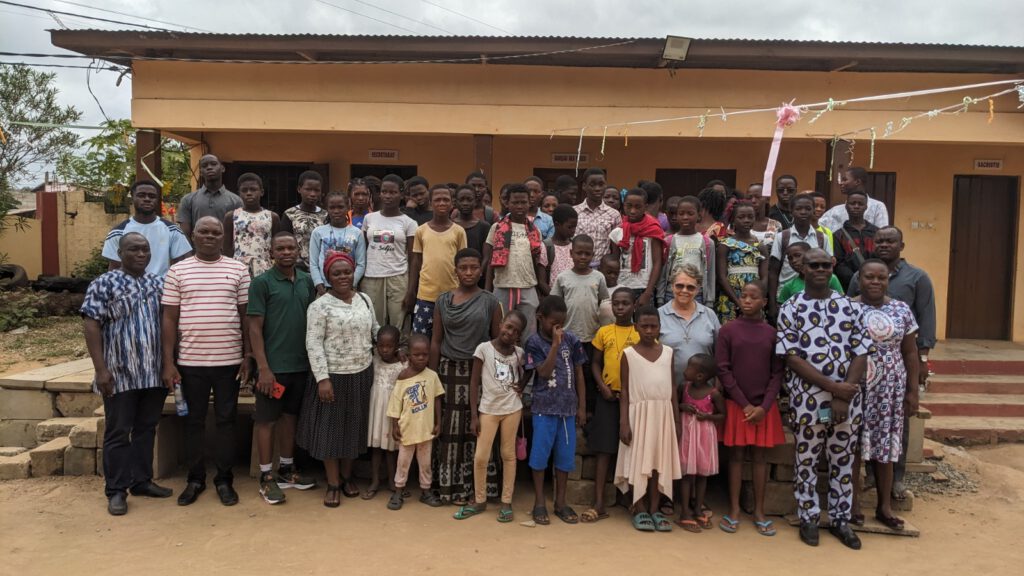
From August 10 to 15, 2026, Holy Family of Nazareth Parish in Klikamé-Dangbessito hosted the 2026 Youth Leaders Training Session, organized by the Comboni Lay Missionary Candidates of Togo (CLM) in collaboration with the Legion of Mary.
The initiative brought together about fifty young people for a program designed to support their human and spiritual development while enabling them to discover, develop, and make the most of their talents.
The session was centered on Mary, who was presented on the first day as the “Star of Youth” by Father Aubin-Ephrem Biney, parish priest.
Through the life and virtues of Mary, the young participants were encouraged to cultivate humility, patience, resilience, compassion, prayer, and a spirit of service—values that are essential for becoming responsible leaders.
Topics Addressing the Challenges Facing Young People
Throughout the session, several important topics were addressed.
Personal and Environmental Hygiene, presented by Jean-Baptiste Gnimassoun, LMC, helped raise awareness among the young participants about the importance of personal hygiene, cleanliness, and environmental protection.
21st-Century Skills, presented by Ernest Botri, LMC, helped participants discover the importance of creativity, critical thinking, communication, collaboration, and other skills needed to succeed in today’s world.
Human and Spiritual Formation
Young People, social media and Artificial Intelligence, presented by Sister Elizabeth Corte Imperial, Comboni Missionary Sister, provided an opportunity to reflect on the responsible use of digital technologies.
The session also addressed human sexuality, its different dimensions, and the risks associated with irresponsible sexual behavior, with the aim of promoting responsibility and respect for oneself and others.
A Screening of the Film “Bernadette Soubirous”
The third day featured a special cultural and spiritual activity: the screening of a film about Bernadette Soubirous.
Through the story of this young girl and her experience of faith, the participants were invited to reflect on values such as faith, perseverance, humility, and fidelity to one’s convictions.
The screening complemented the spiritual teachings of the session and provided an opportunity for reflection and sharing among the young participants.
Turning Talents into Skills
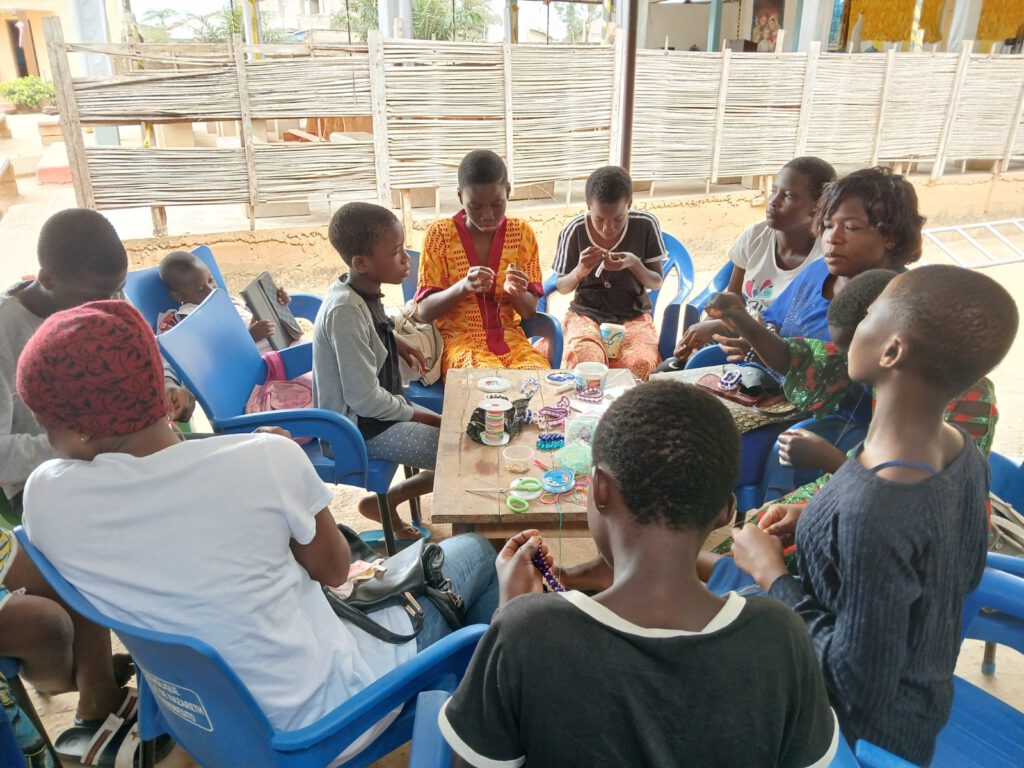
An important part of the session was devoted to practical workshops, allowing the young people to learn by doing and develop concrete skills.
Knitting: making beanies and scrunchies; Beadwork: making necklaces, bracelets, and key rings.
Shoemaking: learning about different models and patterns and making “Prince,” “Princess,” and crossed-shoe models. Cooking: preparing peanut snacks, cakes, finger foods, decorating a wedding cake, and making liquid soap.
These workshops encouraged creativity, patience, precision, self-reliance, initiative, and teamwork.
A Closing Celebration of Young People’s Talents
The session concluded with a Closing Mass, followed by an exhibition and sale of products made by the young participants.
The exhibition gave participants an opportunity to showcase their creations and demonstrate how a talent can be discovered, developed, and transformed into a useful skill.
Through this session, the organizers sought to remind everyone that young people are not only the future: they are a vital force in the present, capable of actively contributing to the transformation of society.
“Young People, Talents for Mary”: Discover, develop, value, and serve!
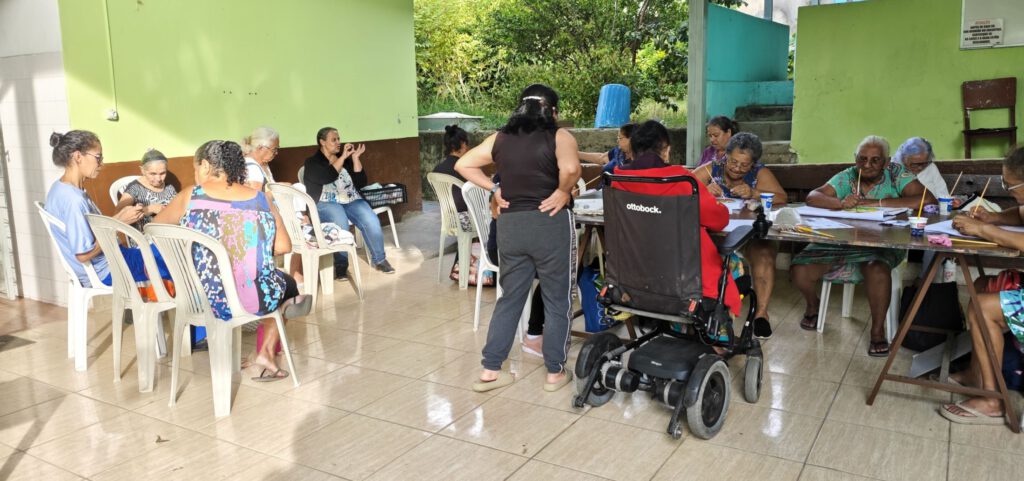
We are happy to share with you that we have just celebrated our 6-month anniversary in Brazil; it has been a challenge to settle back in and readjust. Thank God we’ve been able to get started with various activities and projects, since a helping hand is always welcome.
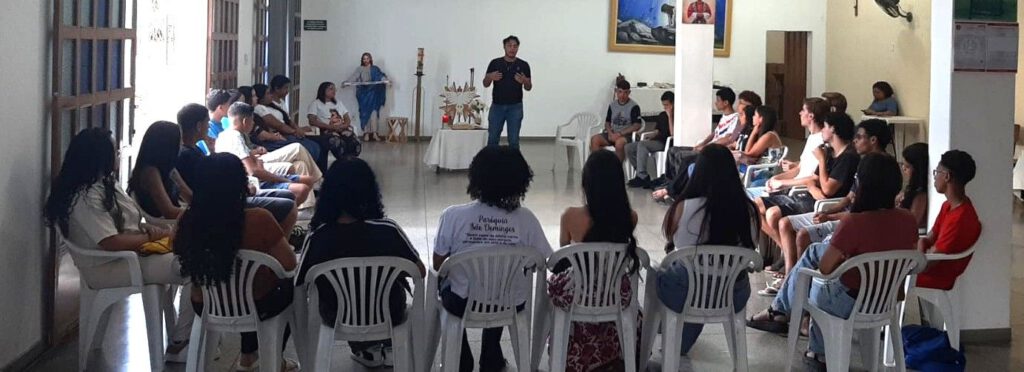
We’re working pastorally with two communities, trying to encourage them to grow little by little and to get more people involved in the work. We’re also supporting prison ministry, working with ministers of the Word, and providing catechumenate instruction, among other things.
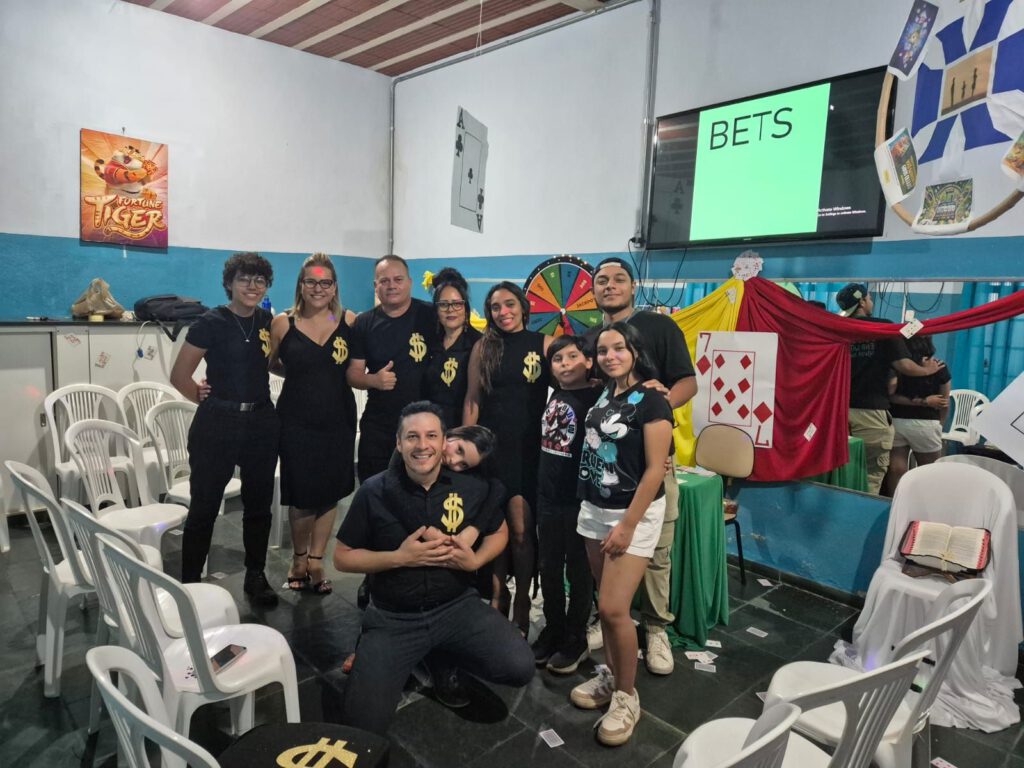
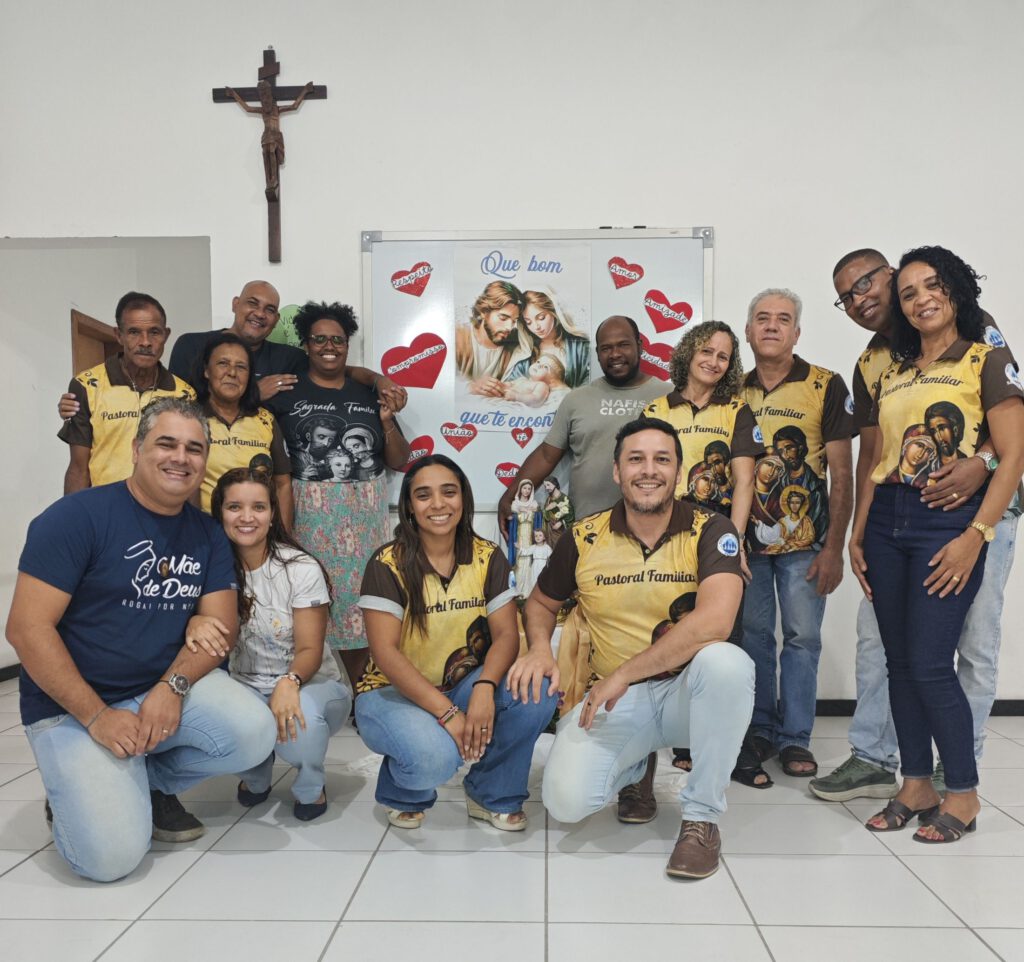
We have carried out various activities, including family ministry with married couples, catechizing engaged couples preparing for marriage, and participating in an evangelization and awareness-raising event focused on the BETS theme. This initiative brought to light many cases of gambling abuse in the area and raises the question: What must we do as Christians to prevent this in our society?
We have also been working to identify and implement projects that can support the development of children, youth, and adults in the region. With great joy, we launched several language courses at the Comboni House—including English, Spanish, and French—as well as at the Ype Amarelo Association. It encourages us to see that there are young people and adults interested in acquiring new knowledge and skills that can help them secure better job opportunities and fulfill their dreams at the same time.
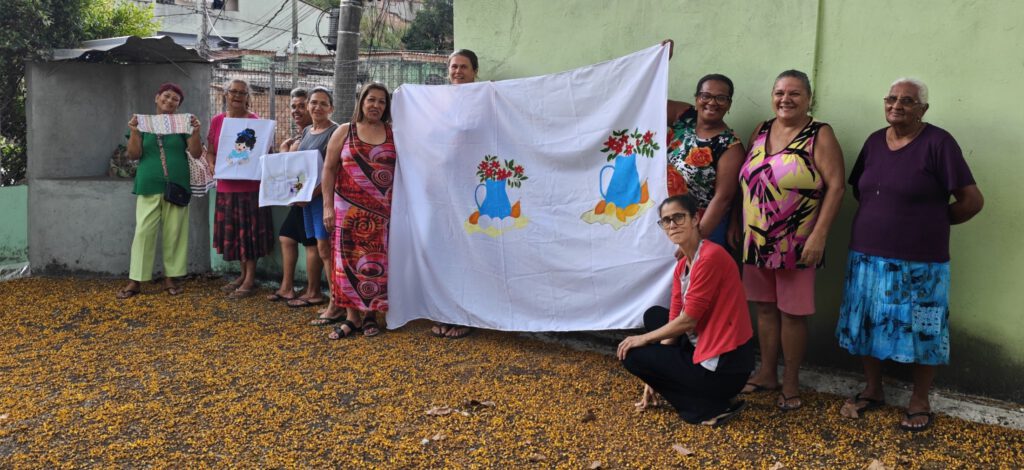
We continue with the training and therapy group for women, focused on evangelization, self-help topics, and crafts. We hope to start courses in drawing and painting, as well as monthly talks to inform and raise awareness about drug use and violence against women.
The peripheries always speak of a marginalization that shifts its focus over time—a neglect that affects new generations, especially today in the areas of education and family unity.
We ask for your prayers so that we may do God’s will and help those in need of comfort amid so much sadness and uncertainty.
May St. Daniel Comboni continue to intercede for the missionary work that all of us in the CLM carry out as one great community, and may everything be for the glory of God and the salvation of souls.
A fraternal embrace.
Alejandro and Ana Cris
CLM of Guatemala in Brazil
Este sitio web utiliza cookies para mejorar su experiencia. Si continúa navegando consideramos que acepta el uso de cookies, pero puede optar por lo contrario si lo desea.
This website uses cookies to improve your experience. If you continue to browse we consider you accept the use of cookies, but you can opt-out if you wish. Acepto Puede obtener más información - You may have more information here
Politica y privacidad de Cookies - Privacy & Cookies Policy
Privacy Overview
This website uses cookies to improve your experience while you navigate through the website. Out of these, the cookies that are categorized as necessary are stored on your browser as they are essential for the working of basic functionalities of the website. We also use third-party cookies that help us analyze and understand how you use this website. These cookies will be stored in your browser only with your consent. You also have the option to opt-out of these cookies. But opting out of some of these cookies may affect your browsing experience.
Necessary cookies are absolutely essential for the website to function properly. This category only includes cookies that ensures basic functionalities and security features of the website. These cookies do not store any personal information.
Any cookies that may not be particularly necessary for the website to function and is used specifically to collect user personal data via analytics, ads, other embedded contents are termed as non-necessary cookies. It is mandatory to procure user consent prior to running these cookies on your website.