Comboni Lay Missionaries

Message of the General Council for the Solemnity of the Sacred Heart of Jesus

Sagrado Corazón

Rome, 12 June 2026 – Solemnity of the Sacred Heart of Jesus

Dear confrères,

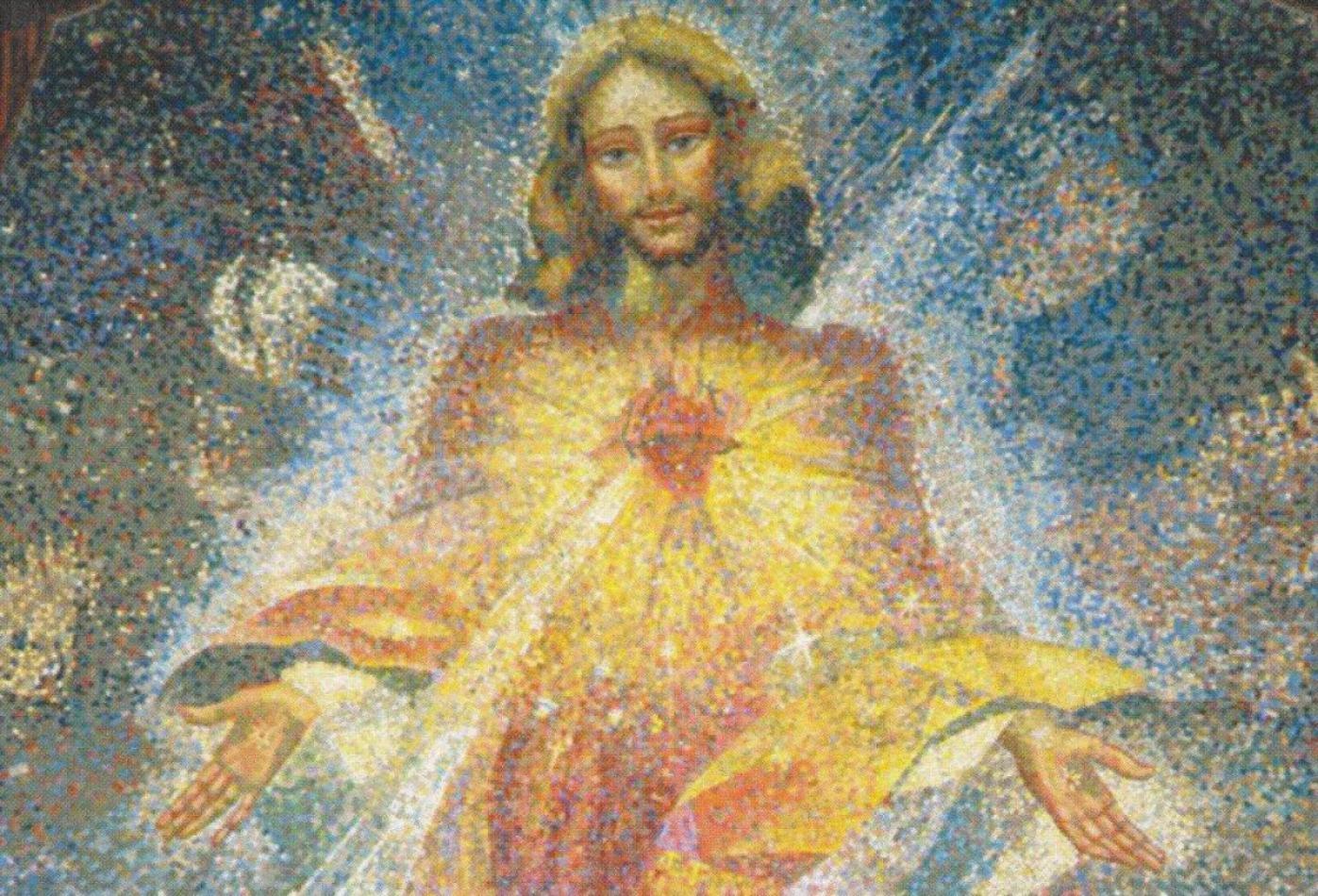
On the Solemnity of the Sacred Heart of Jesus, we are invited to return to the source of our vocation and mission. By contemplating the pierced Heart of the Good Shepherd, we recognise God’s immeasurable love for humanity: a love that becomes closeness, compassion, mercy, and the total gift of self.
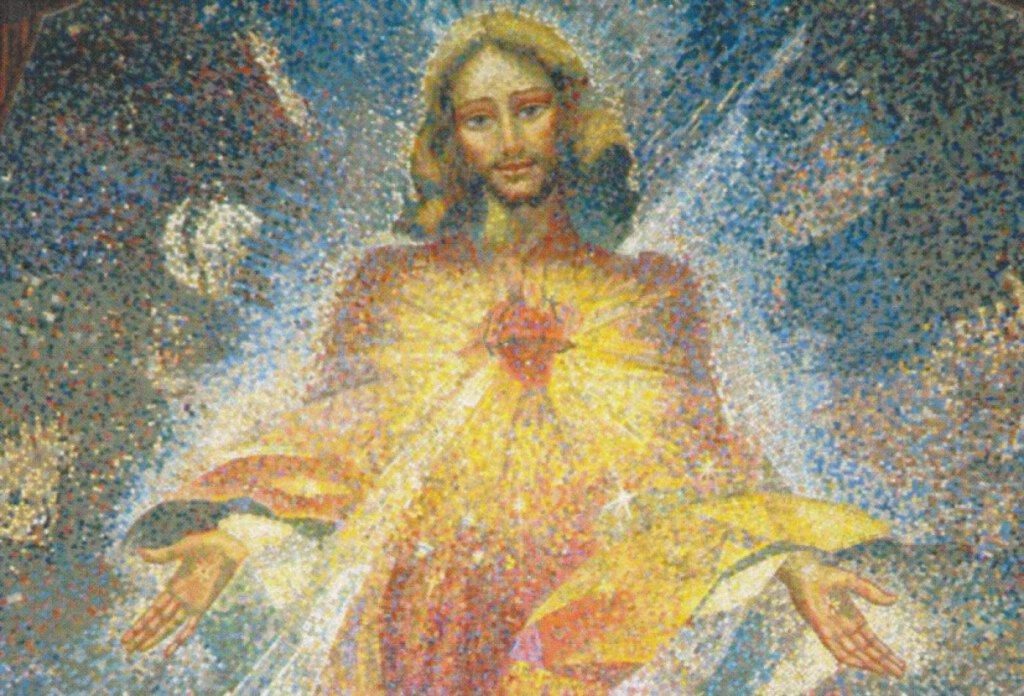
The Heart of Jesus is not merely a symbol of our faith; it is the place where we learn God’s way of loving and the criterion by which we discern our missionary life. In it, we discover a love that excludes no one, that allows itself to be wounded by the suffering of the world, and that continues to seek those who are lost, forgotten, or cast aside.

Saint Daniel Comboni found in the Heart of Christ the secret of his missionary passion. From that contemplation was born his love for the most abandoned peoples and his ability to share their history until he truly felt them to be his brothers and sisters. For us too, “sons” of so great an Apostle of Africa, mission finds its origin and renewal in allowing ourselves to be shaped by the Heart of Jesus, so that our outlook, our choices, and our relationships may increasingly reflect his sentiments.

Pope Francis reminded us that “the Heart of Christ, which symbolises his personal centre from which his love for us flows, is the living core of the first proclamation” (Dilexit Nos, 32). Only by remaining united to this centre can we prevent mission from being reduced to efficiency, organisation, or mere activity. Before being workers, we are disciples; before speaking about Christ, we are called to allow ourselves to be transformed by his love.

We live in a world marked by deep wounds. Wars, violence, inequalities, forced migrations, and both old and new forms of poverty continue to affect millions of people. Many men and women seek hope, a listening ear, and dignity; many young people search for a future; numerous communities live in situations of fragility and uncertainty. Faced with these realities, the temptation of indifference or resignation is always lurking.

The Heart of Christ, however, calls us to courageous closeness. It invites us not to pass by, not to shut ourselves within our securities, but to share the lives of the peoples to whom we are sent. Mission is born precisely from this movement of the heart: going out of ourselves to encounter the other, recognising him or her as a brother or sister loved by God. By giving priority to the least, the most marginalised, and the poorest, to the point of longing, in the words of Daniel Comboni, to hold in our arms and give a kiss of peace and love to those unfortunate brothers and sisters of ours (cf. Writings, 2742). Yes, as Comboni missionaries, we are called to be a sign of this love that welcomes and reconciles, that creates fraternity and generates hope on the peripheries of the world.

Our presence in the various Churches and among the different peoples of the world gains credibility when it becomes a witness of communion, especially within our international and intercultural communities. The diversity of our origins is not an obstacle to mission but one of its most eloquent signs: the Gospel can unite what the world so often divides.

On this feast, therefore, let us ask for the grace of a missionary heart, capable of compassion, listening, and closeness; a heart free from every form of closure and willing to be troubled by the sufferings of the poorest and most abandoned; a heart able to recognise the presence of God in the human and existential peripheries of our time.

We entrust to the Sacred Heart of Jesus our Institute, the communities in which we live, the peoples whom we serve, and all those whom we carry in prayer and in our daily work. May this Heart renew within us the joy of the Gospel, rekindle the fire of mission, and make us credible witnesses of his love in the world.

With fraternal affection, we wish you a holy and joyful Feast.

The MCCJ General Council
African Day 2026

Día de África

We’d like to share with you this conversation organized by AMANI, a Spanish NGO that collaborates with the CLM, featuring the coordinator of the Central Committee of the Comboni Lay Missionaries.

In this video, he shares a glimpse of Africa—particularly from the perspective of the LMC present on the continent—covering some history, dreams, and the commitment to remain faithful to the missionary vocation inspired by St. Daniel Comboni. (Video in Spanish)


May God bless you!

I have just completed my Community Experience.

It was a special time, a gift from God, to deepen and enrich my relationship with God and with others.

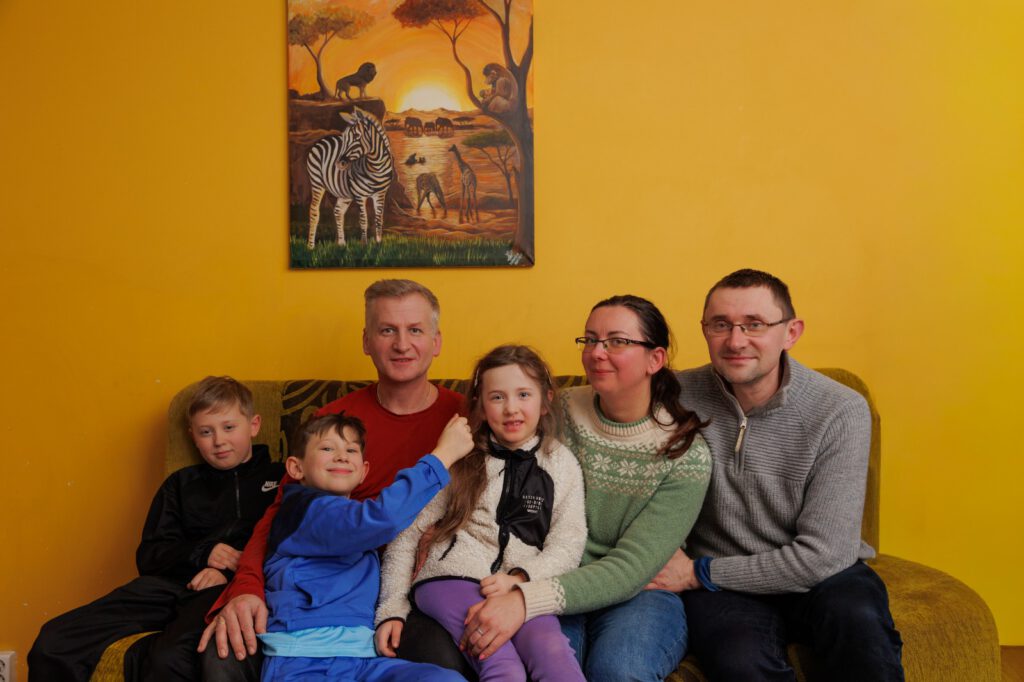
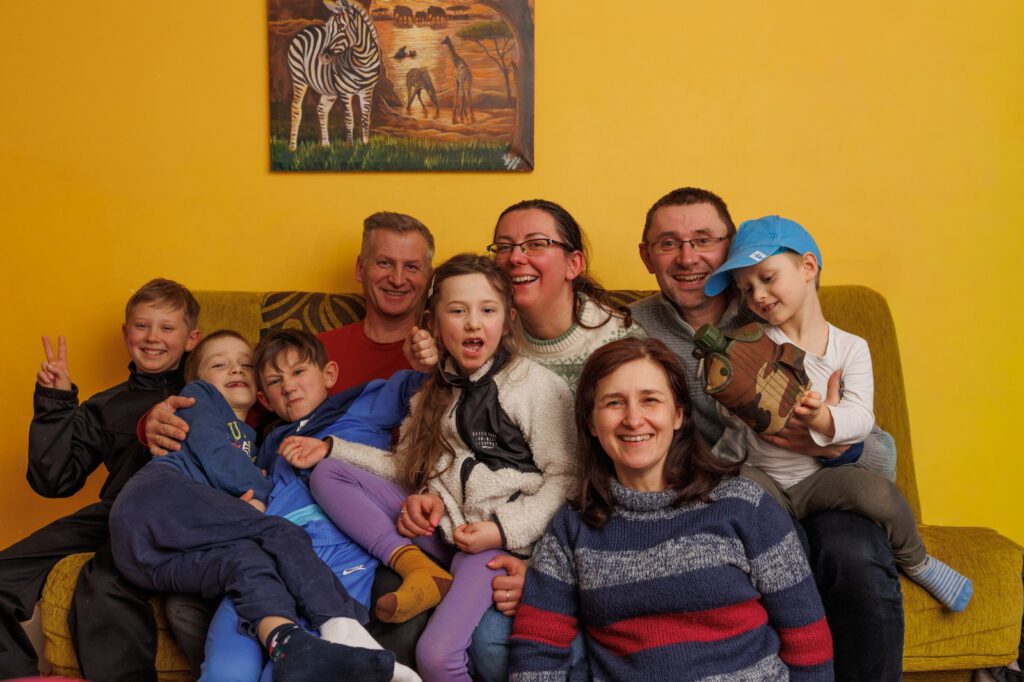
I am especially grateful to Edyta and Stanisław’s family, as well as their three children, with whom I spent these past few months. They opened their home and their generous hearts to me.

I warmly thank them for their kindness and understanding.

I also thank the Comboni Brothers and Fathers, as well as all the Comboni Lay Missionaries, for every gesture, every piece of good advice, every spiritual accompaniment, every meeting, formation session, presentation, and catechesis on Daniel Comboni, and for all the good they have done for me and continue to do.

During this Community Experience, I was also able to participate in the Ignatian spiritual retreat in silence and in numerous religious events. I also visited the tomb of the Servant of God Helenka Kmieć, whom I chose as the patron saint of my missionary ministry at the beginning of the Community Experience.

I thank you all for your prayers and ask you to continue praying for me, as my departure for Africa is scheduled in a few weeks.

Warm regards,

With my prayers,

Leszek, LMC Poland

Walking with the People of Carapira: Together for a Future of Hope

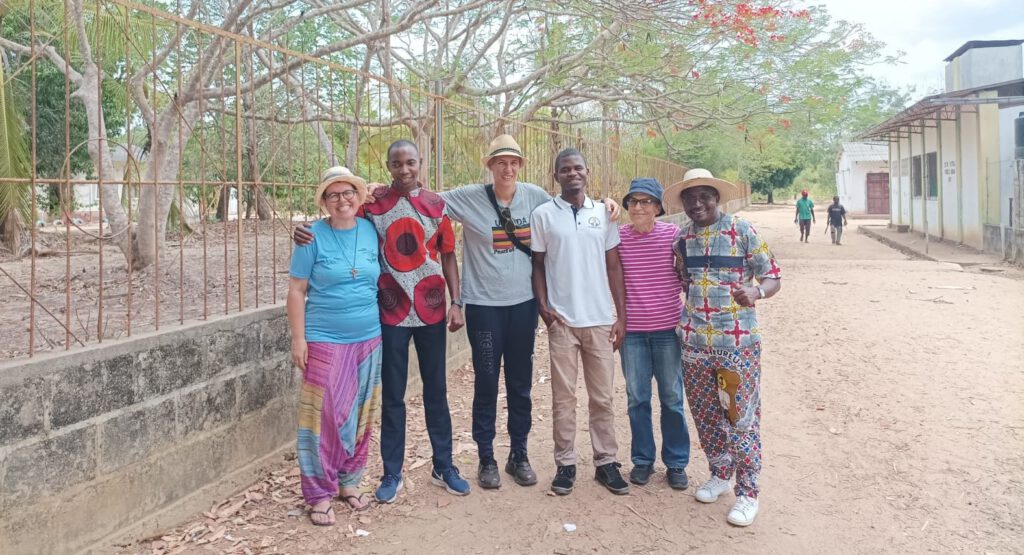
We are writing to you from northern Mozambique to share the joys and challenges of our missionary work, made possible by your prayers and your ongoing, invaluable support. We are focusing our efforts on development projects in various fields: literacy, training for mothers and young people, self-sufficiency, and economic development. Maria Augusta leads the work with elementary school students who have serious difficulties with reading and writing. Twice a day, she works primarily with young girls who, for a couple of hours, learn and reinforce what they cannot manage to do in three hours of school in a class of one hundred students. Ilaria focuses on economic education, an important aspect in a cultural context that does not know the concept of saving and where the tradition is to spend immediately what one earns; a work of patience, knowing that the hoped-for results cannot be achieved in the short term. Federica focuses on the education of young people because they are the future of this country. While until recently they were the ones setting fires in the savanna and blocking roads due to political dissatisfaction, today we work with them to instill values such as peace, environmental stewardship, and the ability to think creatively and plan for a better future.

The challenges we face are quite daunting: poverty and the destruction caused by a cyclone, as happened recently, cannot be wiped away with a quick sweep of a sponge, but we believe that building on people and with people can yield positive results. That is why we strive every day to work toward transforming people’s lives through practical training and education. At the Carapira secondary school, we also offer intensive formation in human and Gospel values; the curriculum includes both theoretical and hands-on components. Furthermore, we strive to ensure that these 250 students, who live far from their respective communities, do not miss out on catechetical formation.

We do this every Friday, walking with them on an annual journey enriched by retreats and outings that bring them into contact with real-life experiences. We are also happy to participate in the dynamic life of Carapira’s 99 communities; the parish includes, in addition to the center, five regions and 21 pastoral zones. Our goal is to help people become as self-reliant as possible in managing their own lives. We are firmly convinced that simply giving things or money does not solve problems. Of course, practical help is also needed, but if it is not supported by training and a journey of awareness, it makes people dependent. With all our hearts, we try not to create injustices in a country that has already seen so many, and to share our daily lives with them. The context is difficult: corruption and discrimination of every kind, and few job opportunities.

All this stands in contrast to the country’s abundant natural resources, which, instead of being a source of wealth for Mozambique, become the focus of interest for foreign countries, including Italy. In Nampula, an hour away from us, there are still refugee camps housing those who have fled the Islamist terrorism still ongoing in Cabo Delgado. This violence is driven not so much by religious motives as by the desire to control the territory. We engage in our local context based on communal discernment. And the resilience of our people encourages us to continue doing so. We are currently supporting a project to combat malnutrition by helping 40 mothers care for their young children, who would otherwise risk dying from lack of food. We have also planned to renovate the kitchen at the secondary school, which is in a state of great disrepair, largely due to years of smoke damage. This deterioration has an impact on the health of the students and school staff. We are grateful to all those who contribute to our work, both morally and materially. In this way, you share in the work of witness and love that helps us transform our lives and those of the people who have welcomed us. Muito obrigada (thank you in Portuguese)!

Koxukhuru vanjene (thank you very much, in the Macua language)!

Federica and Ilaria – LMC in Mozambique

[Nigrizia Magazine, April 2026]