
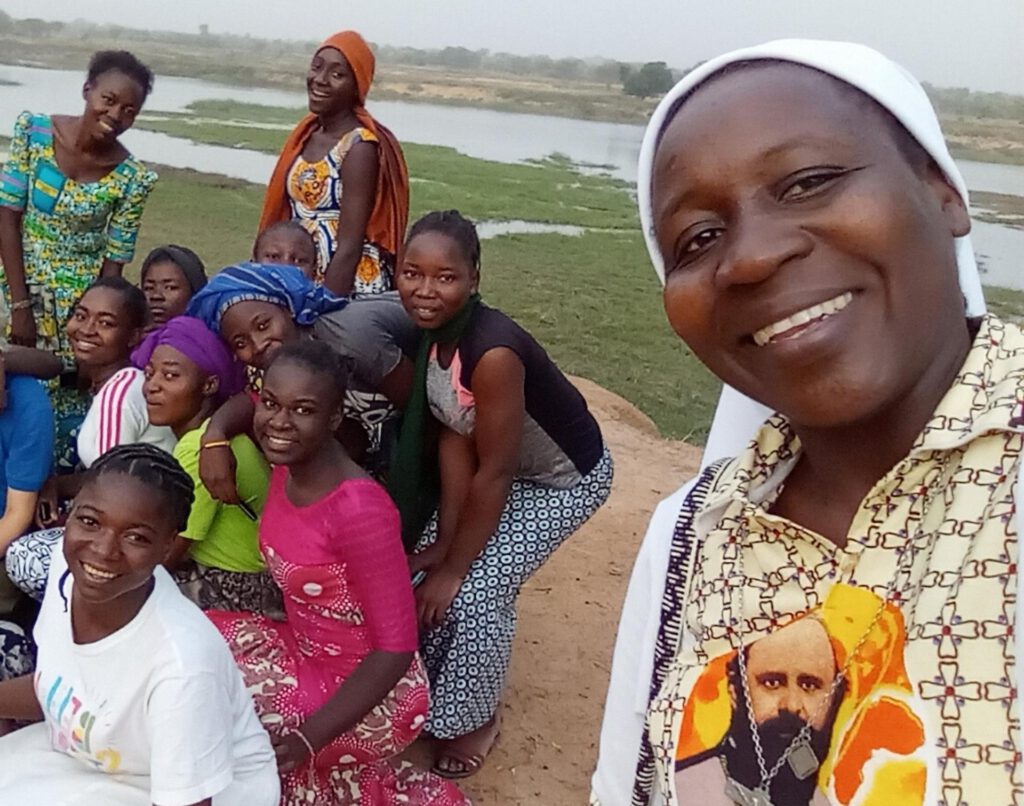
We were born from Saint Daniel Comboni’s great dream, from an ideal that fills our hearts. Comboni left us an inheritance that is grace and responsibility, gift and achievement. He saw in our identity as missionary women the image of the women of the Gospel; indeed, he wrote in one of his letters: “If I did not have so many occupations, I would like to give you an idea of the apostolate of these sisters, the true image of the ancient women of the Gospel” (E. 3554).
Since then, the witness of Mary Magdalene, the Myrrh-bearers, the Samaritan woman, the woman who kneads bread, the barren women made fertile, together with that of the other disciples of Jesus, inspires our path and our missionary dedication as Comboni sisters.
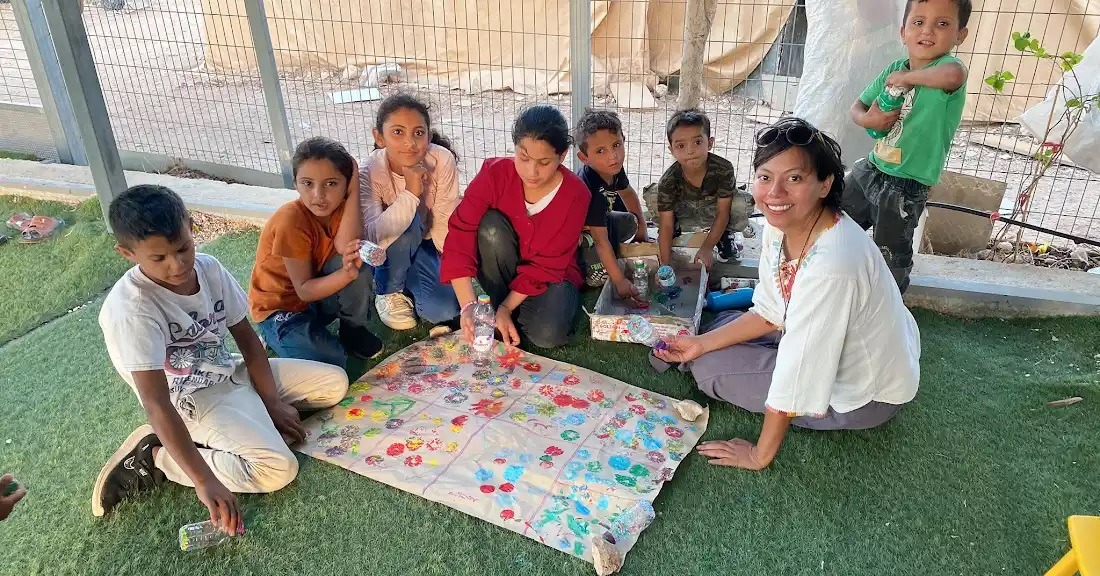
Like Mary Magdalene, Mary the mother of James, and Salome, who prepare perfumes and, moved by Love, go to the tomb to anoint the Master’s body, like these three women—a small community like many of our communities—we feel encouraged to set out when it is still dark, with eyes and ears attentive to the groans of humanity and the cosmos, to care for the most wounded life, for all forms of life and even for death; to perform gestures that seem meaningless; to care for what other people have abandoned; to recognise the signs of rebirth present in history and to be generative ourselves; to be lovers of Life and to have the courage and docility to penetrate the Mystery and allow ourselves to be transformed by It.
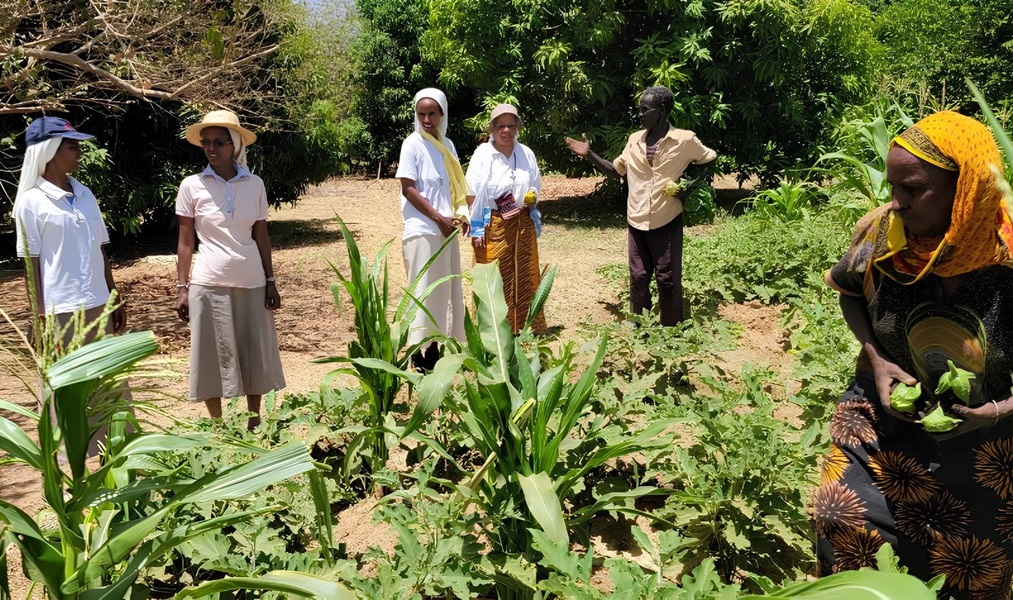
Many of us know arid lands, apparently lifeless, but experience tells us that even the desert carries within it a generative potential, just as the barren women of the Bible hold within themselves a fertility that no one can take from them. It is precisely in geographical and existential deserts that we proclaim the Source of living water. Often the realities to which we are sent appear as barren wombs, made so by exploitation and violence suffered, yet they are open to welcome us in the hope of rebirth.
Our mission is to be bread, nourishment, and joy; an existence given to alleviate human suffering, to live through sharing and mobilise authentic and humanising relationships. The woman in the parable combines flour, water, and yeast; our hands mix our knowledge with the knowledge of the peoples to whom we are sent. We knead the bread of existence in synergy with the forces of other women and men, of religious and civil organisations, to build relationships that are common and supportive.
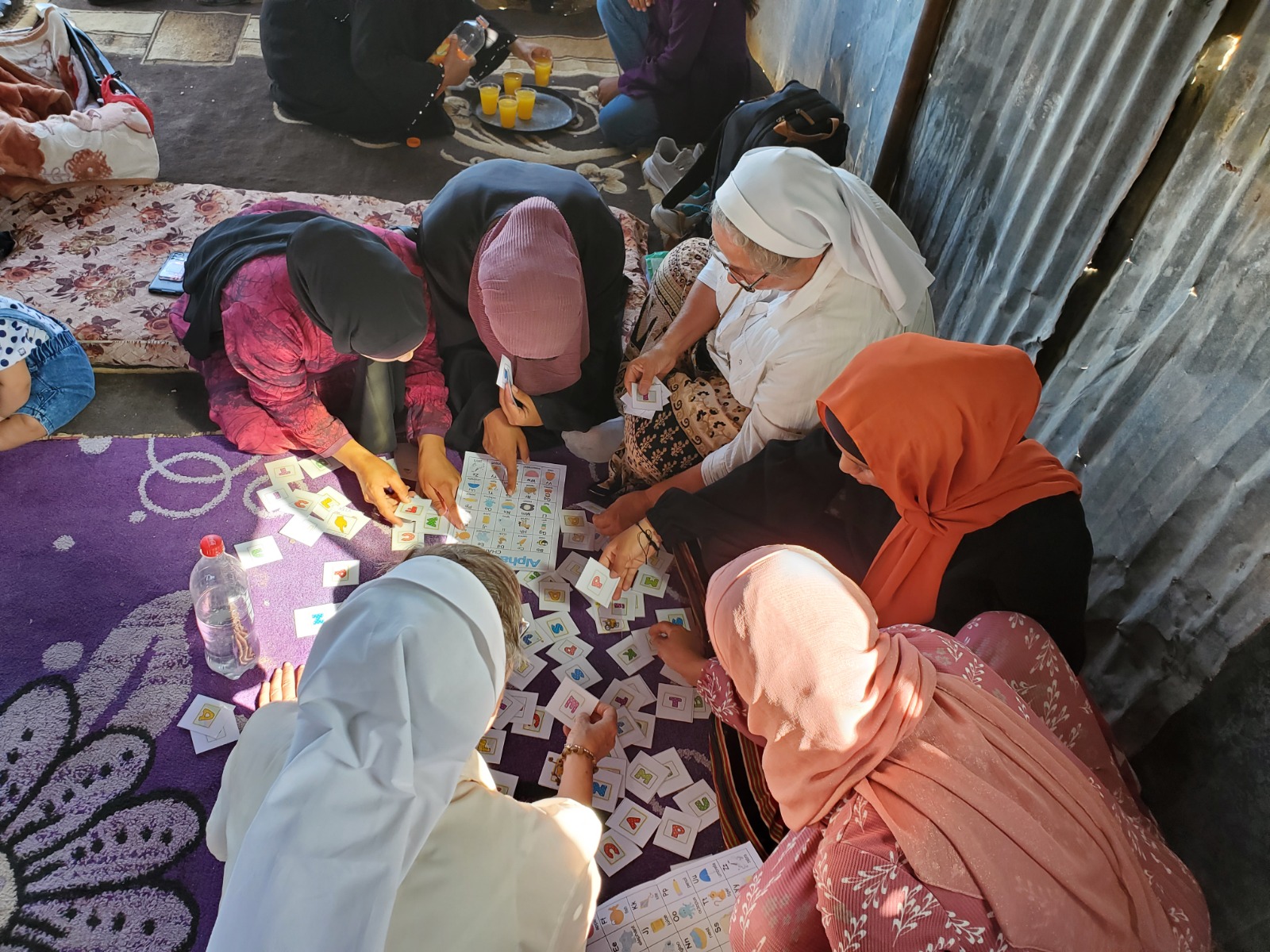
The paths travelled are many: deserts and forests, peripheries and frontiers, poor roads, rivers and tarmac, villages and cities. We express ourselves through different ministries but with a single desire: to care for life, for that which is impoverished and exploited, which includes human bodies but also the body-territories of the earth, water, and forests, equally impoverished and exploited. Care is a path of reciprocity because as we care we feel cared for, and also because when one being is violated, the entire web of life suffers. Care is a communal and political act. It is tenderness but also transgression against a dominant system.
The unnamed woman who dialogues with Jesus, the Samaritan woman, reminds us of the capacity to go beyond one’s own limits and boundaries, to establish relationships in which power circulates, to recognise ourselves as capable of leaving our own securities and convictions to launch ourselves towards unprecedented paths. The Samaritan woman and the Jewish man who meets her at the well speak to us of the possible encounter between different ethnic groups and the overcoming of prejudices that separate men and women. Their dialogue moves from the material to the spiritual sphere, as often happens in mission when, from satisfying primary needs, one arrives, with humility, to speak of the Mystery, to witness to the God-Presence who breaks every scheme in which we try to confine Him.
“Wisdom cries out in the streets, in the squares she raises her voice“; Jesus proclaims in the streets and inside homes; Comboni ventures into courts and deserts. Nourished by a feminine, biblical, and mystical-political spirituality, our steps follow in their footsteps, proclaimers of relationships of mutuality, of a humanity reconciled with itself and with all creation.


