
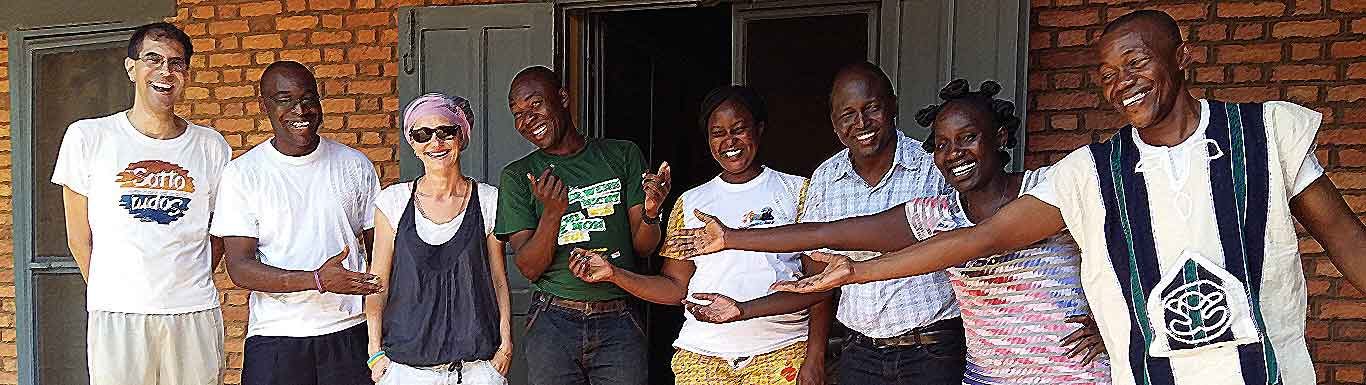
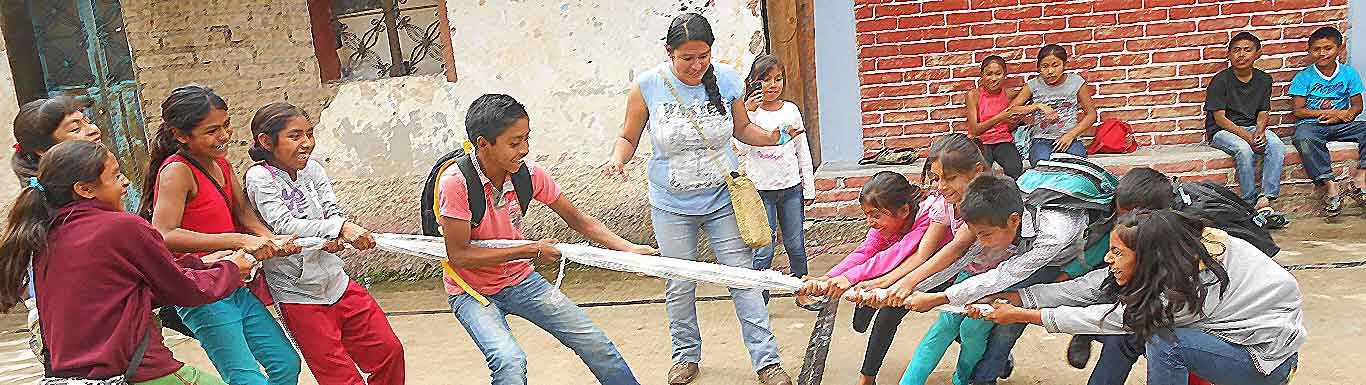
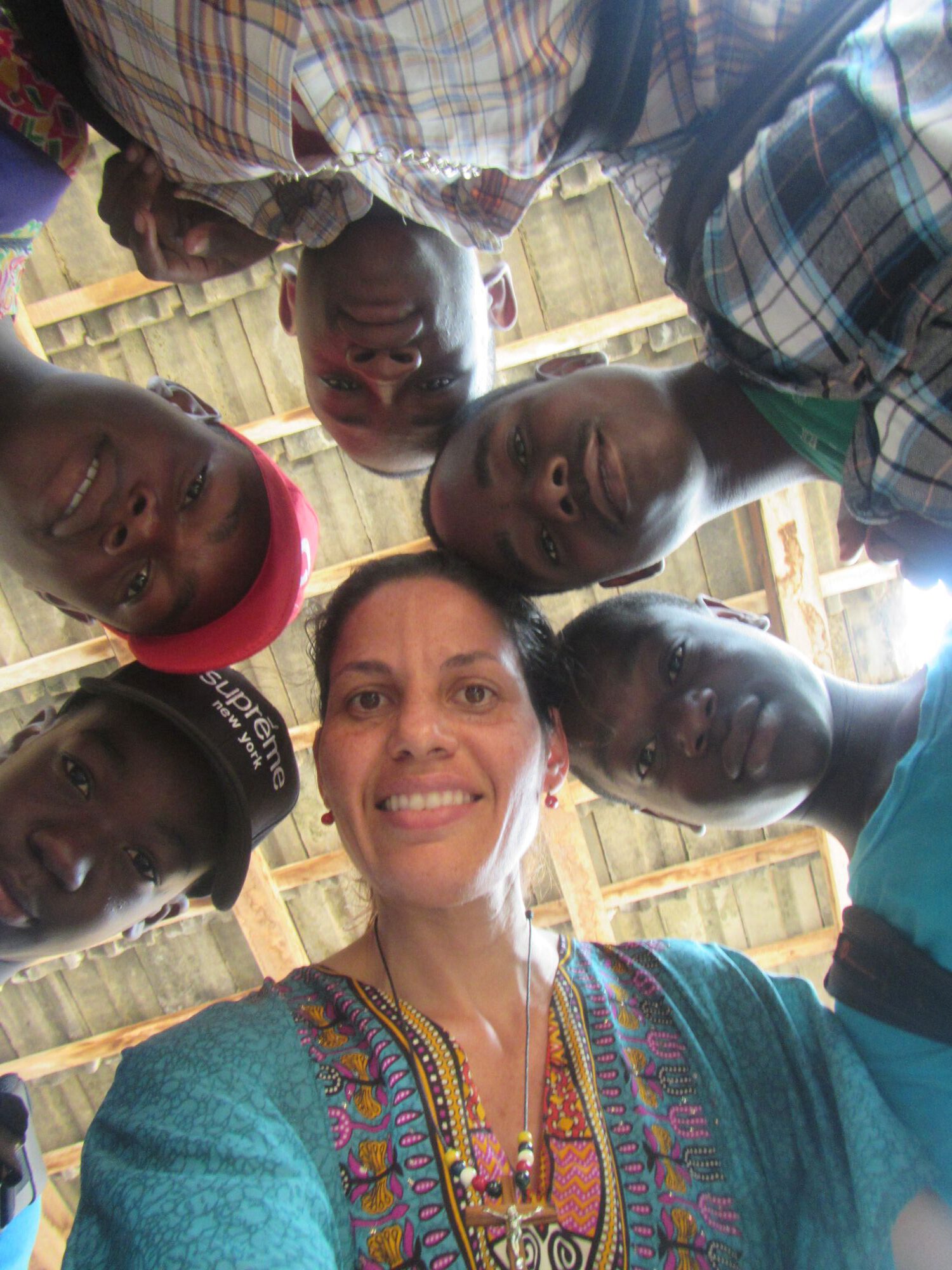
From the beginning of his mission, Saint Daniel Comboni brought with him lay people who could add value to his dream in Africa, share their professions, and thus help communities in need of development.
According to him, lay missionaries “contribute to our apostolate more than priests contribute to conversion, because black pupils and neophytes are with them for quite a long period. By example and word, they are true apostles for the pupils, who observe and listen to them more than they can observe and listen to priests” (S 5831).
And not only missionaries—he believed that the formation of lay men and women constituted a central element of his way of doing mission; he insisted on saving Africa with Africa: “All my efforts are directed towards strengthening these two missions where we prepare good indigenous people from the central tribes so that they become apostles of faith and civilisation in their homeland” (S 3293); “I have succeeded in forming competent black teachers and catechists, as well as cobblers, masons, carpenters, etc., and in supplying the stations of Khartoum and Cordofan. The indigenous people thus trained are indispensable for the existence of a mission” (S 3409).
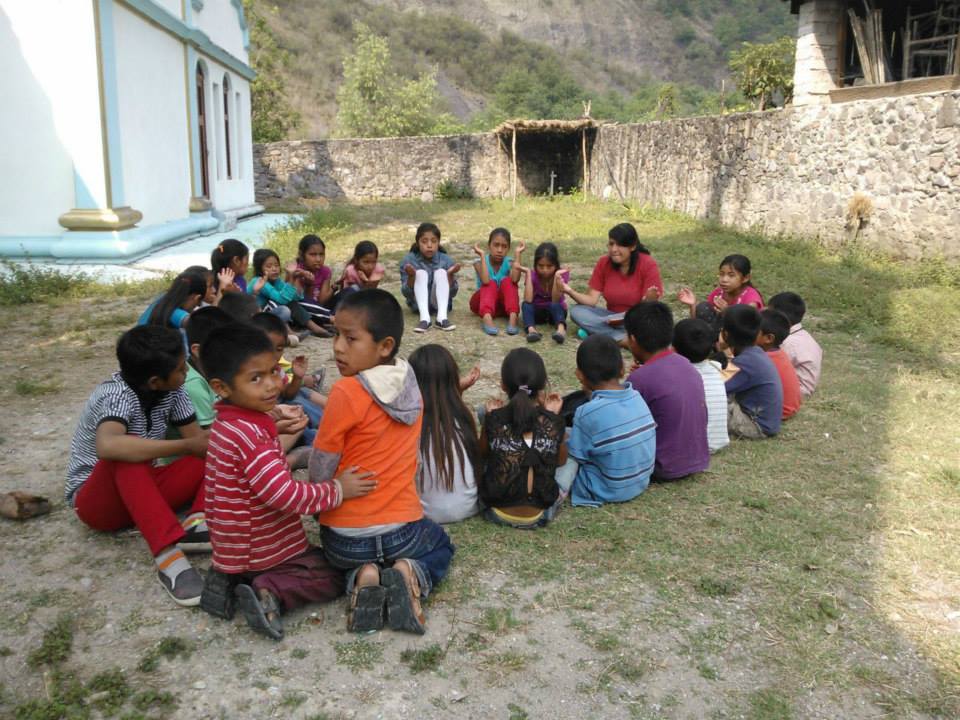
In the light of this charism, many lay men and women who accompanied religious in missionary awareness in their countries also asked to be missionaries and to go with this vocation to other countries. Thus, at the end of the 1980s, the groups of Comboni Lay Missionaries were born groups of lay people ready to put their professional skills and their lives at the service of mission.
Comboni wanted us to be Holy and Capable, so our commitment as Christian women and men is to be able to share our life of faith and our professional experience with those who need it most.
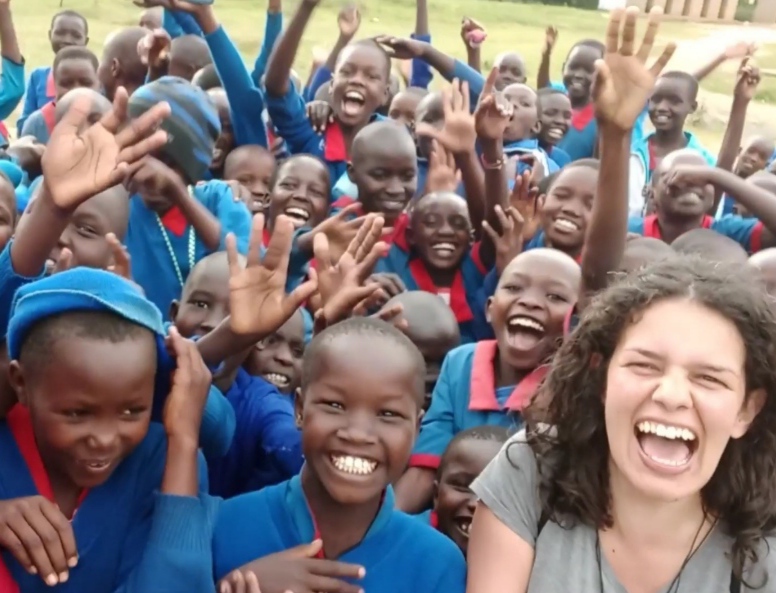
Currently we are present in 21 countries in Europe, America, and Africa. We collaborate both in international communities, where CLMs from different countries come together to have a common missionary presence and to share our lives with needy communities in the peripheries of cities or in rural areas where many are forgotten, and in our countries of origin where, as lay men and women inserted into society, we try to propose an alternative and supportive lifestyle with those excluded from this world.
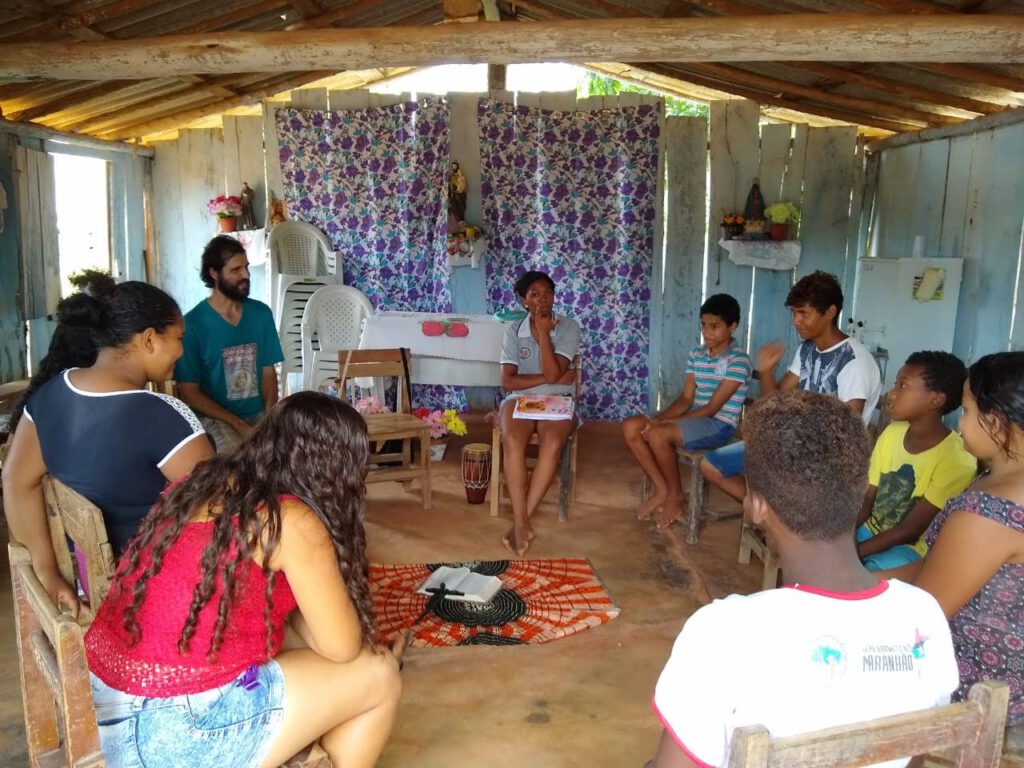
By way of example, we could tell you how important it is to offer training in ecological agriculture in north-eastern Brazil, to accompany and train communities to confront large estates and extractive mining companies.
Likewise in the Central African Republic, where we also accompany the Pygmy-Aka population in their camps with integration schools and seek to ensure that their rights are recognised as first-class citizens in a society that seeks to relegate them.
In Mozambique, where we also deal with vocational training for young people from rural communities, giving them qualifications that allow them to enter the labour market, or accompanying the countless parish communities living in the interior, where almost nothing arrives.
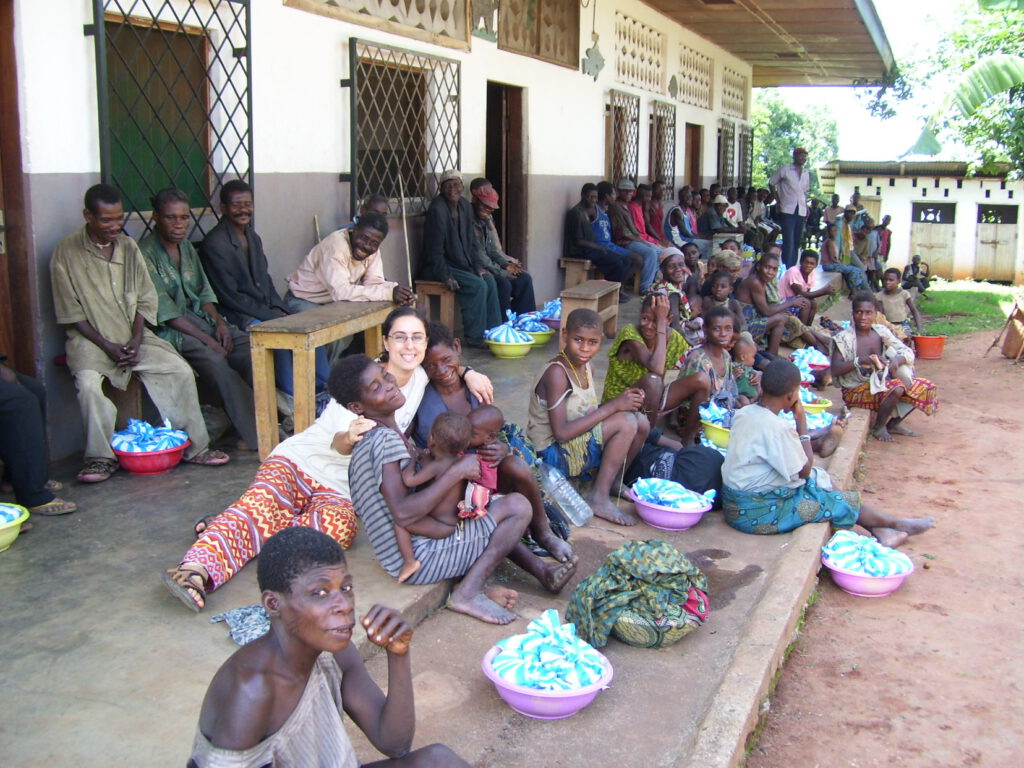
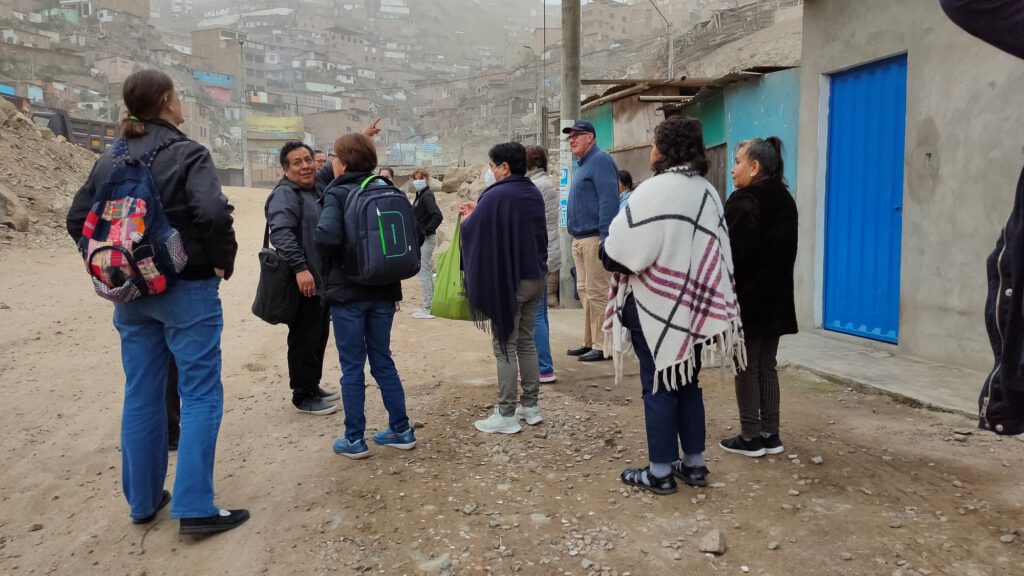
Or in the peripheries of large Latin American cities (Peru, Brazil, Guatemala…) where there are so many people trying to survive and earn a living—people migrating from the interior to seek work in cities but who often barely survive due to the precariousness of the work they find.
In Europe we also find many migrant people with whom to walk together—people from the countries where we are present and whom we also accompany from our missionary experience of life in Africa or America—and we try to make them feel welcomed as we are in their countries and to support and sustain them in their integration into the new society.
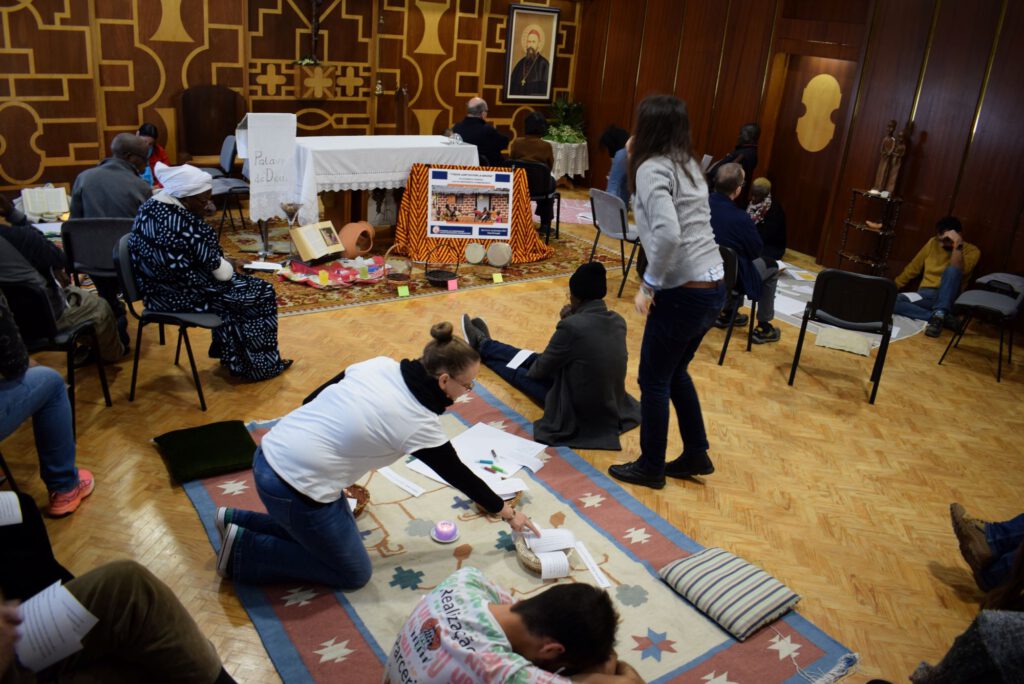
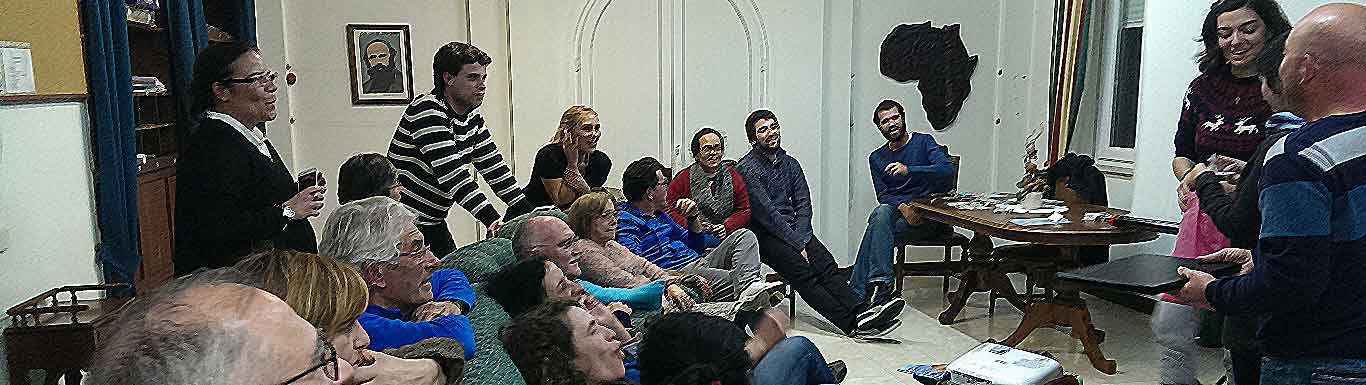
We want to live all this starting from our local communities because we feel that our missionary call is to live this vocation from community, and for this reason we meet to train ourselves, pray, share our lives, our dreams, and our missionary commitment.


