
The Comboni Family
The Comboni Family is a community of people that originated around the person of a missionary, Saint Daniel Comboni. A man born almost two centuries ago, on 15 March 1831, in a small rural village overlooking Lake Garda, Limone.
It was from Limone sul Garda that Daniel set off to study in Verona, at Don Mazza’s Institute, and to understand, with a foresight that remains undiminished, how a distant continent like Africa needed to undertake a journey that began with itself, with its people, who have long been—and still are—plundered of their natural and human riches.
Daniel, therefore, called for a mission and a Church capable of uniting forces to save themselves through the salvation of Africa, its peoples, and thus of the Church itself. The same yearning that drives the Comboni Family today.
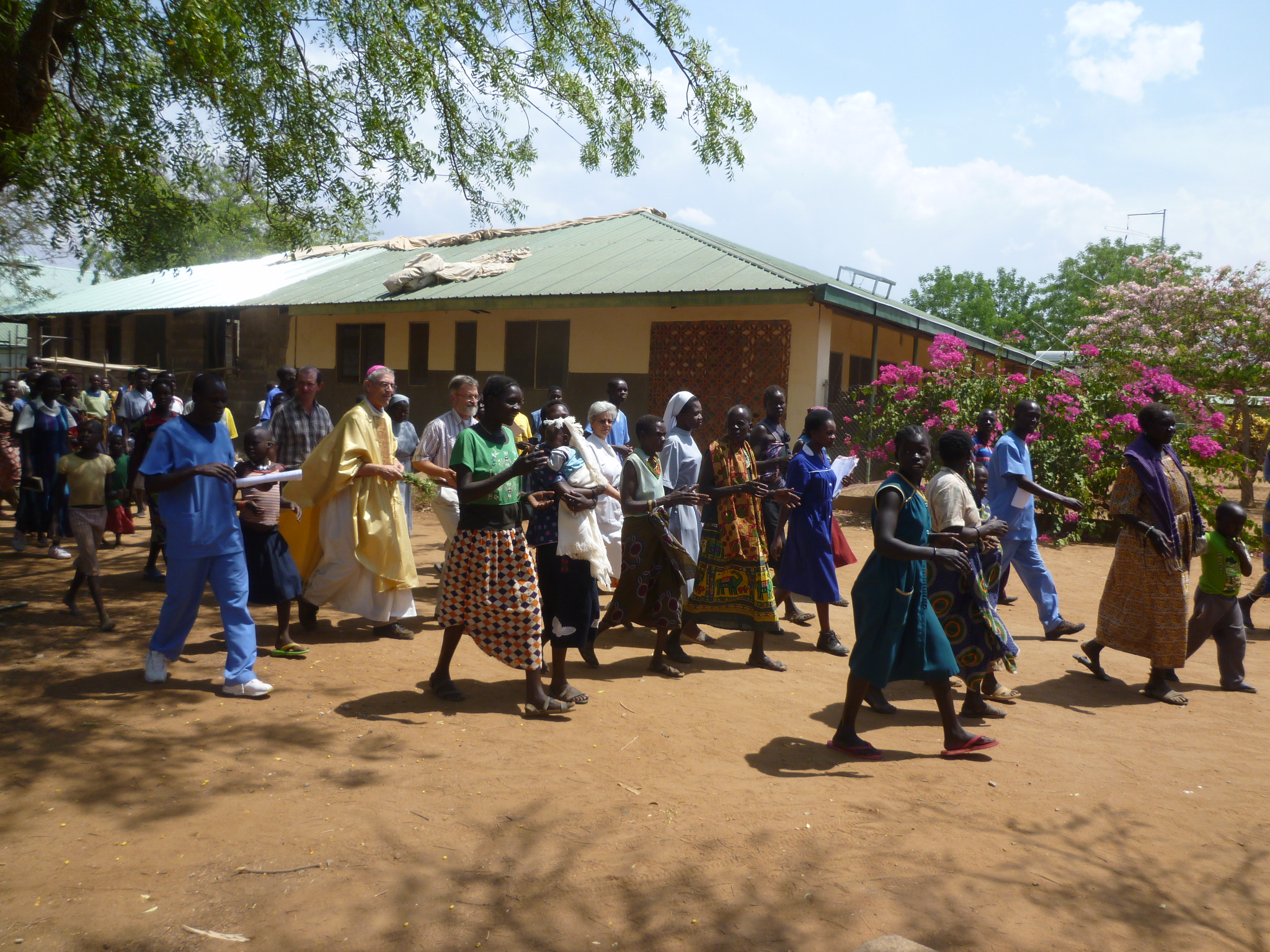
In that Plan for the Regeneration of Africa, which Comboni, through a charismatic intuition, began to dream of at the foot of Saint Peter’s tomb on 15 September 1864, a different world is envisaged, encapsulated in a motto: “Save Africa with Africa“. A motto that dreams of making people the protagonists of their present and future, starting from the daily realities in which they live, from the ancient and modern forms of slavery imposed upon them by an increasingly greedy and harsh Western wealth.
Comboni knew that the first instrument for salvation was knowledge, and he dedicated himself above all to education—of teachers and craftspeople as well as catechists, nuns, and priests—so that each person, within their own community, could find their way of living the Gospel, proximity, and sharing.
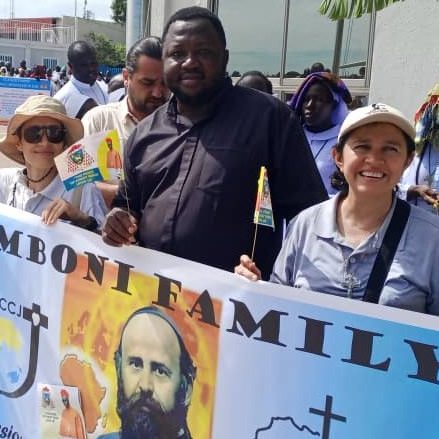
Thus the embryo of a missionary movement was born that brought together religious and lay people, men and women, local and foreign, capable of sharing needs and interests in the complementarity of an objective based on the awareness that each person is saved if all are saved, that each person can be what they are if others have the same possibility.
A vision of humanity that was not confined to the African continent but extended its reach across the whole of Europe, which needed to know that then-distant land and contribute to its salvation. Understanding the importance not only of education but also of information, Comboni conceived of a magazine: “The Annals of the Good Shepherd“.
Daniel’s era was a distant one—an era of the slave trade, of great discrimination based on colour and religious differences. For this reason, Comboni understood the need to unite the worlds of knowledge of his time: the civil, cultural, and political worlds, all striving towards a common cause. His dream transcended time; his dream remains relevant, not only because his words came true—”I shall die, but my work will not die“—but because even today we live in a time of slavery and supremacist thinking.
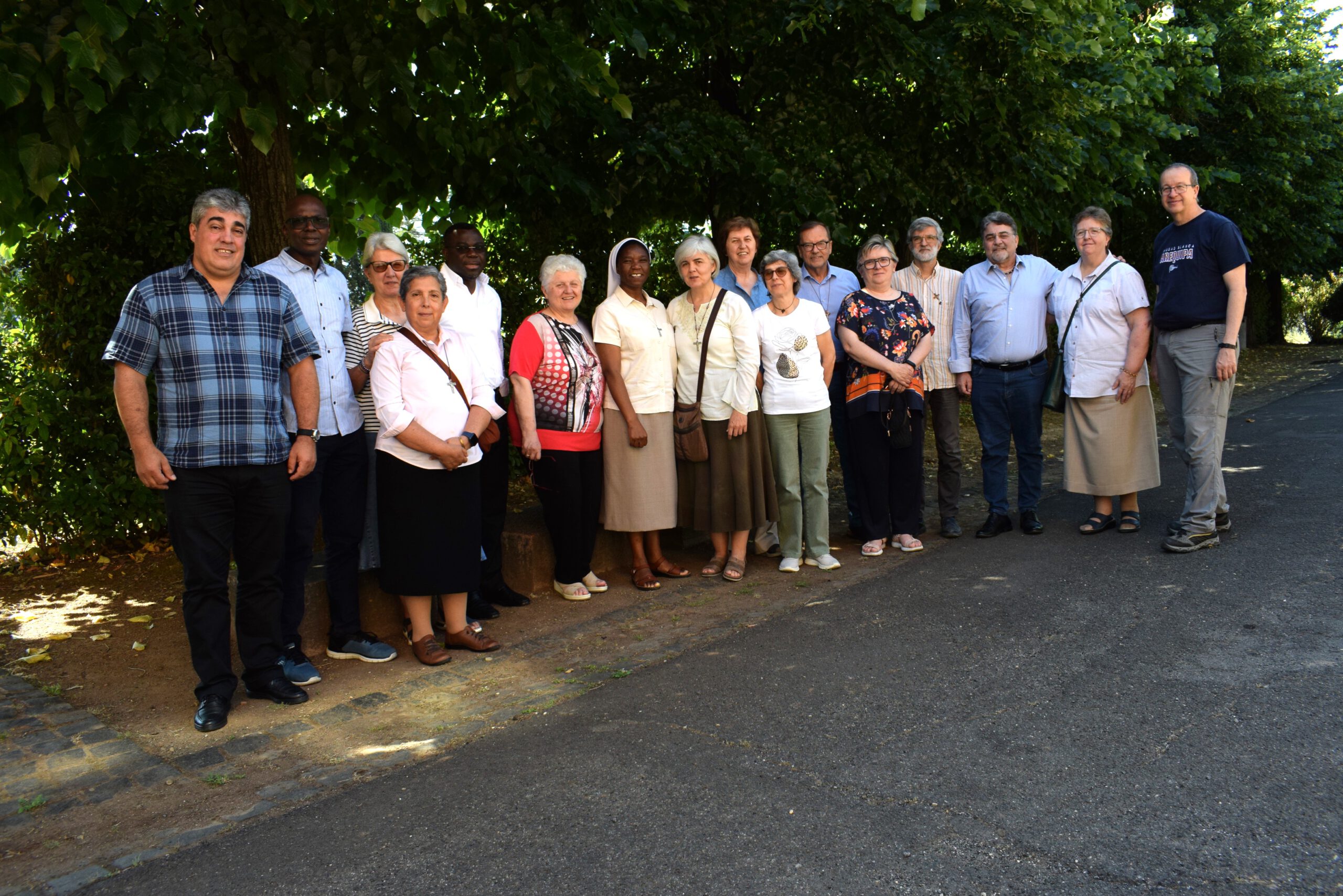
Daniel’s work saw the birth of the religious institutes of the Comboni Sisters and Missionaries, and more recently the Comboni Secular Missionaries and the Comboni Lay Missionaries. Thus, the yearning “If I had a thousand lives, I would give them all for the mission” has continued to unfold over time, in the lives of those who have chosen to continue the Plan, to translate it into the journey of a family, the Comboni Family.
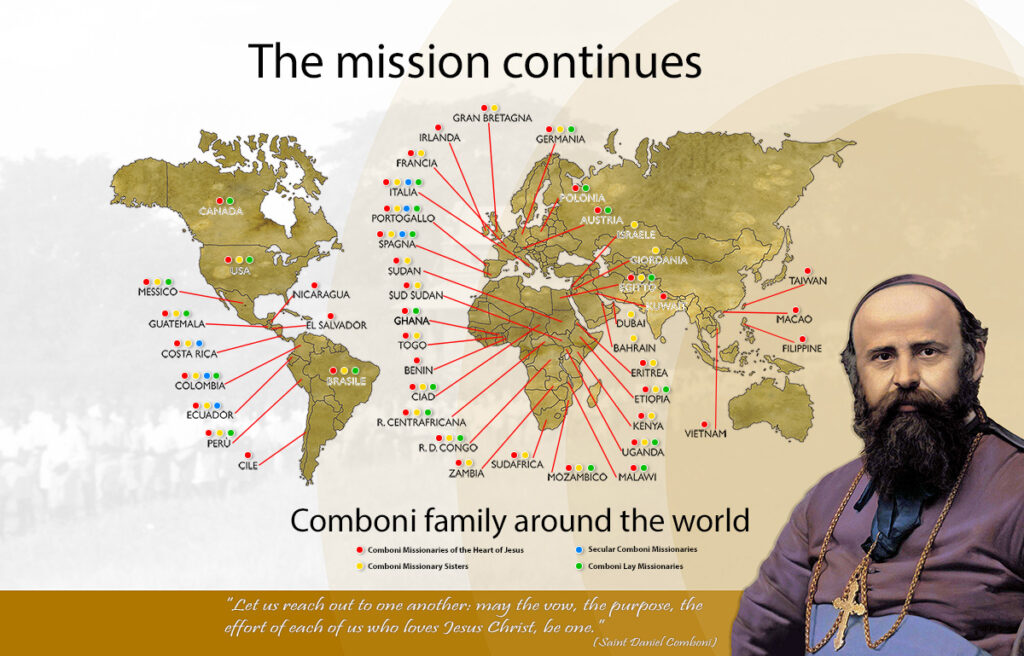
Men and women capable of broadening the geographical horizons of that dream, opening their hearts to serve the poorest and most abandoned, as Comboni said, present in Africa, Europe, America and Asia; in those frontier places, on the peripheries of a global world that is expressed as a common home, the home that the Comboni Family inhabits in every place where it lives its daily life.
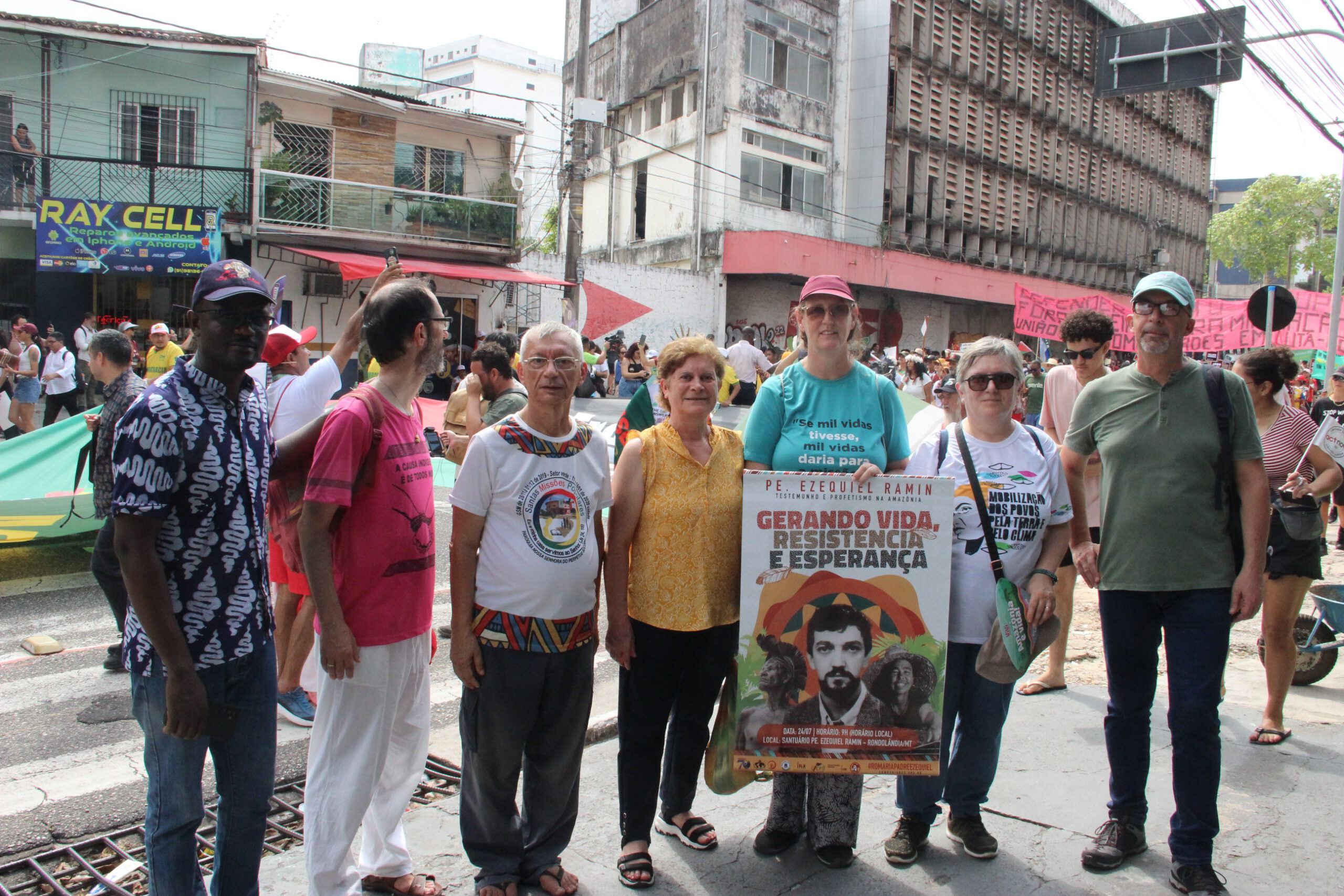
We present you, therefore, our Family, a Family that follows in the footsteps of Saint Daniel Comboni, hoping that you will wish to be involved in a group of people that goes beyond physically being in the same place doing the same things, which means mutual sharing and welcoming the richness that lies in each person’s uniqueness, where the distinctiveness of another becomes a gift that helps one better understand one’s own identity…
Comboni Missionaries
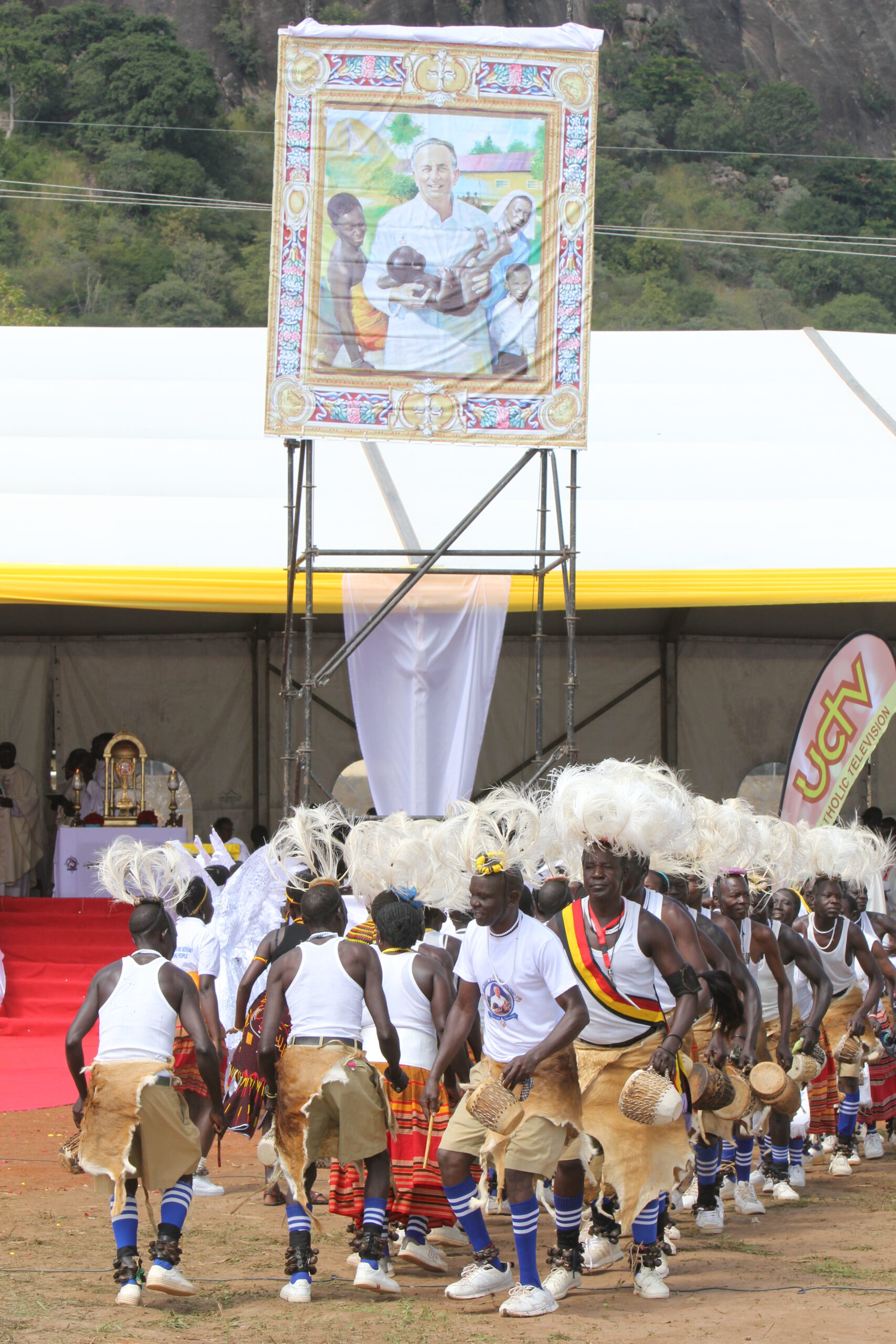
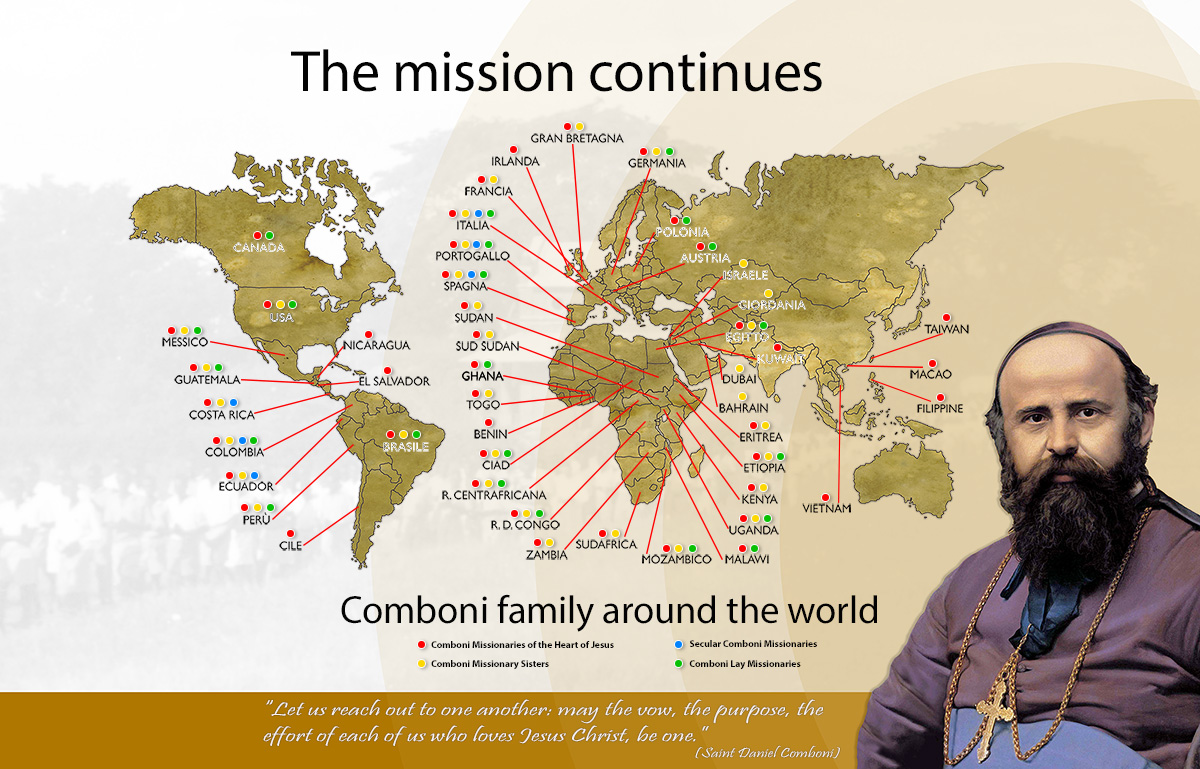
The Comboni Missionaries are a Catholic missionary institute currently present in over 40 countries across all continents. Their mission is to proclaim the Gospel of Jesus Christ, particularly to peoples and communities who do not yet know it.
All the missionaries consecrate themselves to God for this mission: There are around 1,500 of them in total. The majority are priests, but a significant number are brothers, who participate fully in the same mission through a wide range of professional skills. Together, they strive to be attentive to the practical needs of the people to whom they are sent, particularly in the areas of human promotion, education, healthcare, communications and integral development.
Hailing from Europe, Africa, the Americas and Asia, the Comboni Missionaries work primarily in contexts marked by poverty, marginalisation, injustice and both new and ancient forms of slavery. In these environments, they are committed to building vibrant Christian communities capable of acting as a catalyst for human development and social transformation. Their service is inspired by the hope of contributing to the building of a future in which humanity can live in harmony with Mother Earth, in peace among peoples, recognising their shared dignity as sons and daughters of God.
Founded by St Daniel Comboni in the mid-19th century, with the dream of bringing the Gospel and integral development to the peoples of Africa, the Comboni Missionaries now work on every continent. They are present both where it is necessary to establish new Christian communities and where there is a need to accompany and support young local Churches, still in the process of growth and consolidation.
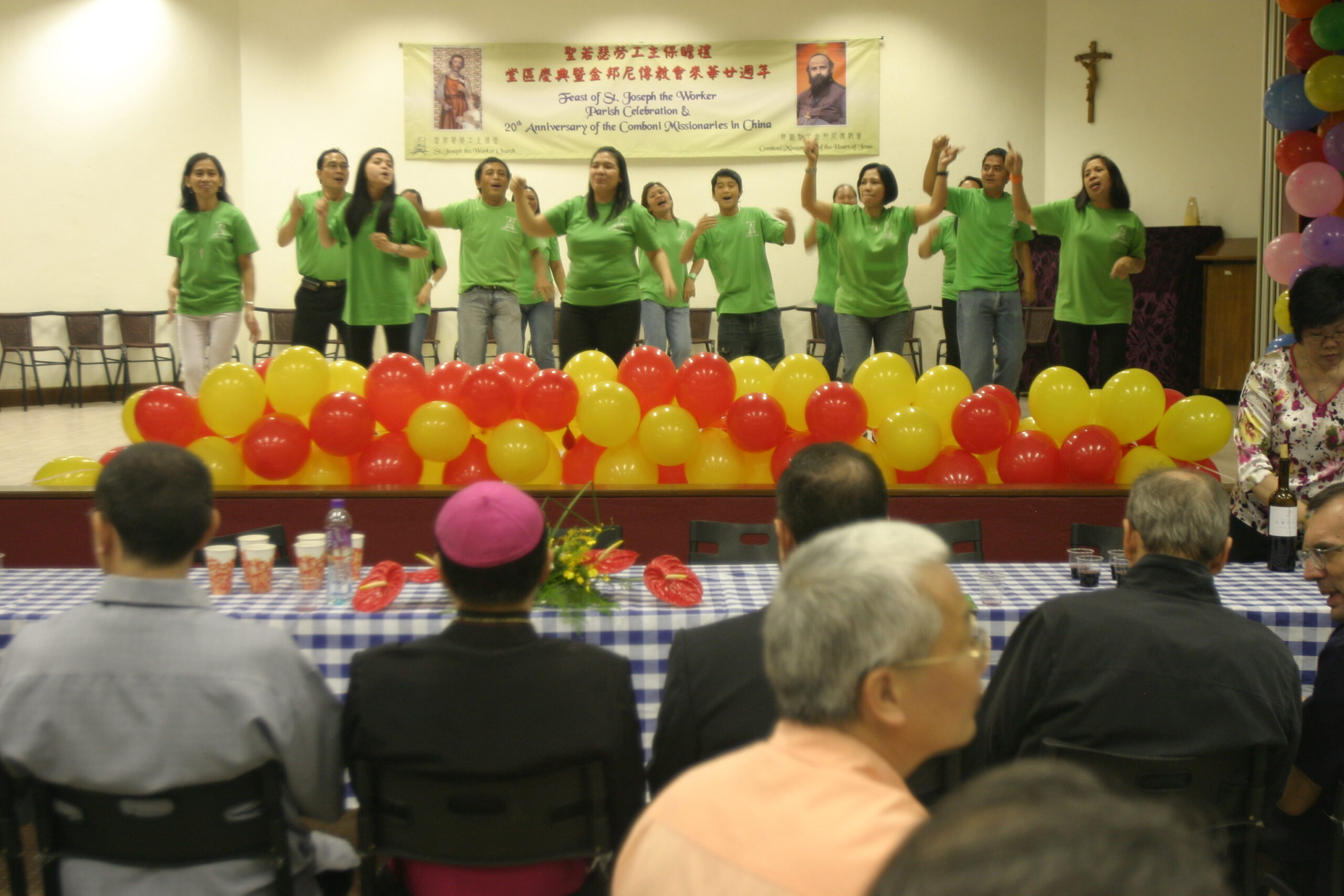
Against the backdrop of the sharp rise in migration flows in our time, the Comboni Missionaries now carry out a significant part of their mission in the northern hemisphere as well, particularly in the human and social peripheries of major cities. In these settings, they share the Christian faith as a catalyst for fraternity, intercultural dialogue and social friendship among people of different nations, cultures and religions.

The motto that guided St Daniel Comboni, ‘Save Africa with Africa’, continues to deeply inspire the Comboni Missionaries. It translates into a commitment to empowering and emancipating local people and communities, so that they may be protagonists of their own Christian, social and human growth. This missionary style is expressed in a particular way through the formation of local leadership, both within Church communities and in development and social justice projects.
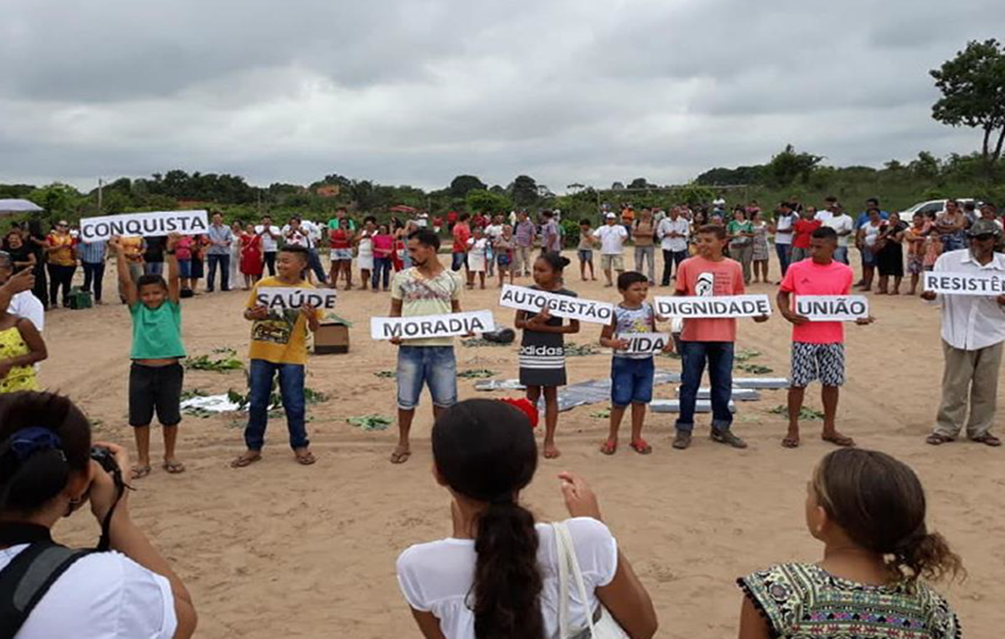
In the heart of every Comboni missionary, the ‘flame’ that Saint Daniel saw emanating from the open heart of Christ on the cross continues to burn; he witnessed this during a special moment of contemplation in St Peter’s Basilica, Rome, on 15 September 1864: it is the love received from the Heart of Christ, the Good Shepherd, which still today drives the missionaries to reach out to the poorest and most abandoned. Wherever they are sent, this flame of love inspires them to enter into respectful dialogue with everyone, to share the faith and to foster paths of fraternity that rekindle hope in a reconciled and peaceful world.
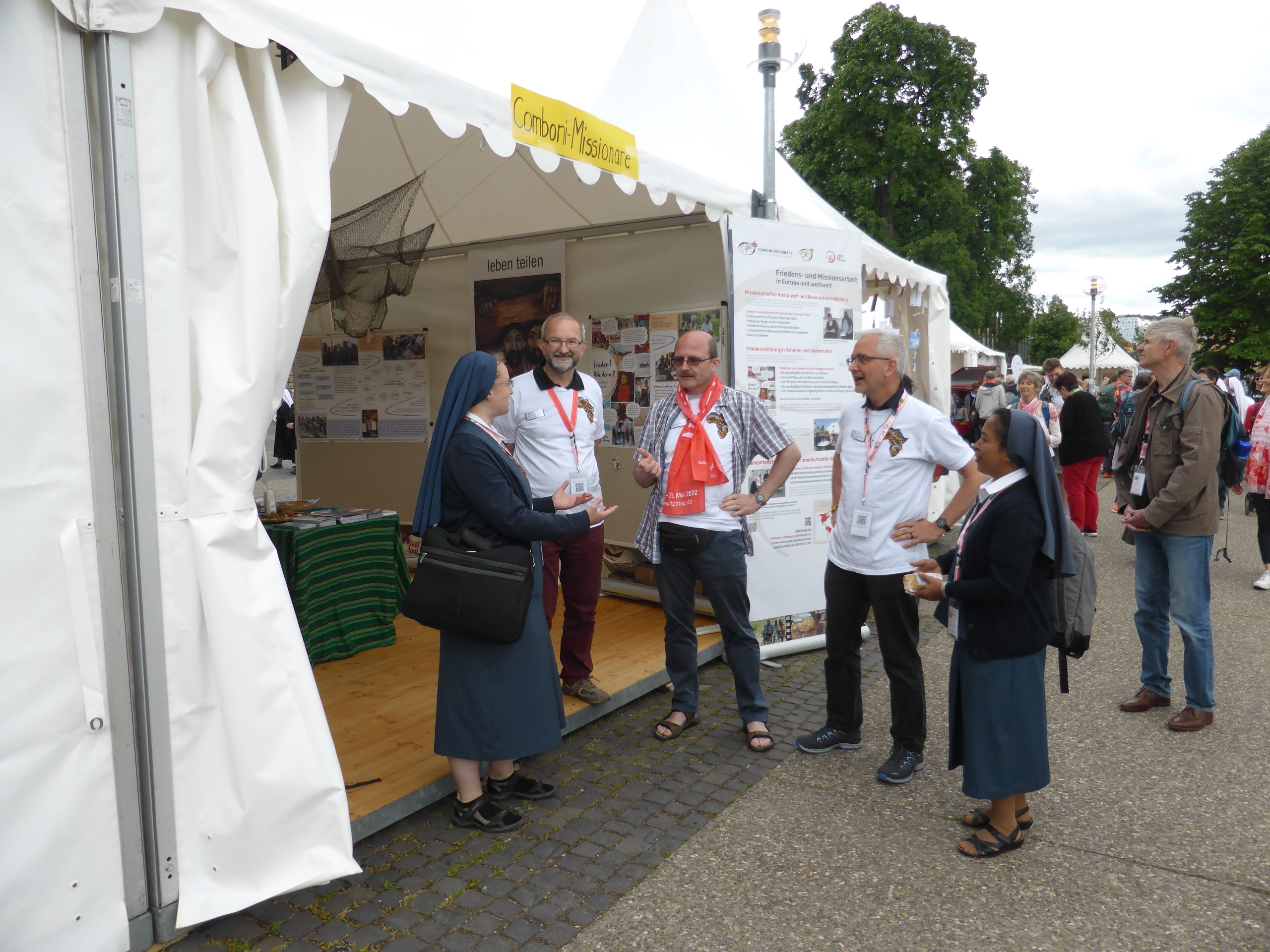
The missionary charism given by God to St. Daniel Comboni is today shared by various groups which, together, make up the Comboni Family. For this reason, whenever possible, the Comboni Missionaries work closely with the Comboni Missionary Sisters, the Secular Missionaries and the Comboni Lay Missionaries. Each group lives out and embodies, according to its own specific vocation, the same missionary spirit that animated the Founder.
The charism of Saint Daniel Comboni is a gift to the whole Church and is open to many forms of participation. Part of the mission of the Comboni communities is also to share this spirit with the Churches of ancient foundation, so that they may renew their missionary zeal and actively collaborate in the proclamation of the Gospel and in concrete acts of solidarity, justice and peace, visible signs of God’s love for all humanity, without distinction.
Comboni Missionary Sisters
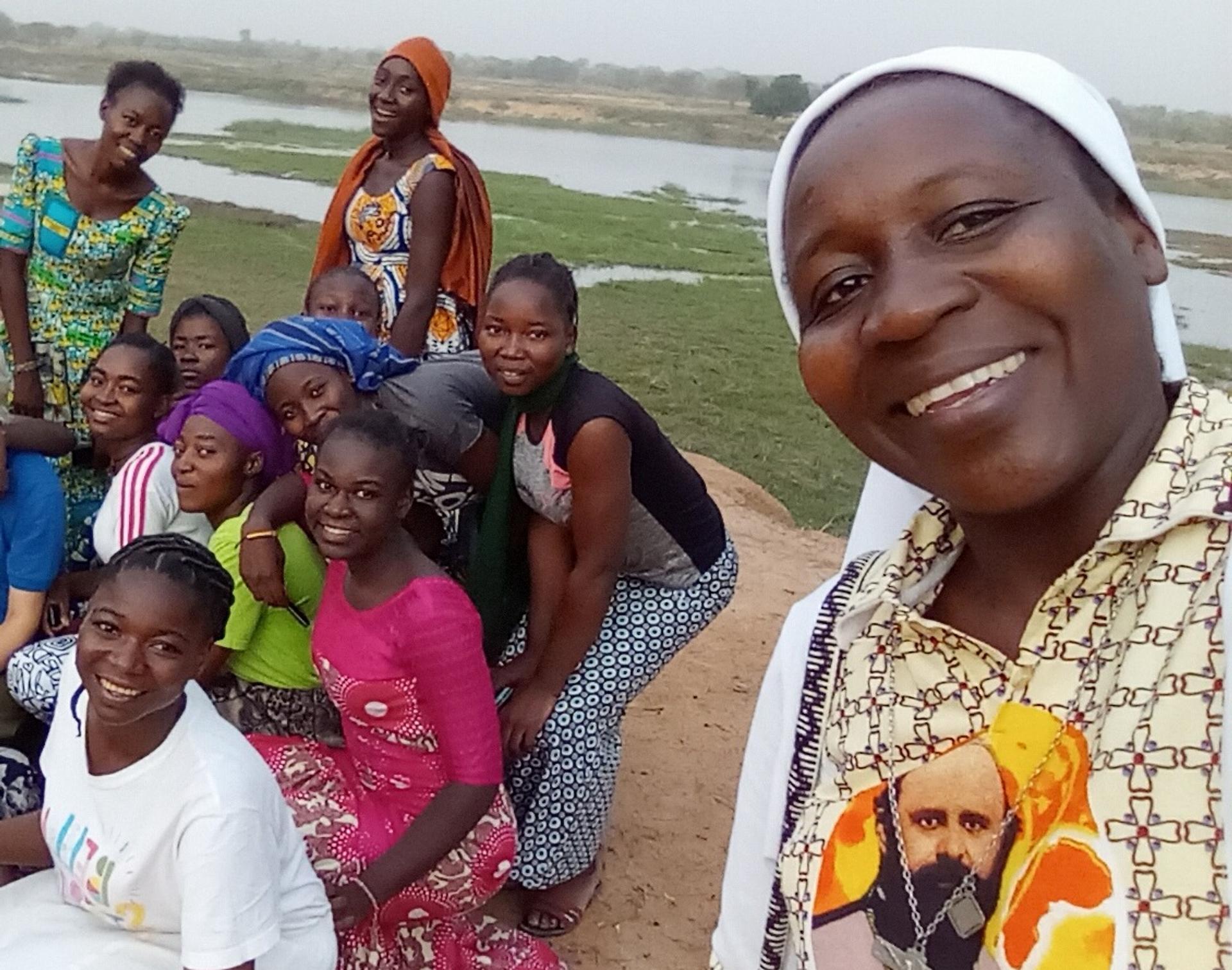
We were born from Saint Daniel Comboni’s great dream, from an ideal that fills our hearts. Comboni left us an inheritance that is grace and responsibility, gift and achievement. He saw in our identity as missionary women the image of the women of the Gospel; indeed, he wrote in one of his letters: “If I did not have so many occupations, I would like to give you an idea of the apostolate of these sisters, the true image of the ancient women of the Gospel” (E. 3554).
Since then, the witness of Mary Magdalene, the Myrrh-bearers, the Samaritan woman, the woman who kneads bread, the barren women made fertile, together with that of the other disciples of Jesus, inspires our path and our missionary dedication as Comboni sisters.
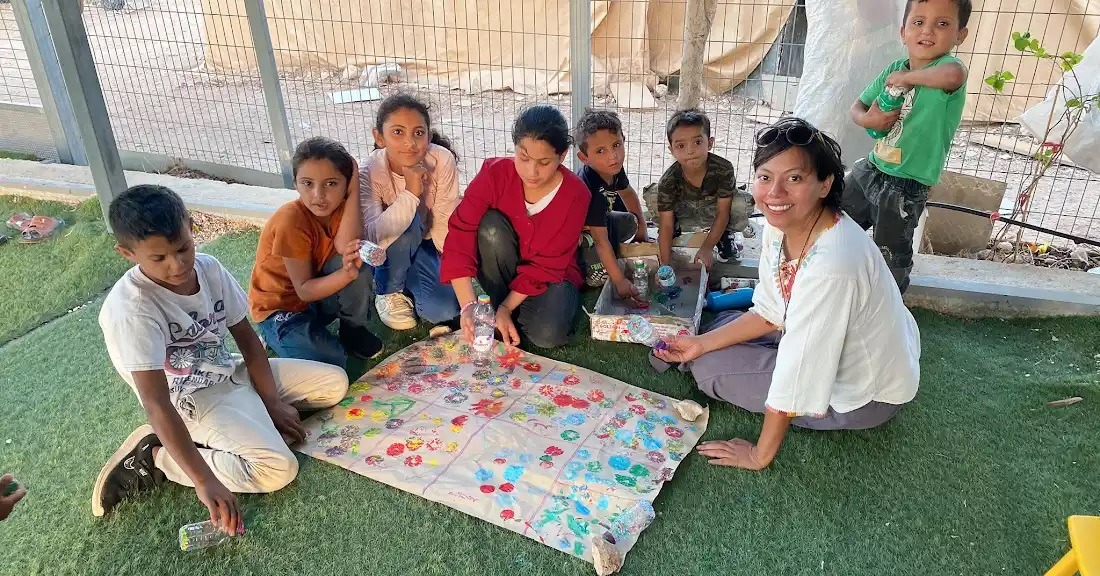
Like Mary Magdalene, Mary the mother of James, and Salome, who prepare perfumes and, moved by Love, go to the tomb to anoint the Master’s body, like these three women—a small community like many of our communities—we feel encouraged to set out when it is still dark, with eyes and ears attentive to the groans of humanity and the cosmos, to care for the most wounded life, for all forms of life and even for death; to perform gestures that seem meaningless; to care for what other people have abandoned; to recognise the signs of rebirth present in history and to be generative ourselves; to be lovers of Life and to have the courage and docility to penetrate the Mystery and allow ourselves to be transformed by It.
Many of us know arid lands, apparently lifeless, but experience tells us that even the desert carries within it a generative potential, just as the barren women of the Bible hold within themselves a fertility that no one can take from them. It is precisely in geographical and existential deserts that we proclaim the Source of living water. Often the realities to which we are sent appear as barren wombs, made so by exploitation and violence suffered, yet they are open to welcome us in the hope of rebirth.
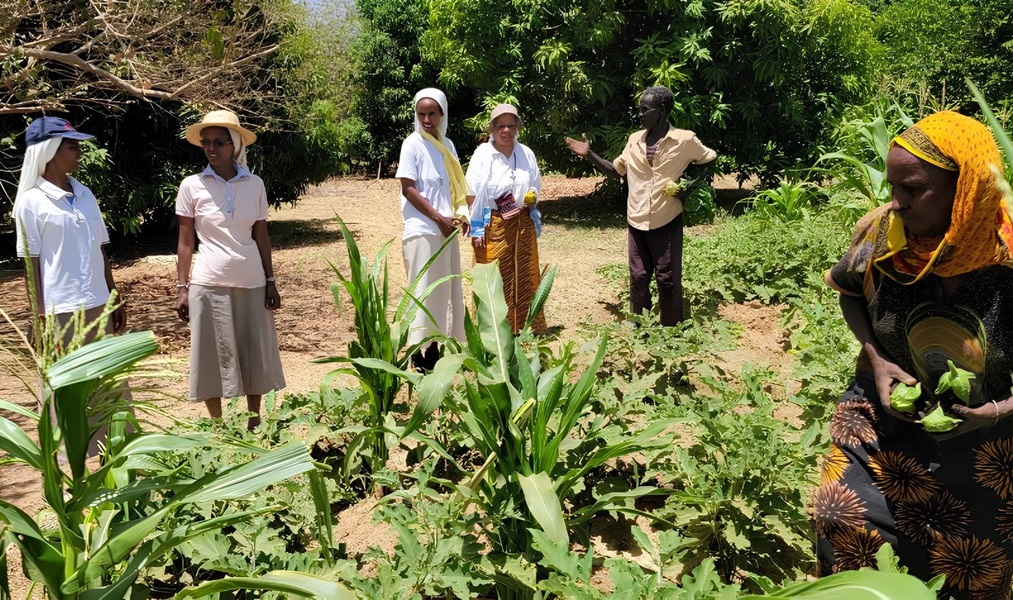
Our mission is to be bread, nourishment, and joy; an existence given to alleviate human suffering, to live through sharing and mobilise authentic and humanising relationships. The woman in the parable combines flour, water, and yeast; our hands mix our knowledge with the knowledge of the peoples to whom we are sent. We knead the bread of existence in synergy with the forces of other women and men, of religious and civil organisations, to build relationships that are common and supportive.
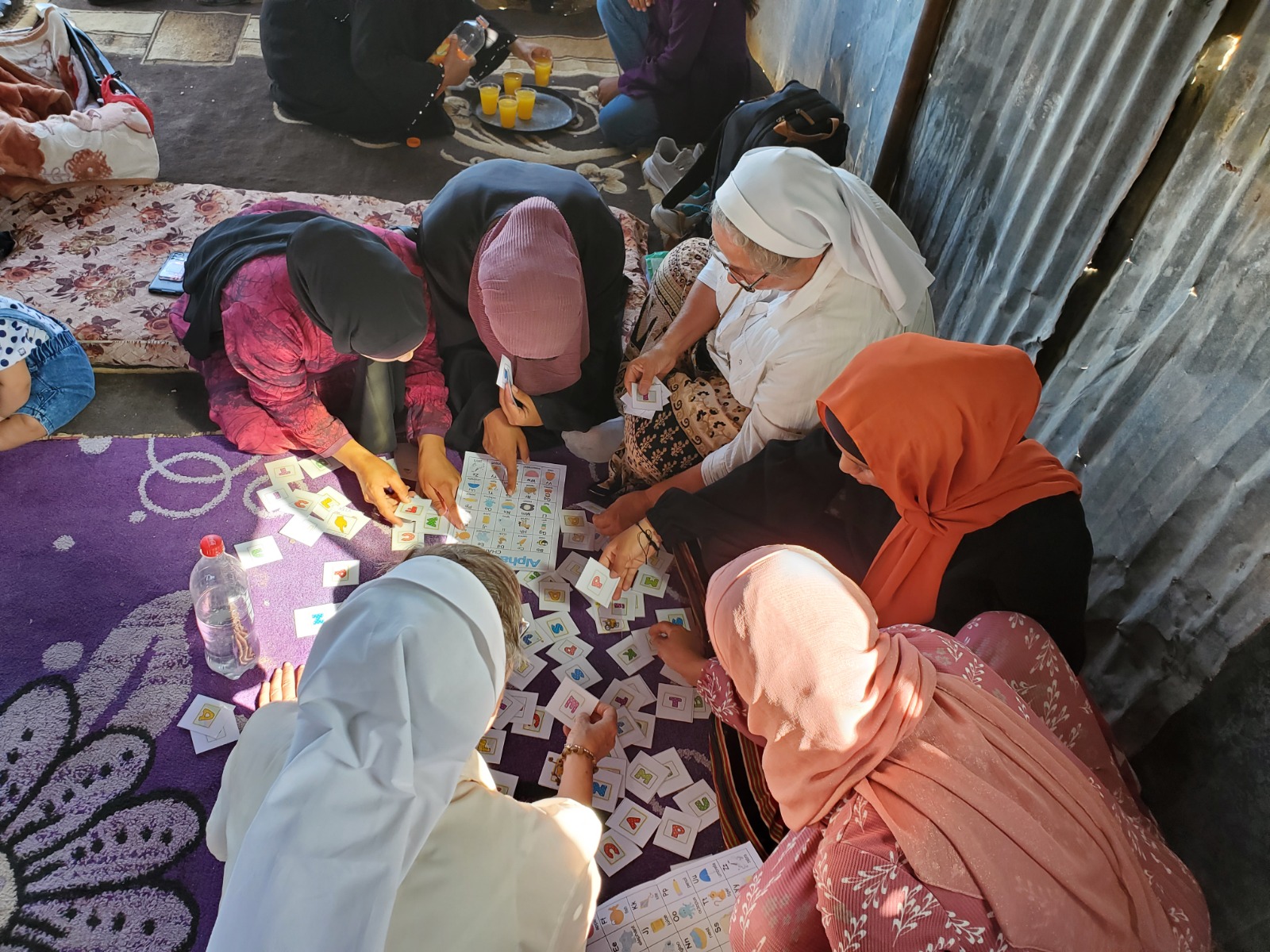
The paths travelled are many: deserts and forests, peripheries and frontiers, poor roads, rivers and tarmac, villages and cities. We express ourselves through different ministries but with a single desire: to care for life, for that which is impoverished and exploited, which includes human bodies but also the body-territories of the earth, water, and forests, equally impoverished and exploited. Care is a path of reciprocity because as we care we feel cared for, and also because when one being is violated, the entire web of life suffers. Care is a communal and political act. It is tenderness but also transgression against a dominant system.
The unnamed woman who dialogues with Jesus, the Samaritan woman, reminds us of the capacity to go beyond one’s own limits and boundaries, to establish relationships in which power circulates, to recognise ourselves as capable of leaving our own securities and convictions to launch ourselves towards unprecedented paths. The Samaritan woman and the Jewish man who meets her at the well speak to us of the possible encounter between different ethnic groups and the overcoming of prejudices that separate men and women. Their dialogue moves from the material to the spiritual sphere, as often happens in mission when, from satisfying primary needs, one arrives, with humility, to speak of the Mystery, to witness to the God-Presence who breaks every scheme in which we try to confine Him.
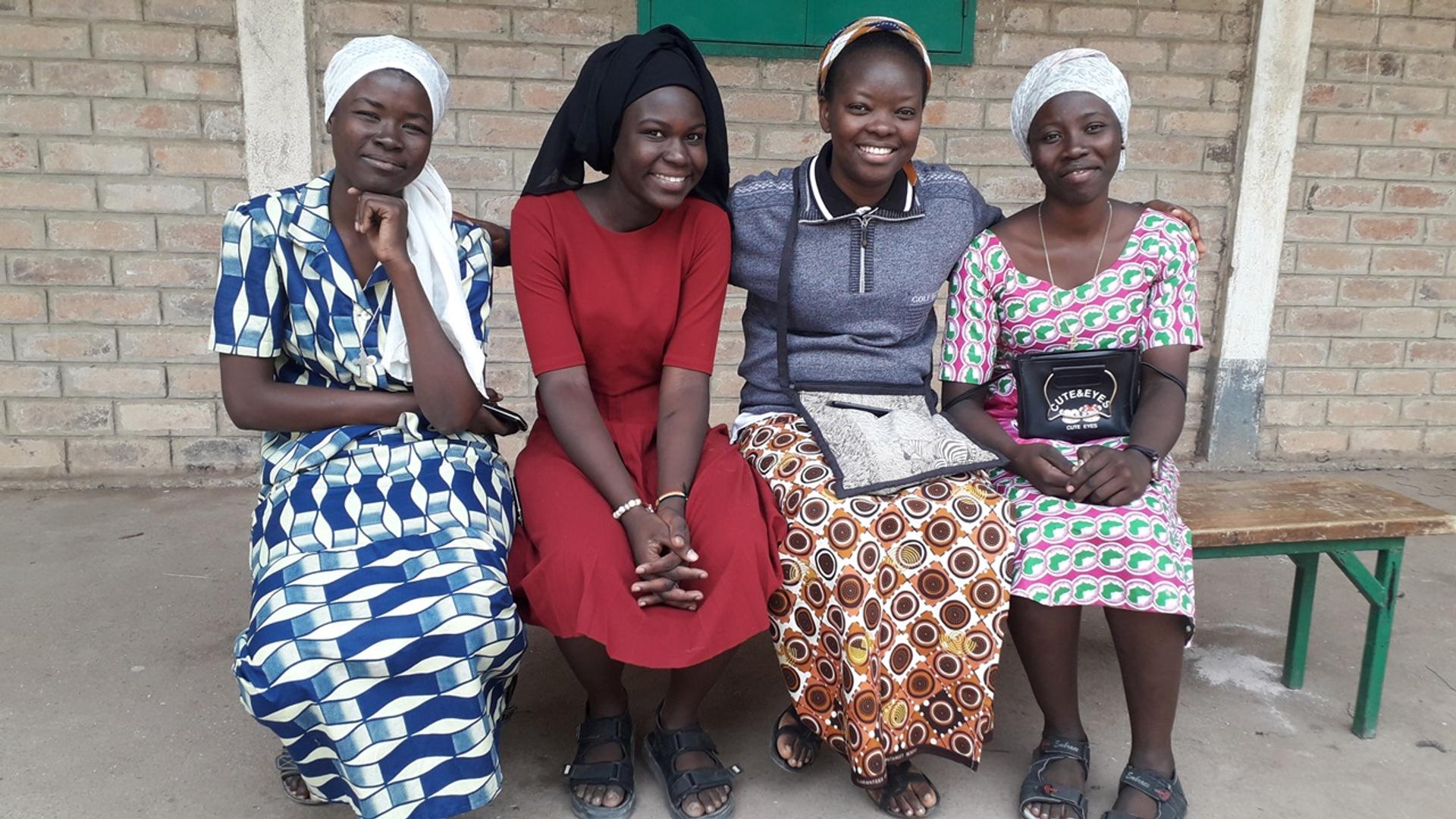
“Wisdom cries out in the streets, in the squares she raises her voice“; Jesus proclaims in the streets and inside homes; Comboni ventures into courts and deserts. Nourished by a feminine, biblical, and mystical-political spirituality, our steps follow in their footsteps, proclaimers of relationships of mutuality, of a humanity reconciled with itself and with all creation.
Comboni Secular Missionaries
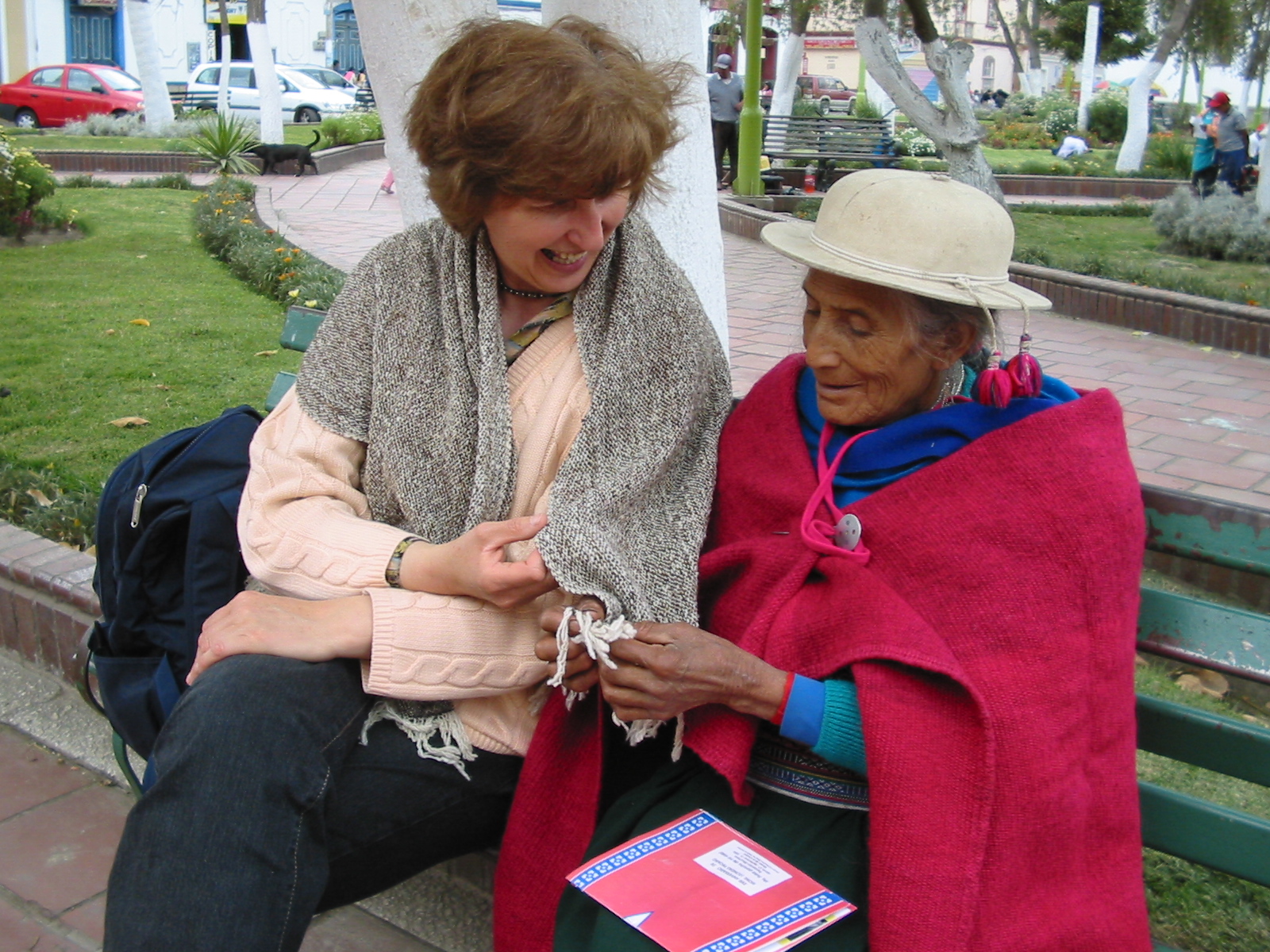
“The Lord has also chosen you to collaborate through prayer, the total gift of yourselves, and the work of apostolate, placing you in the same family founded by our father Bishop Daniel Comboni“. This expression by Father Egidio Ramponi—to whom we owe the founding idea of our Institute—addressed to the first four young women who gave themselves to the Lord on 22 August 1951 in what would become the Secular Institute of Comboni Missionaries, contain the essential nucleus of our vocation and belonging to the Comboni Family.
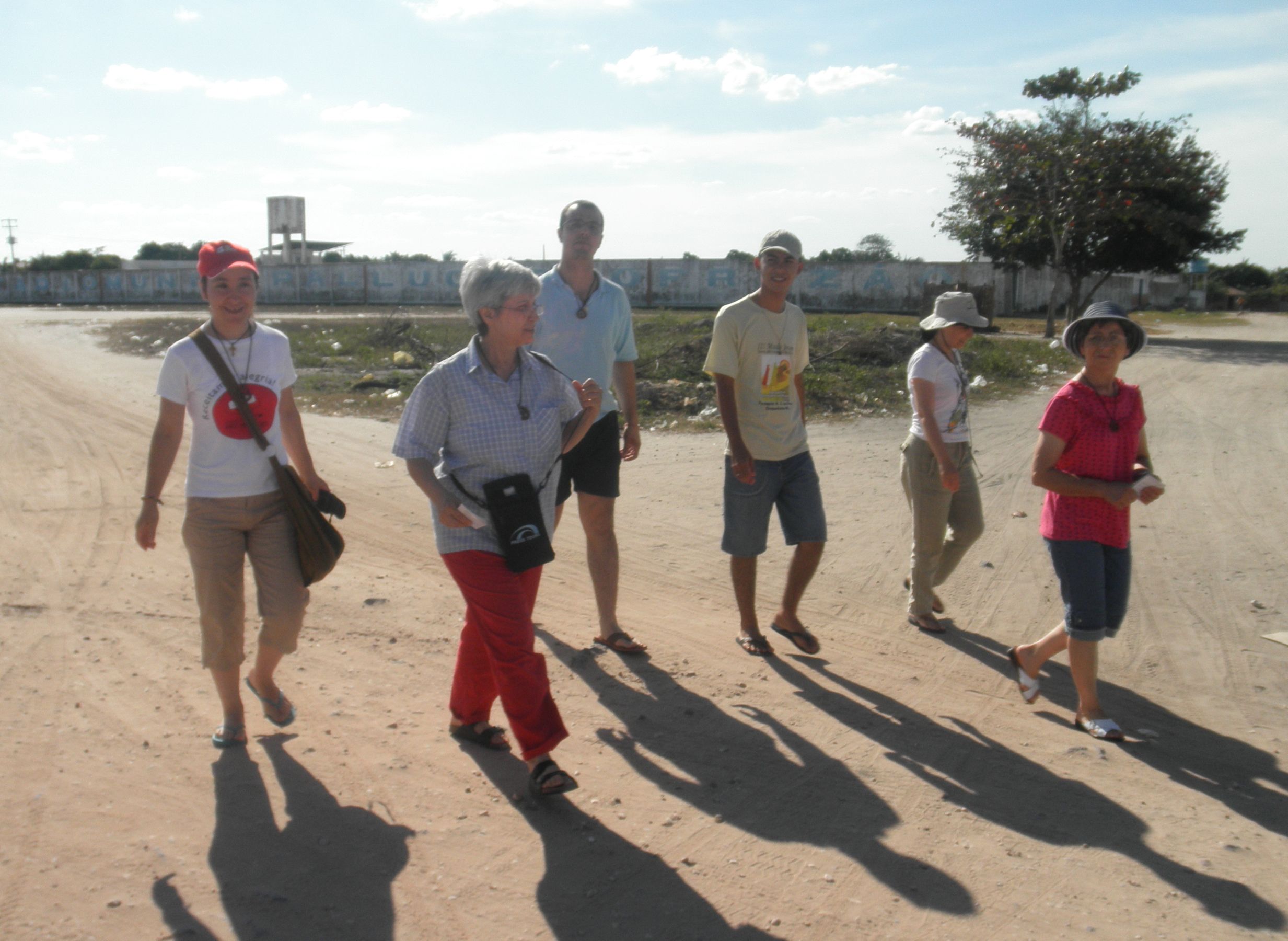
Papal approval on 22 May 1983 was an important milestone for our Institute, a culmination of a history that had been evolving but also a starting point for a journey that would lead to an improved focus on our identity up to today. The recent approval of the updated Constitutions, as the fruit of a long period of reflection, is a sign of this.
Our very name, Comboni Secular Missionaries, expresses the identity of our vocation, which finds its foundation in Comboni’s own experience of Christ, in his love for the least, and in “making common cause with them“. Sharing his passion for Christ and for humanity translates into the total gift of ourselves in response to the call, through the profession of the evangelical counsels.
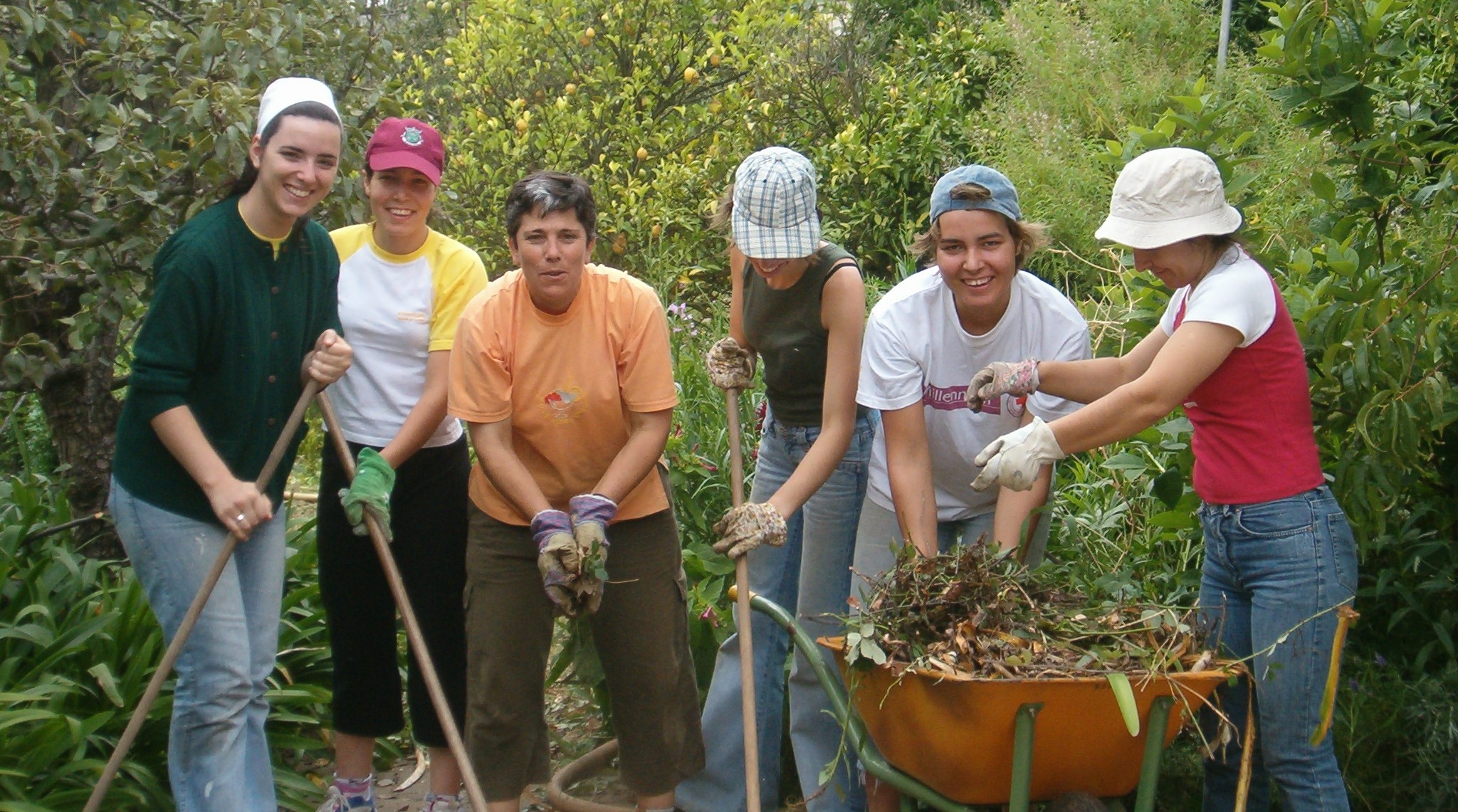
A passion that is nourished in the personal encounter with the Lord, from which springs the desire to share with all people, and particularly with those furthest from Him, the Good News of the Gospel, so that all may know and encounter Him and have life in abundance (cf. Jn 10:10).
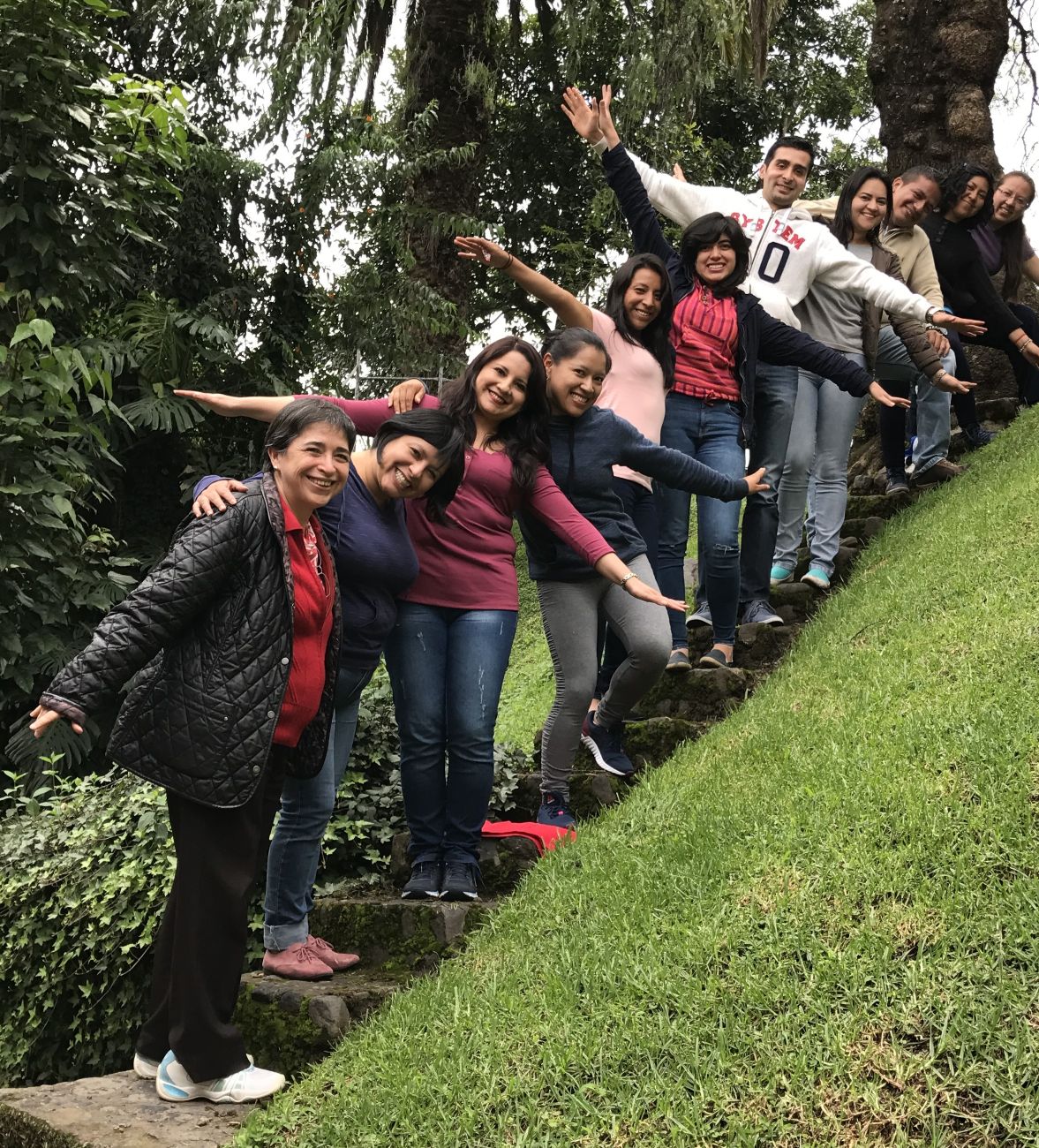
“Secularity” is the dimension that distinguishes the spirit and the way in which we embody the gift of the Comboni charism; this unites us with the condition of all lay Christian people who live in the world, inserted into their own social, professional, and ecclesial environment.
It is a way of living that has its reference in the Incarnation of the Son of God and that entails full belonging to history, lived with the style of Jesus, the most human of men, son and brother of all, which leads us to share the same situations, including those of precariousness and uncertainty, as the majority of ordinary people, to take on the challenges, sufferings, and hopes of humanity.
As Comboni Secular Missionaries we are inserted, each in our own environment, in our own situation, living from our own work. This is our way of transforming the world from within with the spirit of the Gospel.
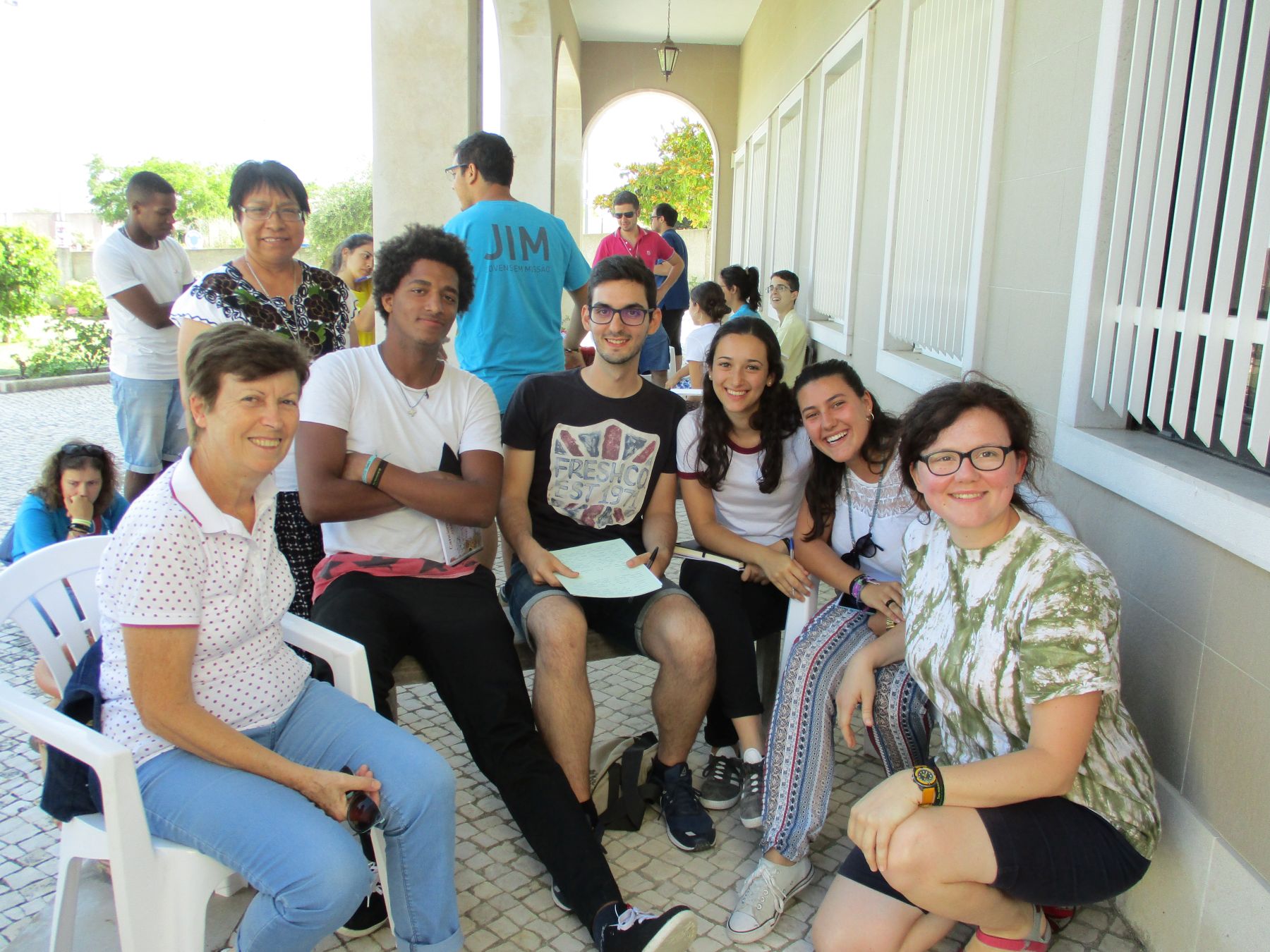
In harmony with the Gospel images of salt and yeast—simple elements of daily life that act from within—we emphasise being missionary leaven in every reality and human situation, rather than the visibility of organisation, works, or structures. This is the element that unites us all in the plurality of life situations, environments, activities, and ages, and which manifests itself in a multiplicity of ways of living and expressing mission.
We cultivate an attitude of openness to frontier situations in our own country or in different countries, willing to go to the various peripheries of the world. A “going” that is first of all a going out from ourselves, from our narrow boundaries, to broaden our horizons to the whole world, especially to the poorest people, to the least…; an attitude that permeates our entire existence and that can also be realised in the choice of service in contexts or places different from those of ordinary life.
We are enlivened by the desire to keep alive everywhere that missionary openness which makes starting from the least the criterion not only of an authentic Gospel life but also of a human one.
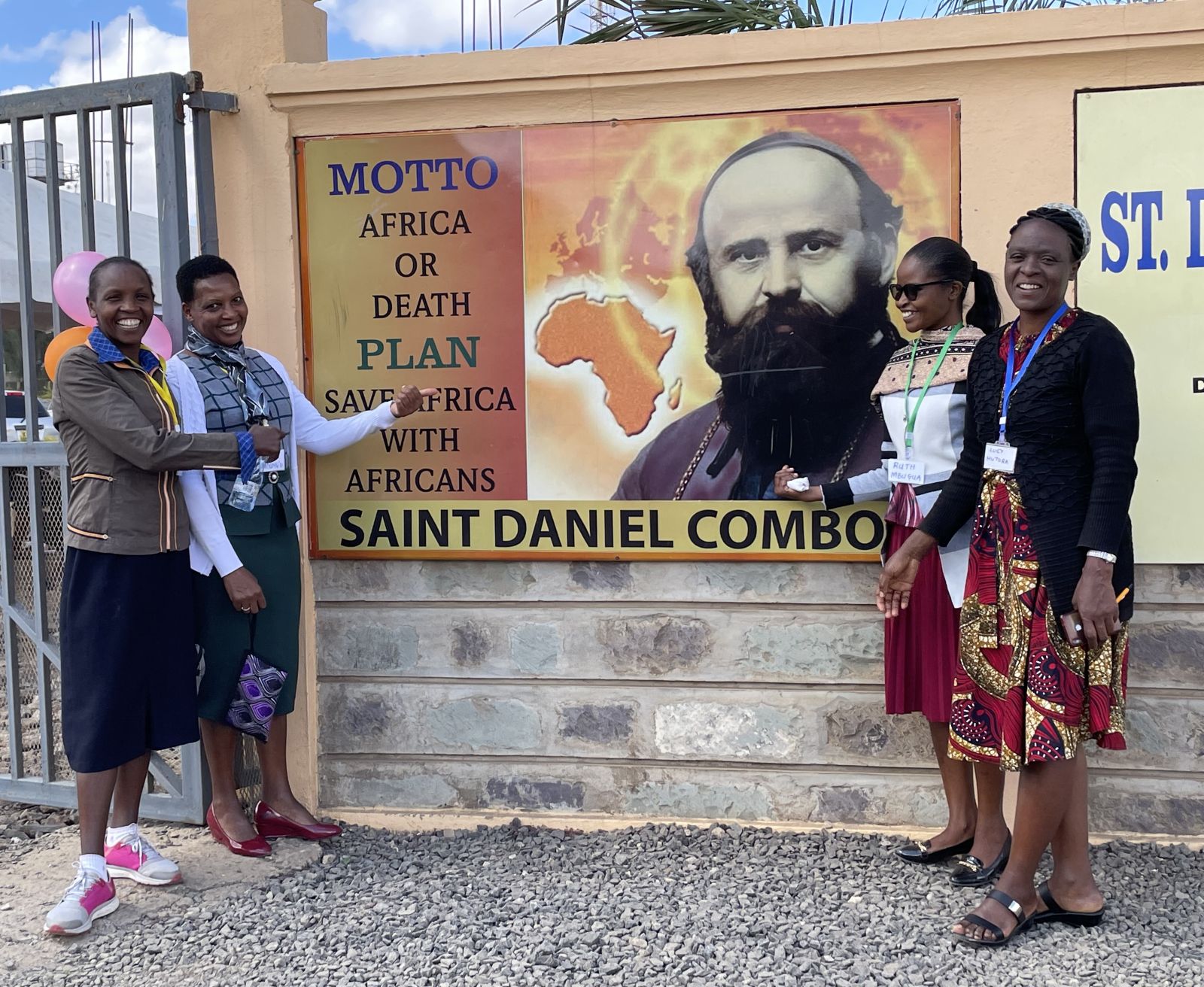
We feel called to live this “outgoing tension” personally, being witnesses to it also towards others in every possible way, in interpersonal relationships, in various daily situations, in Christian communities and in every context of life and commitment, also through specific initiatives, open to collaboration with every person of good will.
Comboni Lay Missionaries
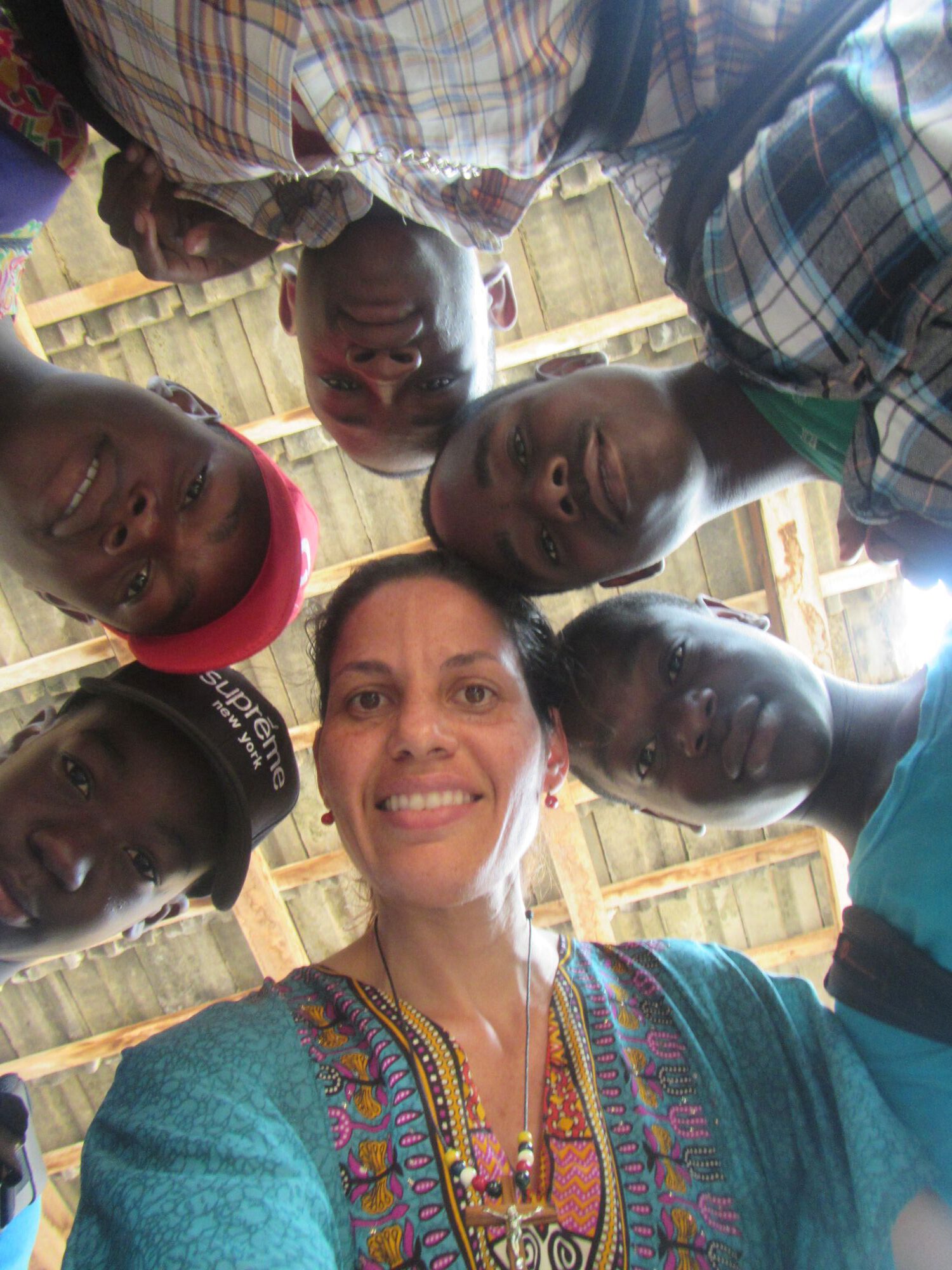
From the beginning of his mission, Saint Daniel Comboni brought with him lay people who could add value to his dream in Africa, share their professions, and thus help communities in need of development.
According to him, lay missionaries “contribute to our apostolate more than priests contribute to conversion, because black pupils and neophytes are with them for quite a long period. By example and word, they are true apostles for the pupils, who observe and listen to them more than they can observe and listen to priests” (S 5831).
And not only missionaries—he believed that the formation of lay men and women constituted a central element of his way of doing mission; he insisted on saving Africa with Africa: “All my efforts are directed towards strengthening these two missions where we prepare good indigenous people from the central tribes so that they become apostles of faith and civilisation in their homeland” (S 3293); “I have succeeded in forming competent black teachers and catechists, as well as cobblers, masons, carpenters, etc., and in supplying the stations of Khartoum and Cordofan. The indigenous people thus trained are indispensable for the existence of a mission” (S 3409).
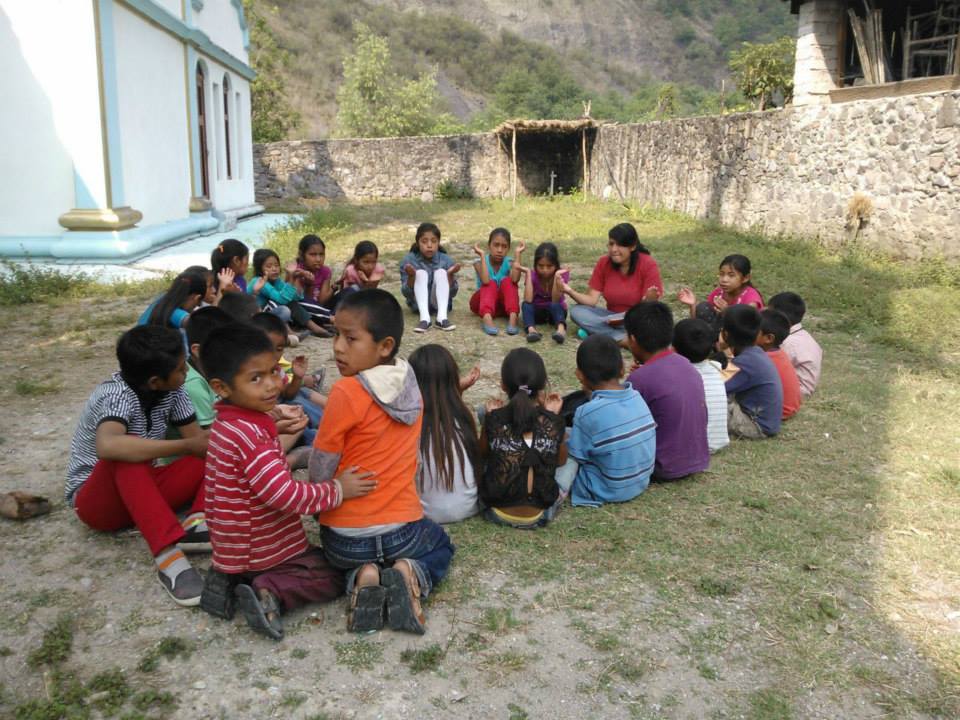
In the light of this charism, many lay men and women who accompanied religious in missionary awareness in their countries also asked to be missionaries and to go with this vocation to other countries. Thus, at the end of the 1980s, the groups of Comboni Lay Missionaries were born groups of lay people ready to put their professional skills and their lives at the service of mission.
Comboni wanted us to be Holy and Capable, so our commitment as Christian women and men is to be able to share our life of faith and our professional experience with those who need it most.
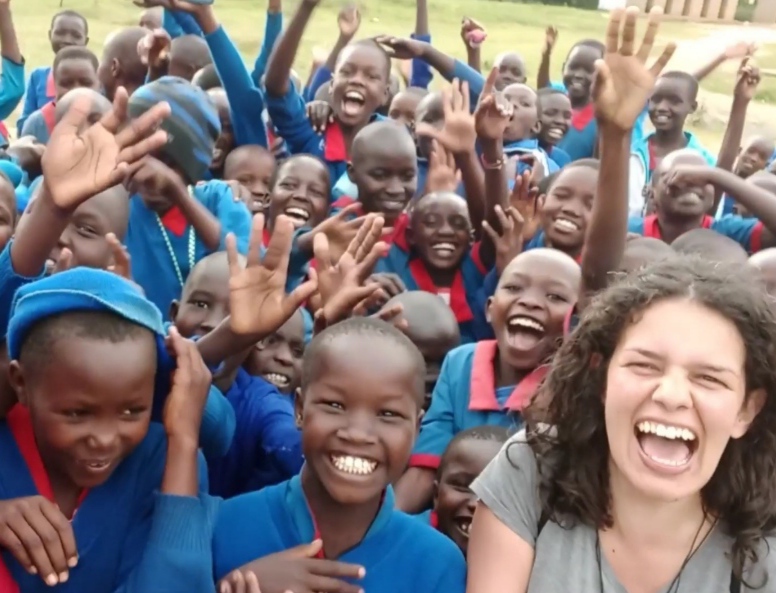
Currently we are present in 21 countries in Europe, America, and Africa. We collaborate both in international communities, where CLMs from different countries come together to have a common missionary presence and to share our lives with needy communities in the peripheries of cities or in rural areas where many are forgotten, and in our countries of origin where, as lay men and women inserted into society, we try to propose an alternative and supportive lifestyle with those excluded from this world.
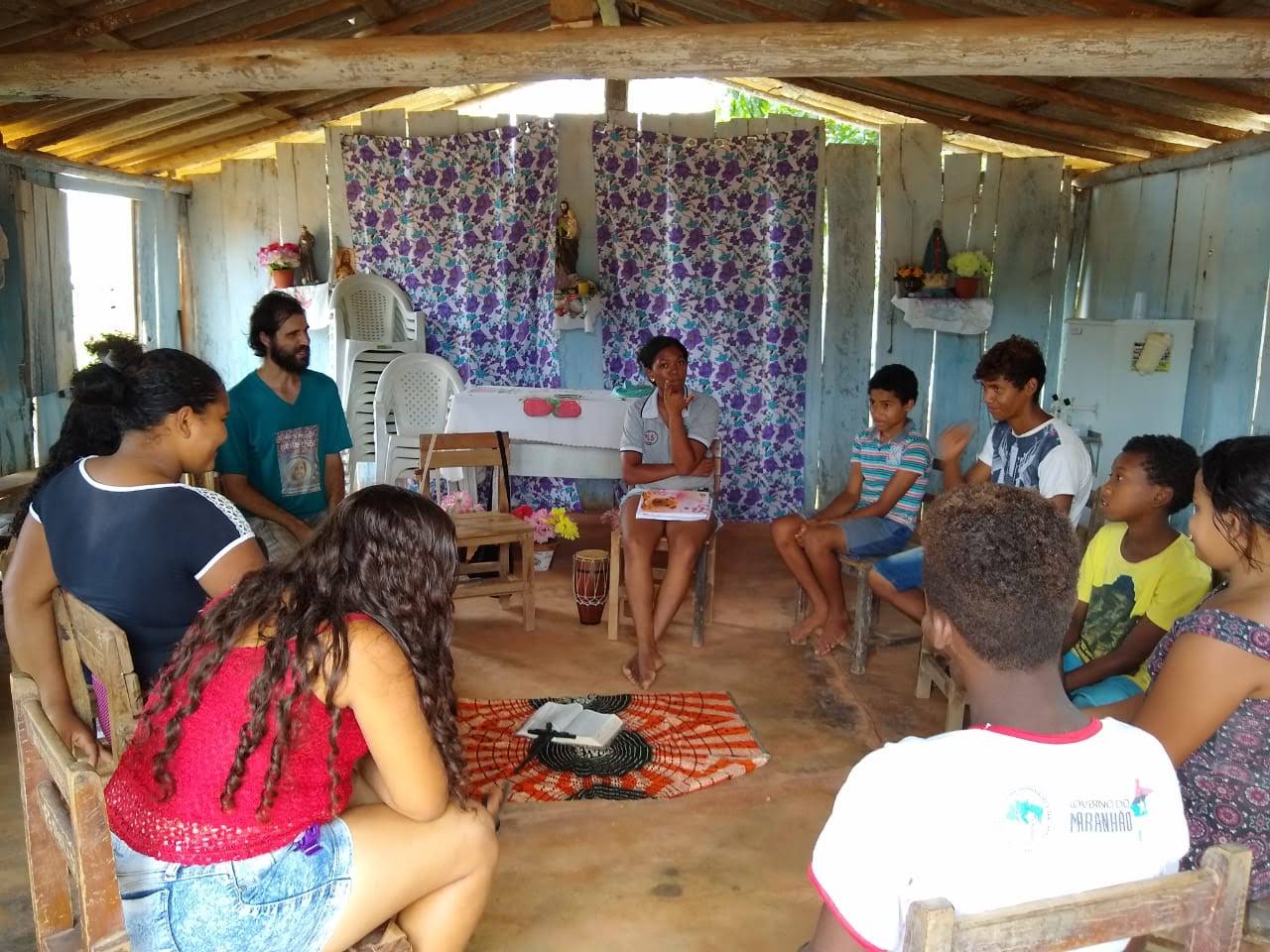
By way of example, we could tell you how important it is to offer training in ecological agriculture in north-eastern Brazil, to accompany and train communities to confront large estates and extractive mining companies.
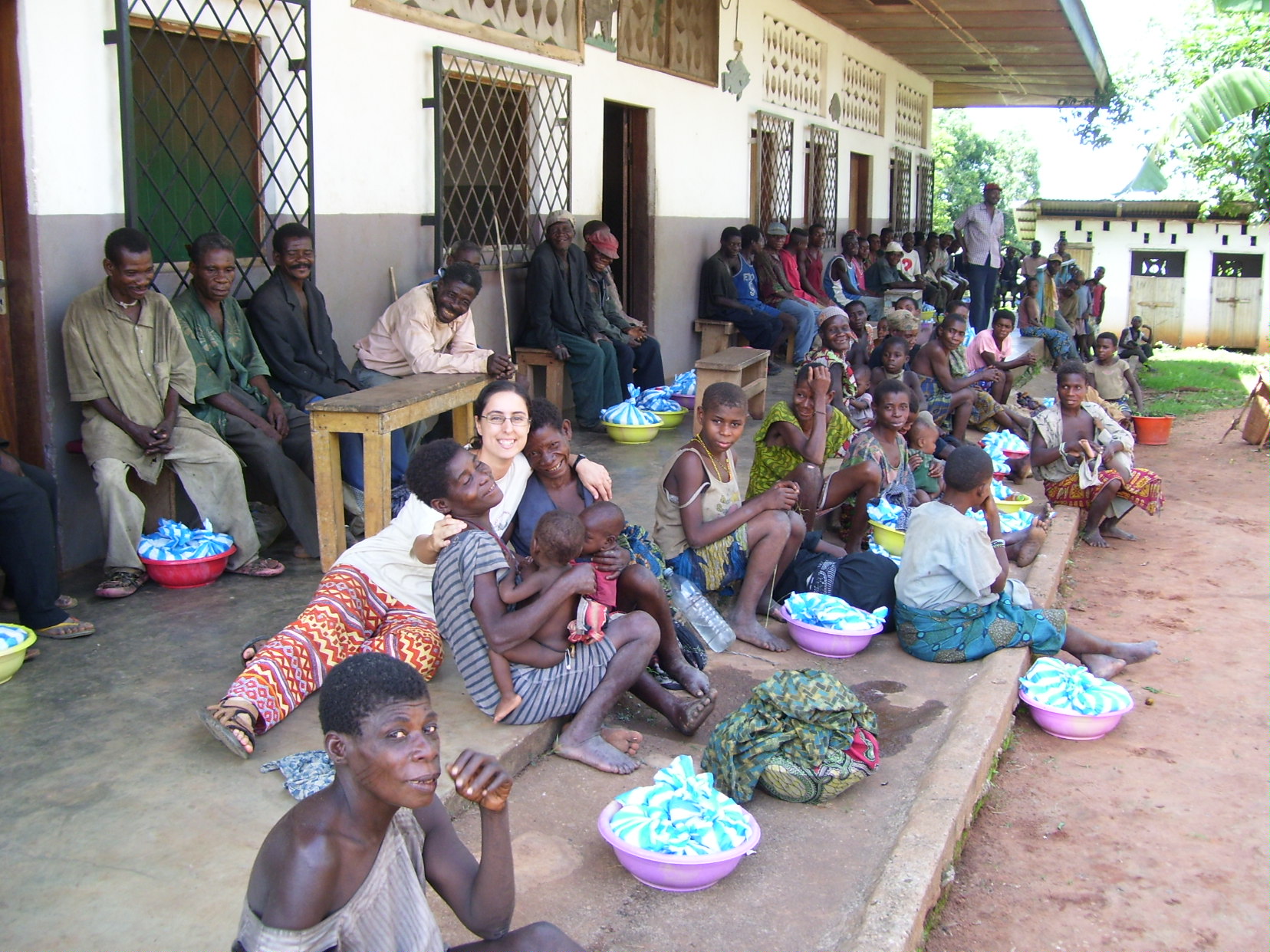
Likewise in the Central African Republic, where we also accompany the Pygmy-Aka population in their camps with integration schools and seek to ensure that their rights are recognised as first-class citizens in a society that seeks to relegate them.
In Mozambique, where we also deal with vocational training for young people from rural communities, giving them qualifications that allow them to enter the labour market, or accompanying the countless parish communities living in the interior, where almost nothing arrives.
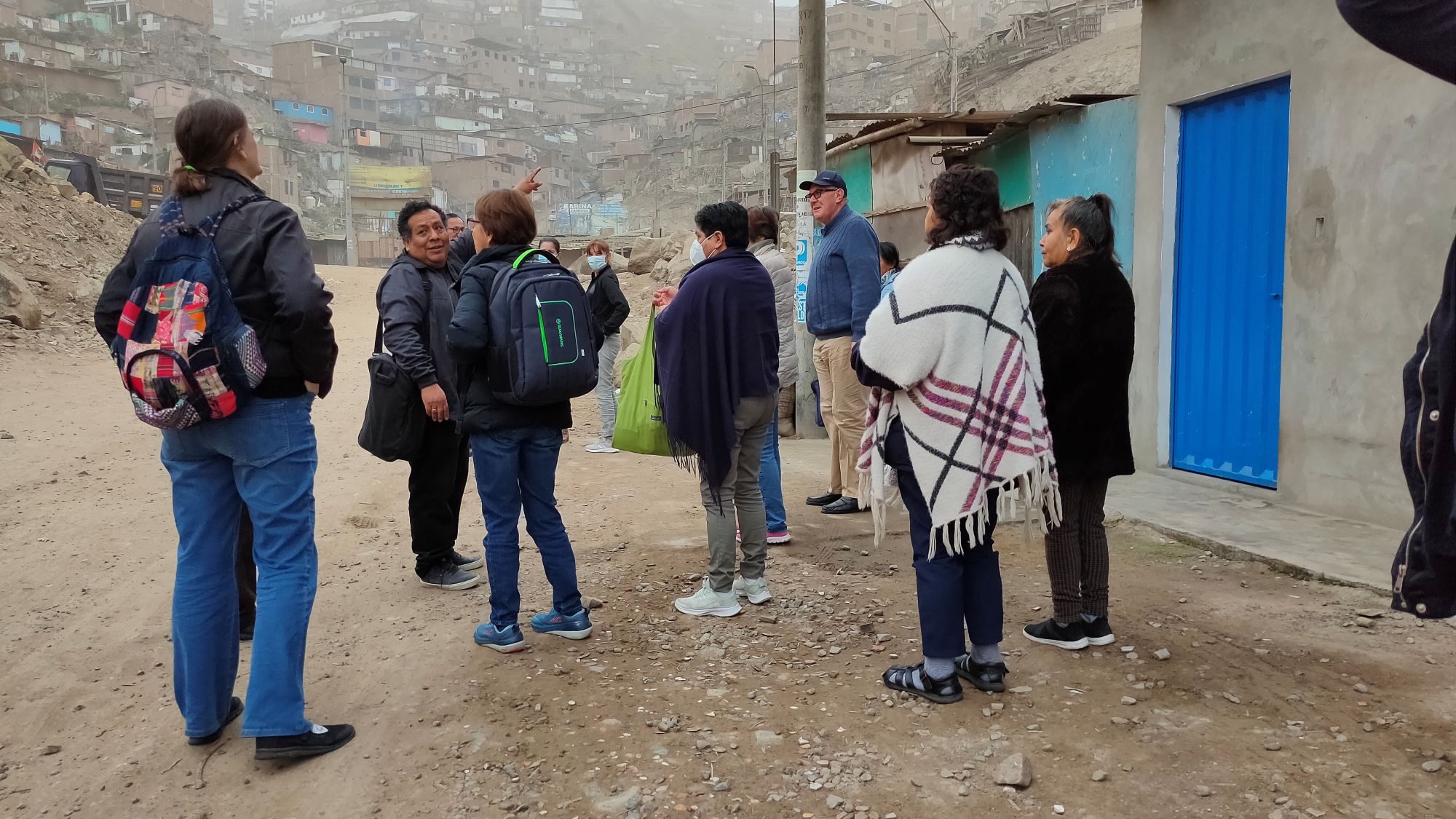
Or in the peripheries of large Latin American cities (Peru, Brazil, Guatemala…) where there are so many people trying to survive and earn a living—people migrating from the interior to seek work in cities but who often barely survive due to the precariousness of the work they find.
In Europe we also find many migrant people with whom to walk together—people from the countries where we are present and whom we also accompany from our missionary experience of life in Africa or America—and we try to make them feel welcomed as we are in their countries and to support and sustain them in their integration into the new society.
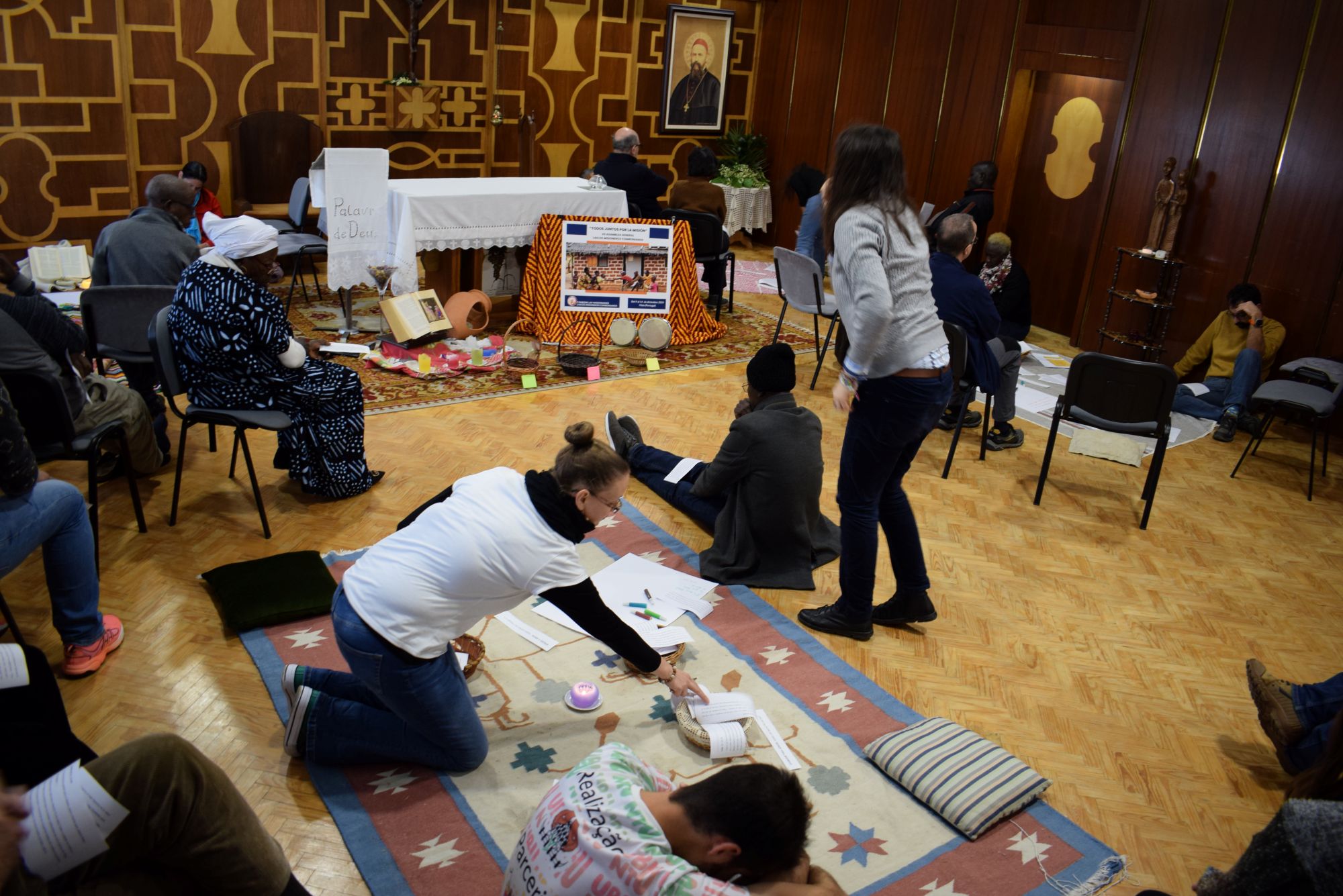
We want to live all this starting from our local communities because we feel that our missionary call is to live this vocation from community, and for this reason we meet to train ourselves, pray, share our lives, our dreams, and our missionary commitment.


